
Israel begin their new UEFA Nations League campaign against a backdrop of the ongoing conflict in the Gaza Strip.
Relegated back to League B in the last edition, Israel have been drawn into Group B3 alongside Austria, Ireland, and Kosovo. Last week UEFA approved a format change that scraps automatic relegation from League B to League C, meaning the team's main target is now simply a top-three finish to secure their place in League B for the next edition. Whoever finishes bottom of the group will face a relegation playoff in March 2027.
Despite a tough draw, Israel still harbor hopes of topping the group. They managed it four years ago, a run that delivered promotion to League A and a place in the Euro 2024 playoffs. A first-place finish this time would likely be enough to secure a third consecutive Euro playoff appearance.
Crystal Palace’s Anan Khalaili is preparing for the Austria match. A first game out of four for the Israeli team. (Photo courtesy: The Israeli Football Association)
No home, and a packed schedule
Israel are once again facing a campaign played entirely away from home. Since October 2023, the national team has been unable to play on home soil because of the ongoing conflict, and their "home" games will instead be staged at the Nagyerdei Stadion in Debrecen, Hungary — the same venue used during the previous Nations League campaign and throughout the 2026 World Cup qualifiers.
For most of the squad, this will be their first experience of a four-match international break. Israel, however, have been here before: after the war began in 2023, two rescheduled fixtures meant the team played four games in under two weeks.
The campcampaign opens with an away trip to Austria in Linz, followed by a match in Hungary against Kosovo. The break then closes with the double-header drawing the most attention — the two games against Ireland.
Politics storm the pitch
The fixtures against Ireland have made headlines ever since the Nations League draw back in February. Ireland has been one of the most vocal European countries in its diplomatic stance against Israel's conduct in the Gaza Strip, and was — alongside Spain and Slovenia — among the first in Europe to recognize the State of Palestine, in May 2024.
In the months since the draw, Irish politicians and activists repeatedly called for a boycott of the fixtures, some urging that Israel be suspended altogether, in the same manner as Russia following the invasion of Ukraine.
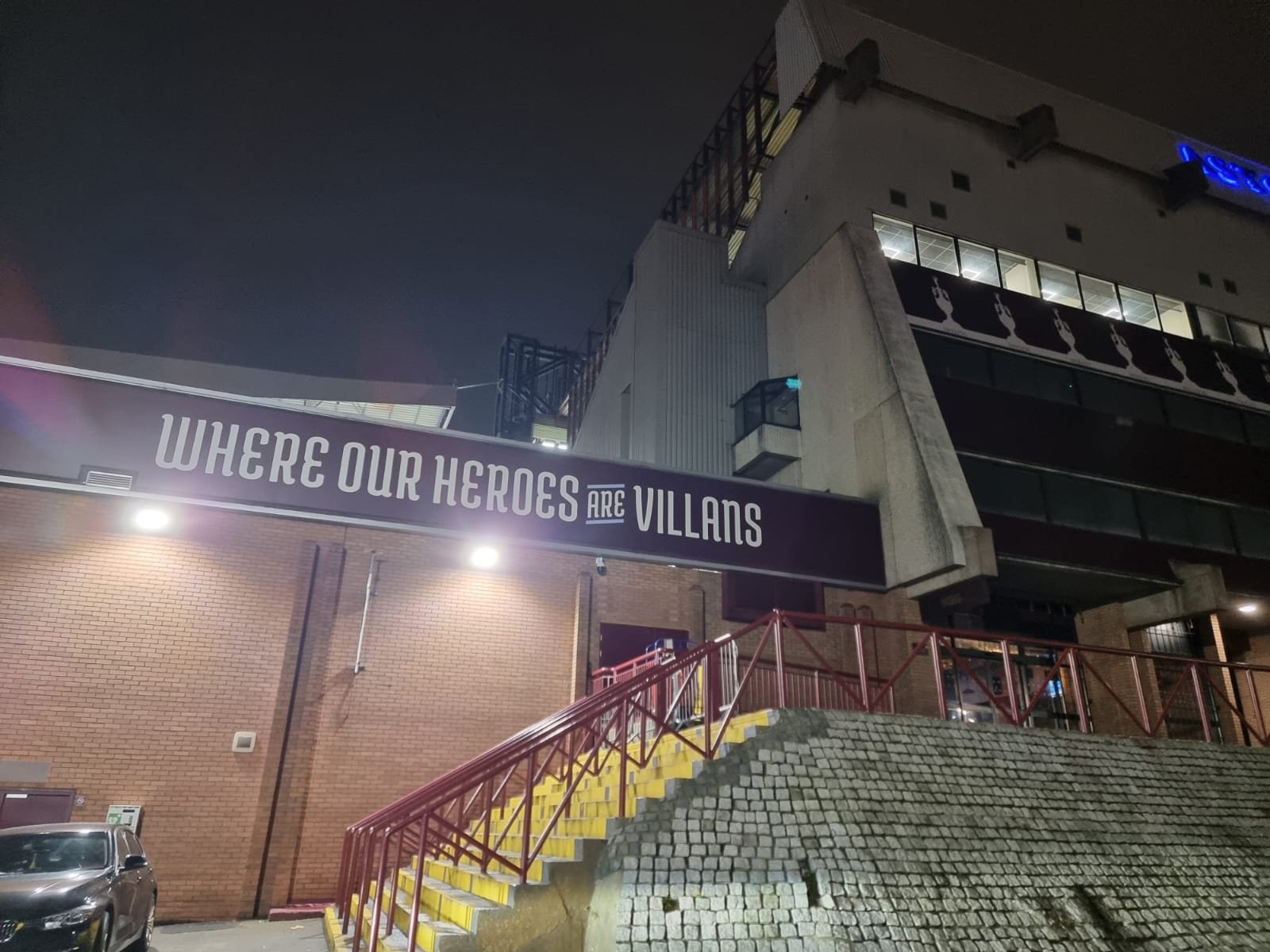
The Gardaí, Ireland's police force, also weighed in on hosting the match in Dublin. Those seeking a middle ground proposed barring Israeli fans from traveling to Ireland altogether — echoing the approach West Midlands Police took a year earlier for the Aston Villa–Maccabi Tel Aviv fixture.
In the end, the Irish FA decided to relocate the match to Bačka Topola, Serbia, and to play it behind closed doors — a decision that drew criticism from all sides. Some argued the fixture should have gone ahead as planned in Dublin, a position backed by former Ireland captain Kenny Cunningham, while others continued to demand nothing short of a full boycott.
Irish broadcaster RTÉ has confirmed it will air both matches against Israel, honoring its obligations as rights holder — though it has opted to provide no commentator and no dedicated coverage.
Protests against Israel in Ireland are nothing new, nor are they solely a product of the current war. Demonstrations also took place ahead of the sides' previous meeting in Dublin in 2005, before the 2022 U-21 fixture, and even ahead of Bnei Yehuda's Europa League qualifier away to Shamrock Rovers in 2010.
Refusing to host Israel has likewise become something of a pattern in recent years. Belgium moved its previous Nations League home fixture against Israel to Hungary, while Belgium, Scotland, and Luxembourg all relocated their Women's World Cup qualifiers against Israel to Hungary as well. A year earlier, Scotland's women's team hosted Israel in Glasgow — but behind closed doors.
Ireland's coach speaks his mind
The figure most openly outspoken on the matches is Ireland manager Heimir Hallgrímsson, the Icelandic head coach. In the days leading up to the fixture, he said the team wasn't playing with Israel but against it: "When people know that these games are going to be played, we'll get the people that are ready to support us in the games. And I've said before, we're not playing with genocide, we're playing against genocide."
The Israeli FA responded in kind. "We have contributed to the world and humanity in countless fields, earning an impressive number of Nobel Prizes along the way," the federation said in an official statement. "Unfortunately, we have not yet found a cure for stupidity, ignorance, and hypocrisy displayed by the Ireland team coach. We're not playing with ignorance, hypocrisy, and stupidity. We're playing against the coach who embodies them."
The exchange drew political attention too. Irish Prime Minister Micheál Martin backed Hallgrímsson's characterization of Israel's actions in Gaza as genocide, calling the Israeli FA's remarks "unacceptable" and saying they should be withdrawn.
None of this is unprecedented. Similar tensions defined both World Cup qualifiers between Israel and Norway, during which the Norwegian FA donated match-day revenue from the Oslo fixture to Gaza. Norwegian FA president Lise Klaveness was among those who pushed UEFA to suspend Israel altogether — though it's worth noting the gap between public statements and private conduct: Klaveness and Israeli FA chairman Moshe Zuares reportedly backed each other's campaigns for seats on the UEFA Executive Committee.
For Israel, the hope is that these matches will ultimately be about football alone. The team knows that politics and the war will loom larger over this campaign than usual — and their task will be to answer it the only way they can: with results on the pitch.














Israel opens a homeless Nations League campaign against Austria, Kosovo, and Ireland, with the Gaza conflict looming over every match played.