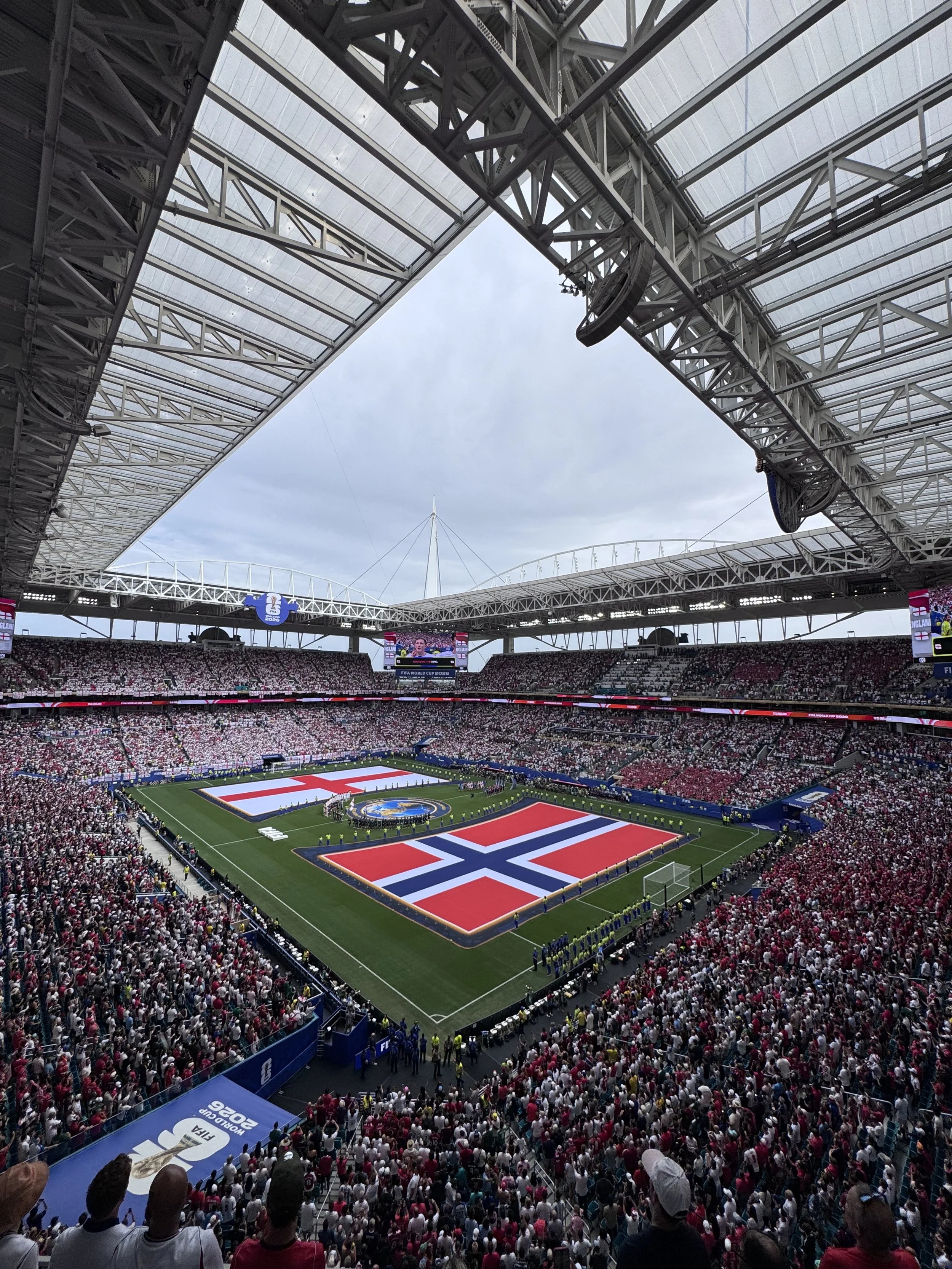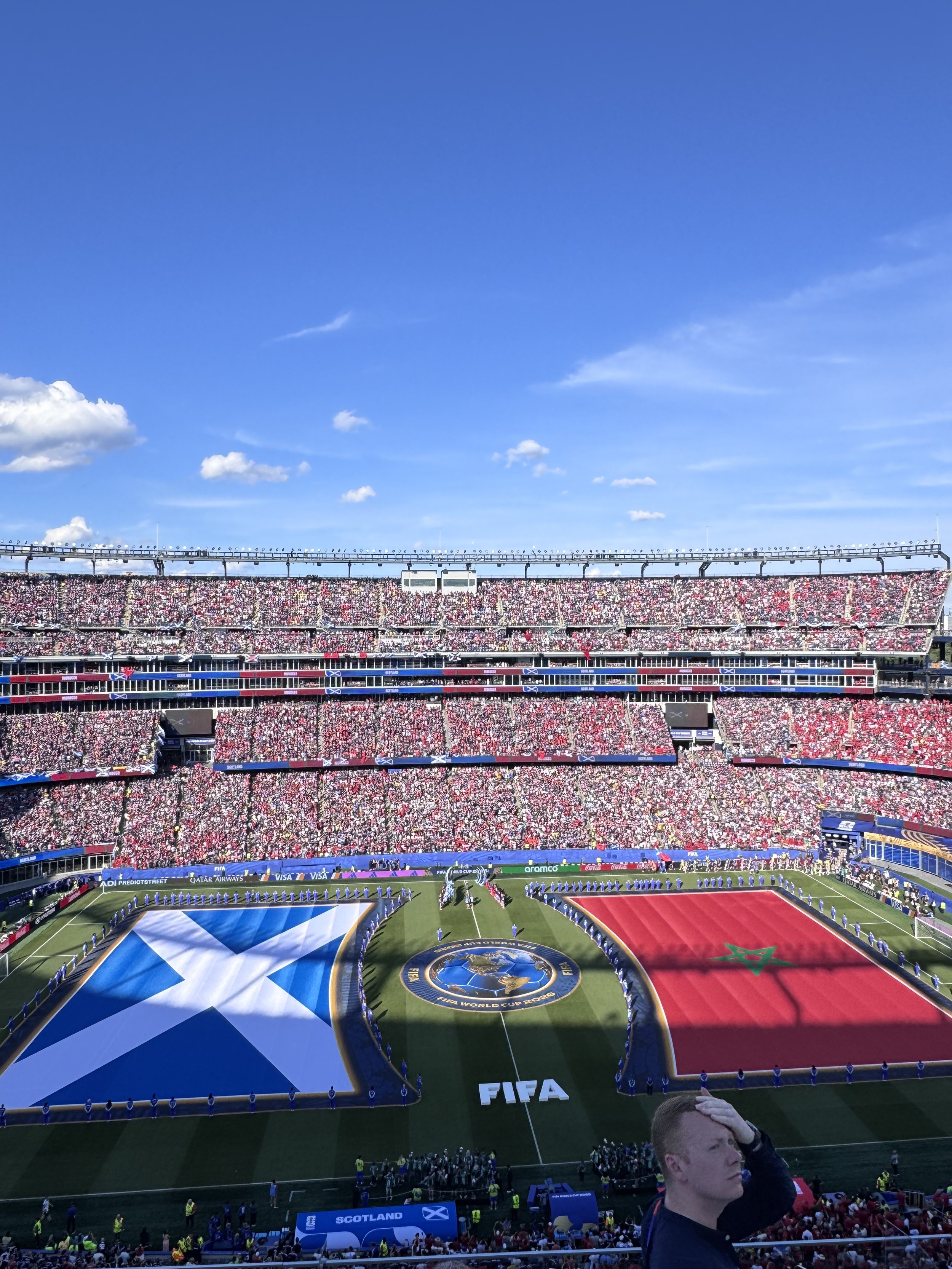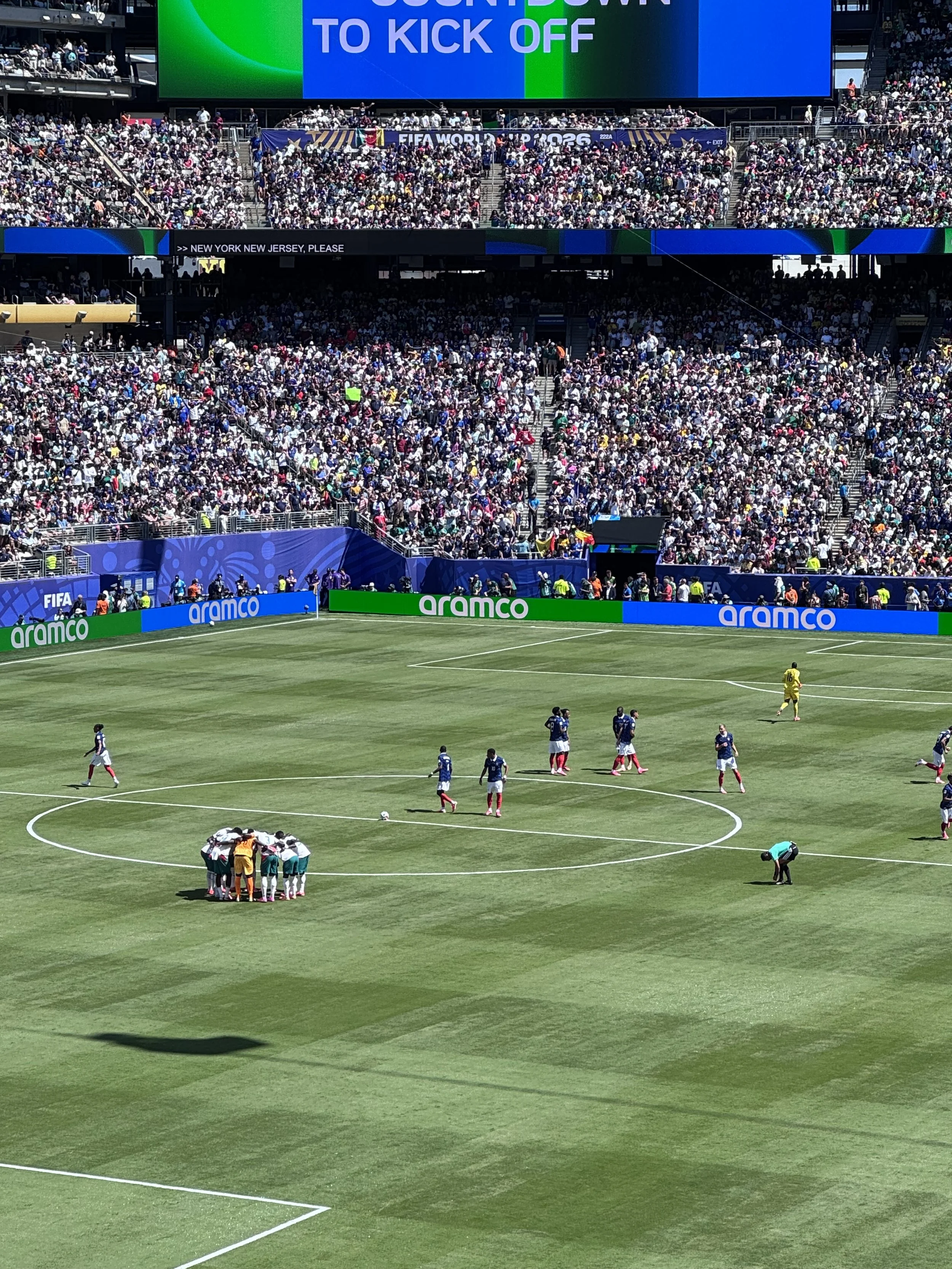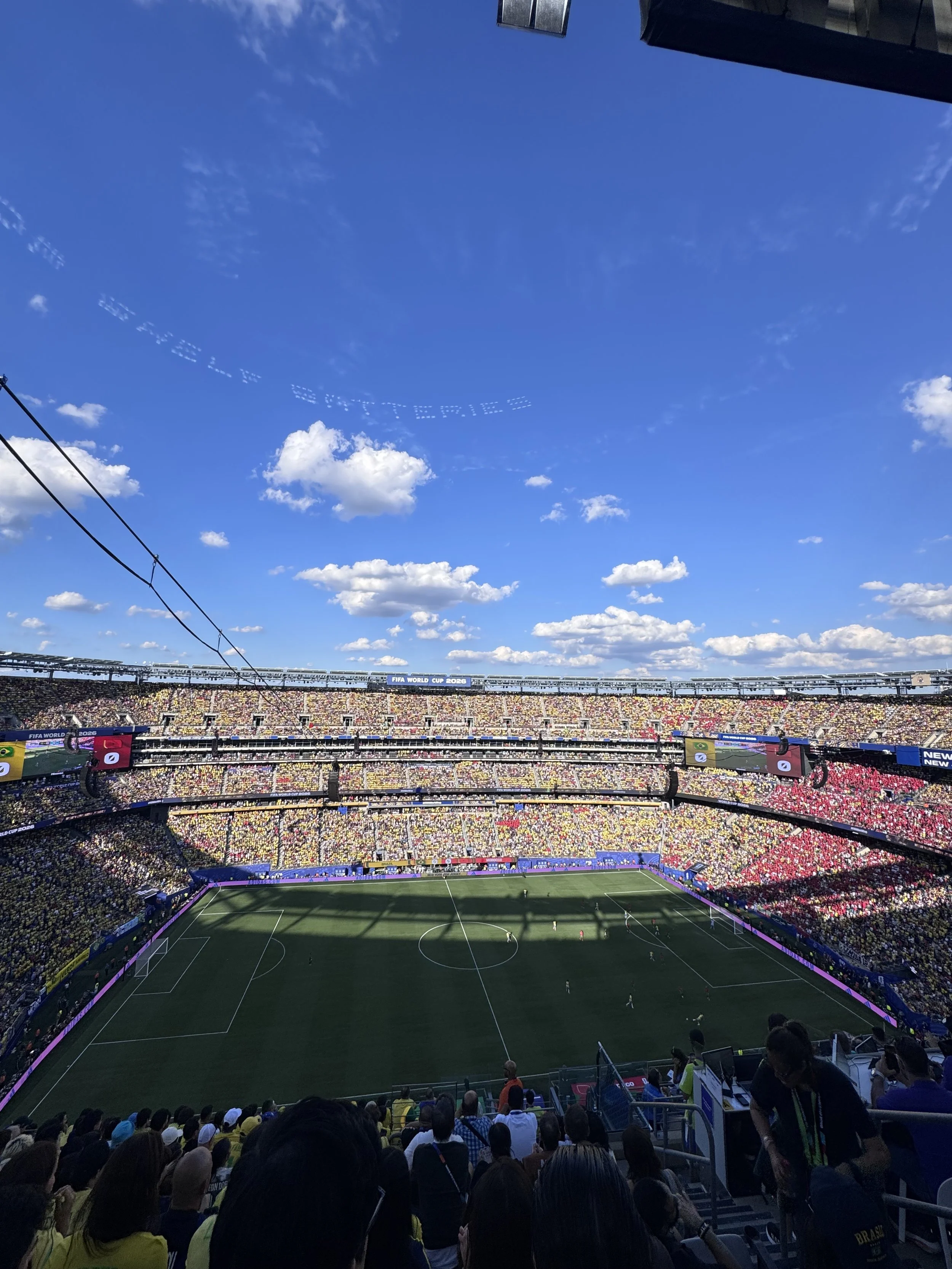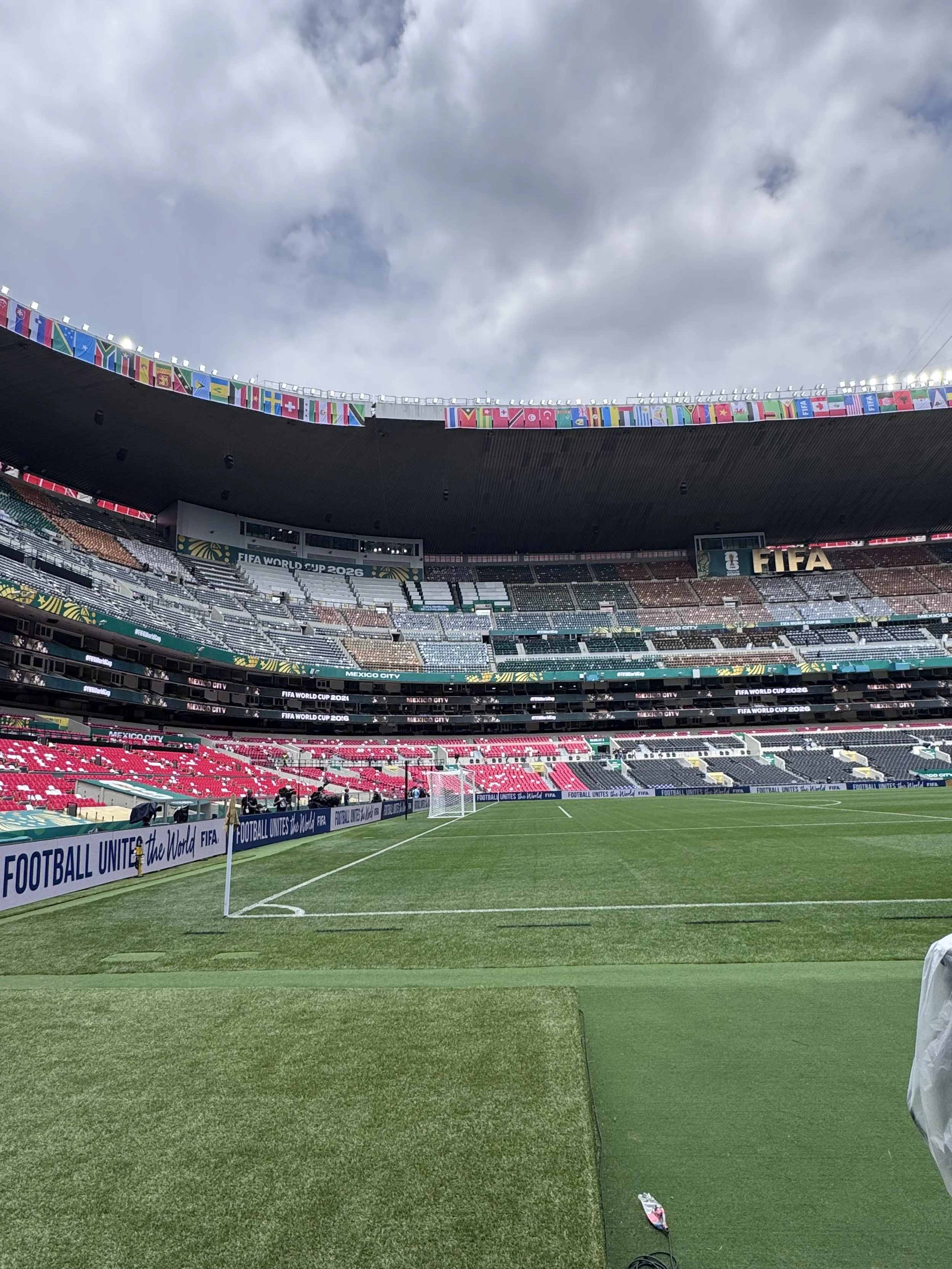
MIAMI — Two things can be said about Miami as a host city at this World Cup, and about the English and Norwegian fans who packed it ahead of their quarter-final: it is hot and humid here. Very. To a degree where everyone, without exception, is dripping with sweat.
And yet, the atmosphere inside and outside the stadium ahead of the Norway–England quarter-final was almost perfect. Both sets of supporters were in superb spirits — songs, jokes, warm exchanges. A wonderfully positive matchday feel that blended fan culture, ancient history, and a meeting between genuine football giants.
Norway are the dark horses of this World Cup. They navigated a group of death alongside France, Senegal, and Iraq to reach the quarter-finals for the first time in their history.
The Norwegians are enjoying a rare golden generation of talented players performing at the very top of European football: Martin Ødegaard, Alexander Sørloth, and of course Erling Haaland, Manchester City's striker who has been on fire at this tournament with seven goals — including three braces. Haaland was born in England while his father, Alfie Inge, was playing for Leeds United, and in fact spent the first four years of his life as English as they come. In theory, he could have represented the Three Lions. But he broke through at such a young age in Norwegian youth football that the question became irrelevant very early in the career of this force of nature.
Alongside what happens on the pitch, Norway's supporters are providing the standout phenomenon of the tournament. Their rowing celebration — known as the Ro — has become a viral sensation, adopted by Norwegians and non-Norwegians alike, fans and players from across the world.
"The rowing movement is a nod to our Viking ancestors, who would row in unison during their voyages in search of food and new lands, calling out to motivate one another at sea and ahead of battle," Asper Bergen, a Norwegian fan gathered in the supporters' area outside Hard Rock Stadium, explained to BabaGol.
But ahead of the match against England, the rowing carries a very different set of connotations. For the English, that movement — together with the battle cry of Ro! — evokes the Norse Viking raids of the late eighth century, when longships descended on the British coastline and struck terror into the local population.
English history makes much of the Battle of Stamford Bridge in 1066 — from which Chelsea's famous stadium takes its name — the first engagement in which British warriors repelled a Viking assault.
In that sense, the Norwegian fans' Ro at the 2026 World Cup carries within it a hint of menace. "Historically, we don't love that," admits Scott, an English supporter who made the trip to Miami. "But it only motivates us. We're a much better team, and we'll win."
The problem for Scott and England's fans is that historically, when these two sides have met, it is Norway who have tended to come out on top. The last time England and Norway met in a competitive fixture was in the 1994 World Cup qualifiers, when Norway won 2-0 and ultimately qualified for that tournament in the United States. That defeat was one of the reasons England missed out on the competition entirely and stayed home.
When the match got underway — following a minute's silence in memory of Jayden Adams, the South Africa international found dead in circumstances suspected to be suicide, which brought the whole occasion into proper perspective — the sporting atmosphere resumed.
Norway's fans went back to their rowing and whistling at Jude Bellingham, while England's supporters chanted "England! England!" each time it seemed the pints they had been sinking since morning were finally catching up with them.
The first half began at a sluggish pace in the humidity, but Norway played well — until the 36th minute, when Andreas Schjelderup received the ball on the left and drilled a left-footed strike to the far corner. The ball kissed the post and flew in. An iconic goal that stunned the stadium and sent a message: the Vikings are here to make history, and to enjoy every moment of it.
England's response was swift. In first-half stoppage time, Jude Bellingham finished a counter-attack in stunning fashion to make it 1-1. Harry Kane even had a goal disallowed for offside. The pace, the atmosphere, the football — by this point, everyone inside the stadium and watching at home knew: we are witnessing a genuine World Cup classic.
The second half opened with another Norwegian goal ruled out, this time for a foul by Haaland on England centre-back John Stones. And yet, for almost an entire half, England — bar one simple through ball — were barely present. "Whatever the result, for us this is a historic and incredible match," Auga, a Norwegian fan, told BabaGol at the end of the ninety minutes as the game went into extra time. He was right. Such dominance from Norway in their very first quarter-final appearance, against a Premier League-stacked England side, was a genuinely impressive feat.
But in extra time, it began to unravel — or rather, to melt. The humidity, the heat, and the very intensity Norway had thrown into the match simply took their legs. Bellingham, another superstar having a tournament to remember, seized on it to put England ahead at 2-1 early in extra time — his sixth goal of the tournament — and from there it was largely England's game until the final whistle, the victory, and a ticket to the semi-finals.
"We were lucky today," England's German manager Thomas Tuchel told the media. "We made a lot of technical and tactical errors, and our performance was disjointed. That has nothing to do with mentality. We need to play better."
"We weren't good, we paid mortgage-level prices for our tickets — but we've got Jude Bellingham, and it's coming home!" a pair of English supporters who had made the journey from London told BabaGol on their way out of the stadium.
Tuchel is right, of course — but so is that happy pair. Because when England win a match like this, one in which they were outplayed by Norway for most of it, and still find their voices at the end to sing Wonderwall in perfect unison with the crowd, then perhaps it's time to acknowledge that this England side has what it takes — to overcome the fear of the Vikings, to survive an off day, and to truly bring football home.
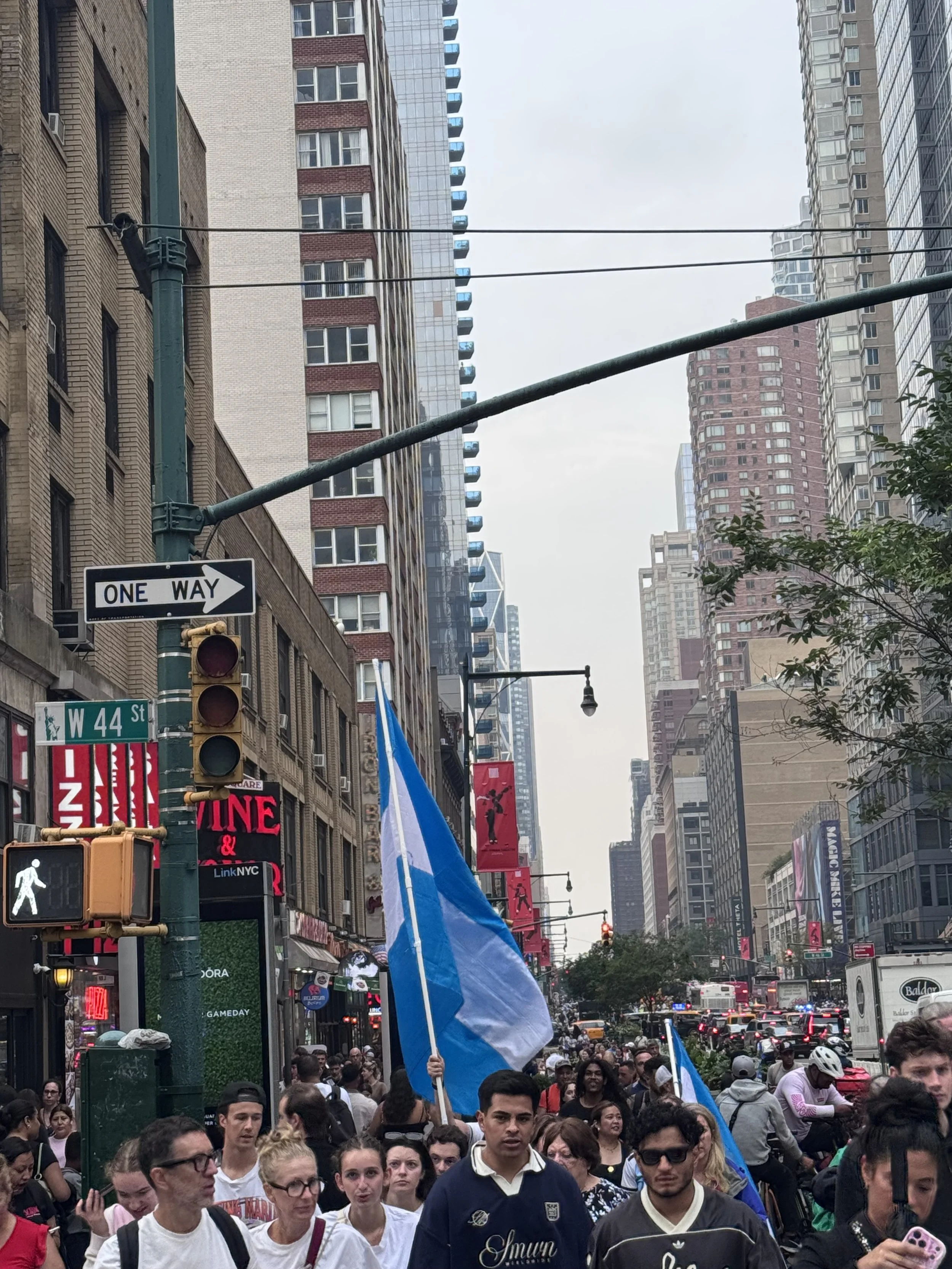
Thousands of Argentina fans transformed Times Square before the 2026 World Cup final, all united to thank Lionel Messi.
Spain were ruthless in Dallas as Oyarzabal and Dani Olmo starred, leaving France's Bastille Day to end in deep disappointment for Deschamps.
Norway outplayed England for most of a sweltering Miami classic, but two Bellingham strikes in extra time sent the Three Lions to the semis.
Ayoub Bouaddi chose Morocco over France at 18 and lit up a quarter-final about colonial history, dual identity, and what it means to belong.
Egypt pushed Argentina to the limit in a 3-2 World Cup thriller, but left the pitch furious at the referee and convinced justice was denied.
Merino's late goal gave Spain a 1-0 win over Portugal as Ronaldo left the World Cup stage in tears in what many believe was his final match.
Egypt beat Australia on penalties in Dallas to reach the last 16 for the first time, with Salah's Panenka the highlight of a historic night.
Diop headed Morocco level in the 91st minute and Saibari slotted the winner in the shootout as Morocco reached the World Cup quarter-finals.
Messi and the Jordanian Messi both scored as Argentina beat Jordan 3-1 in Arlington, with records broken and keffiyehs flying in the stands.
France beat Iraq 3-0 in Philadelphia, but the two-hour lightning delay stole the show, making it officially the longest World Cup game ever.
Saibari scored inside two minutes as Morocco beat Scotland 1-0 in Boston, leaving the Scots on the very brink of 2026 World Cup elimination.
Senegal relived their legendary 2002 magic for an hour, but Kylian Mbappe struck twice to sink them and seal France's 3-1 win in New Jersey.
Qatar stole a last-gasp draw from Switzerland and Morocco held Brazil 1-1 — two results that announced Arab football’s full arrival at 2026.
Azteca stadium hosts its third World Cup as Mexico City buzzes with pride, protest, and the deep belief that football has always lived here.
Crystal Palace beat Rayo Vallecano in Leipzig to win the Conference League in the most romantic underdog final in European football history.
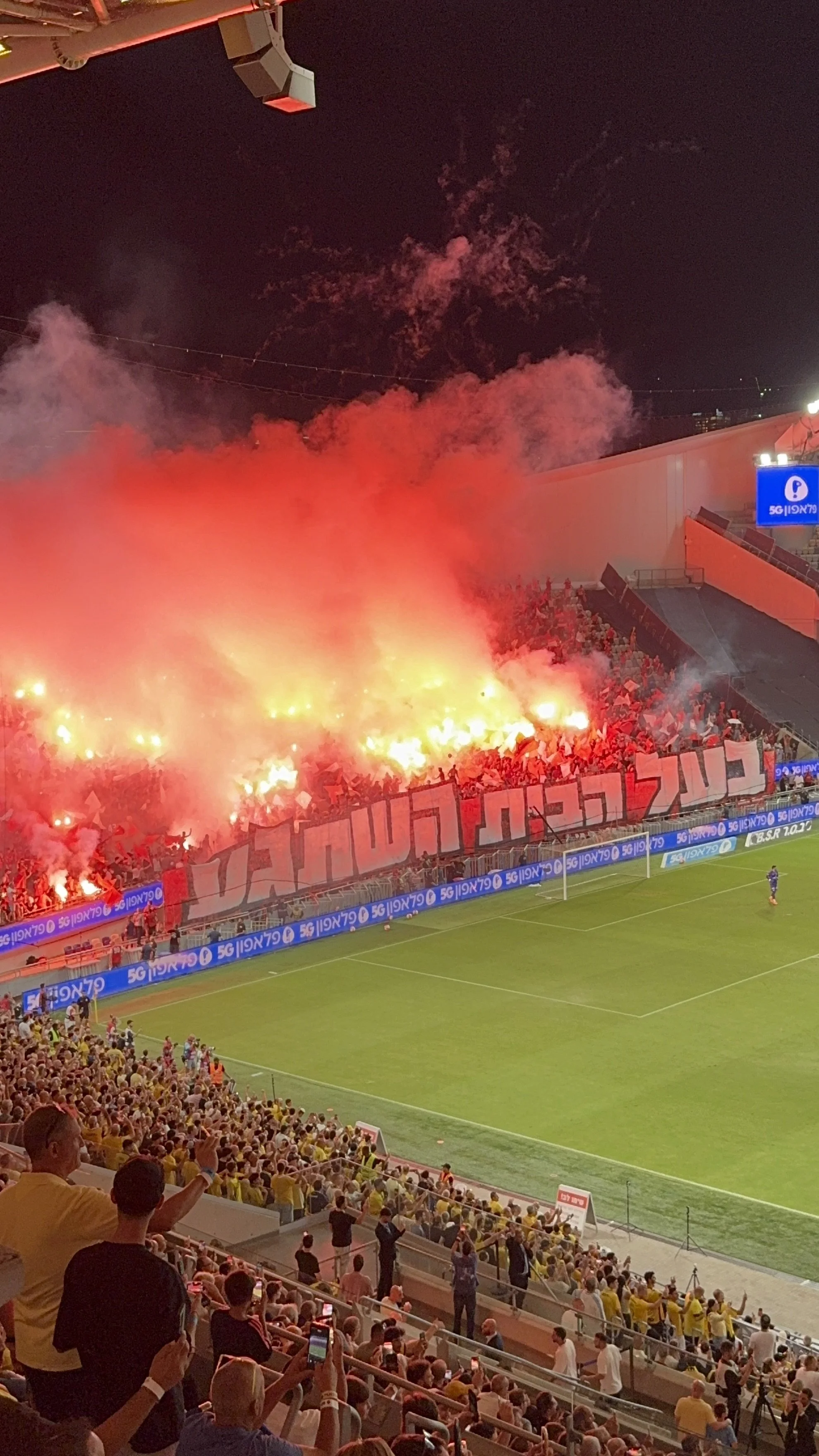
Maccabi Tel Aviv edge Hapoel Be'er Sheva 2–1 in a dramatic Israeli Cup Final at Teddy Stadium, denying the champions a historic Double.
With tensions easing, Iran’s 2026 World Cup participation remains uncertain, as FIFA, politics, and regional dynamics collide.
CAF shocks African football by stripping Senegal’s title and awarding Morocco the AFCON crown after a chaotic final decision.
From silent protests to daring escapes, Iran’s women footballers turned a tournament into a global story of courage, politics, and survival.
Iran’s women’s team protested, faced threats, and signaled SOS in Australia—now their fate is uncertain amid calls for asylum.
From geopolitics to spectacle, Trump looms over World Cup 2026—reshaping football, power, and culture in the biggest tournament ever.
FIFA joins Gaza rebuilding plans, restoring stadiums, pitches, and youth programs, supporting football and hope in the Strip.
From Nigeria’s Mavlon academy to Viktoria Plzeň and the Europa League dream: Salim Fago’s journey is just beginning in Europe.
From Benzema’s shock move to Ronaldo’s protest, a chain reaction in Saudi football is shaking the entire project and the global game.
A Hitchcock-style AFCON final in Rabat saw chaos, controversy and brilliance as Senegal stunned Morocco to claim their second African title.
From libraries to stadiums, Morocco lives football. As AFCON 2025 nears its climax, passion, politics, and ambition collide nationwide.
From rain-soaked Rabat to a deafening semifinal night, Morocco edge Nigeria on penalties and stand 90 minutes from an AFCON title.
As protests spread across Iran, footballers are turning goals, silence and visibility into acts of resistance and solidarity with the people.
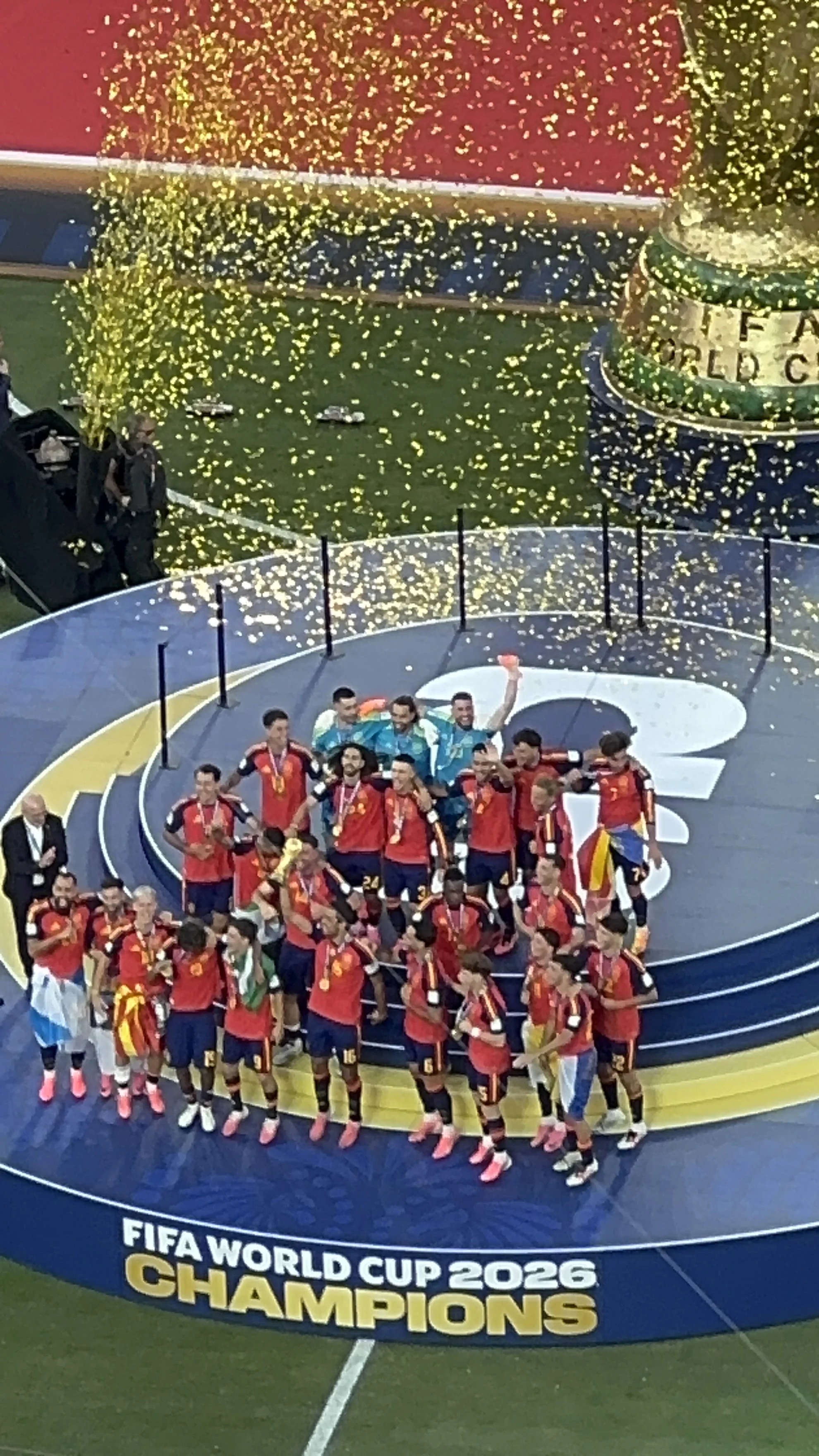
Spain defeated Argentina 1-0 in the 2026 World Cup Final, ending Lionel Messi's dream World Cup with heartbreak.
Thousands of Argentina fans transformed Times Square before the 2026 World Cup final, all united to thank Lionel Messi.
Spain were ruthless in Dallas as Oyarzabal and Dani Olmo starred, leaving France's Bastille Day to end in deep disappointment for Deschamps.
Norway outplayed England for most of a sweltering Miami classic, but two Bellingham strikes in extra time sent the Three Lions to the semis.
Ayoub Bouaddi chose Morocco over France at 18 and lit up a quarter-final about colonial history, dual identity, and what it means to belong.
Egypt pushed Argentina to the limit in a 3-2 World Cup thriller, but left the pitch furious at the referee and convinced justice was denied.
Merino's late goal gave Spain a 1-0 win over Portugal as Ronaldo left the World Cup stage in tears in what many believe was his final match.
Egypt beat Australia on penalties in Dallas to reach the last 16 for the first time, with Salah's Panenka the highlight of a historic night.
Diop headed Morocco level in the 91st minute and Saibari slotted the winner in the shootout as Morocco reached the World Cup quarter-finals.
Messi and the Jordanian Messi both scored as Argentina beat Jordan 3-1 in Arlington, with records broken and keffiyehs flying in the stands.
France beat Iraq 3-0 in Philadelphia, but the two-hour lightning delay stole the show, making it officially the longest World Cup game ever.
Saibari scored inside two minutes as Morocco beat Scotland 1-0 in Boston, leaving the Scots on the very brink of 2026 World Cup elimination.
Senegal relived their legendary 2002 magic for an hour, but Kylian Mbappe struck twice to sink them and seal France's 3-1 win in New Jersey.
Qatar stole a last-gasp draw from Switzerland and Morocco held Brazil 1-1 — two results that announced Arab football’s full arrival at 2026.
Azteca stadium hosts its third World Cup as Mexico City buzzes with pride, protest, and the deep belief that football has always lived here.
Crystal Palace beat Rayo Vallecano in Leipzig to win the Conference League in the most romantic underdog final in European football history.
Maccabi Tel Aviv edge Hapoel Be'er Sheva 2–1 in a dramatic Israeli Cup Final at Teddy Stadium, denying the champions a historic Double.
With tensions easing, Iran’s 2026 World Cup participation remains uncertain, as FIFA, politics, and regional dynamics collide.
CAF shocks African football by stripping Senegal’s title and awarding Morocco the AFCON crown after a chaotic final decision.
From silent protests to daring escapes, Iran’s women footballers turned a tournament into a global story of courage, politics, and survival.
Iran’s women’s team protested, faced threats, and signaled SOS in Australia—now their fate is uncertain amid calls for asylum.
From geopolitics to spectacle, Trump looms over World Cup 2026—reshaping football, power, and culture in the biggest tournament ever.
FIFA joins Gaza rebuilding plans, restoring stadiums, pitches, and youth programs, supporting football and hope in the Strip.
From Nigeria’s Mavlon academy to Viktoria Plzeň and the Europa League dream: Salim Fago’s journey is just beginning in Europe.
From Benzema’s shock move to Ronaldo’s protest, a chain reaction in Saudi football is shaking the entire project and the global game.
A Hitchcock-style AFCON final in Rabat saw chaos, controversy and brilliance as Senegal stunned Morocco to claim their second African title.
From libraries to stadiums, Morocco lives football. As AFCON 2025 nears its climax, passion, politics, and ambition collide nationwide.
From rain-soaked Rabat to a deafening semifinal night, Morocco edge Nigeria on penalties and stand 90 minutes from an AFCON title.
As protests spread across Iran, footballers are turning goals, silence and visibility into acts of resistance and solidarity with the people.


Spain defeated Argentina 1-0 in the 2026 World Cup Final, ending Lionel Messi's dream World Cup with heartbreak.