
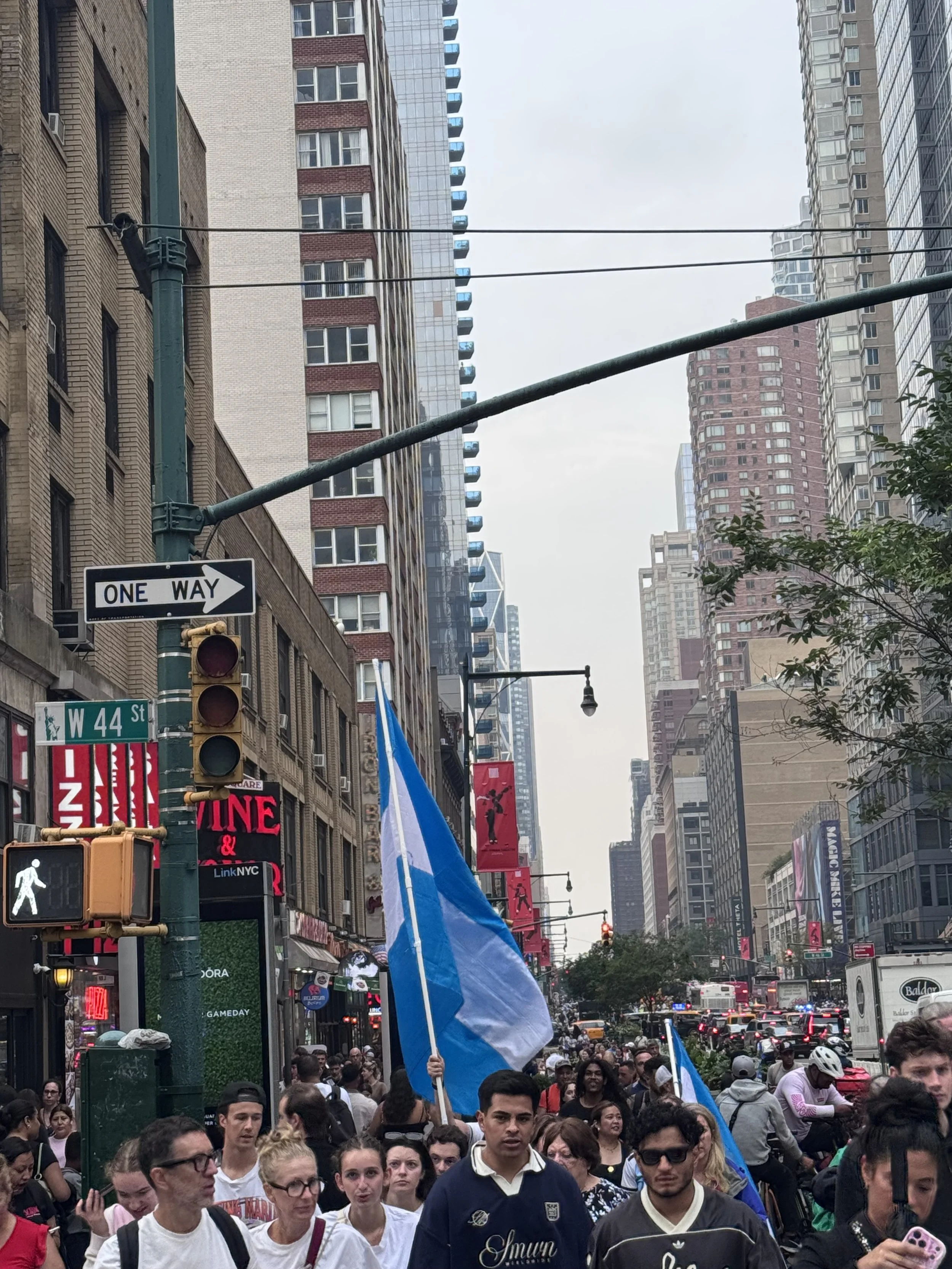
NEW YORK — You can't change Manhattan. It is probably the only place in the world where 10,000 fans can gather, creating an incredible atmosphere with songs, flags, and drums, while half a block away you would never even know anything was happening.
But as you approach 45th Street, you begin to hear a familiar melody.
"For the Malvinas, for Diego, and for Leo's last one."
The song blasted from the speakers of motorized rickshaws racing through the autumn evening in Midtown Manhattan.
The second clue—and the one impossible to miss—was the thousands of people wearing every imaginable Argentina shirt, filling Seventh and Eighth Avenues from 33rd Street northward.
If there is one fan base capable of changing Manhattan's rhythm, it is Argentina's. And for one Saturday, Times Square became Argentina.
Tens of thousands poured into Midtown from the early morning, celebrating regardless of the weather. Haze gave way to relentless rain by late morning, yet nobody cared that the official march was not even scheduled to begin until 5:00 p.m.
The crowds became almost unbearable. At one point, the NYPD deployed additional officers and barriers along Seventh Avenue. The supporters barely noticed.
"We're here for our country, and we're here for Leo Messi," said Alejandro, an Argentina supporter living in New York.
"This could be his last tournament. Maybe even his final match for Argentina. I came today, and I'll be here tomorrow, mainly to thank him."
The last time Lionel Messi played at the New Jersey stadium that will host the World Cup Final was exactly ten years ago.
It was the Copa América Centenario Final, commemorating the 100th anniversary of South America's premier international tournament.
That night, Argentina and Chile went to a penalty shootout. Messi blasted his penalty over the crossbar, Chile lifted the trophy, and afterward Messi stunned the football world by announcing his retirement from international football, after once again being blamed by sections of the Argentine media and even having his national identity questioned.
Ten years later, everything has changed.
"Today, Messi is the greatest symbol of being Argentine," says Horacio, who traveled from Córdoba to New York.
"He's like asado. Like Fernet and cola. Like Diego. Maybe even bigger than all of them combined. Messi is Argentina. We're crazy about him."
After winning the Copa América in 2021 and the World Cup in 2022, Messi has become Argentina's greatest ambassador to the world.
"I just want to tell him that I love him. What he has done in this tournament is the reason you see New York like this today. We've never experienced anything like it. This is because of Messi. It's because of him."
The weather became part of the spectacle.
From midday onward, heavy rain drenched the supporters, prompting thousands to open umbrellas simultaneously, creating a breathtaking scene across Midtown.
The downpour was so intense that Spain canceled its final training session, while Argentina trained as scheduled.
"In Argentina, the weather doesn't matter," Alejandro said.
"Football is played in every condition—especially when it's for the national team. The players keep training because they know the fans are giving everything now, and they'll give everything again in the Final."
And indeed, the 2026 World Cup Final promises to feel like a home match for Argentina, with an overwhelming presence of sky-blue-and-white supporters inside the stadium.
For them, this is a defining moment for a nation that has endured years of economic and political hardship.
Above all, it is a moment for their hero—their footballing messiah—Lionel Messi, whom they simply want to thank.
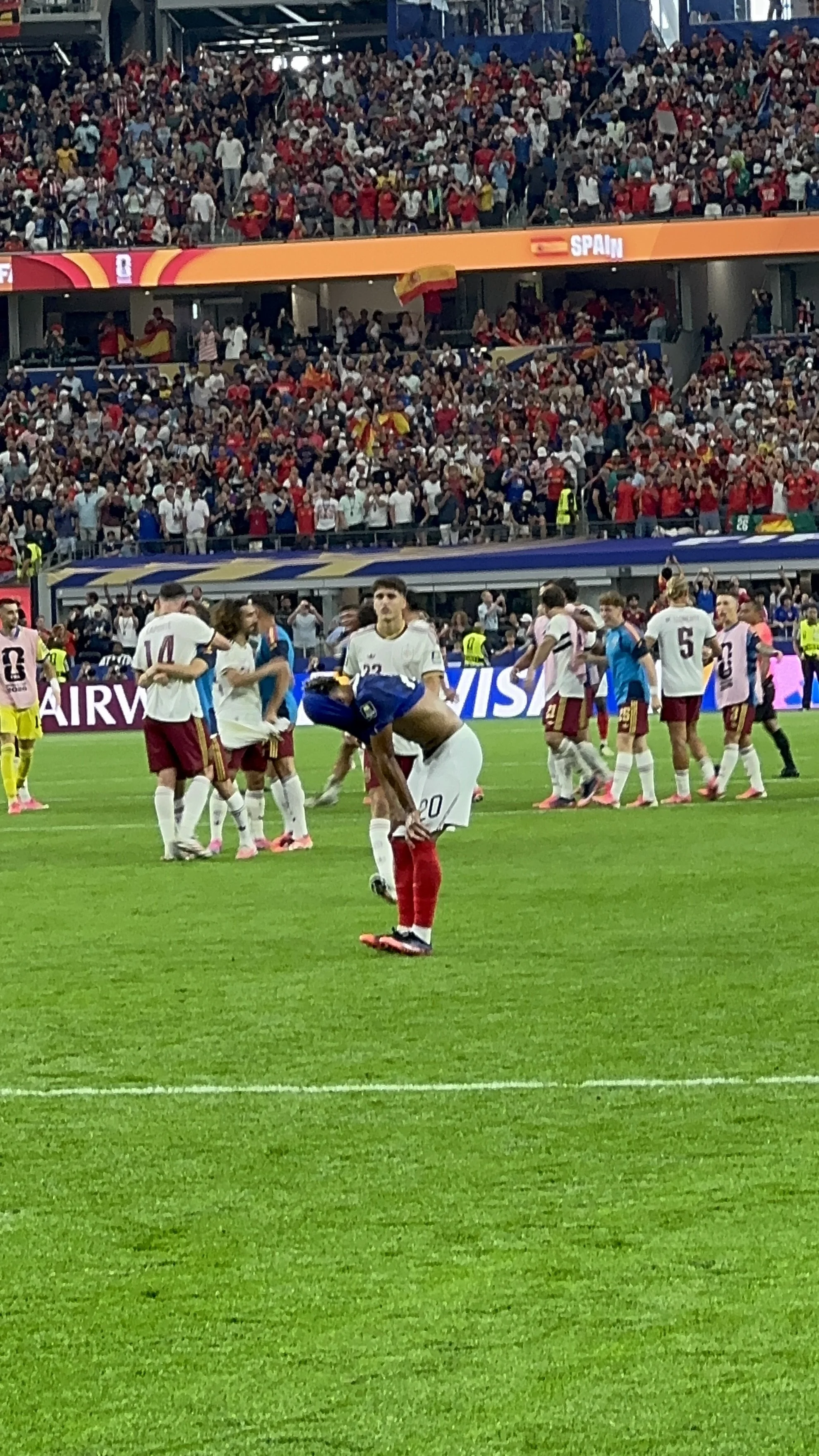
The stage could hardly be more fitting: the European champions against the South American champions. The tournament's two best teams.
Messi against Lamine Yamal—the same child Messi famously bathed during a UNICEF photoshoot 19 years ago, in one of football's most remarkable stories.
Both emerged from Barcelona's famed La Masia academy. Both became stars wearing the iconic No. 19 and No. 10 shirts at Camp Nou.
While Messi remains the undisputed face of Argentina, Yamal represents a new Spain—more diverse, multicultural, shaped by immigration, and looking toward the future.
For Yamal, this is the first World Cup Final of his career after a tournament that, by his extraordinary standards, has not been his finest.
For Messi, who has already won every major trophy in football—and secured eternal love from the Argentine people—there is nothing left to prove.
"Messi doesn't have to prove anything to us," Horacio says as the celebrations continue across Manhattan.
"We already know he's the greatest of all time. That's why there's no pressure on him in the Final."
He's right.
After lifting the World Cup in 2022, and with eight goals and four assists in this tournament, Messi has nothing left to prove. If anything, borrowing a famous line from former Israeli striker Alon Mizrahi, Messi has nothing left to prove—and somehow he keeps proving it again, every single match.
His enormous portrait waving proudly above Times Square, alongside songs that mention him, Diego Maradona, and even God, perfectly captures Argentina's spirit ahead of the biggest match of them all.
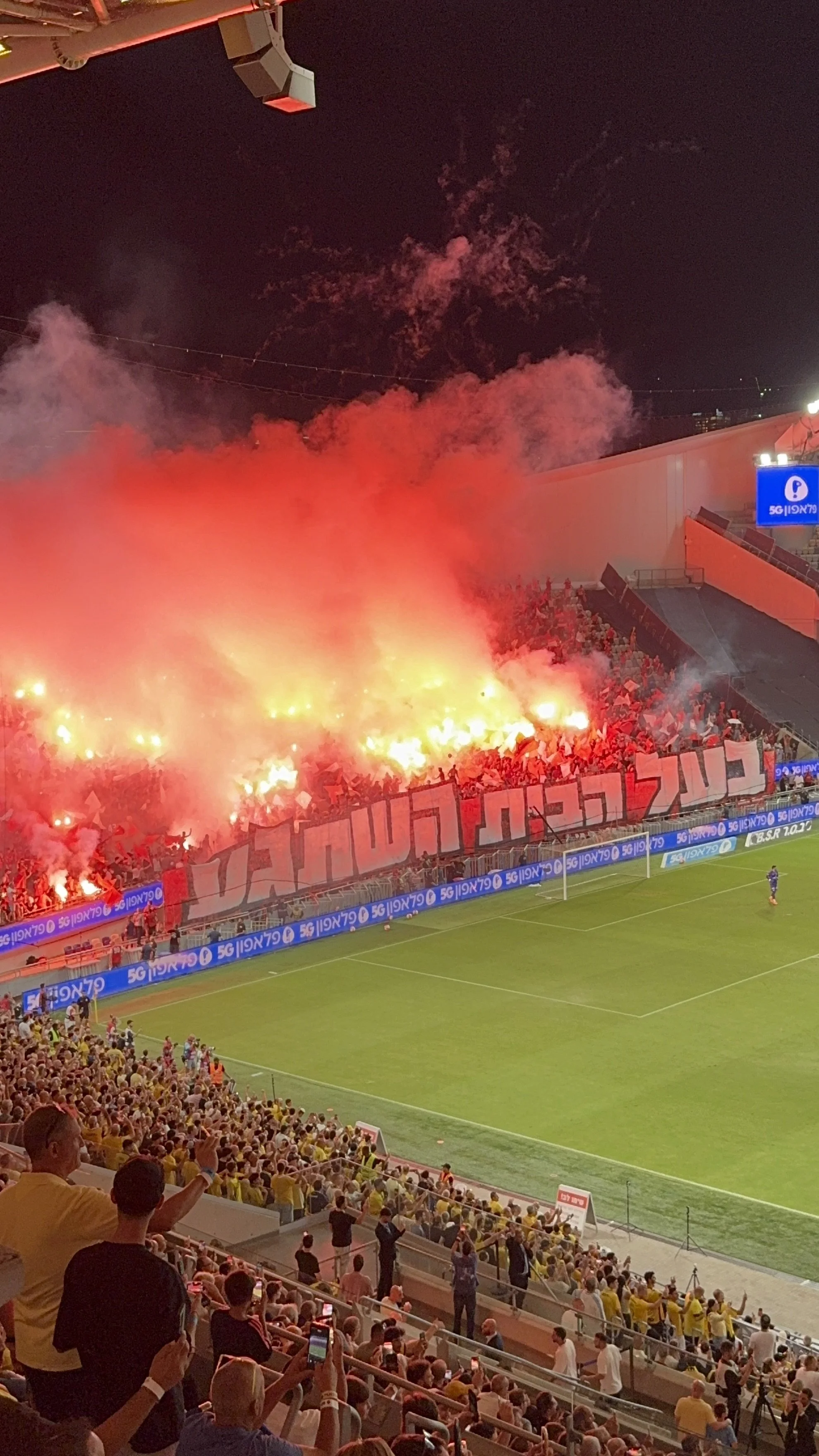





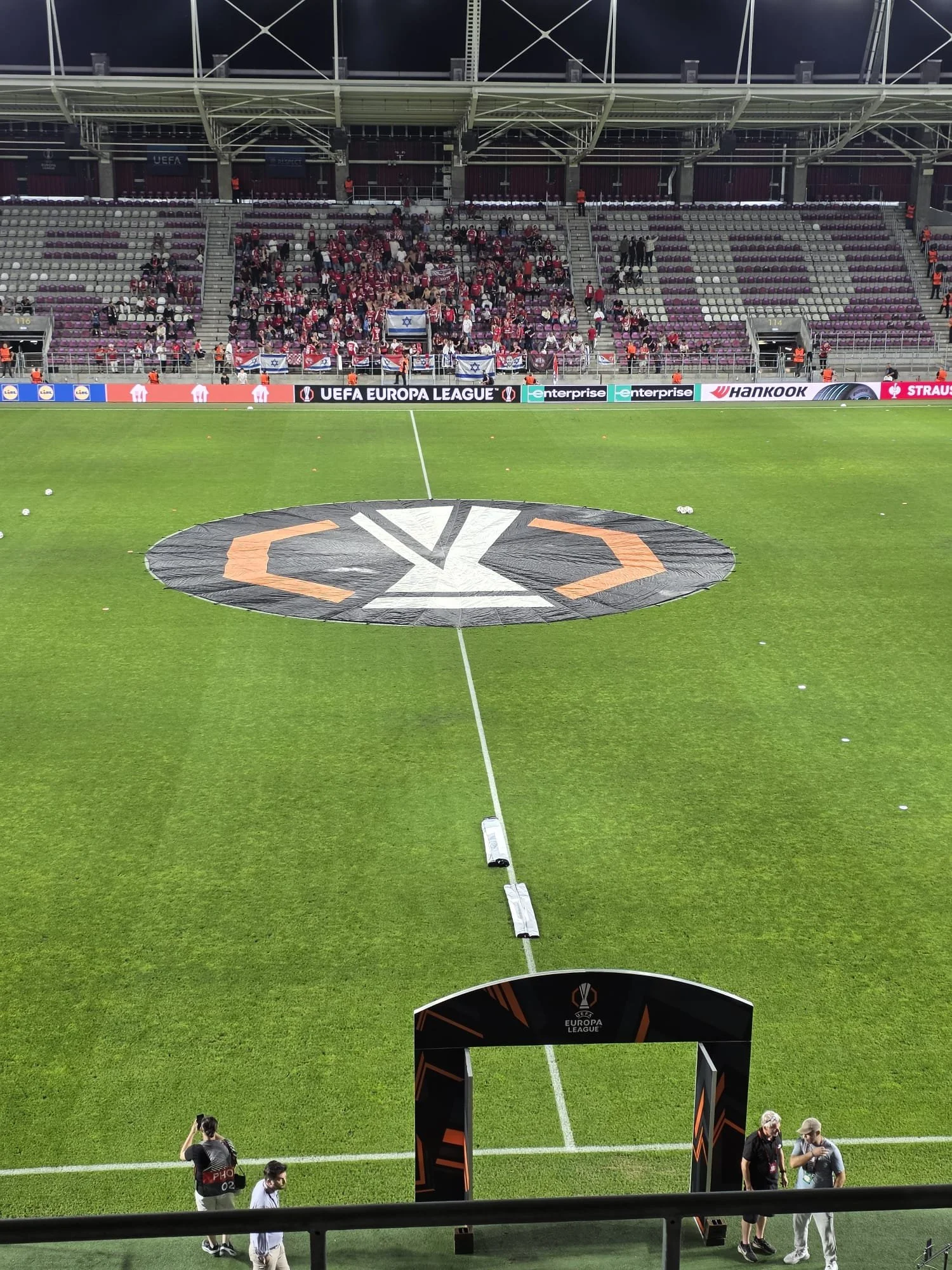
Hapoel Be'er Sheva drew 0-0 at Dinamo Zagreb to open their Europa League return, ahead of a brutal schedule and no home matches this season.