
MEXICO CITY — Anyone landing at Mexico City’s airport ahead of the 2026 World Cup is greeted by two enormous signs that no football lover can pass by indifferently.
The first is a vast mosaic of colourful flowers bearing the inscription: La Pelota Vuelve a Casa — “The Ball Comes Home.”
The second is a painted wall featuring the emblems of the three host nations, with the words: “We are Mexico City. A city with football in its heart.”
These two signs may sound like minor details, but for anyone who loves football and World Cups and has just arrived in Mexico, they serve as a reminder: remove your shoes, for the ground beneath your feet is sacred. This is a place where football runs deep in the veins, and where the connection between the beautiful game and the host of the World Cup’s opening match is felt in every corner.
Mexico City is a colossal metropolis. An endless sprawl of some 30 million people that has always been a centre of civilisation. It was the heart of the Aztec Empire — one of the great cultures of Mesoamerica, the indigenous Americas before the Spanish arrived — when it was known as Tenochtitlán. Notably, football in one of its earliest forms, a rubber ball game called Ōllamaliztli, was a tradition thousands of years old played right here in this very city by its native cultures, including the Aztecs. The city later became the centre of the Spanish Empire in the Americas, after being conquered in 1521 by Hernán Cortés, who renamed it Ciudad de México.
One of the city’s most important arteries is Avenida Tlálpan, along part of which runs an ancient aqueduct built by the Aztec king Moctezuma and later renovated, expanded, and used by the Spanish. Along the entire boulevard — kilometres upon kilometres through this vast, unending urban landscape — enormous murals cover the walls, all depicting Mexican and Latin American football stars rendered in a style that draws on Aztec and indigenous mythology. Cuauhtémoc Blanco, Diego Maradona, Pelé, Diego Forlán, Ronaldinho, and dozens more, including players from Mexico’s women’s national team.
Two days before the opening whistle, one of the most congested roads in North and Central America was further clogged by protests: workers’ organisations demanding their rights, particularly around rest hours; doctors and nurses calling attention to the sanitary conditions in hospitals; and animal rights activists demonstrating against the city’s pre-World Cup street-cleaning campaign targeting stray dogs.
Organising the biggest World Cup in history — with 48 teams spread across three countries (Mexico, the USA, and Canada) — is no simple task, and reports of glitches and irregularities have already emerged. Referees’ visas refused, players subjected to interrogations: things that did not happen at previous tournaments. So far, though, these incidents have occurred only in the United States. In Mexico, things move at a different pace — slower, quieter — and the chaotic atmosphere surrounding this World Cup has yet to fully take hold here, even if the extensive construction work around Azteca Stadium has added to the disorder.
Despite the unrest, Edgar Hernández, a driver for a large transportation company, tells BabaGol: “The protests happen and you can understand why people are out there — it always happens when the whole world is watching Mexico. But it’s a great honour for every Mexican that Azteca and Mexico are hosting the World Cup for the third time. You can’t help but feel the emotion. There’s nobody who isn’t happy about this.”
What is worrying some locals, however, is the national team itself, which has not made it past the round of sixteen in forty years — not since the last time Mexico hosted. “We don’t have one truly great star,” explains Paula Sánchez, a Mexican supporter and blogger, speaking to BabaGol. “But maybe that’s actually a good thing. We have Raúl Jiménez — he’s our face, and we trust him to lead. A lot will depend on the atmosphere inside Azteca. If the players show they’re fighting and we open with a win, everyone will be behind them. But if it ends in a draw, all those tens of thousands of fans could become a source of pressure that breaks the players.”
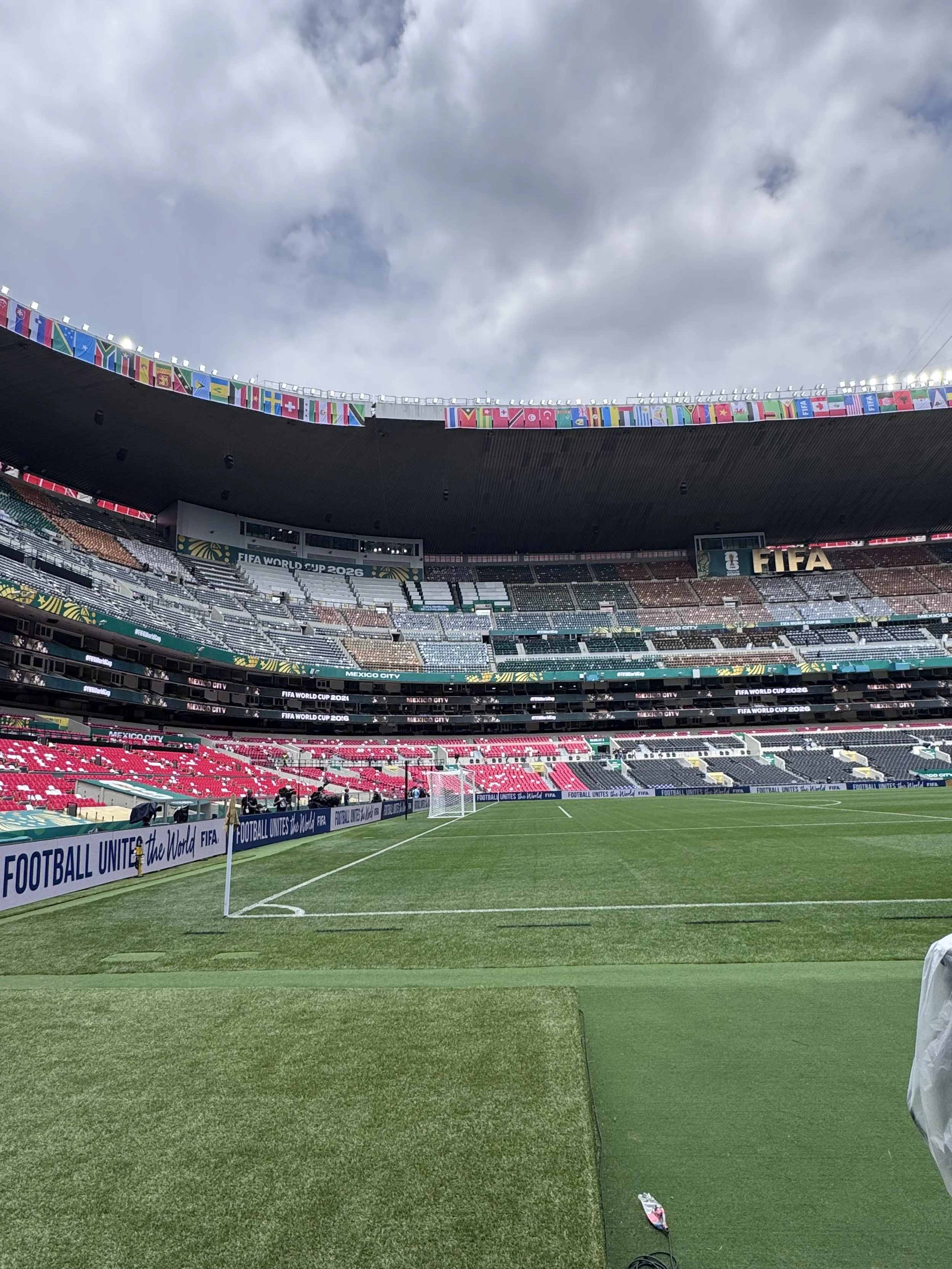
It’s a crucial point. Azteca Stadium is the historic cathedral of World Cup football. It will become the first stadium ever to host three World Cups, and its story is inseparable from the story of this city — the city that was the centre of the Aztec Empire and then the Spanish Empire, a place with temples dedicated to indigenous religions, to Christianity, and yes, to football as well.
The day before the opening match, the entire area around the stadium was packed with supporters from across the globe. “I’ve already been to six World Cups,” says “Pulpilto” Sánchez, a Colombian fan who is a familiar face on the World Cup circuit. “Coming to Mexico City feels different. It’s a dream come true. This place carries enormous significance for the World Cup,” he says, his eyes shining.
“You have to understand that much of how Mexican national identity has been constructed rests on the world knowing that a stadium of historic importance stands here,” explains Dr. Giovanni Pérez of UNAM. “In 1970, Pelé led Brazil to their third World Cup title right here in this stadium; in 1986, Maradona dribbled past all of England, touched the ball with his hand, and won a World Cup in this city that was historic and deeply symbolic for Argentina. These events have truly transformed Azteca into a temple of football, a temple of the World Cup — and they have added enormous prestige to Mexico and Mexico City, both nationally and internationally.”
After Pelé and Maradona, who will be the one to etch their name in golden letters into the history of Azteca Stadium and Mexico City before this summer is over?
We’ll find out over the coming weeks. What is certain is that a World Cup in Mexico means football and the World Cup are coming home — to a true footballing temple — and that is enough to make millions in Mexico, and around the world, genuinely moved.
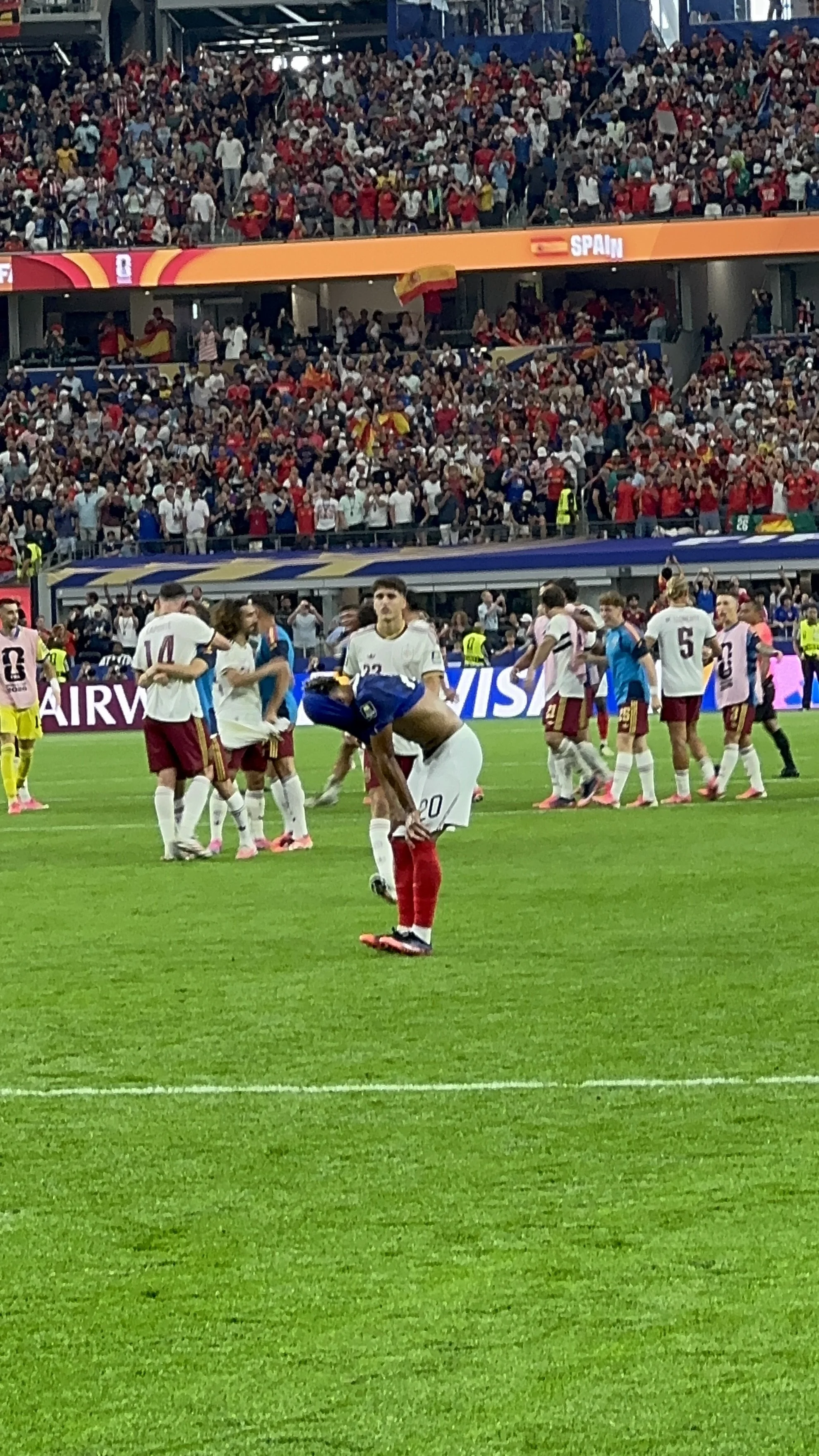
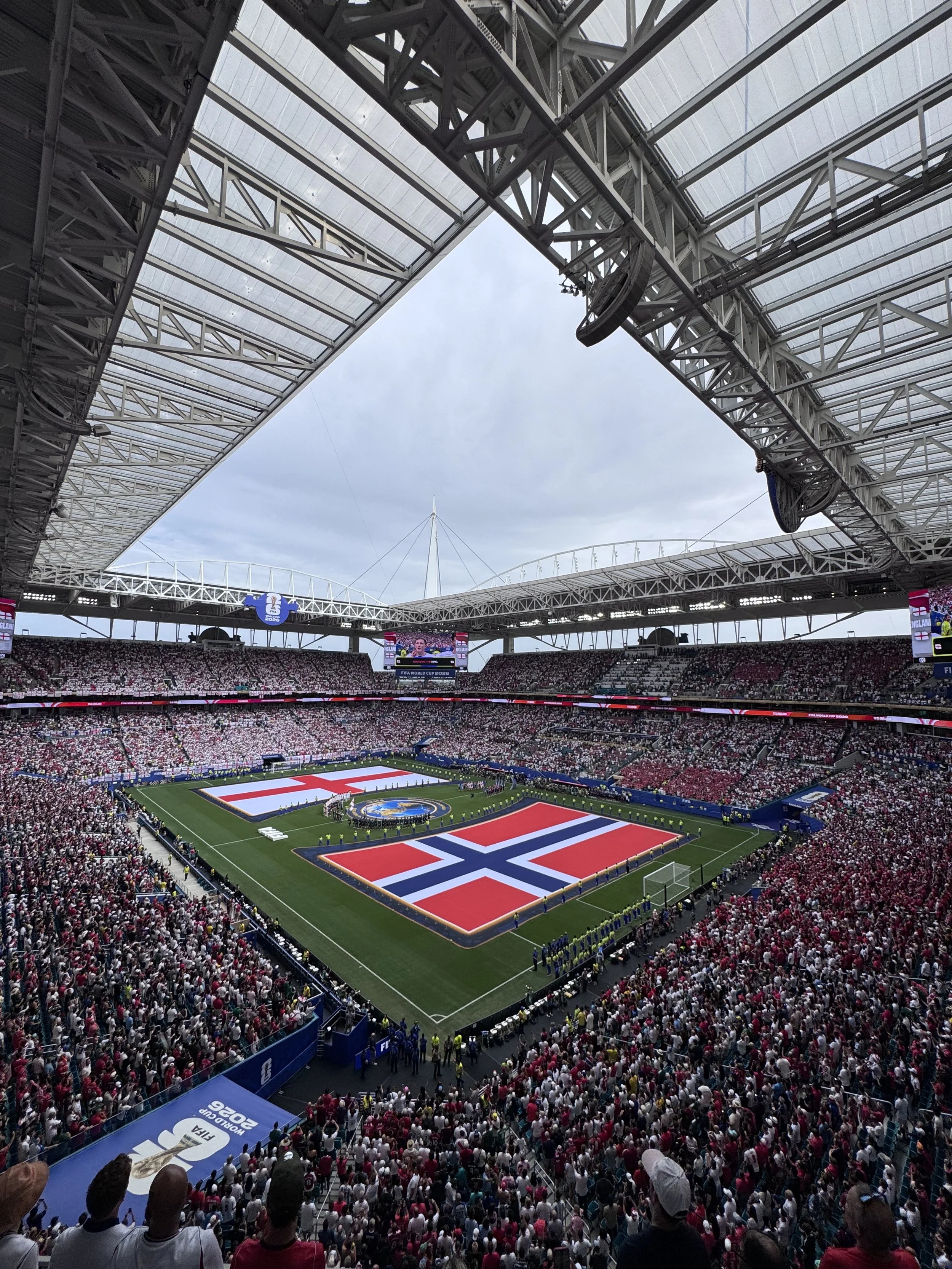

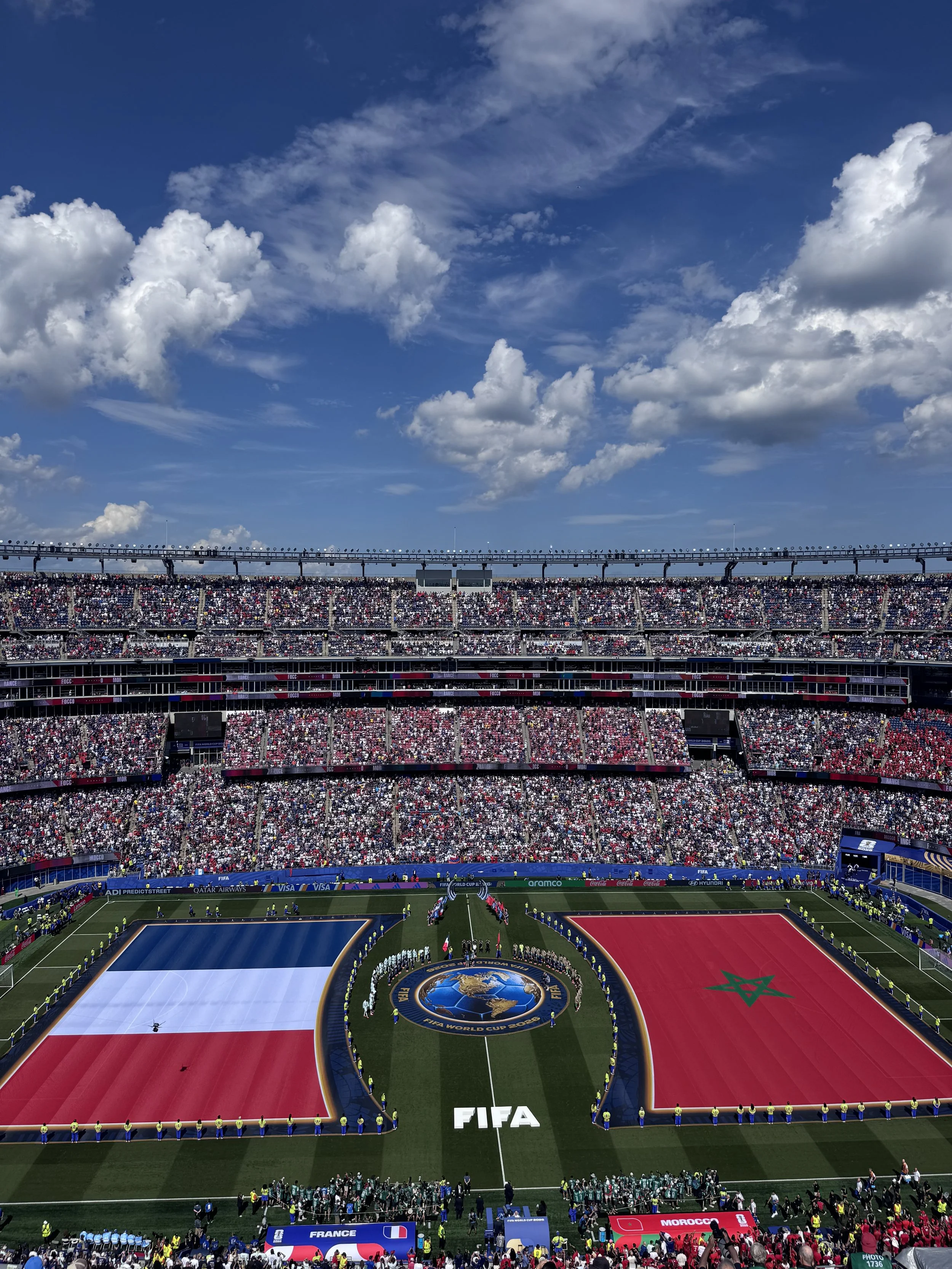












Spain defeated Argentina 1-0 in the 2026 World Cup Final, ending Lionel Messi's dream World Cup with heartbreak.