

"This was an easy decision. This time I didn't wait to see if Spain would call. Morocco's project is exciting, and I said, 'Yalla, let's go for it,'" said Real Madrid star Brahim Diaz.
The time: two weeks ago, days before the Moroccan Football Federation announced the national team squad for the upcoming international window, with Diaz included. He wasn't the only one. Around the same time, the Syrian national team announced its squad for the World Cup qualifiers this month, featuring Brighton loanee to Stuttgart, Mahmoud Dahoud.
In the ever-evolving landscape of international football, the recent surge in players switching nationalities has become a captivating narrative, reshaping the dynamics of national teams worldwide. Real Madrid's Brahim Diaz's recent decision to join Morocco's ranks and Mahmoud Dahoud's return to Syria's national team spotlight this intriguing phenomenon, where players opt to represent their ancestral homelands rather than their countries of birth.
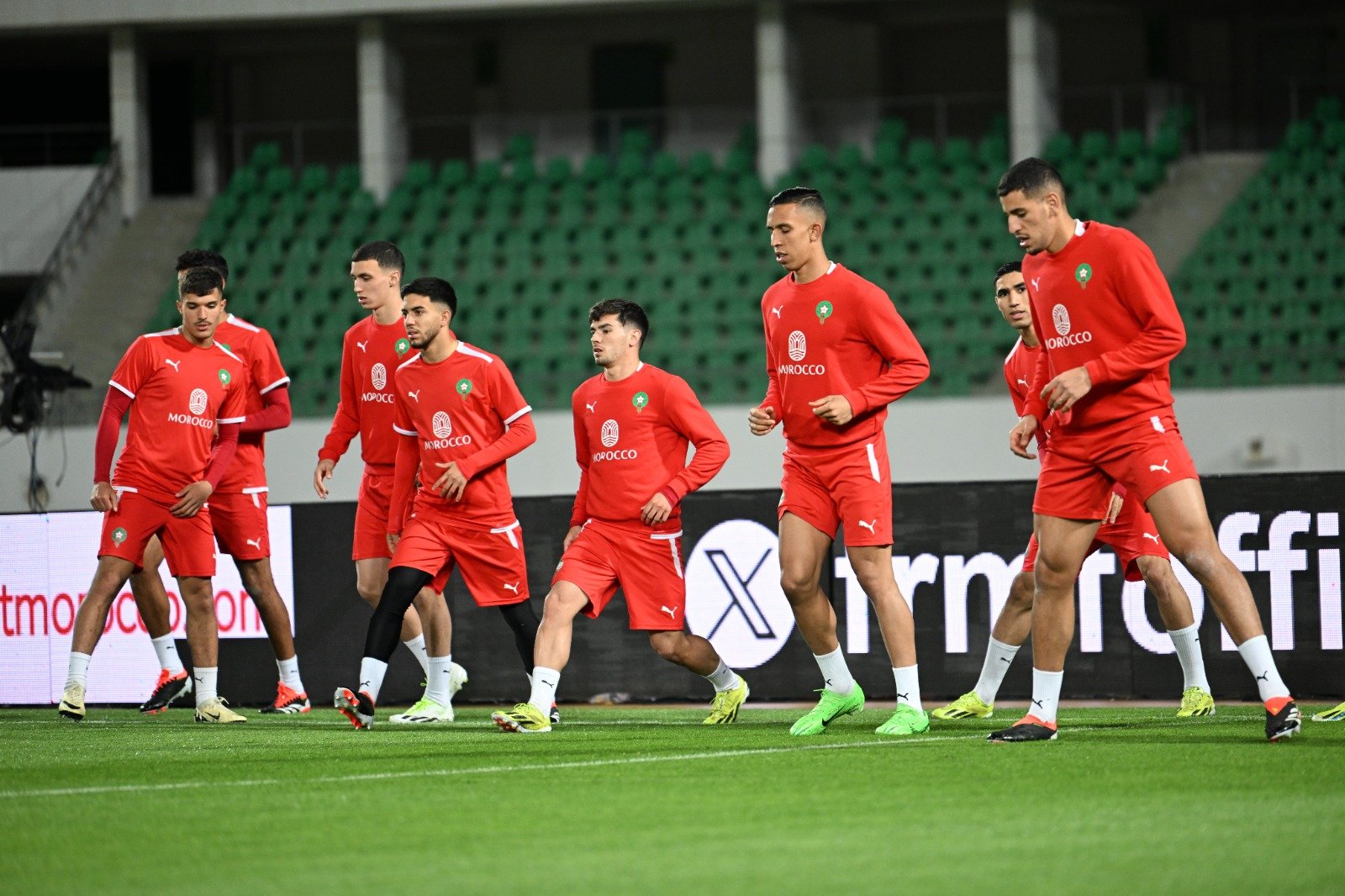
Feeling at home. Diaz, in the middle, in Morocco’s training. (Photo courtesy: Moroccan Royal Football Federation official website)
From Spain to Morocco, from Germany to Syria
Diaz's journey from the vibrant streets of Malaga to the hallowed grounds of the Bernabeu reflects a tale of determination and heritage. Despite his prowess in Spain's youth setups, the call from La Roja eluded him for three years. With a Moroccan grandfather and relentless persuasion from the Moroccan Football Federation, Diaz's allegiance shifted, underscoring the magnetic pull of ancestral roots. Diaz made his debut for Morocco in the 1-0 friendly victory against Angola on Friday.
Joining Diaz in this migration is Mahmoud Dahoud, whose return to Syria's squad adds another layer of complexity to this trend. Born in Syria but raised in Germany, Dahoud's stellar performances for Borussia Dortmund caught the eye of the Syrian national team way back. The fact he wasn’t called to the Mannschaft in the past years made the dream possible. After he moved to Brighton and Stuttgart on loan this season, Syria offered him the opportunity to reconnect with his homeland on the football pitch. And here he is - preparing to play against Myanmar in the World Cup qualifiers.
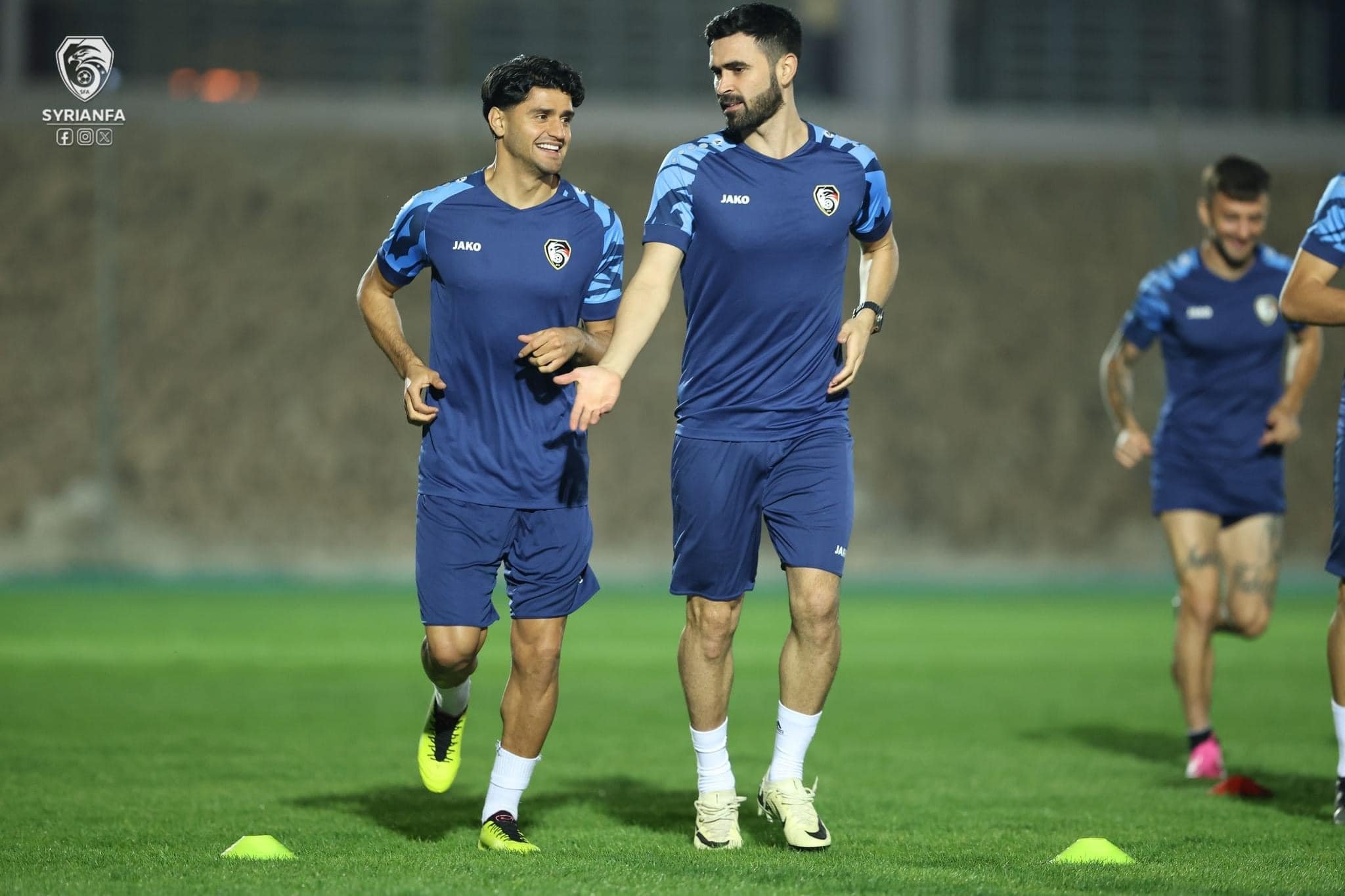
Mahmoud Dahoud’s debut training with Syria and Omar Khribin ahead of the 2026 World Cup qualifier against Myanmar. (Photo courtesy: Syrian football association official website)
But the phenomenon doesn't stop there. David Akologo's dual call-up by Bolivia and Ghana epitomizes the unpredictability of this trend, where players navigate complex paths to find their international footing. He chose Bolivia in the end. From the shores of Africa to the heart of Asia, players are redefining national team rosters, injecting newfound vigour and diversity into the beautiful game.
🇬🇭 David Akologo, who was recently called up to the 🇧🇴 Bolivia national team, has now been called up to the Black Stars.
— Owuraku Ampofo (@_owurakuampofo) March 17, 2024
He now has a huge decision to make. pic.twitter.com/mn3prmafec
In the previous Africa Cup of Nations, out of approximately 630 players, 200 were not born in Africa, and about 300 were raised in European footballing nations. 104 players grew up in France, 24 in Spain, and fifteen in England. Many developed in European youth national teams and, if not called up to the senior teams, switched to represent their families' countries of origin.
The Asian Cup this year was also intriguing in terms of diaspora players. A less significant number compared to the AFCON, but a record number of such "naturalized" players (95), about 15% of all players in the tournament. Iraq had 13 players, Lebanon had 12, Syria had eight, and even Palestine had seven players, some of whom are from Spain, Sweden, and Chile. This helped the Palestinians make history and qualify for the tournament's round of 16 for the first time. Beyond the opportunity to play in an international tournament, players become beloved stars, as they never would’ve been in the countries where they were born.
FIFA regulations encourage change
Behind this seismic shift lies a blend of FIFA regulations and strategic scouting, where players are meticulously sought based on lineage, residency, and untapped potential. The promise of regular playing time, elevated status, and even lucrative business opportunities often entices players to embrace their roots and forge new allegiances.
In a world where football transcends borders, this trend serves as a testament to football's global appeal. Football becomes a conduit for cultural exchange and national pride as nations vie for talent to bolster their ranks. Whether it's Kalidou Koulibaly's journey from France to Senegal or Emilio Insua's switch from Spain to Equatorial Guinea, players are rewriting their international narratives, embracing their heritage, and captivating audiences worldwide.
As the footballing landscape continues to evolve, one thing remains clear: the allure of representing one's ancestral homeland resonates deeply with players, fans, and nations alike. In this era of nationality switching, the beautiful game transcends boundaries, uniting players and nations in pursuit of footballing glory.
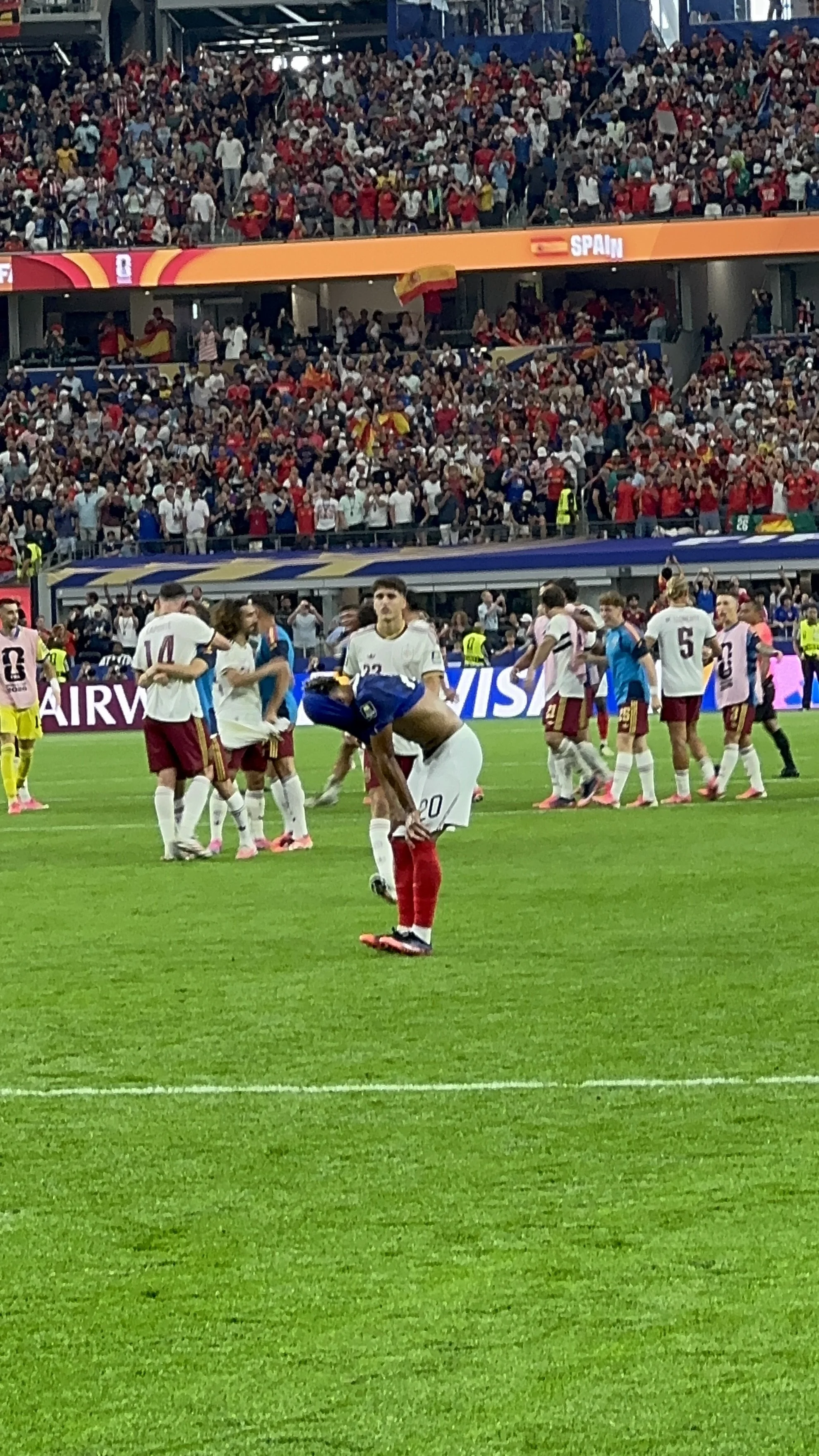
Spain were ruthless in Dallas as Oyarzabal and Dani Olmo starred, leaving France's Bastille Day to end in deep disappointment for Deschamps.
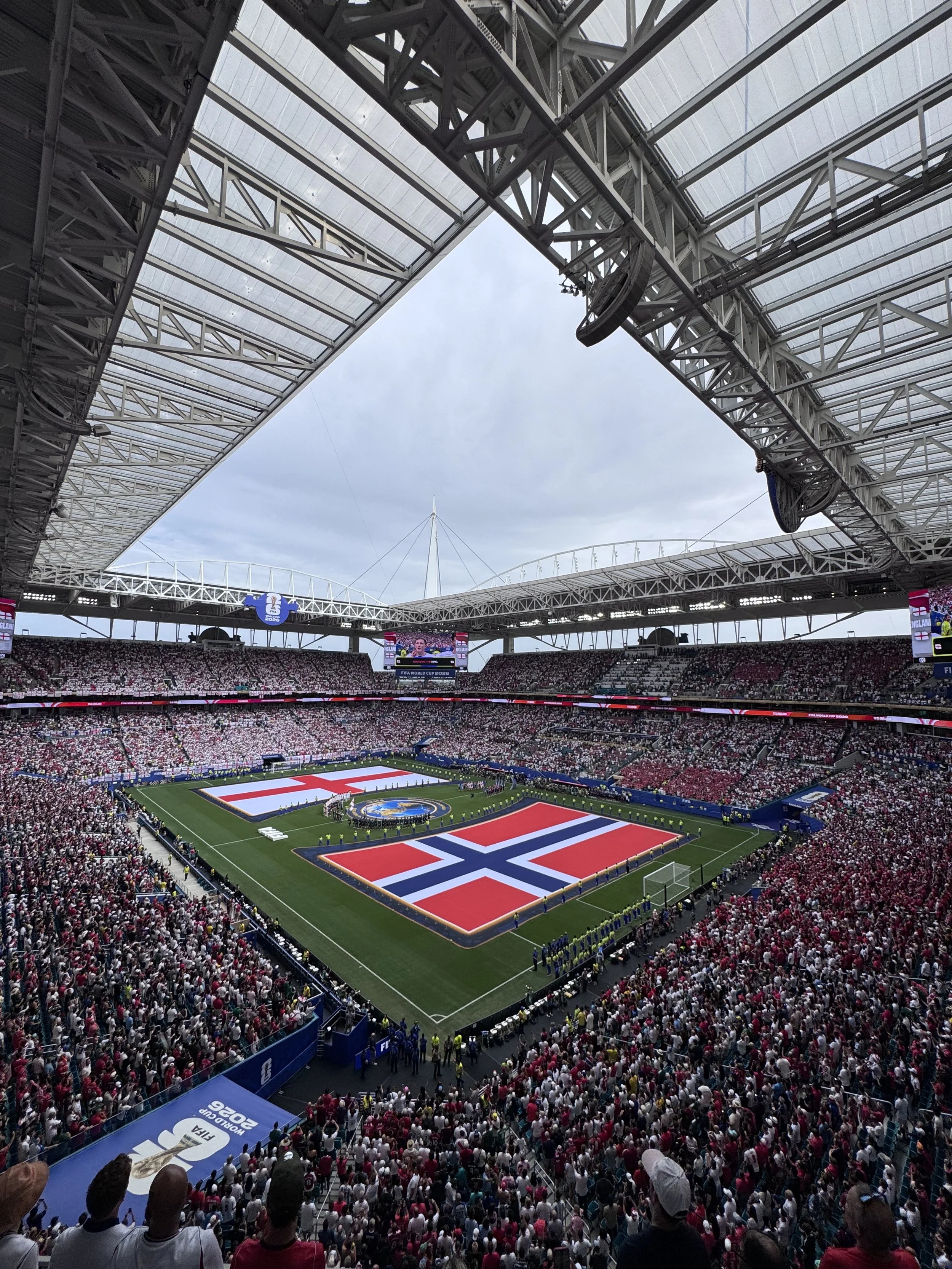
Norway outplayed England for most of a sweltering Miami classic, but two Bellingham strikes in extra time sent the Three Lions to the semis.
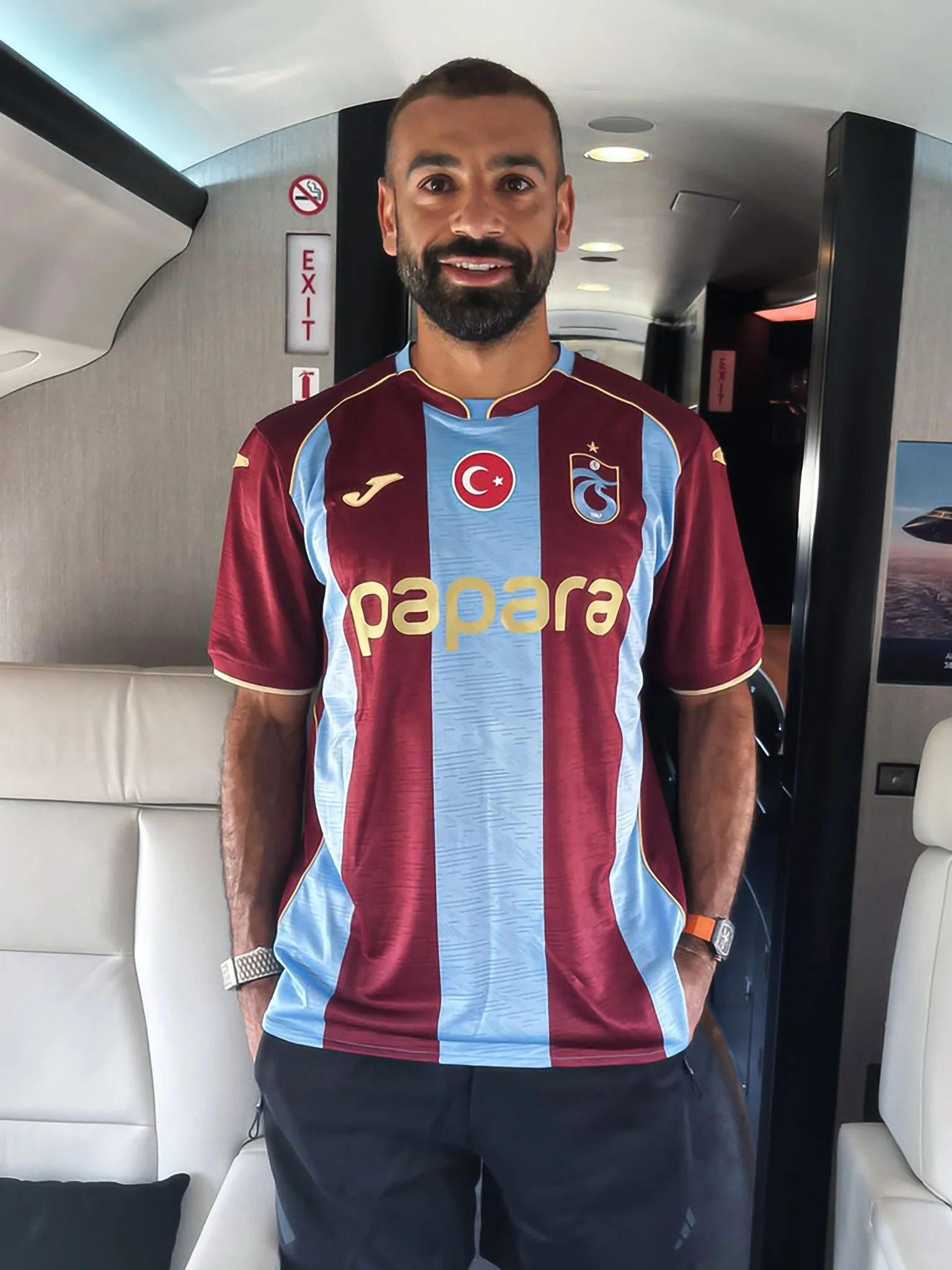
After nine years at Liverpool, Salah left for Trabzonspor — the money, the family, and the love of being the underdog all played their part.
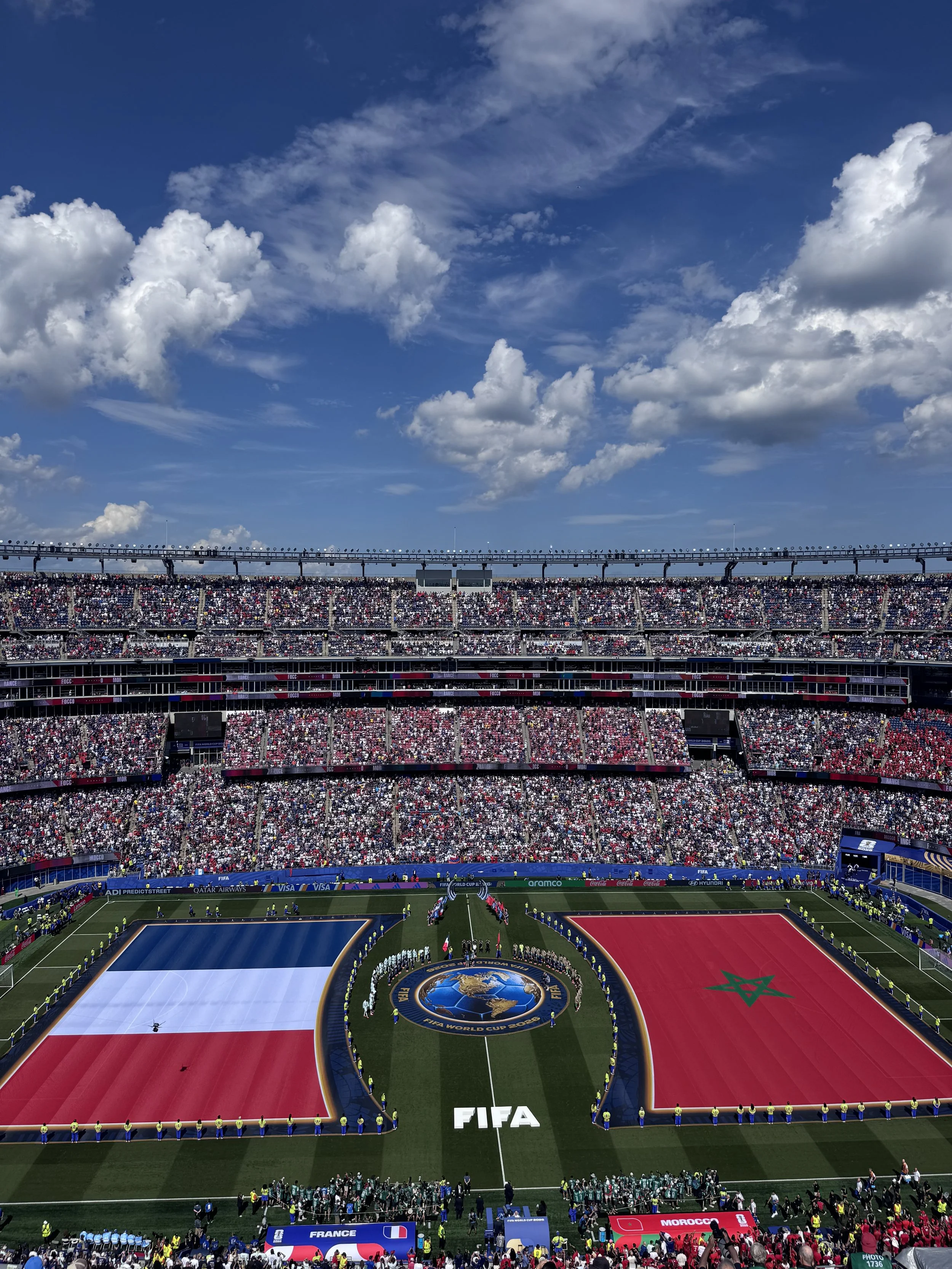
Ayoub Bouaddi chose Morocco over France at 18 and lit up a quarter-final about colonial history, dual identity, and what it means to belong.
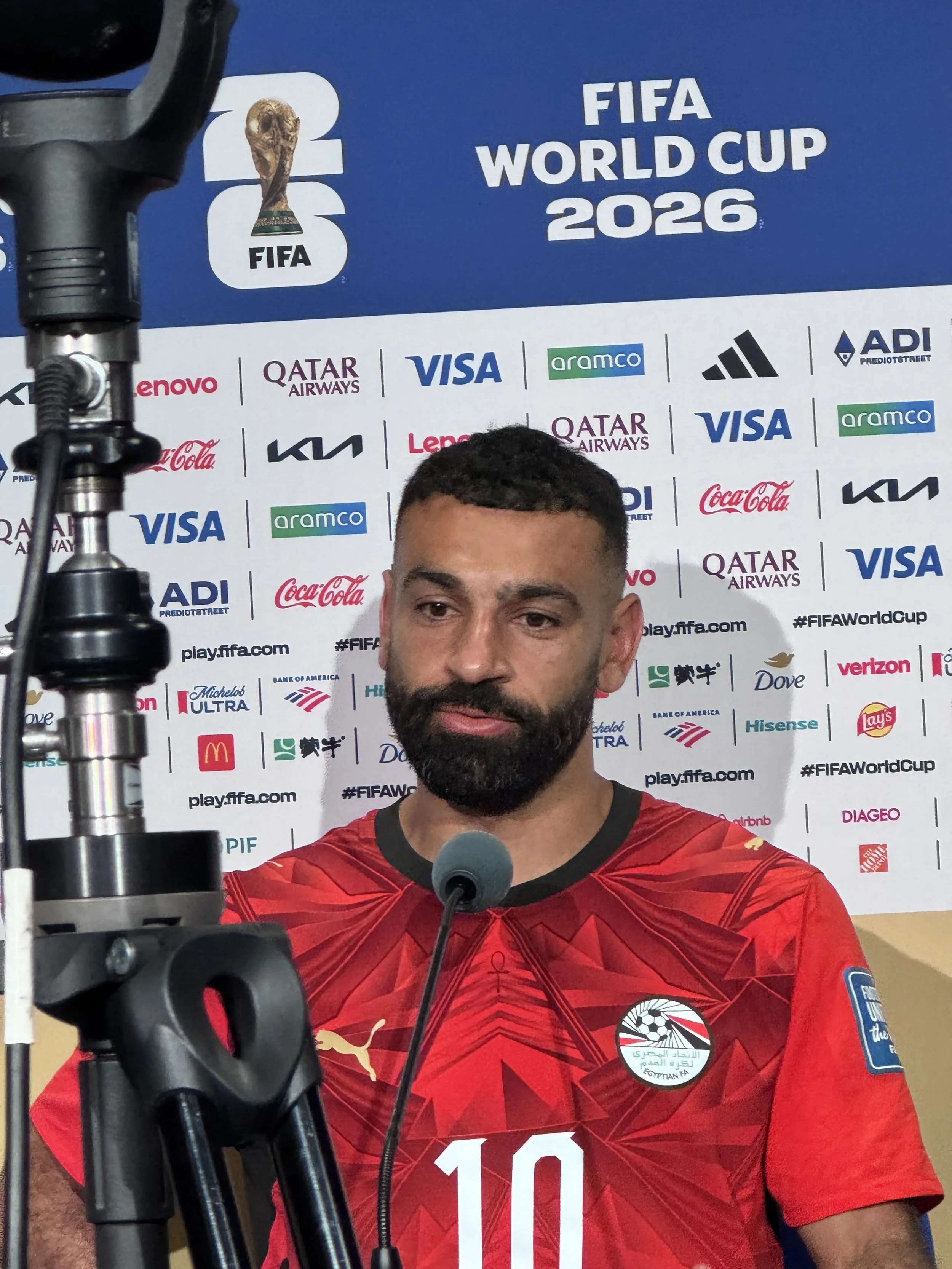
Egypt beat Australia on penalties in Dallas to reach the last 16 for the first time, with Salah's Panenka the highlight of a historic night.
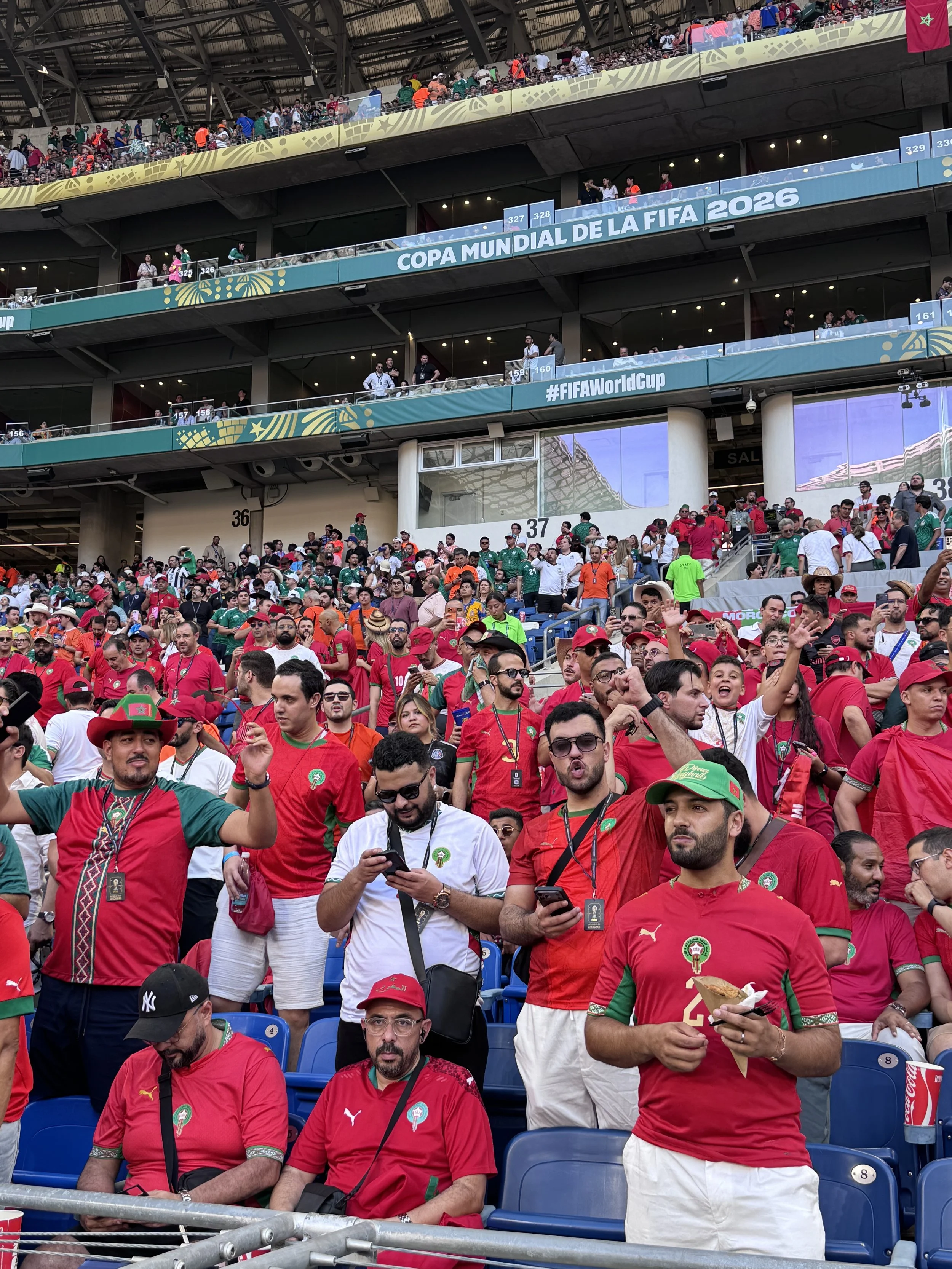
Diop headed Morocco level in the 91st minute and Saibari slotted the winner in the shootout as Morocco reached the World Cup quarter-finals.
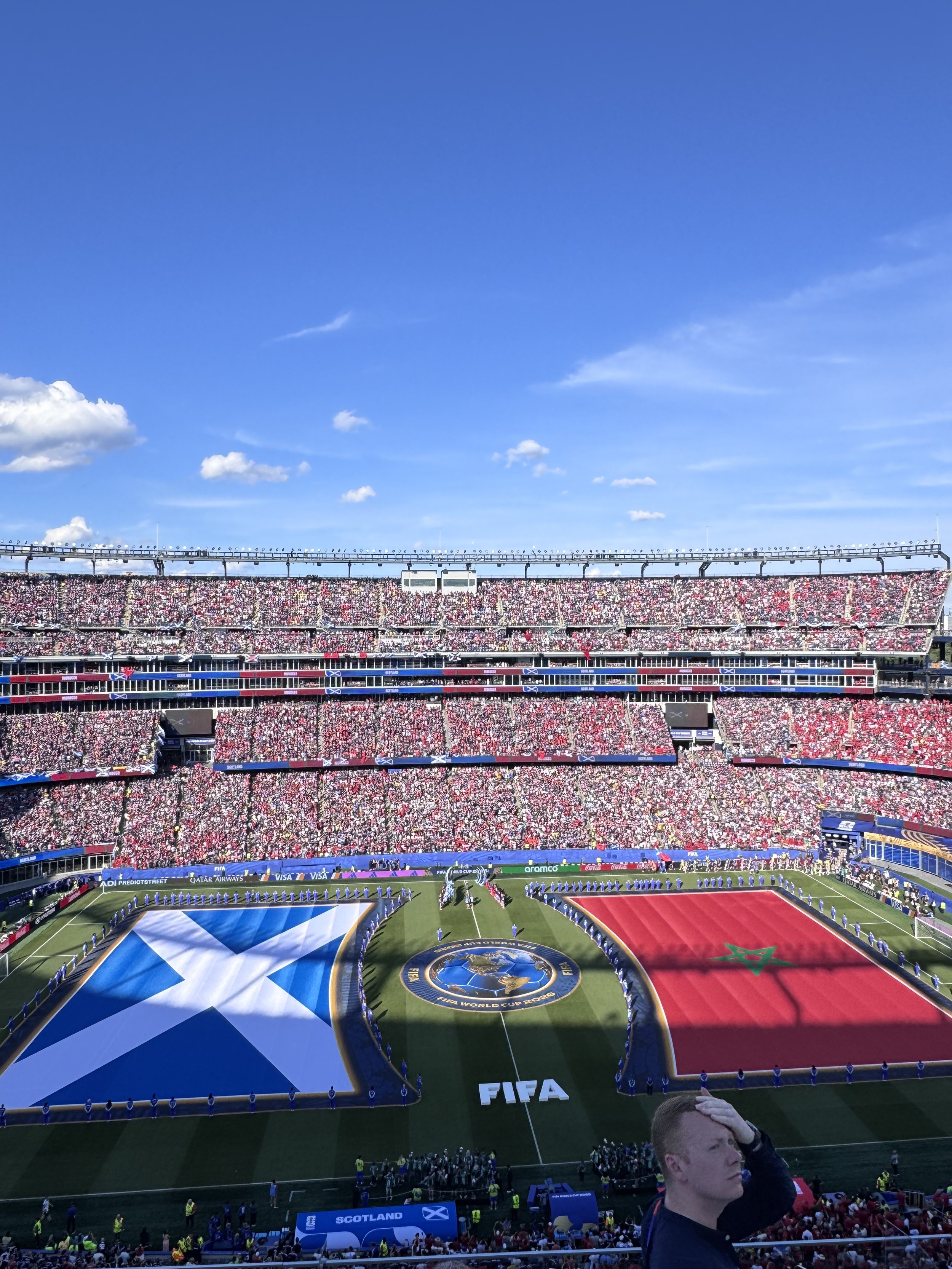
Saibari scored inside two minutes as Morocco beat Scotland 1-0 in Boston, leaving the Scots on the very brink of 2026 World Cup elimination.
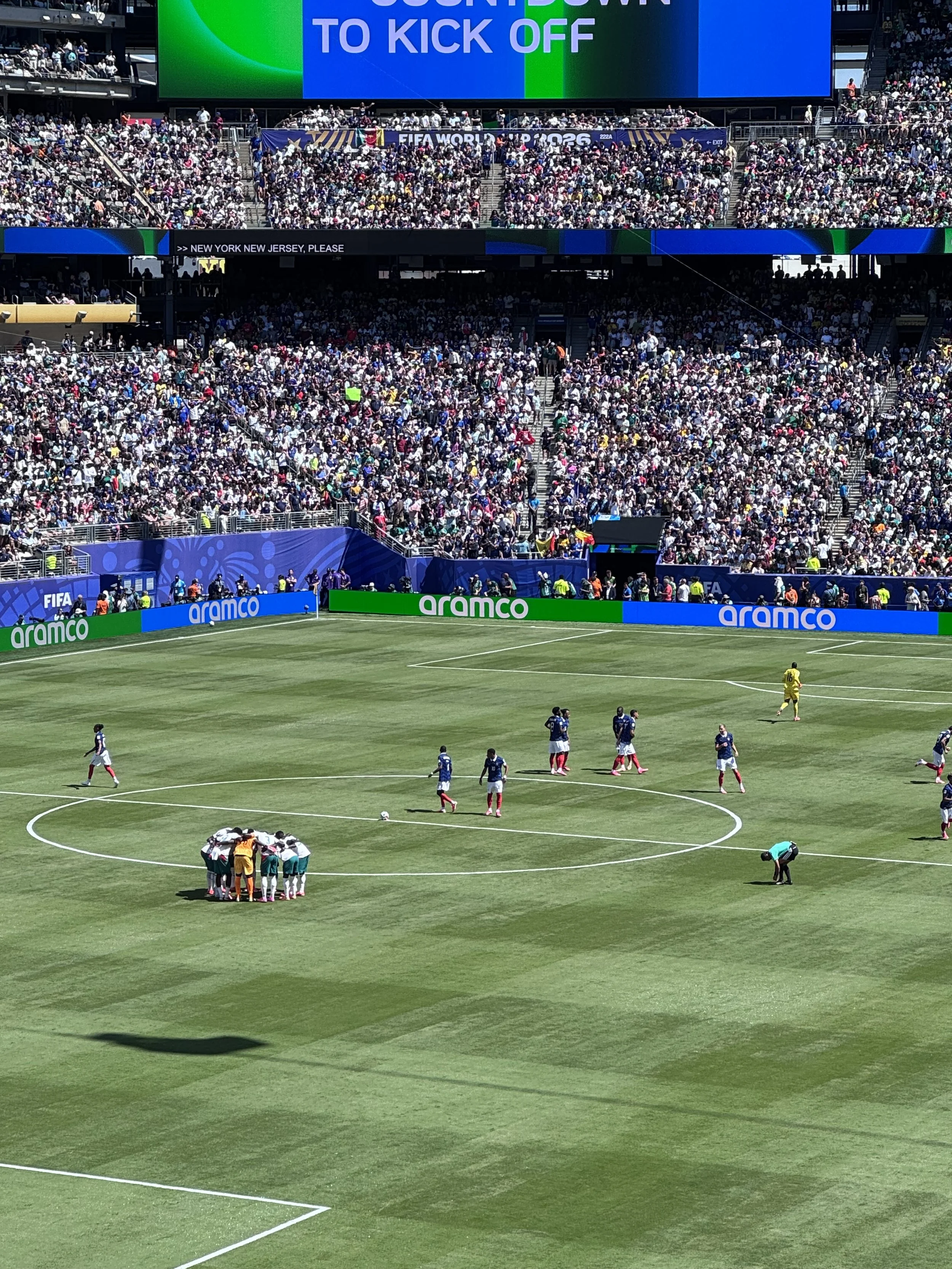
Senegal relived their legendary 2002 magic for an hour, but Kylian Mbappe struck twice to sink them and seal France's 3-1 win in New Jersey.
CAF shocks African football by stripping Senegal’s title and awarding Morocco the AFCON crown after a chaotic final decision.
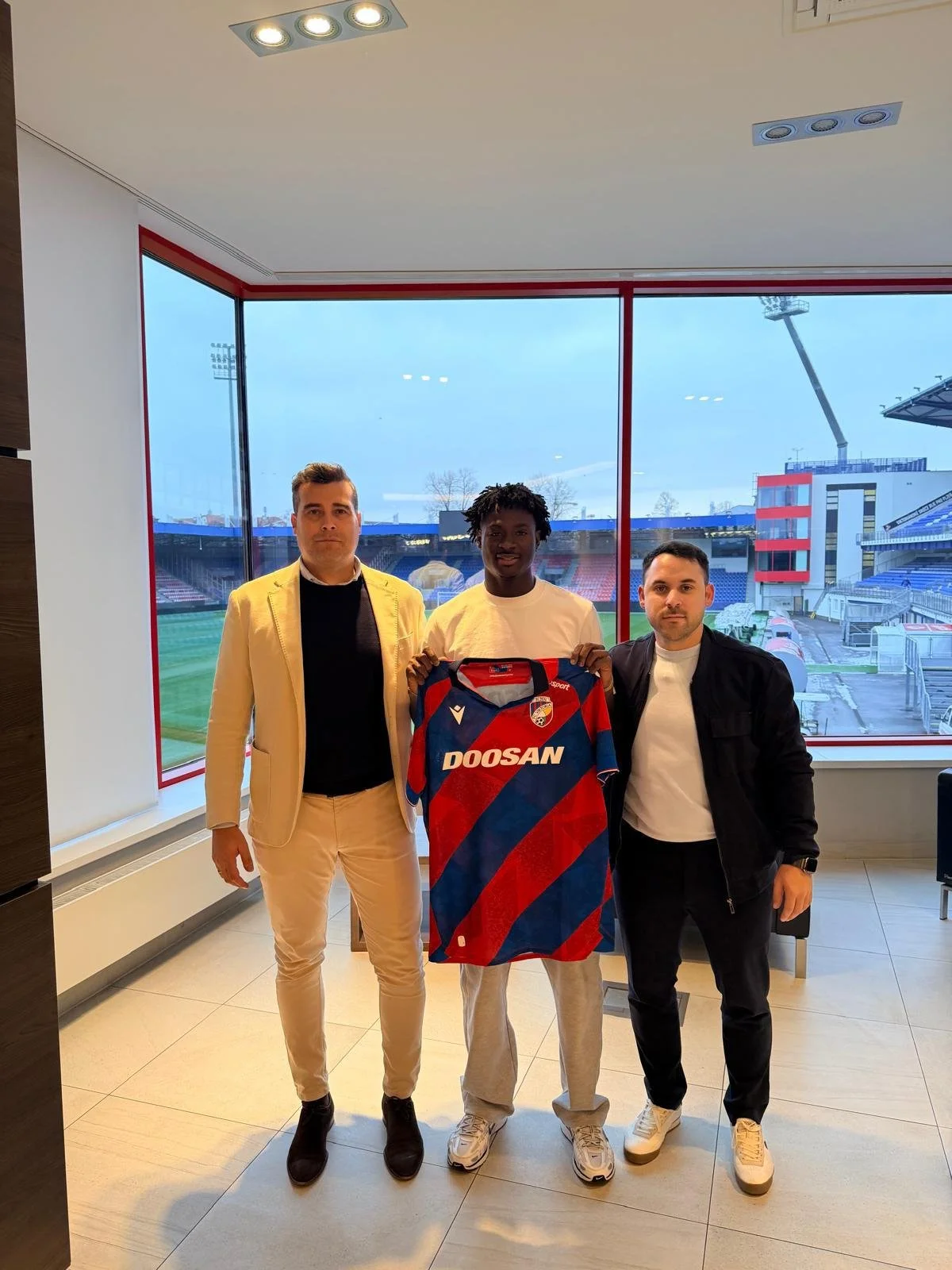
From Nigeria’s Mavlon academy to Viktoria Plzeň and the Europa League dream: Salim Fago’s journey is just beginning in Europe.
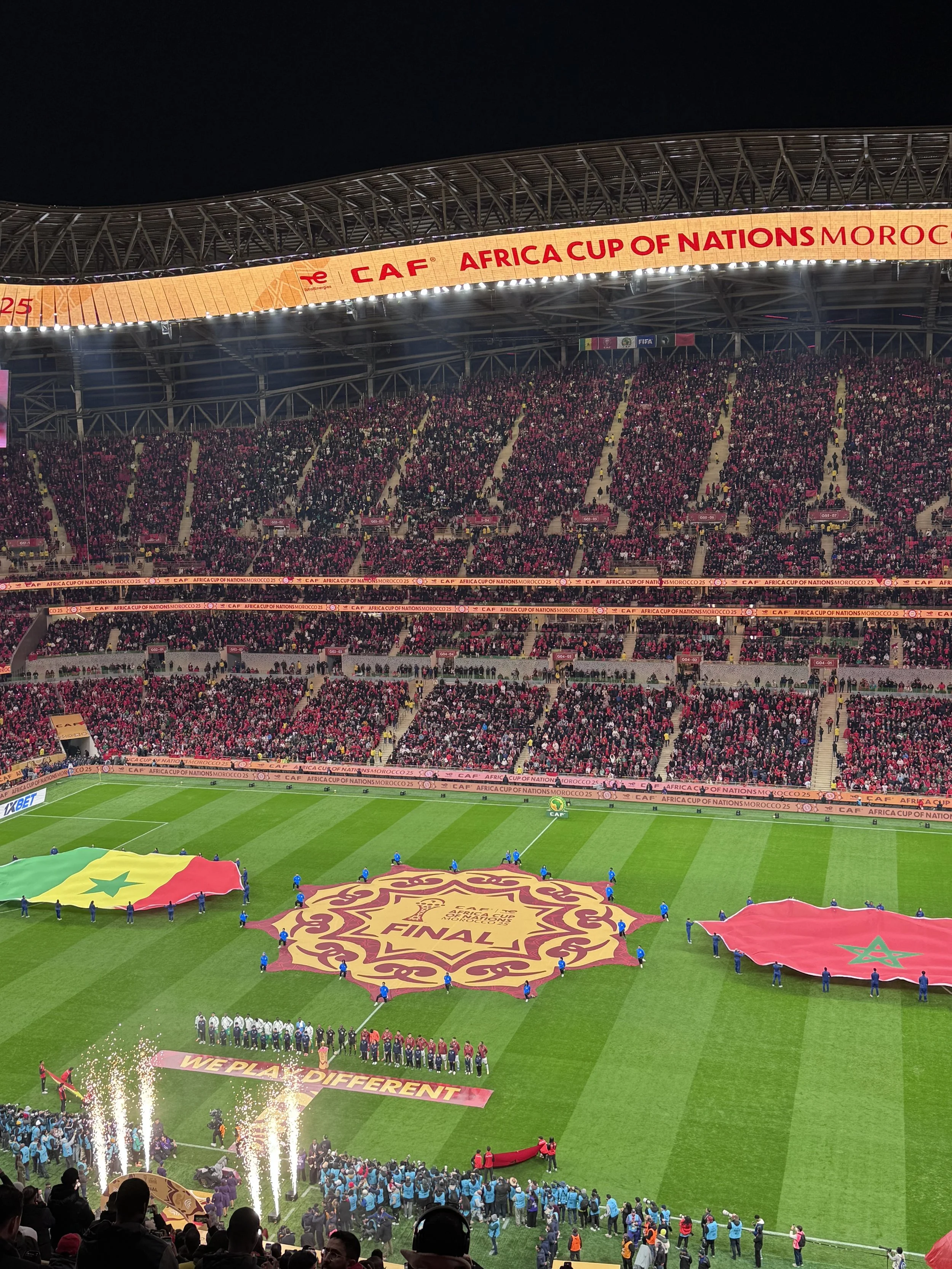
A Hitchcock-style AFCON final in Rabat saw chaos, controversy and brilliance as Senegal stunned Morocco to claim their second African title.
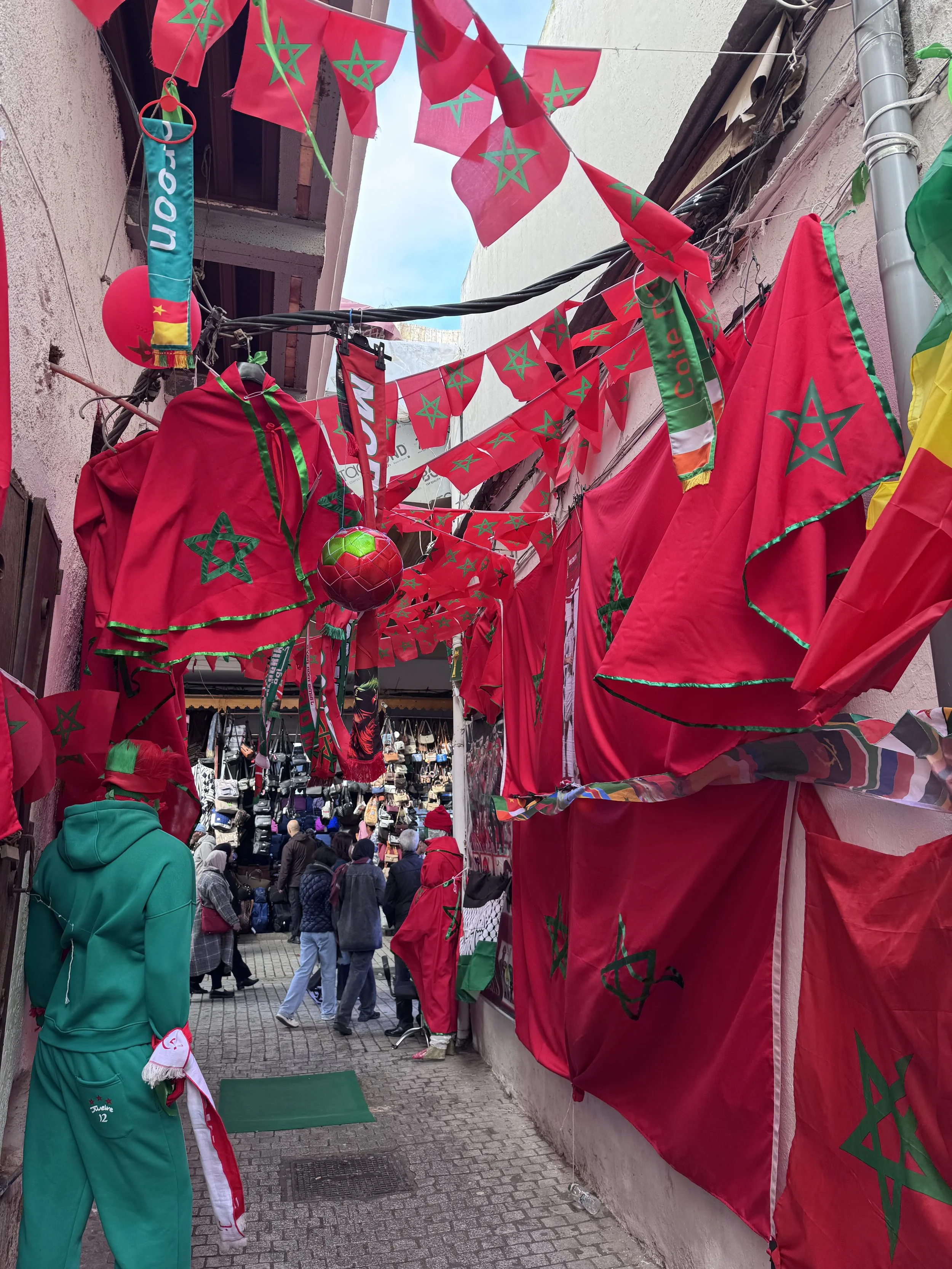
From libraries to stadiums, Morocco lives football. As AFCON 2025 nears its climax, passion, politics, and ambition collide nationwide.
For the first time since Oct. 7, 2023, Palestinian club football returns this weekend as 226 teams compete across three war-scarred regions.
Egypt beat Australia on penalties in Dallas to reach the last 16 for the first time, with Salah's Panenka the highlight of a historic night.
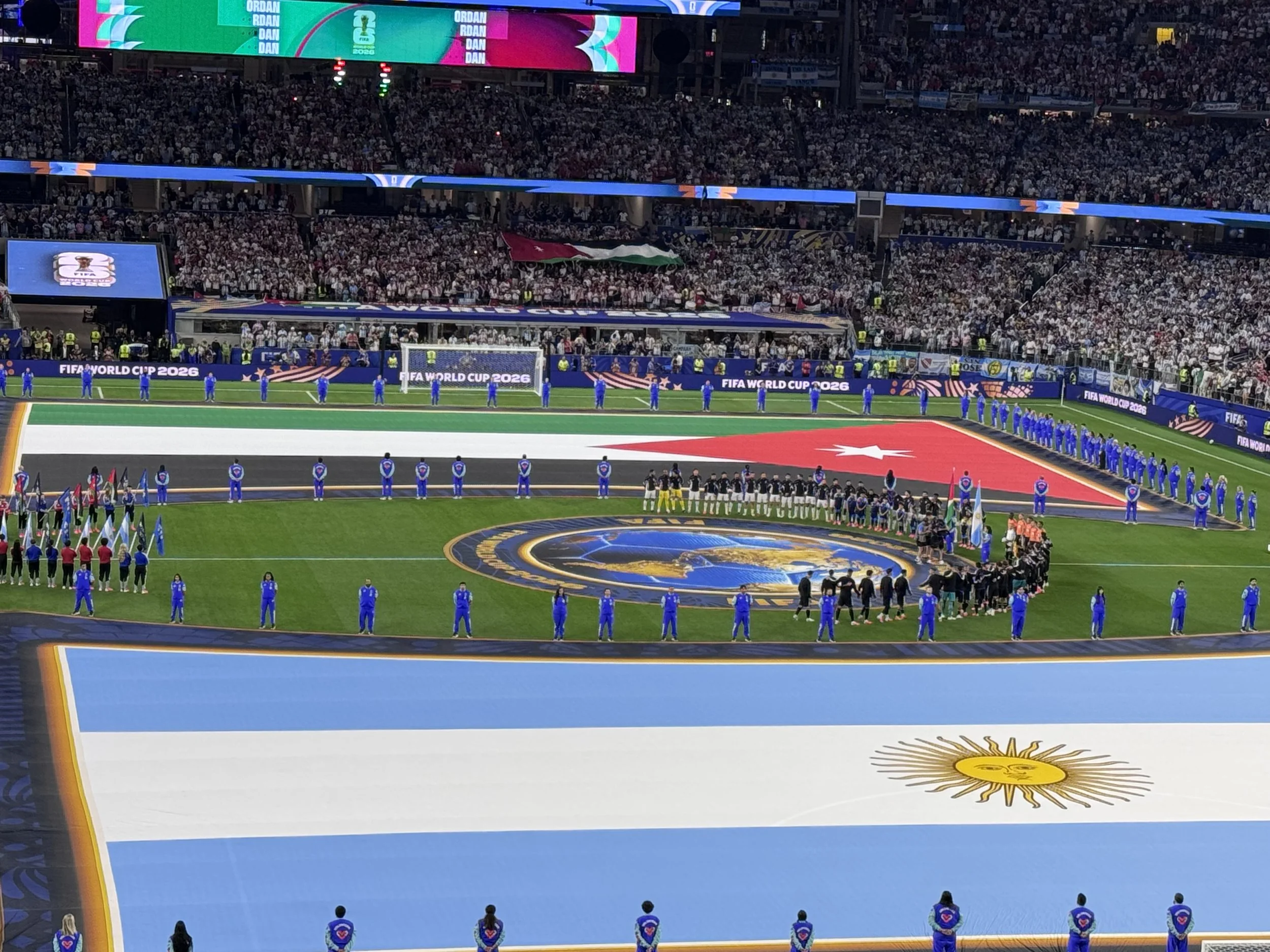
Messi and the Jordanian Messi both scored as Argentina beat Jordan 3-1 in Arlington, with records broken and keffiyehs flying in the stands.
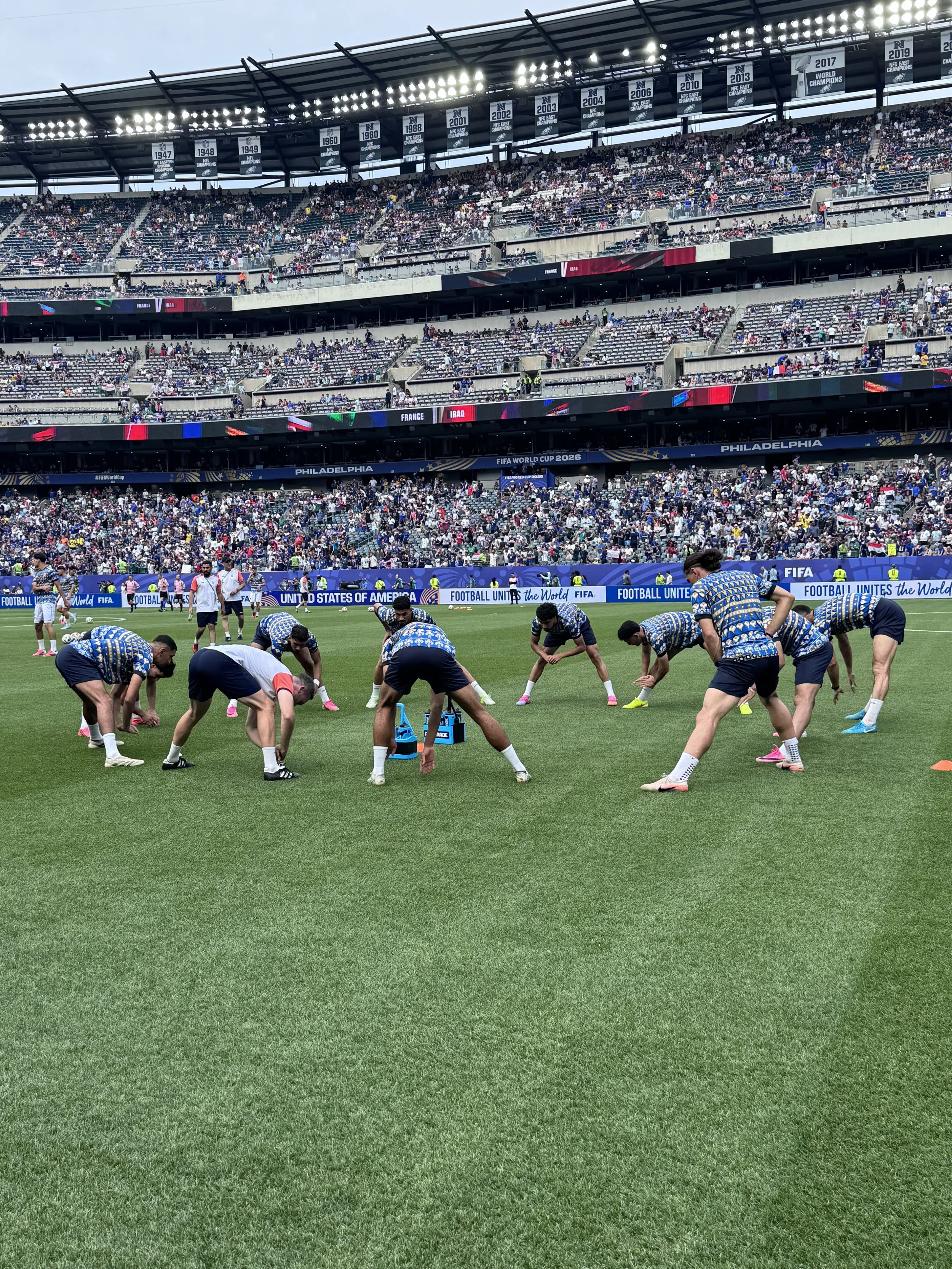
France beat Iraq 3-0 in Philadelphia, but the two-hour lightning delay stole the show, making it officially the longest World Cup game ever.

With tensions easing, Iran’s 2026 World Cup participation remains uncertain, as FIFA, politics, and regional dynamics collide.
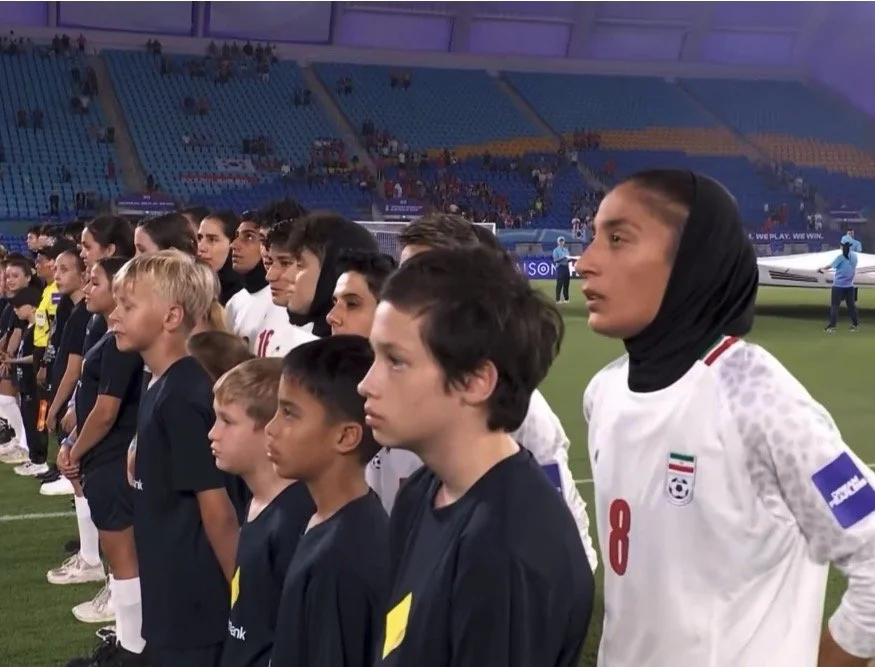
From silent protests to daring escapes, Iran’s women footballers turned a tournament into a global story of courage, politics, and survival.

Iran’s women’s team protested, faced threats, and signaled SOS in Australia—now their fate is uncertain amid calls for asylum.
From Benzema’s shock move to Ronaldo’s protest, a chain reaction in Saudi football is shaking the entire project and the global game.
As protests spread across Iran, footballers are turning goals, silence and visibility into acts of resistance and solidarity with the people.

A dramatic 107th-minute penalty sends Iraq to the intercontinental playoff—now just one game from a first World Cup since 1986.
For the first time since Oct. 7, 2023, Palestinian club football returns this weekend as 226 teams compete across three war-scarred regions.
After nine years at Liverpool, Salah left for Trabzonspor — the money, the family, and the love of being the underdog all played their part.

Egypt pushed Argentina to the limit in a 3-2 World Cup thriller, but left the pitch furious at the referee and convinced justice was denied.
Ayoub Bouaddi chose Morocco over France at 18 and lit up a quarter-final about colonial history, dual identity, and what it means to belong.
Egypt beat Australia on penalties in Dallas to reach the last 16 for the first time, with Salah's Panenka the highlight of a historic night.
Diop headed Morocco level in the 91st minute and Saibari slotted the winner in the shootout as Morocco reached the World Cup quarter-finals.
Messi and the Jordanian Messi both scored as Argentina beat Jordan 3-1 in Arlington, with records broken and keffiyehs flying in the stands.
France beat Iraq 3-0 in Philadelphia, but the two-hour lightning delay stole the show, making it officially the longest World Cup game ever.
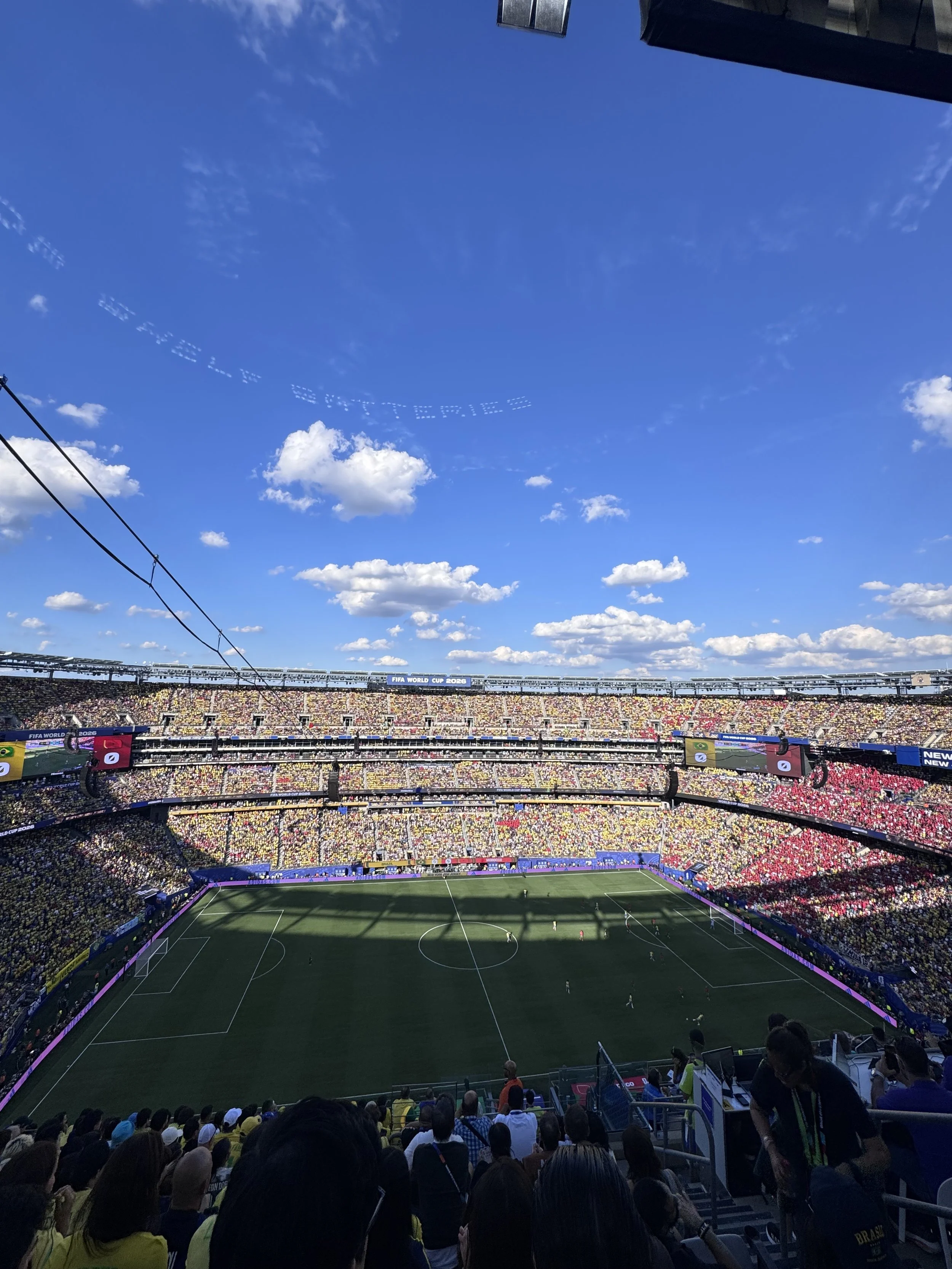
Qatar stole a last-gasp draw from Switzerland and Morocco held Brazil 1-1 — two results that announced Arab football’s full arrival at 2026.
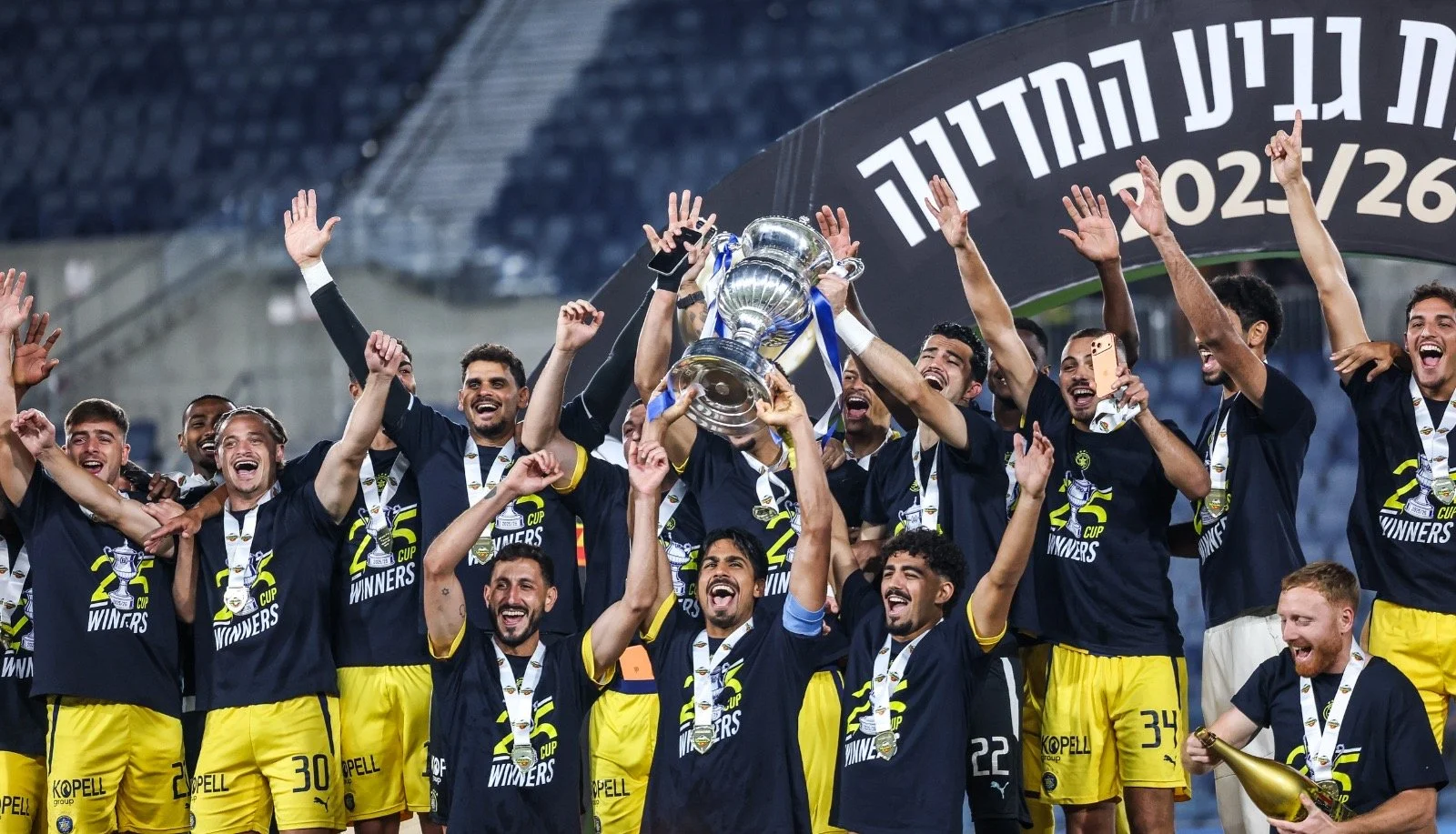
Maccabi Tel Aviv edge Hapoel Be'er Sheva 2–1 in a dramatic Israeli Cup Final at Teddy Stadium, denying the champions a historic Double.
With tensions easing, Iran’s 2026 World Cup participation remains uncertain, as FIFA, politics, and regional dynamics collide.
CAF shocks African football by stripping Senegal’s title and awarding Morocco the AFCON crown after a chaotic final decision.
From silent protests to daring escapes, Iran’s women footballers turned a tournament into a global story of courage, politics, and survival.
Iran’s women’s team protested, faced threats, and signaled SOS in Australia—now their fate is uncertain amid calls for asylum.
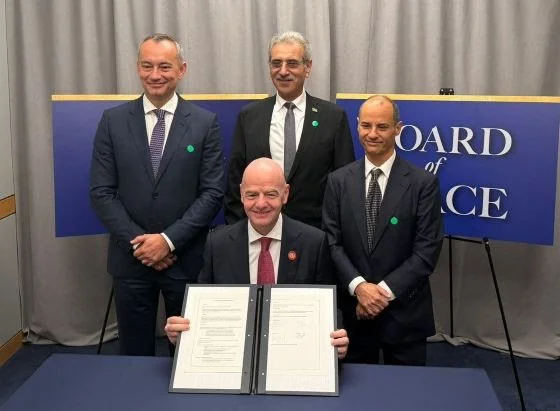

FIFA joins Gaza rebuilding plans, restoring stadiums, pitches, and youth programs, supporting football and hope in the Strip.
From Benzema’s shock move to Ronaldo’s protest, a chain reaction in Saudi football is shaking the entire project and the global game.
A Hitchcock-style AFCON final in Rabat saw chaos, controversy and brilliance as Senegal stunned Morocco to claim their second African title.
From libraries to stadiums, Morocco lives football. As AFCON 2025 nears its climax, passion, politics, and ambition collide nationwide.
As protests spread across Iran, footballers are turning goals, silence and visibility into acts of resistance and solidarity with the people.
From Trump’s World Cup to wars, revolutions and fairy tales – the football stories that shaped 2025 in the Middle East and beyond.
A dramatic 107th-minute penalty sends Iraq to the intercontinental playoff—now just one game from a first World Cup since 1986.
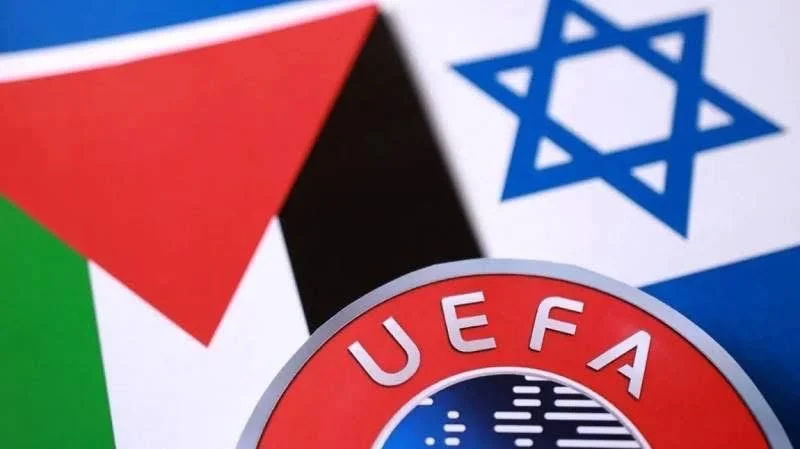
Ireland and other European FAs are joining efforts to push UEFA to suspend Israel over settlement clubs and racism allegations.
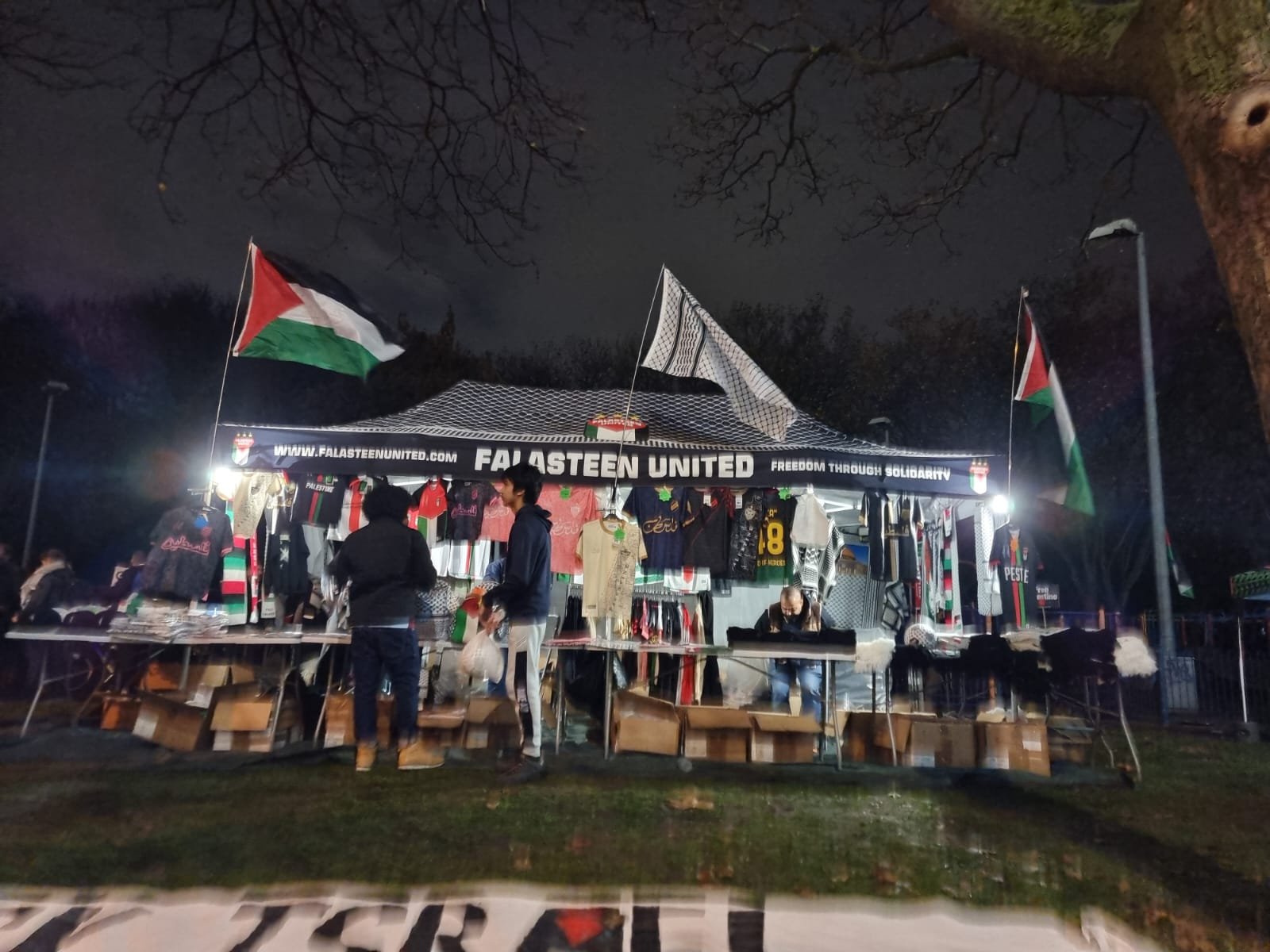
Aston Villa overcame Maccabi Tel Aviv 2–0 in a Europa League night marked by police protests, fan bans, and off-field political tension.
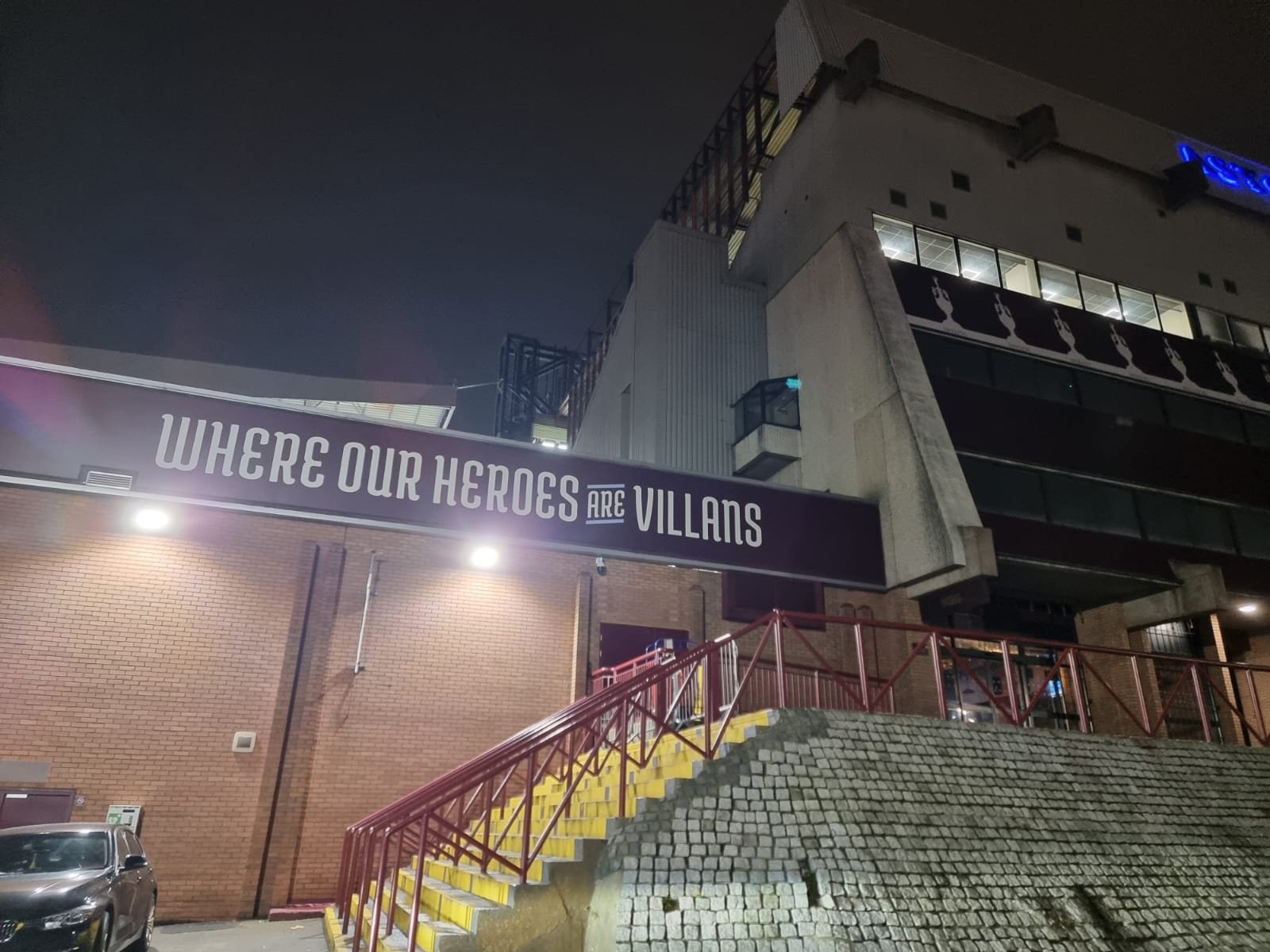
Maccabi Tel Aviv arrive in Birmingham under political tension, facing Aston Villa without fans in a key Europa League test.
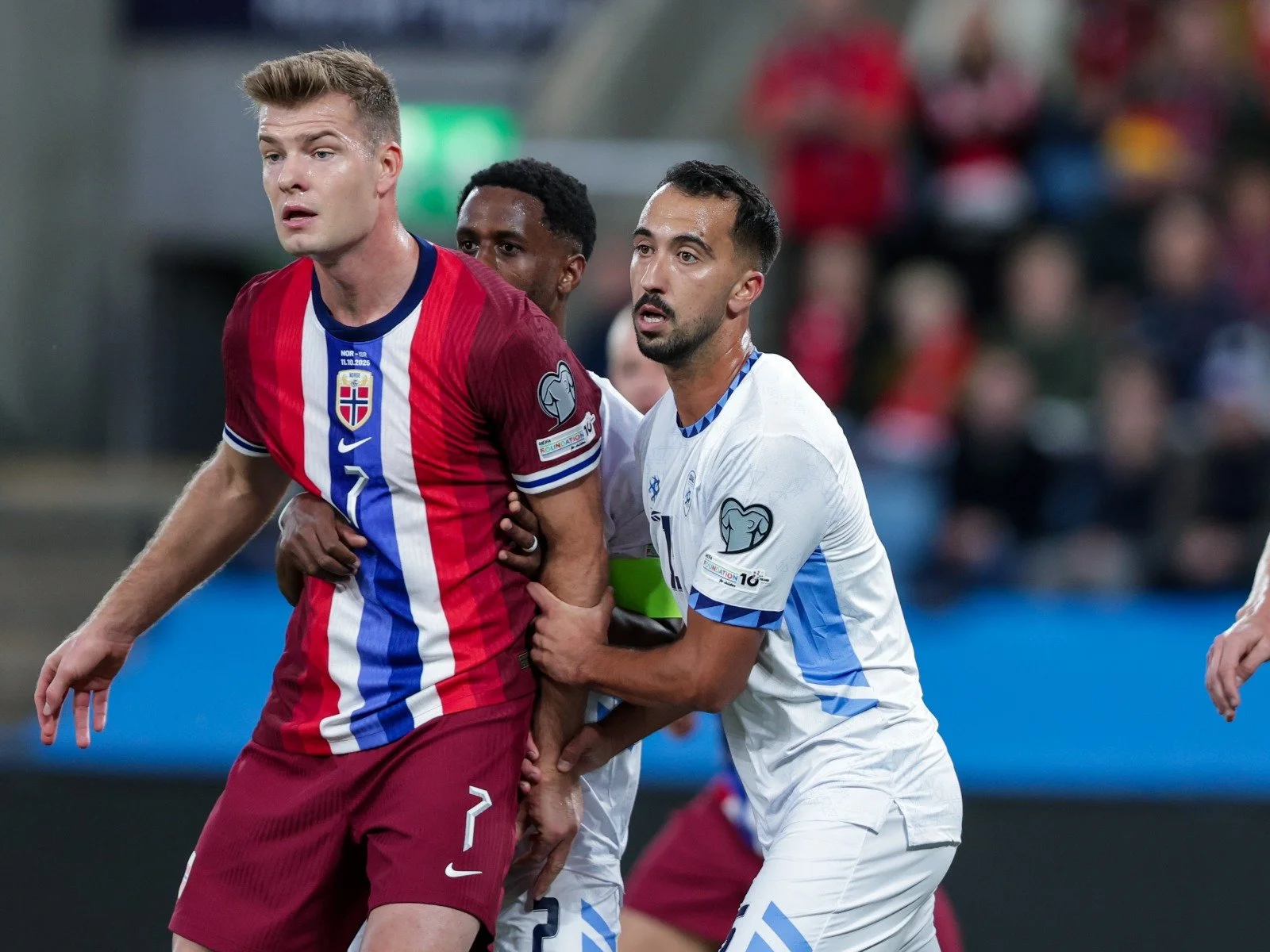
Erling Haaland’s hat-trick powered Norway past Israel 5–0, as protests and tension surrounded the World Cup qualifier in Oslo.

Israel coach Ran Ben Shimon dons a kippa and prays for hostages in an emotional Oslo press conference before facing Norway.
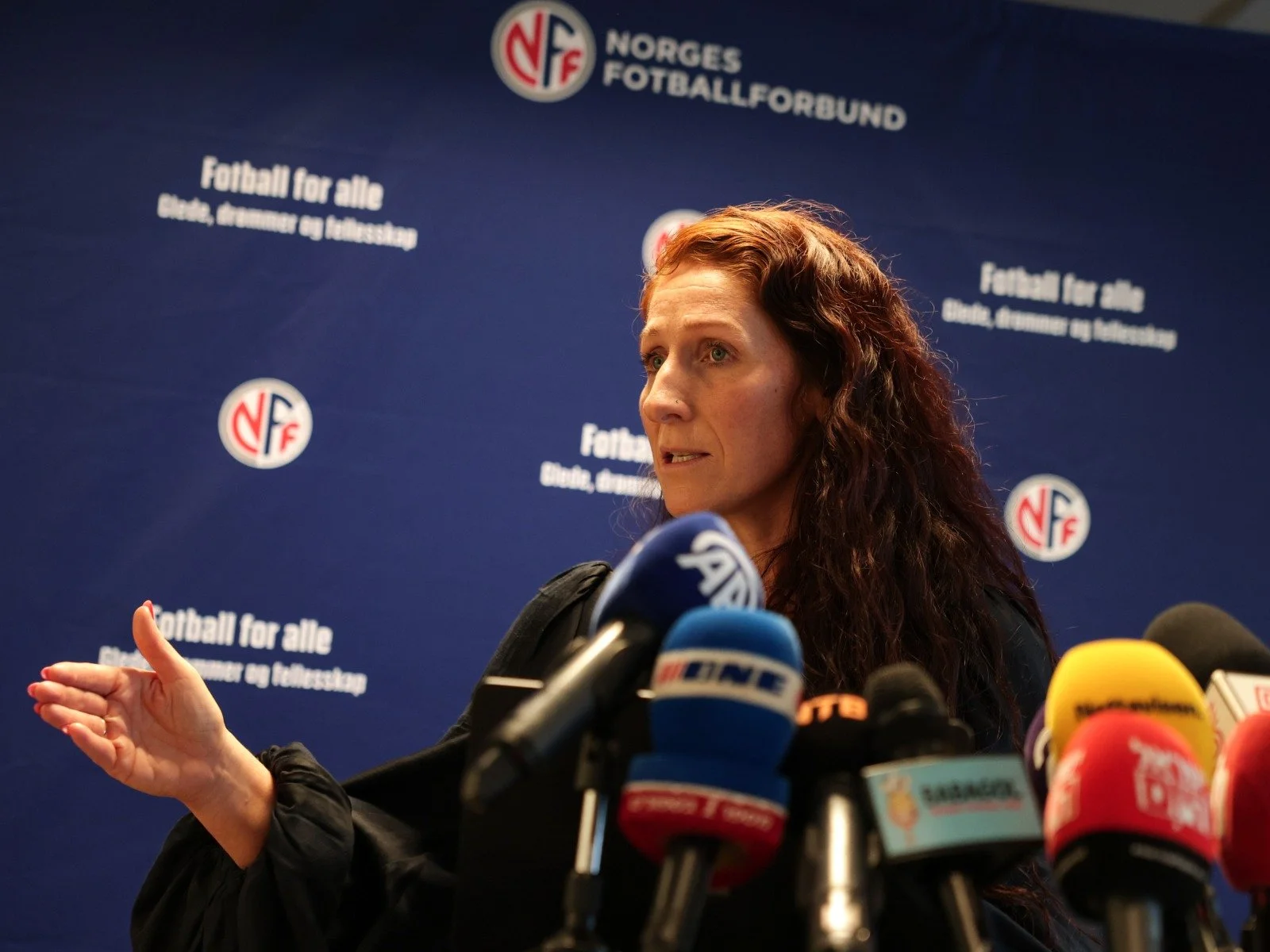
Ahead of Norway–Israel, FA president Lise Klaveness urges respect, transparency, and dialogue, discussing her efforts in bringing change that will see Israel banned from international football.
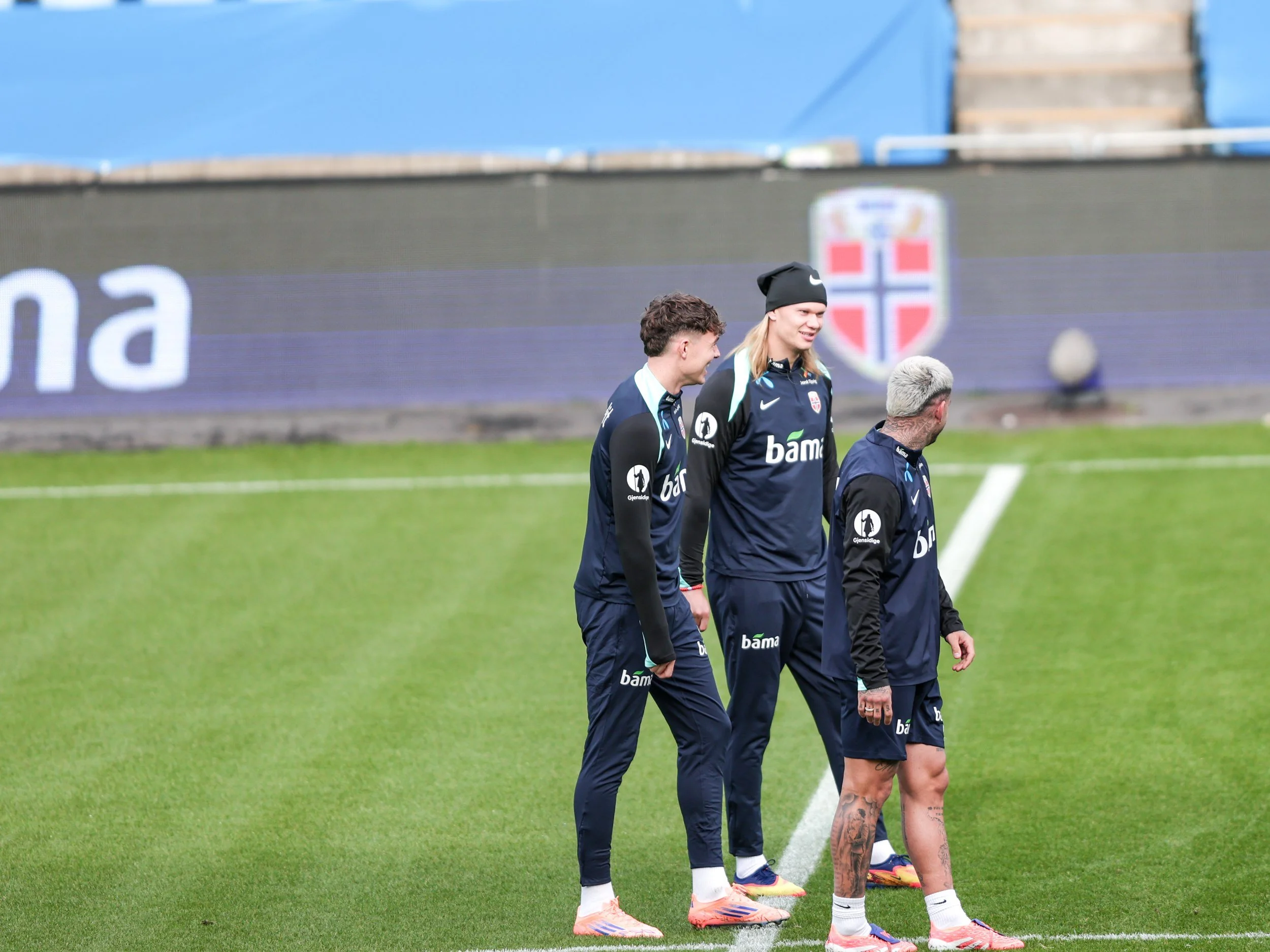
Tense atmosphere in Oslo ahead of Norway vs. Israel, with protests, politics, and a World Cup dream on the line.
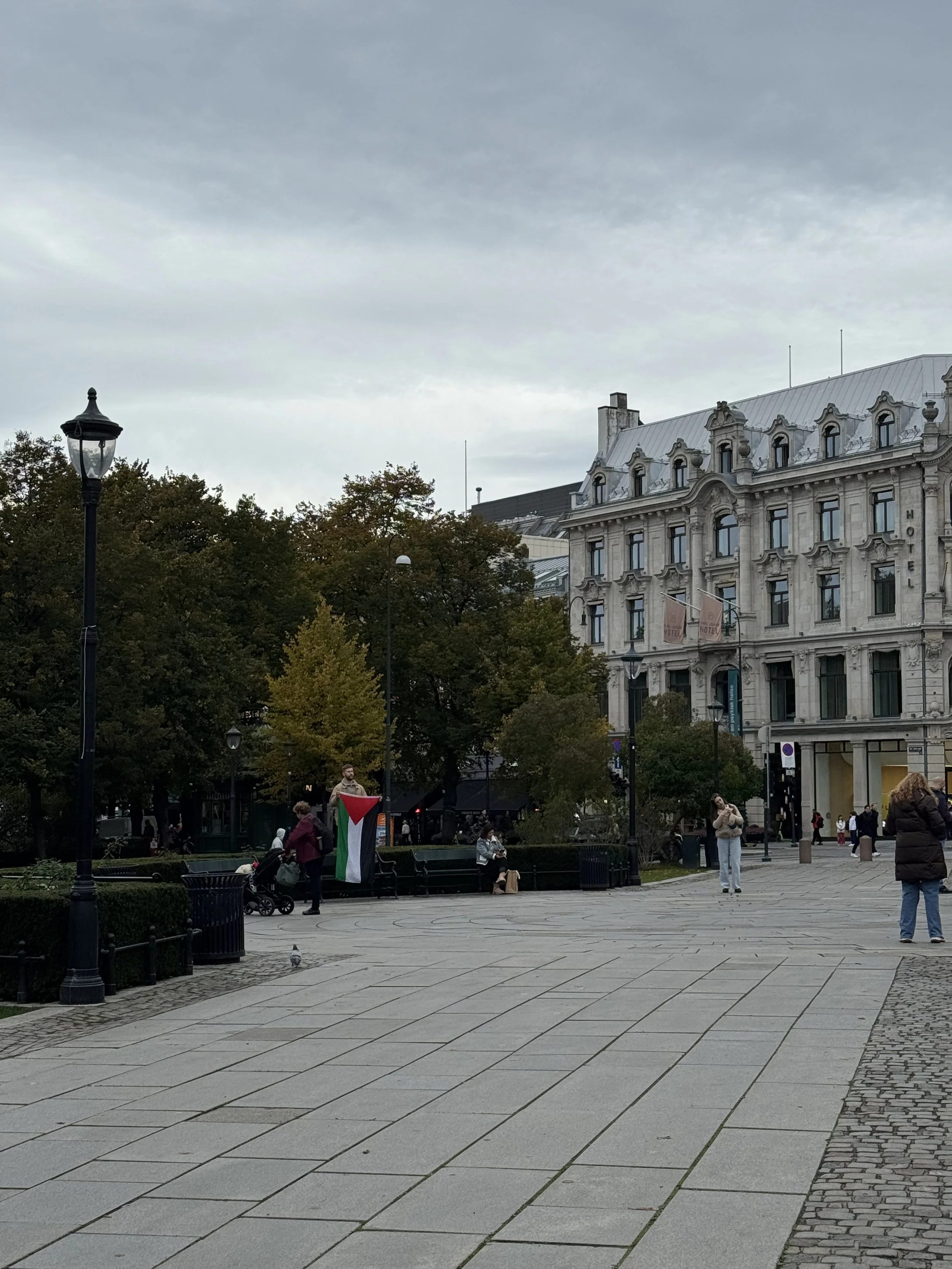
As Israel visits Oslo for a key World Cup qualifier, Norway braces for protests, politics, and a tense weekend on and off the pitch. Uri Levy reports from Oslo.
Spain defeated Argentina 1-0 in the 2026 World Cup Final, ending Lionel Messi's dream World Cup with heartbreak.