
"I just want this tournament to end."
Those were the words of one of Iran's women's national team players, who competed this past week at the Women's Asian Cup in Australia. Since the outbreak of war, the Iranian women's team has become a symbol of courage—and of the Iranian people's desire to break free from the Islamic Republic. Now, the story is taking a dangerous turn.
After a third and final defeat in the group stage—a 2–0 loss to the Philippines that ended their tournament—players were seen signaling "SOS" in sign language from the team bus, which was under the control of Islamic Republic officials.
The Iranian women's team became a global story after their opening match, in which they refused to sing the national anthem. Following that, the players and their families reportedly received threats, including promises of severe punishment upon their return to Iran. Now that their tournament is over, and with local activists calling for them to be granted political asylum in Australia, the situation appears to be escalating.
A Brave Protest Before the World
Tensions surrounding Iran's participation in the Women's Asian Cup began even before the first match. The team arrived just days before the outbreak of the "Roar of the Lion" war. At the pre-tournament press conference, forward Sara Didar broke down in tears when asked about her relatives in Iran amid the conflict.
"We are all worried and saddened by what has happened to Iran and our families. We love them," she said.
After an AFC communications officer intervened and asked journalists to refrain from questioning players about politics, Didar left the press conference in tears. Head coach Marzieh Jafari added: "We are deeply concerned about our families and loved ones, and all Iranians inside the country, from whom we are completely cut off. We will try to focus on our football and achieve the best result possible."
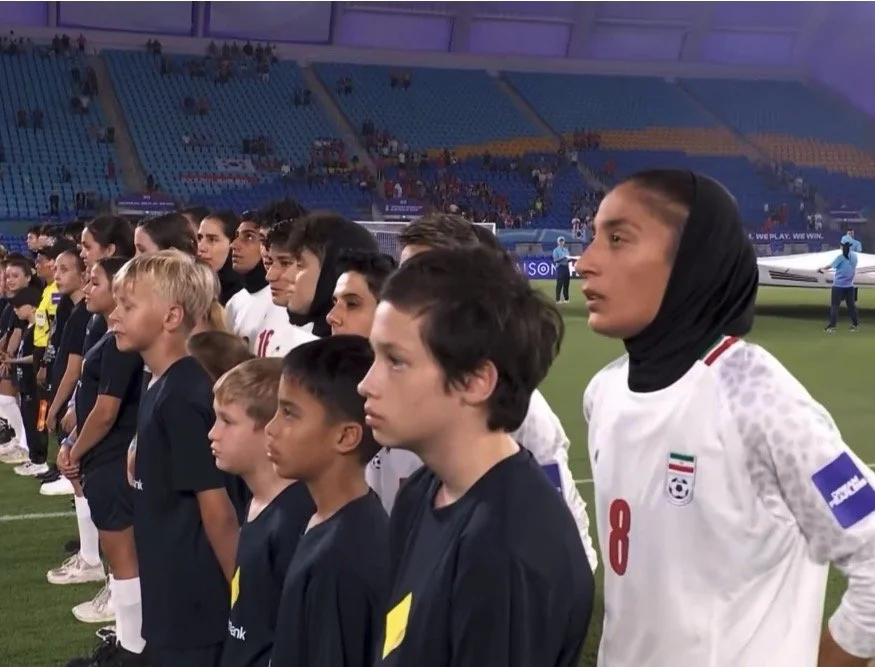
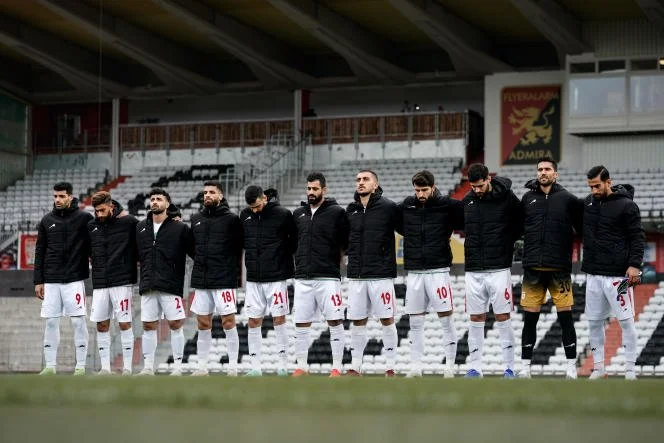
The defining moment came before kickoff in their opening match. Just as Iran's men's team had done at the 2022 World Cup against England—when players refused to sing the Islamic Republic's anthem—the women stood silent ahead of their match against South Korea.
TV cameras zoomed in on their faces: lips sealed, expressions tense. The footage quickly went viral. A genuine act of protest against the regime, during wartime, while wearing the national jersey. A moment of extraordinary courage. They lost the match 3–0, but in the eyes of the world, they were the real winners of the day.
"I Just Want It to End"
Alongside the wave of admiration came fear—among players and Iranian fans alike—that the Revolutionary Guards might target their families back home. Before their second match against Australia, the entire squad saluted and sang the anthem loudly. The reason: threats against the players and harassment of their families in Iran.
They lost 4–0. The following day, on an Islamic Republic state broadcast, a prominent presenter called the players "traitors" and warned they would face consequences upon returning. In Iran, punishment for such perceived "betrayal" can mean imprisonment, torture, or even execution.
"I am very worried about my family. I haven't spoken to them since we left for the tournament," one player told BabaGol, speaking anonymously. "I just want this tournament to end," she admitted following the loss to Australia.
In Australia, meanwhile, the Iranian diaspora began mobilizing. A fundraising campaign was launched for the players and their support network, alongside a petition calling for them to be granted asylum—signed by nearly 50,000 people at the time of writing.
"The Players Are Hostages"
The most chaotic—and perhaps most heartbreaking—moment came after the final group-stage match, the 2–0 defeat to the Philippines.
Fans from the Iranian-Australian community had gathered outside the stadium, initially to chant against the regime and show solidarity with the players. Flags of a free Iran, bearing the lion emblem, were visible in the crowd.
As the team bus pulled away, fans began shouting "Stay!" and "Don't leave!" From inside the bus, the players responded in sign language: "Help." It confirmed the deepest fears about the danger they now face.
"We rushed to block the road in an attempt to stop the bus and save their lives," Omid, an Iranian-Australian supporter who was present, told BabaGol. "But the Australian police didn't understand and held us back. From where we stood, it looked like a kidnapping. The players are hostages."
After three losses, nine goals conceded, and none scored, Iran's women's team was set to return home via Turkey, crossing the land border into Iran by bus.
The team traveled under the watch of Iranian government representatives. At the same time, pressure was mounting in Australia—from the diaspora and human rights advocates—for authorities to grant the players asylum, both in light of the threatened "punishments" and the escalating war. On social media, many called on FIFA to intervene as well.
The Sydney Morning Herald subsequently reported that five players had managed to escape and were under the protection of Queensland police on the Gold Coast. Meanwhile, representatives from sports bodies, human rights organizations, and activist groups were working with authorities to extend the team's stay in Australia and prevent their forced return to Iran.
FIFA had yet to respond, preoccupied as it remained with questions surrounding Iran's men's national team, whose participation in the upcoming World Cup is increasingly in doubt.
Iran's women's team will not win the 2026 Asian Cup—but there is little doubt they are its most impactful side, having delivered one of the most powerful moments in recent women's football history.



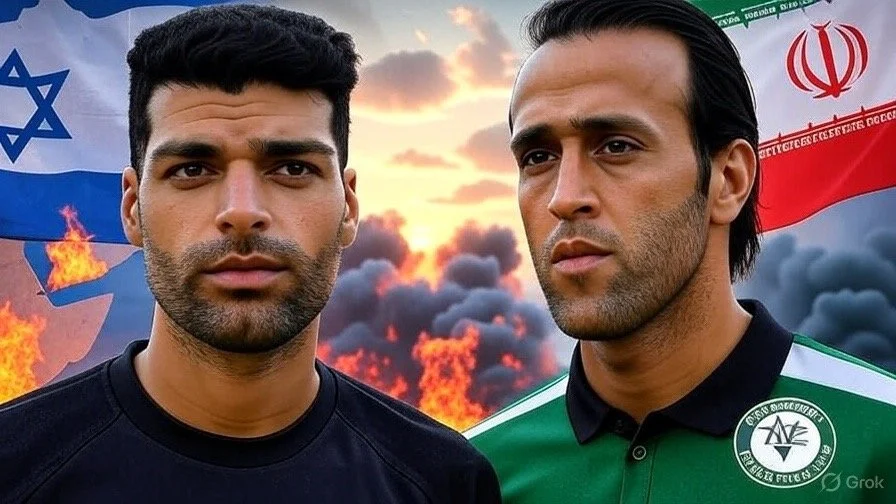
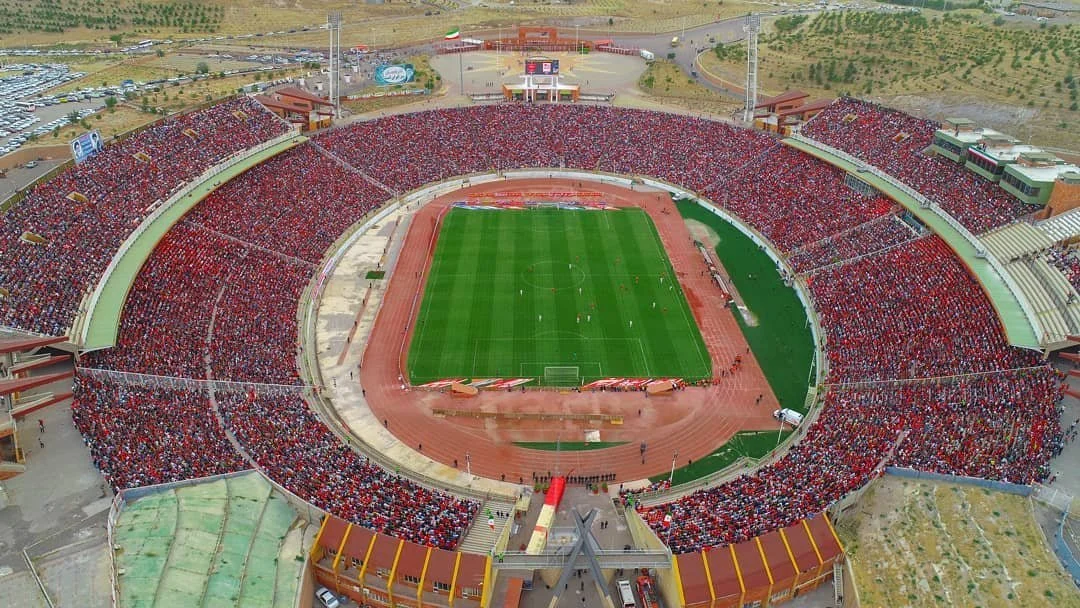

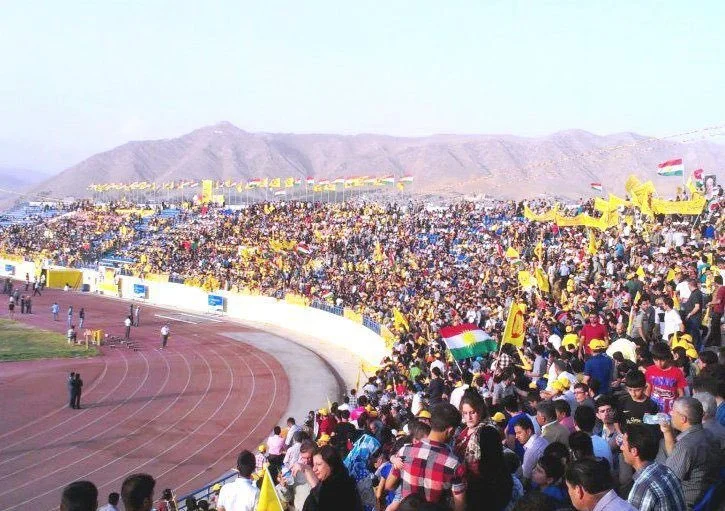


















With tensions easing, Iran’s 2026 World Cup participation remains uncertain, as FIFA, politics, and regional dynamics collide.