
It's hard to believe that in the midst of the USA, Israel-Iran war—reshaping the Middle East and redrawing its balance of power—Iran's women's national football team became a global story.
A story so big that U.S. President Donald Trump himself weighed in repeatedly, engaged directly, and pushed for a resolution.
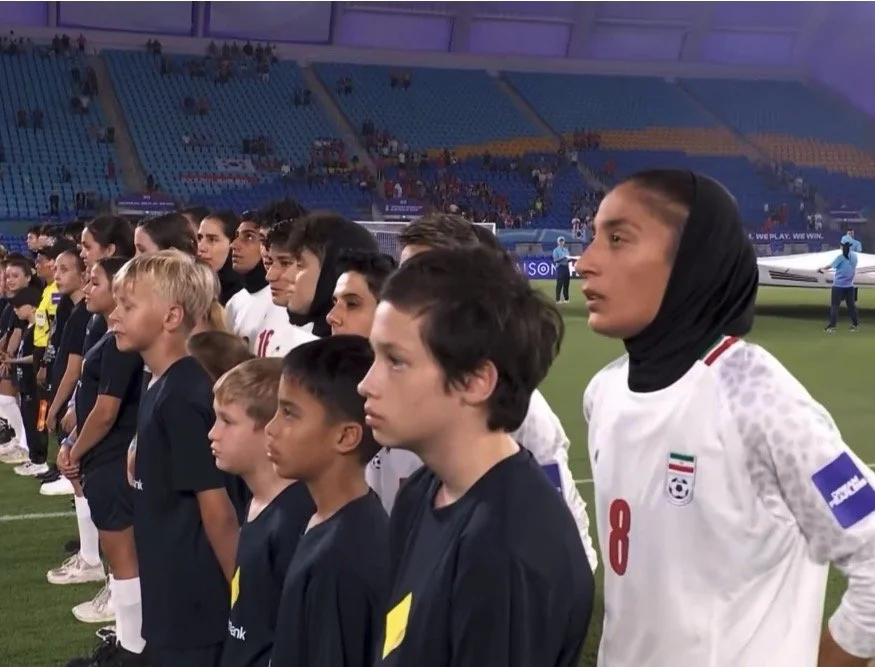
After all, it's not every day that players from a national team openly refuse to sing their country's anthem before a match, becoming international heroes and a symbol of courage. It's not every day that those same players receive explicit threats against their lives and their families—and in the very next match, sing the anthem with trembling voices and forced salutes. It's not every day that footballers signal "SOS" in sign language through a bus window, pleading with fans to help them escape. And it's certainly not every day that players traveling abroad for an international tournament defect, flee, and receive political asylum—in the middle of a war.
This isn't a Netflix script, a film, or a thriller novel. This is the story of Iran's women's national team over the past ten days.
Before arriving in Australia for the 2026 Women's Asian Cup, no one imagined that by the tournament's end, six players would remain behind—following direct pressure from Trump on Australian Prime Minister Anthony Albanese to grant them asylum, amid war in Iran and credible threats to their lives.
"I'm very worried about my family. I haven't spoken to them since we left for the tournament," one player told BabaGol anonymously before the team's final match, as the storm surrounding the squad intensified. "I just want this tournament to be over."
After that conversation, Iran lost to the Philippines—their third defeat in three matches—and were eliminated. But the real drama unfolded outside the stadium. Fans, many from the Iranian diaspora in Australia, attempted to block the team bus from leaving. Inside, players signaled distress. Outside, supporters tried to help those who wanted to defect.
"We rushed to block the road to stop the bus and save their lives," said Omid, an Iranian-Australian fan who was present. "But the police didn't understand and held us back. To us, it looked like a kidnapping. The players were hostages."
Then came a full-blown geopolitical drama. Trump tweeted and applied direct pressure on Australian authorities to offer asylum to the entire team. It worked—partially. Five players escaped through a hotel emergency exit after slipping past Iranian security personnel. According to reports, Australian police, immigration officials, and interior ministry representatives were waiting for them, whisking them to a safe house and granting them asylum.
A photo published by Australia's Interior Minister Tony Burke, showing the five players without hijabs, went viral. "The girls are safe!" "There is hope!" "Why only five?"—millions asked online. In the psychological theatre of the war—dubbed "Epic Fury" on the American side—the image became a potent symbolic victory for the liberal West over what many framed as a repressive religious East.
Two more players joined them the following day. But then one reversed course—reportedly disclosing the safe house location to Iranian authorities, triggering chaos and raising suspicions that she may have been planted to sabotage the effort. Unlike the six who stayed, she rejoined the team en route through Malaysia and returned to Iran.
The Fans' Victory
Athlete defections from authoritarian regimes are nothing new. Soviet athletes did it throughout the Cold War. Venezuelan and Cuban athletes continue to do so today. More recently, Iranian judoka Saeid Mollaei defected after refusing to withdraw from a match against Israel's Sagi Muki—as ordered by Iranian authorities. Threatened and effectively disowned, he fled and now competes for Azerbaijan.
These remarkable stories—Mollaei's and now the women's team—offer a window into Iranian society and the role of sport within it.
Football is Iran's most popular sport among its 90 million citizens. During the Shah's era, golf once carried a certain prestige, but football gradually became the country's defining game, mirroring its social fabric in ways no other sport could.
A Goal in a Hijab
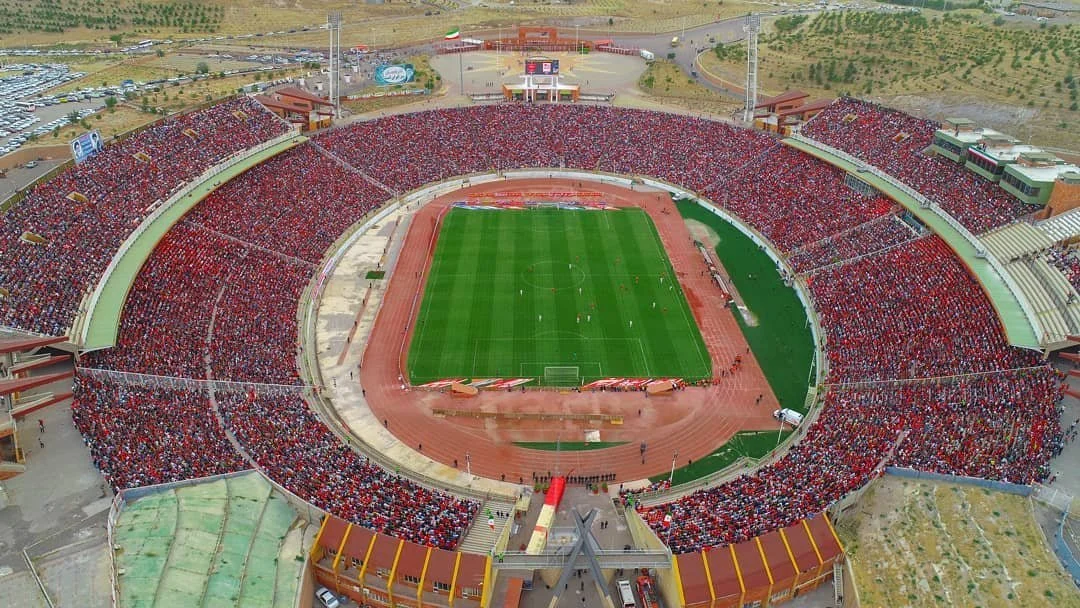
Tehran's two biggest clubs, Esteghlal and Persepolis, command millions of supporters—men and women alike—across Iran and Central Asia. But they are far from the only major clubs in the country, and certainly not the only identities represented in Iranian football. The reigning champions, Tractor Sazi of Tabriz, represent Iran's large Azerbaijani population, and for more than a decade their supporters have been chanting "Death to the dictator!" at matches—long before Israeli and American air cooperation brought Khamenei's rule to an end.
In that sense, Iranian football is a contest of competing identities, reflecting the many layers of a complex society: regime loyalists and opponents, the religious and the secular, Persians, Azeris, Arabs from Ahvaz, Lurs, Kurds, nomadic communities, and more.
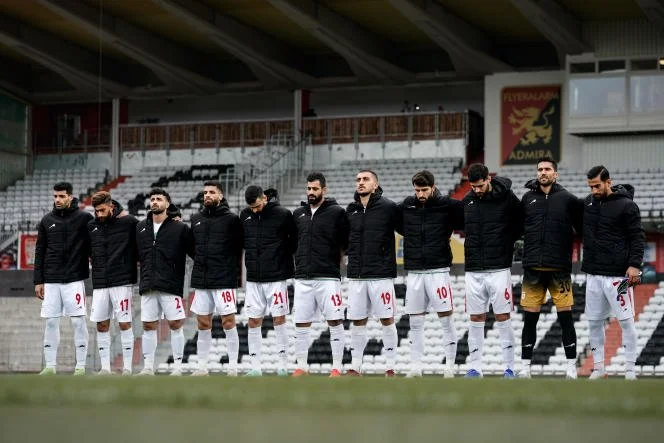
What unites all these groups under a single banner is Iran's men's national team—Team Melli. Though it officially represents the Islamic Republic, with its flag and anthem, the players have long used it as a platform to say: "We do not belong to the regime. We belong to the entire Iranian people."
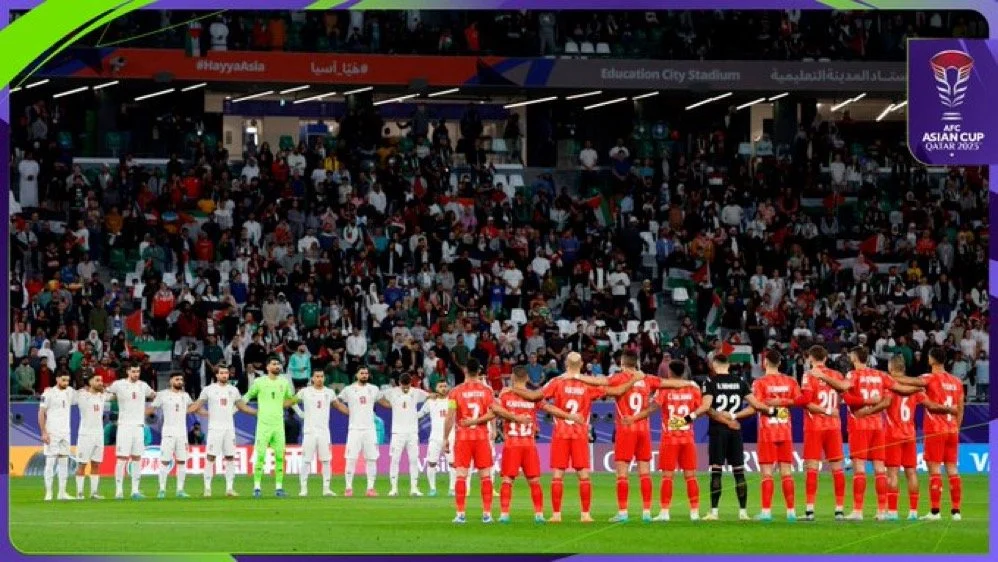
At the 1998 World Cup, the regime forbade Iranian players from shaking hands with their American opponents before the Iran–USA match. In defiance, the Iranians walked onto the pitch carrying bouquets of flowers and presented them to the U.S. players in an unforgettable gesture. At the 2022 World Cup, before Iran's opening match against England, the players refused to sing the anthem in protest and in solidarity with the hijab uprising then sweeping the country. Just as with the current women's team, they sparked fierce debate, pushed the issue onto the global agenda, and became cultural heroes both inside Iran and far beyond its borders.
Within all of this, women occupy a particularly charged space in Iranian football—first and foremost as fans. Women are barred from football stadiums in Iran, justified by the religious argument that it is immodest for a woman to watch men play sport. That reality, which has eased slightly in some cities and venues in recent years, gave rise to the widespread phenomenon of Iranian women disguising themselves as men in order to attend matches.
In 2019, one such Esteghlal supporter, Sahar Khodayari, was caught and sentenced to years in prison and lashes. She set herself on fire outside the courthouse and later died from her injuries. Her story came only a few years before the hijab protests that erupted following the death of Mahsa Amini—the young woman killed by the regime's morality police for not wearing her headscarf "correctly."
And while being a football fan in Iran is fraught, being a female footballer or coach is even more so. Organized women's football in the Islamic Republic has existed only since the early 2000s, in a league men are not permitted to attend. From the outset, it was a lively and combustible arena—one that attracted intense scrutiny in a football-mad country operating under strict religious constraints, and drew curiosity from around the world.
"In 2011 we arrived for a match in the Olympic qualifying tournament, but FIFA and Olympic officials disqualified us because we came onto the field wearing hijab," former Iran player and coach Katayoun Khosrowyar told BabaGol. "It was a humiliating moment, but that was when we decided no Iranian girl should ever have to go through that again." The players launched a campaign and lobbied both the Iranian federation and FIFA. A year later, the international governing body approved the wearing of hijab for Muslim women footballers worldwide.
Alongside stories like that one, Iranian women's football has generated its share of absurd and painful episodes. Because the players compete wearing hijab, the women's national team has on more than one occasion been accused of fielding men disguised as women—a slur that has drawn ridicule and mockery from rival supporters. One case even reached formal legal proceedings: after Jordan lost to Iran on penalties in the 2022 Women's Asian Cup qualifiers, the Jordanian federation filed an official complaint with the AFC and FIFA against Iran goalkeeper Zohreh Koudaei, claiming she was male. She was not. Koudaei countersued and won.
The Price of Defection
All of this makes women's football in Iran—and Iranian sport more broadly—a rich and revealing lens through which to understand a society that is anything but monolithic, and the place of women within it.
Sport, and football in particular, remains a deeply male-dominated world. That is precisely why being a woman footballer takes courage everywhere—and even more so in a totalitarian theocratic state like Iran. It is no surprise that the story of Iran's women's national team captivated the world the way it did, even as war convulses the Middle East. It had everything: football, war, courageous women, geopolitics, Trump, Iran, raw emotion, fear, suspense, and a visceral clash between East and West.
From one vantage point—particularly an Israeli one—it may be tempting to ask: how is it possible that not every player did everything in her power to defect and seek asylum? But reality, like Iran itself, is far more complex. Beyond the sheer difficulty of escaping a delegation under the watch of regime representatives, each of those players has a family and an entire life waiting at home. A decision like that—even before the act itself—is like hurling a burning torch at your own past, and risking never seeing your loved ones again, or worse, exposing them to danger.
On the other hand, not fleeing—returning to Iran and absorbing the consequences—means swallowing fire and facing the daily injustices of life under such a regime. In a sense, to be an Iranian woman footballer caught in the position these players found themselves in over the past week is to be trapped in total helplessness. Almost regardless of what they choose, they lose. Even those who defect and begin a new life lose the world they came from—at least until the regime falls.





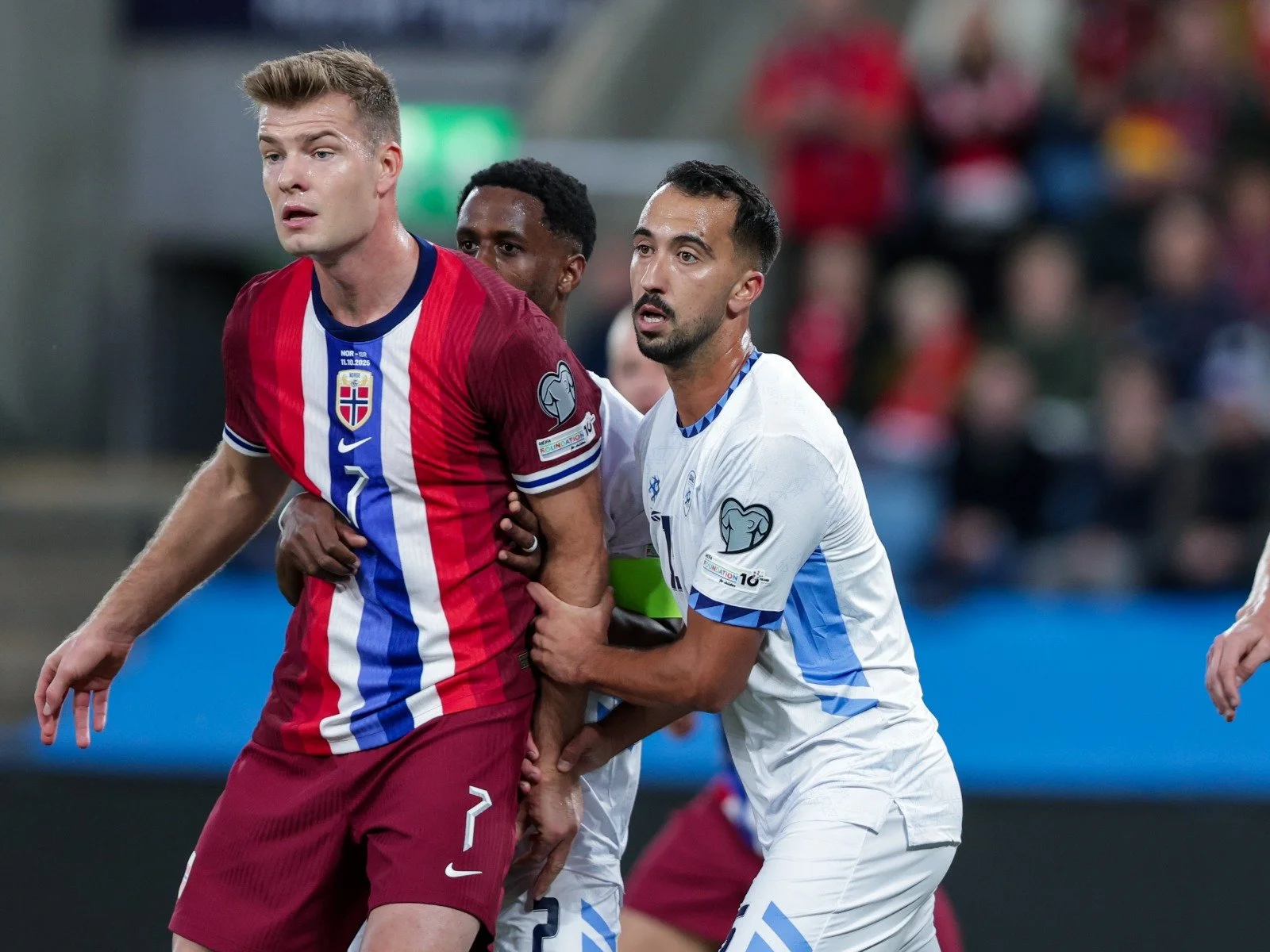








Israel's national team finished bottom of its Nations League group, as politically charged clashes versus Ireland overshadowed the campaign.