
By Uri Levy and Yossi Medina
2025 went fast.
A year that hosted the final stages of the road to the World Cup in the United States, Canada and Mexico, and once again proved how deeply football is affected by politics, power and conflict — in the Middle East and across the world.
As in last year’s BabaGol annual review, our 2025 edition focuses first on events in the Middle East, before expanding to stories from other regions we cover. This year, alongside wars and geopolitics, there were stories of power, Cinderellas, scams, and competitions - all real football anecdotes that shaped the year within the BabaGol universe.
As always, we end with the same wish: that the coming year will bring an end to suffering and peace for all innocent lives in the Middle East and elsewhere.
Previous annual reviews: 2016, 2017, 2018, 2019, 2020, 2021, 2022, 2023 and 2024.
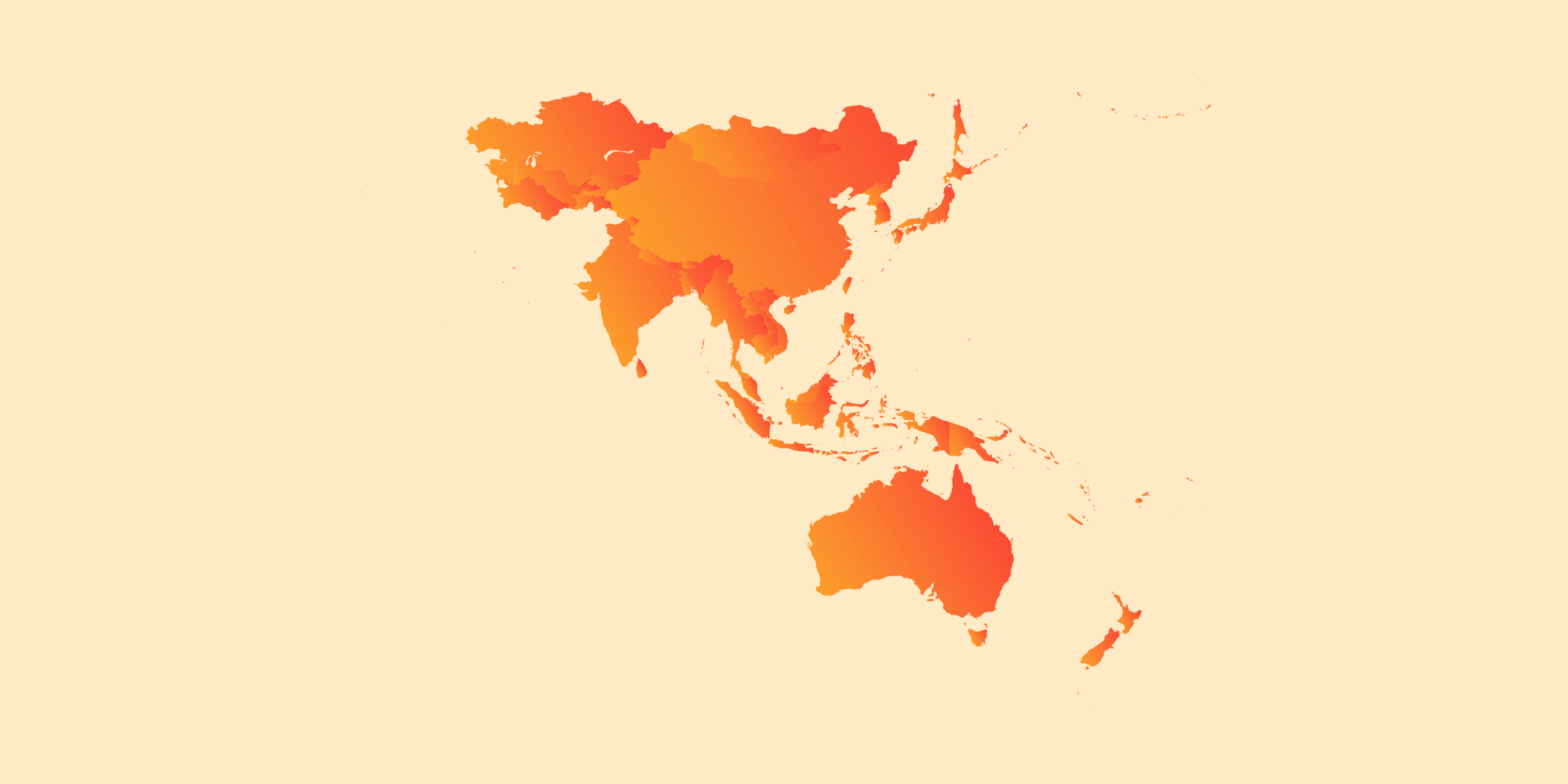
Another year of intersections between wars, conflicts, geopolitics and football. Football in the Middle East (Photo courtesy: Shaul Greenfeld)
Trump’s World Cup
2025 was a year that kept producing sneak peeks of the upcoming biggest World Cup ever — the 2026 World Cup in the USA, Canada and Mexico.
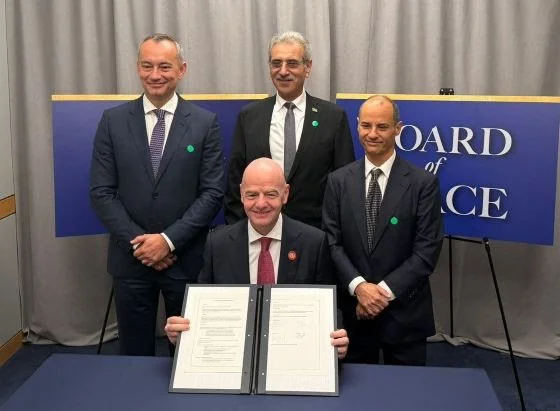
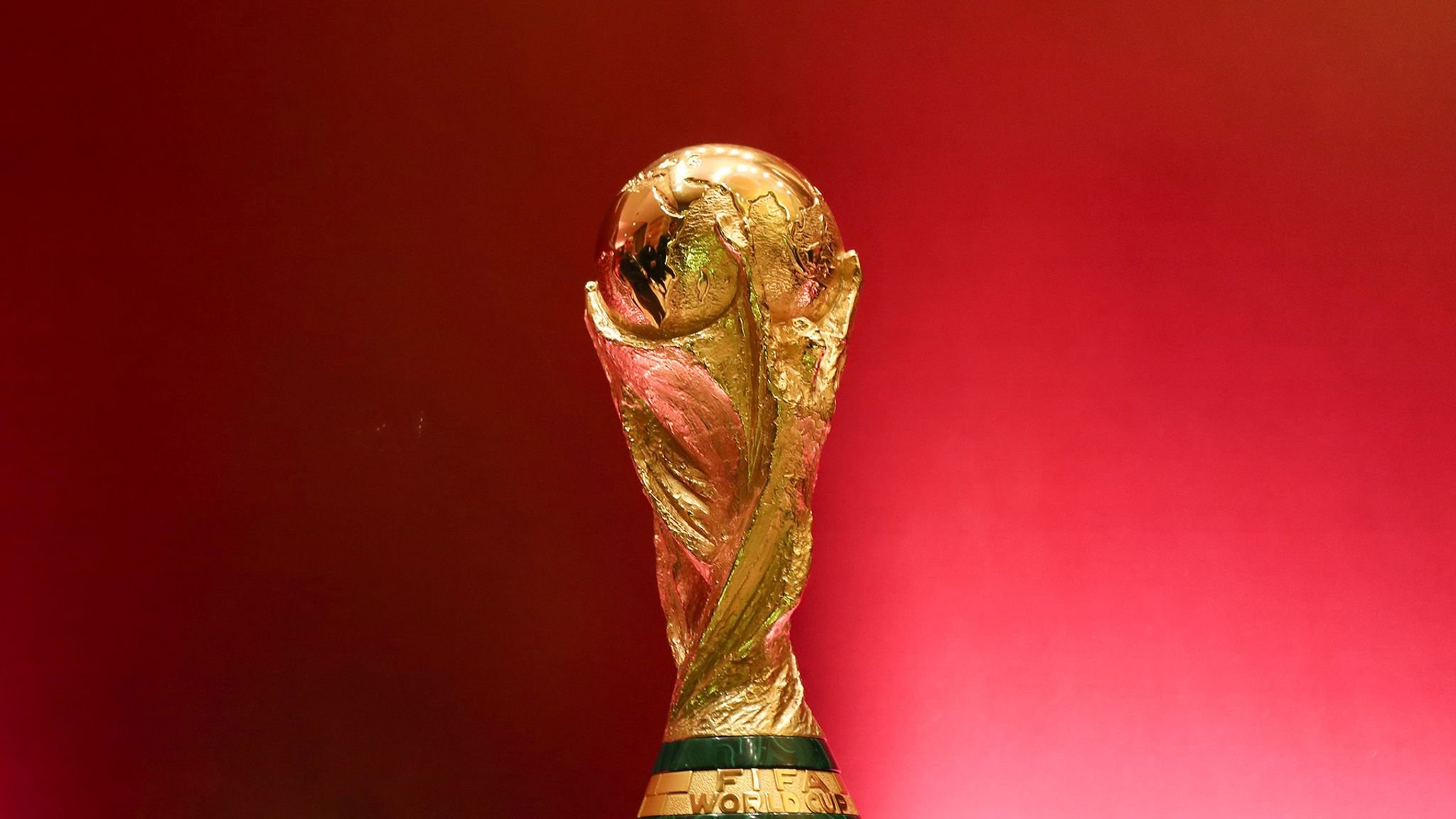
From the very beginning, US President Donald J. Trump made it clear how important the tournament is for him. At the same time, FIFA, and especially its president Gianni Infantino, allowed politics to take centre stage. A replica of the World Cup trophy was placed in the Oval Office at the White House, symbolising the growing proximity between football’s governing body and political power.
As the countdown to the World Cup accelerated, Trump signalled that he intends to take the main stage not only in the preparations, but also in the event itself.
Whether it was the group-stage draw, a star-studded show watched by billions around the world, where Trump received a “consolation peace prize” (on behalf of the Nobel Prize he never won), delivered political messages, and even had his election anthem YMCA performed live by the Village People; or the surreal ticket prices for this World Cup, which drew fierce criticism from European fans despite reportedly record-breaking demand.
If that wasn’t enough, Trump lifting the Club World Cup trophy alongside Chelsea players on the pitch felt like a rehearsal. Don’t underestimate the chance that he will do the same with the World Cup winners next summer.
FIFA Club World Cup: A Sign for the Future?
Just like the Confederations Cup in previous World Cup cycles, and the 2021 Arab Cup before Qatar 2022, the United States received its first major opportunity to showcase its readiness through the FIFA Club World Cup.
While anticipation among non-European fans was high, European audiences appeared far less engaged. Still, the tournament offered early clues about what the 2026 World Cup might look like.
Time-zone challenges, extreme weather that caused delays, and matches played in front of half-empty stadiums all served as warnings. These are some of the key logistical and cultural challenges the main host nation will have to face during the World Cup itself.
Do the organisers have solutions? We will have to wait and see.
New Names at the 2026 World Cup
When FIFA introduced the idea of a 48-team World Cup, it was clear that new names would enter the global stage. In 2025, even before the March playoffs, four debutants already secured qualification.
In Asia, two familiar continental names finally broke through. Uzbekistan, a nation with a long history of near-misses and heartbreak, qualified alongside 2023 Asian Cup runners-up Jordan.
Elsewhere, Cape Verde and Curaçao scouted extensively across Europe, added diaspora players to their squads, and became two of the smallest countries ever to reach the World Cup. Curaçao even surpassed Iceland’s record, qualifying with a population of just 160,000.
Haiti Returns to the World Cup
Haiti had only one World Cup appearance, back in 1974. Few could have imagined that their return would be one of the most emotional stories of the cycle.
Amid an ongoing political and economic crisis that has plagued the country since 2018, the national team was forced to play all its matches away from home. Head coach Sébastien Migné never even visited Haiti during the campaign.
Combining Haiti-born players with footballers born in Europe and the United States, the team produced a stunning qualification, eliminating two traditional CONCACAF powers, Costa Rica and Honduras.
Following the draw, Haiti now dreams of creating another sensation in a group featuring Morocco, Brazil and Scotland.
The Israel–Gaza War and Its Impact on Football
For the third consecutive annual review, the Israel–Gaza war takes centre stage.
In Gaza, football remains paralysed due to the situation, even amid temporary ceasefires. In the West Bank, football activities have not resumed since October 7, 2023, as conditions on the ground continue to deteriorate, making any professional routine impossible.
In Israel, football returned a few months after the outbreak of the war, but its presence is felt everywhere. National anthems before matches, tributes to returning hostages, and public gestures of solidarity have become part of weekly football culture.
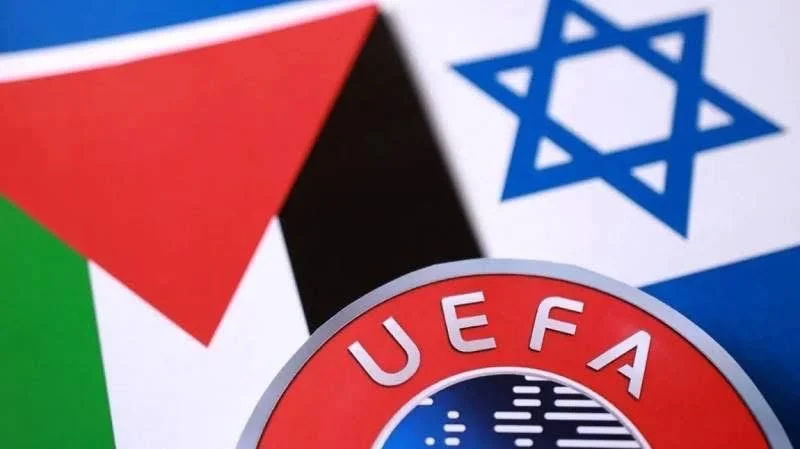
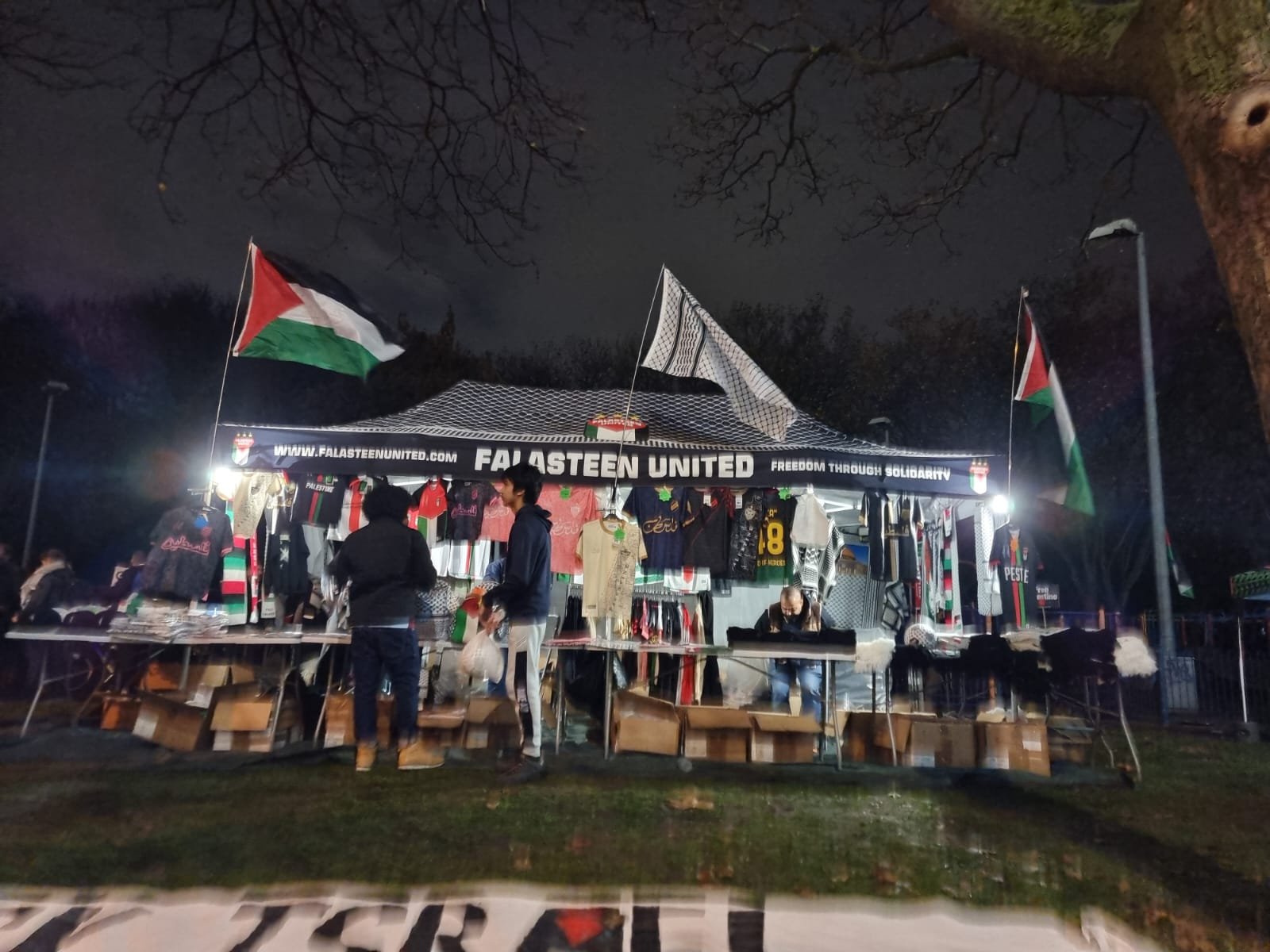
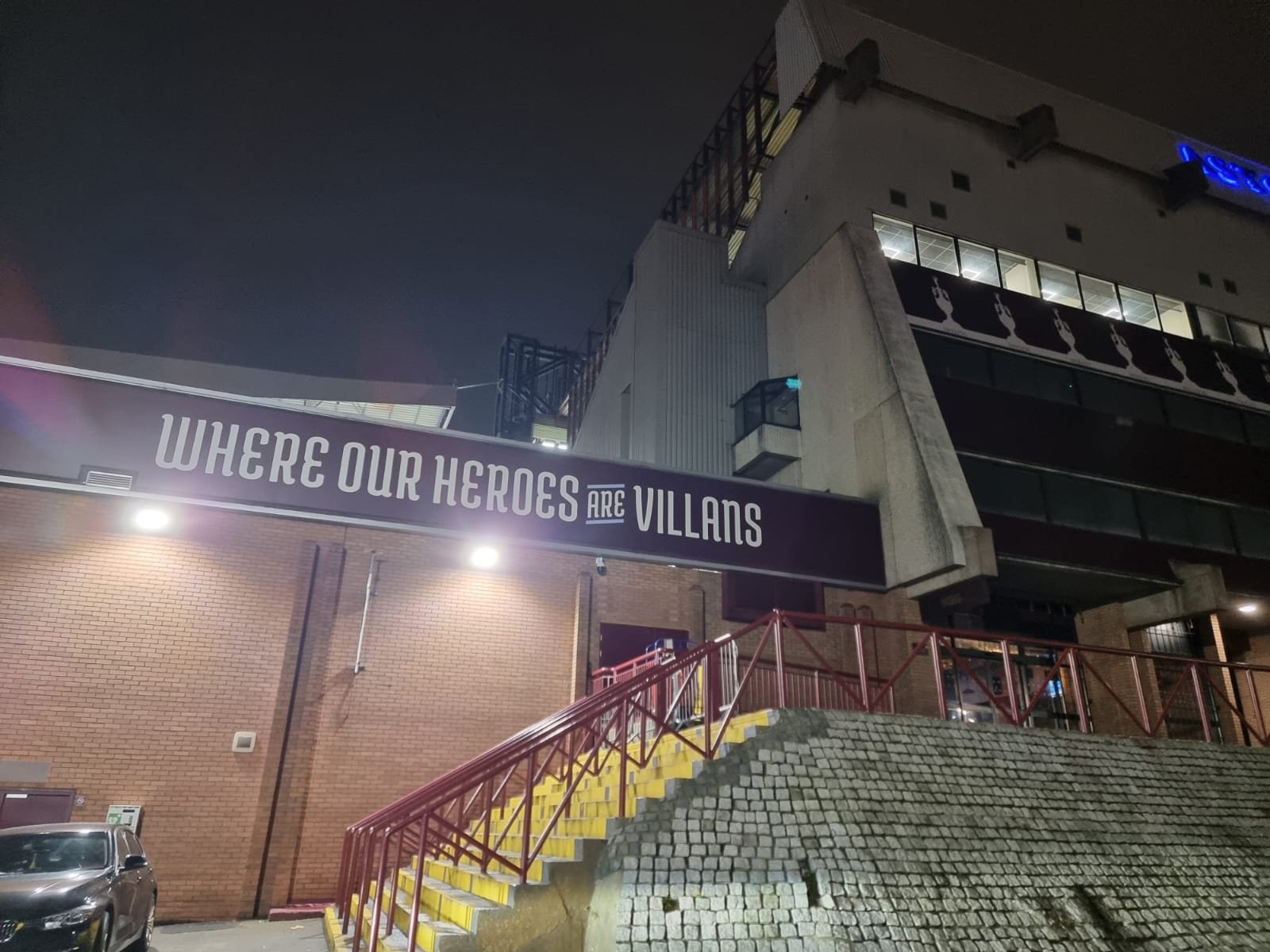
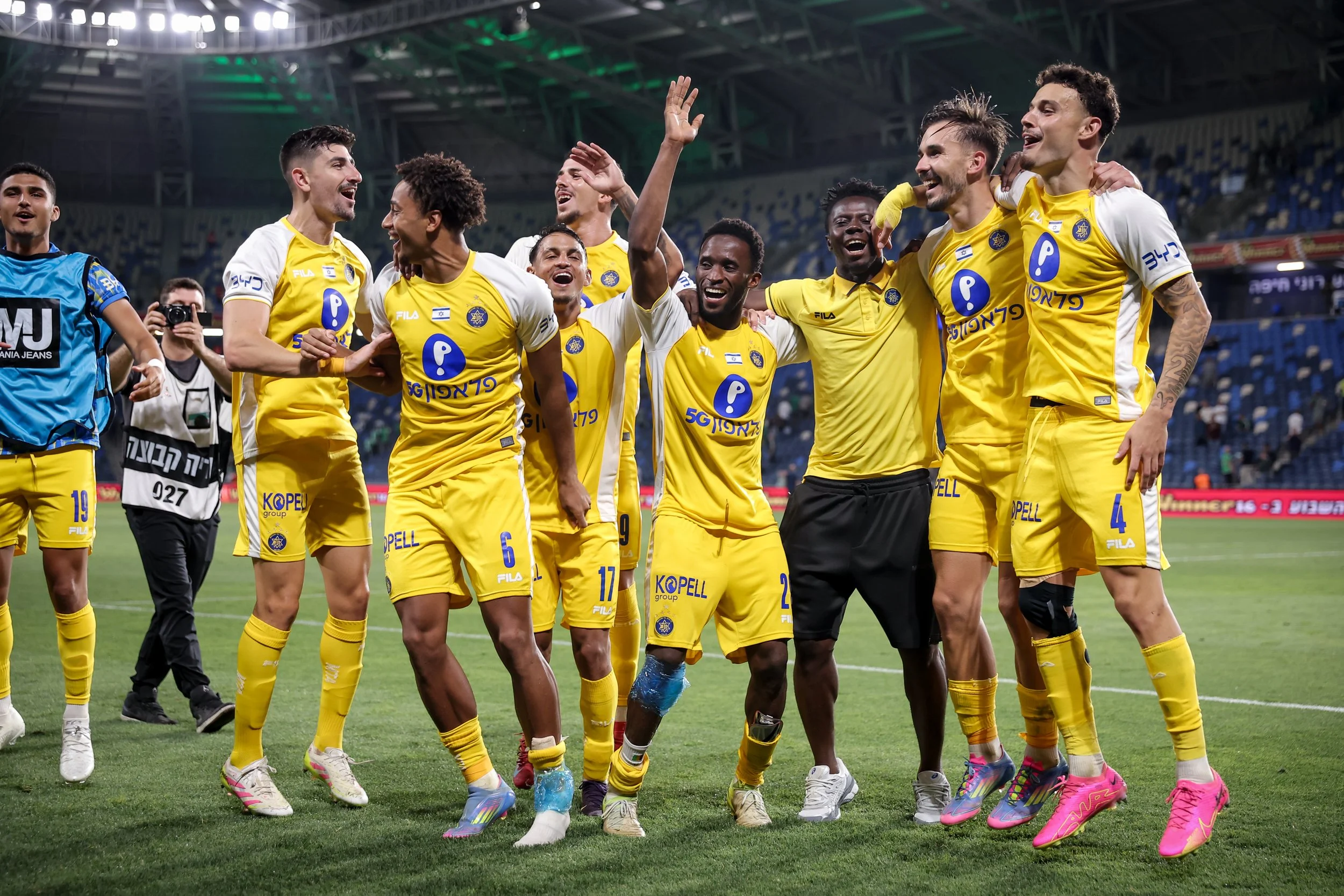
Internationally, the war changed how Israeli clubs were treated in Europe, most notably Maccabi Tel Aviv. After the Amsterdam incidents of 2024, West Midlands Police decided not to allow Maccabi fans to travel to Birmingham for their match against Aston Villa, citing security concerns. Political pressure from British politicians and media outlets played a decisive role, and the decision stood.
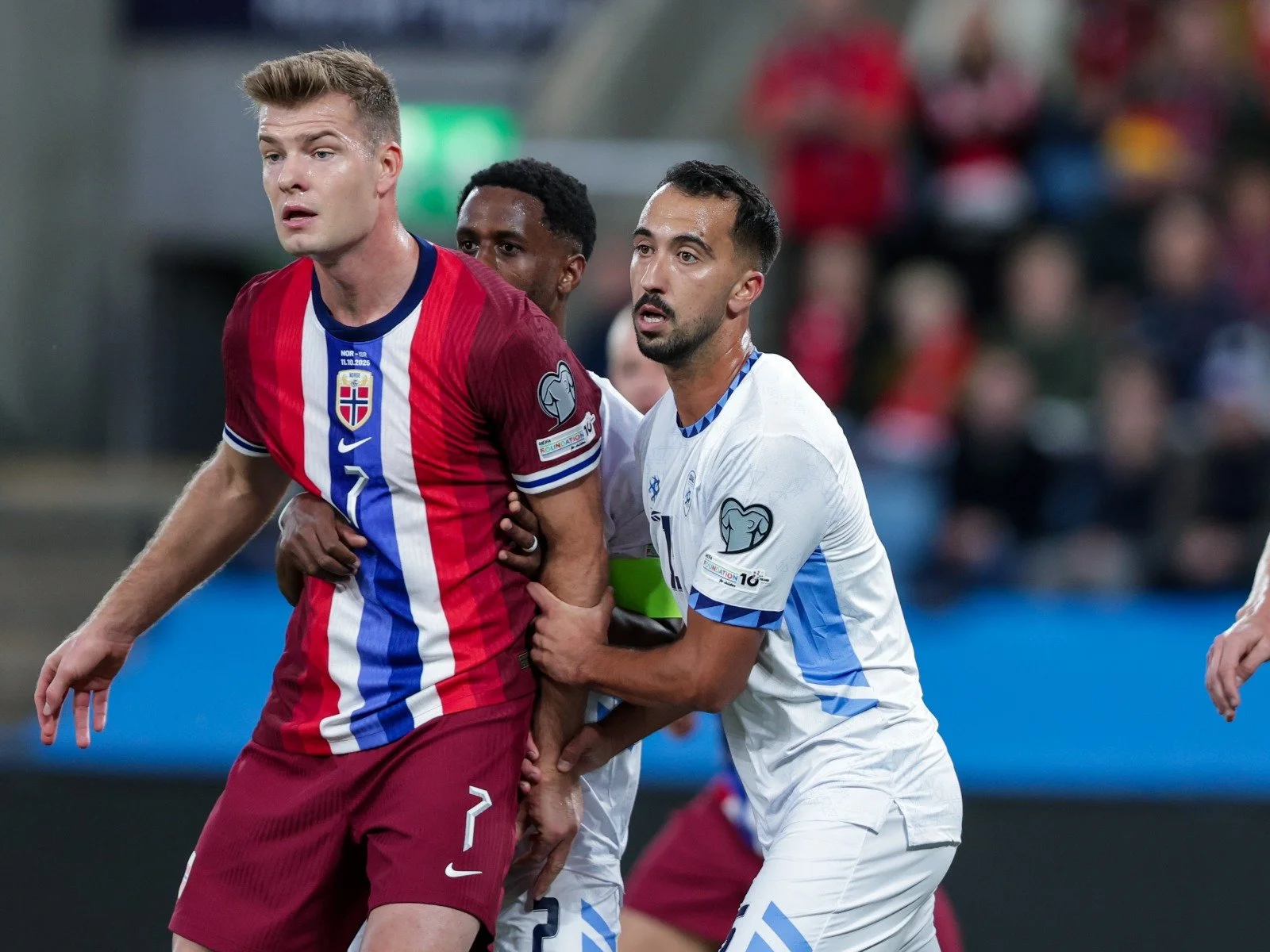
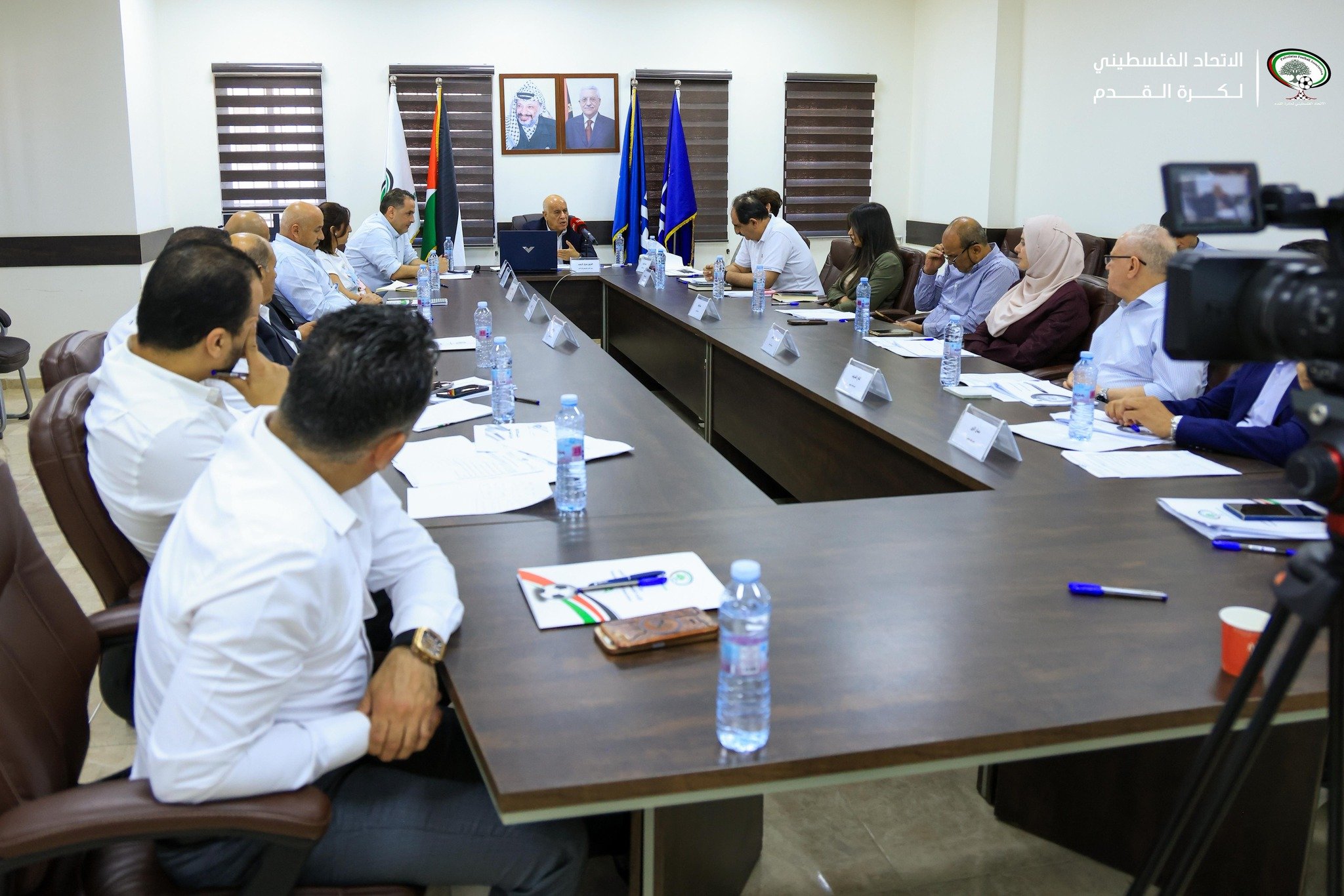
On the pitch, both national teams fell short. Palestine missed a historic Asian Qualifiers fourth-round spot following a refereeing scandal against Oman. Israel produced a heroic performance against Italy, losing 5–4 to the Azzurri, but leaving the campaign with little more than compliments.
Yet the defining football story of the war in 2025 was the death of Gazan footballer Suleiman Al-Obeid. Killed by shrapnel while waiting for humanitarian aid with his brother and two nephews, Al-Obeid’s death shocked the football world. Nicknamed the “Palestinian Pelé,” he became a global symbol and a football martyr of the war, drawing attention to the growing list of Palestinian athletes killed during the conflict.
His story reached far beyond football, influencing global opinion and pressuring UEFA and other governing bodies to publicly address the war, something rarely seen before.
Iran–Israel War and Football
The Israel–Gaza war was not the only conflict to impact football in the region. The brief but intense 12-day war between Israel and Iran also left its mark.
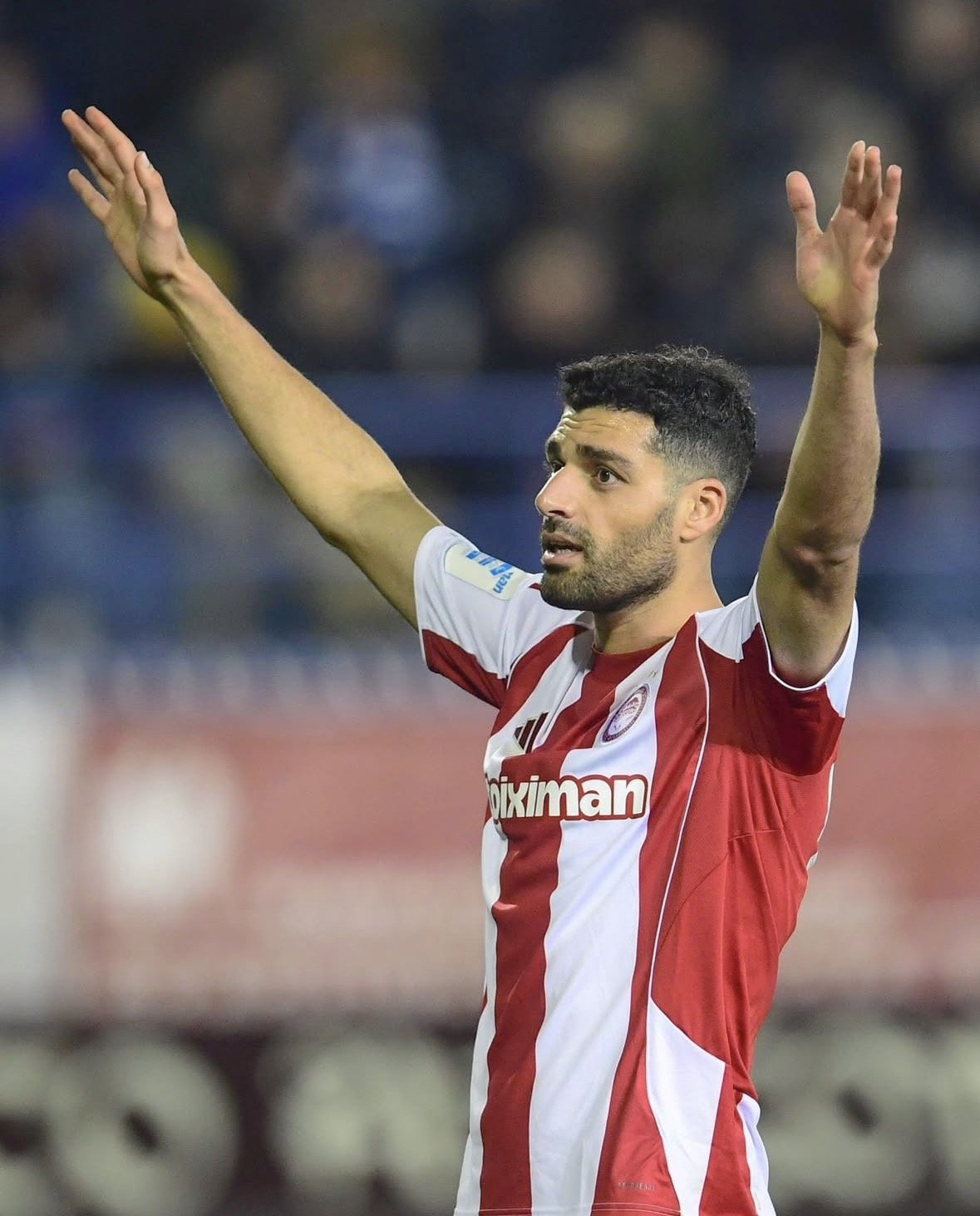
Leagues in both countries were halted, later resuming behind closed doors. Iranian clubs competing in AFC tournaments were forced to relocate matches to neighbouring countries. Players from both nations spoke openly about the situation, highlighting how deeply geopolitics continues to disrupt the game.
Qatar Is Here to Stay
Ahead of the 2022 World Cup, critics warned that Qatar’s stadiums would become “white elephants.” In 2025, those claims look increasingly detached from reality.
This year alone, Qatar hosted the FIFA Arab Cup, the FIFA Intercontinental Cup, the FIFA U-17 World Cup and the U-23 Gulf Cup. With the 2026 Finalissima between Spain and Argentina scheduled for Doha, and the 2029 Arab Cup already confirmed, Qatar’s World Cup infrastructure remains central to international football.
Combined with PSG’s European success and Qatar’s first World Cup qualification not as hosts, the message is clear: Qatar is not stepping away from football’s centre stage.
Saudi Arabia’s Football Revolution Continues
Alongside Qatar, Saudi Arabia further cemented its position as a major force in global football.
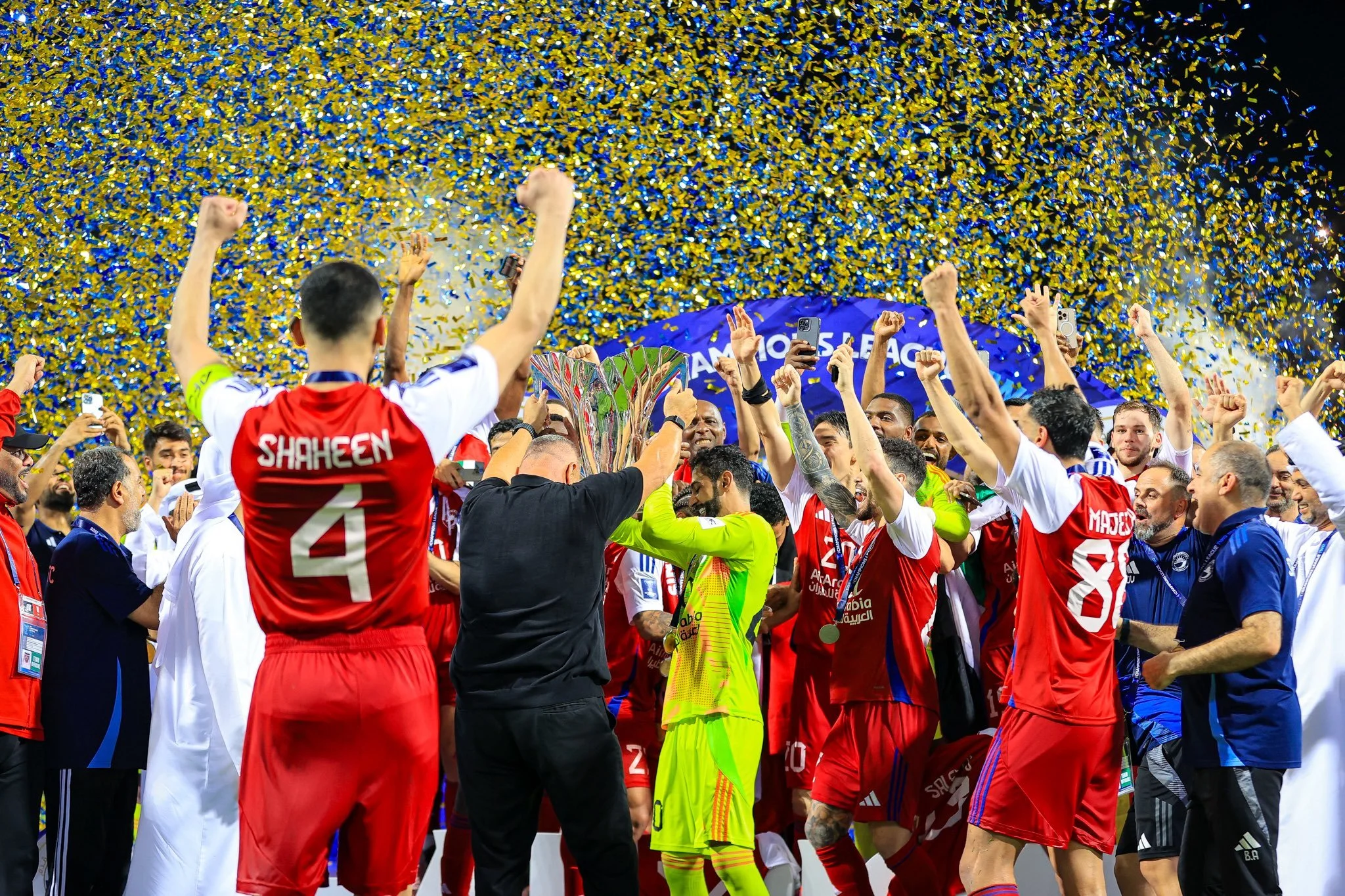
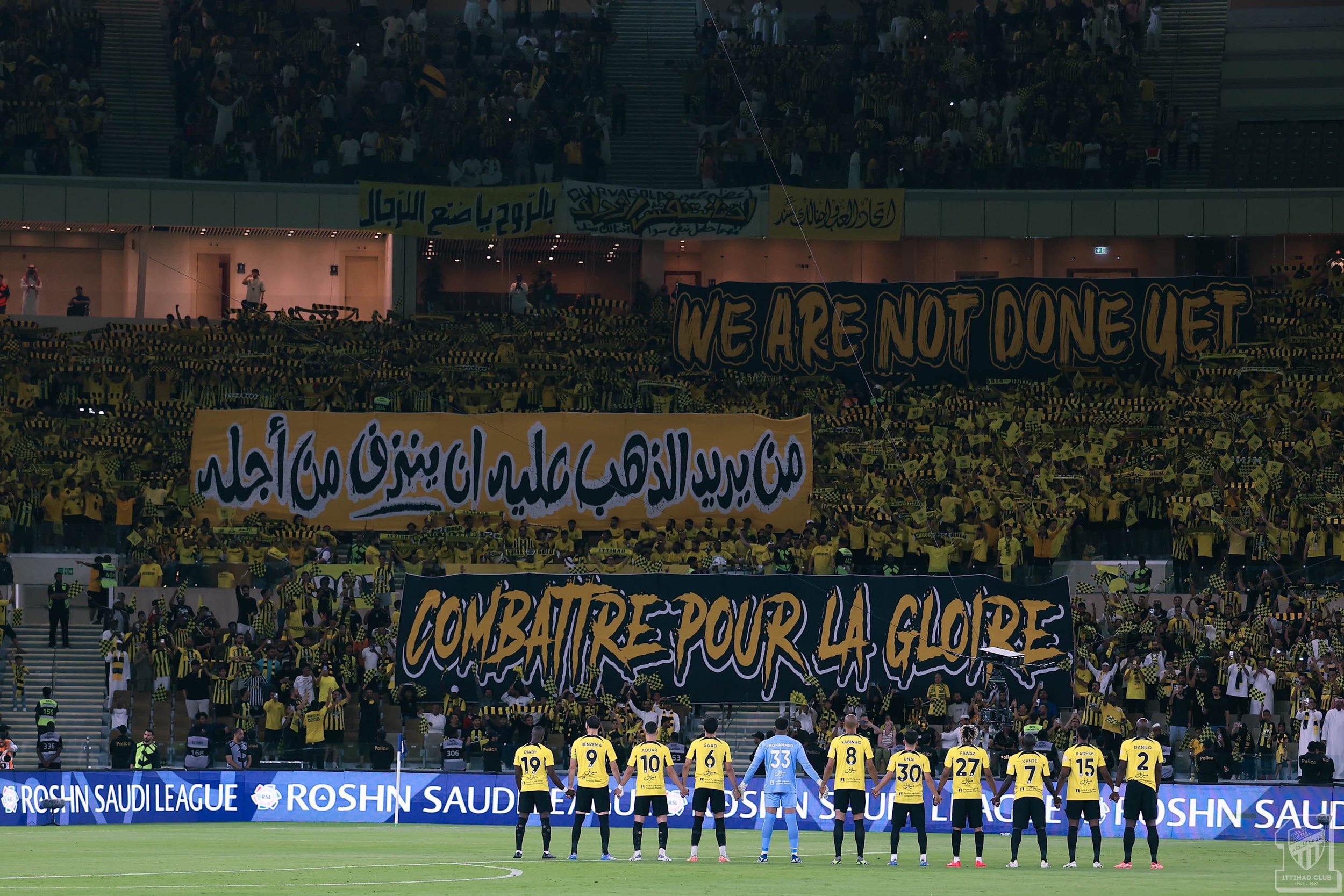
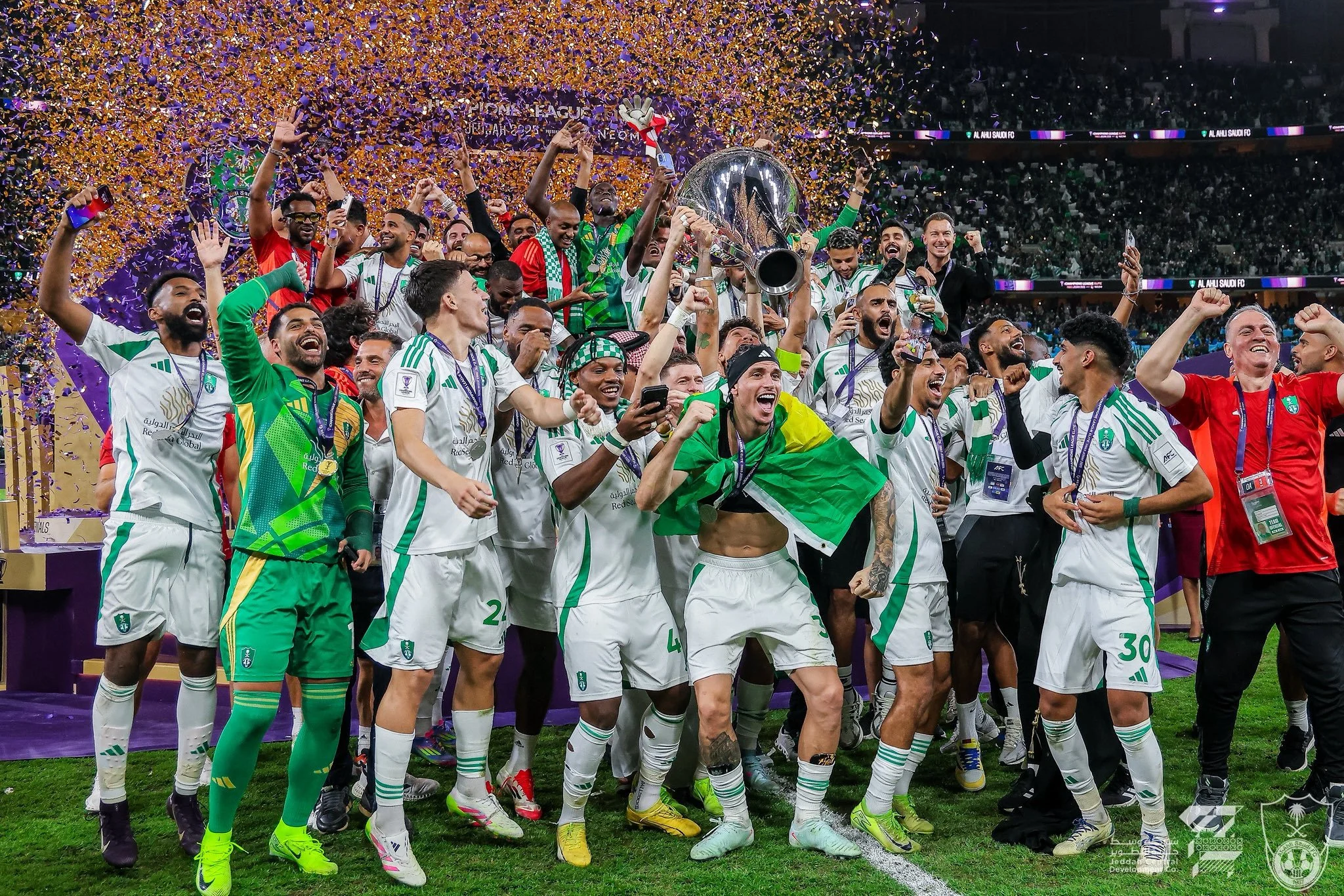
Since securing the 2034 World Cup hosting rights, and even before, Saudi Arabia has dramatically expanded its footprint. Al-Ahli Jeddah won their first AFC Champions League title, Saudi clubs became genuine continental superpowers, and international tournaments continued to flow into the Kingdom.
Following Qatar’s blueprint, but on a larger scale, Saudi Arabia aims to dominate football geopolitically, commercially and competitively. With FIFA President Gianni Infantino’s full backing, this process may reach its peak well before 2034.
Ronaldo’s Race to 1,000 Goals
It is impossible to discuss Saudi football without mentioning the man who transformed it overnight.
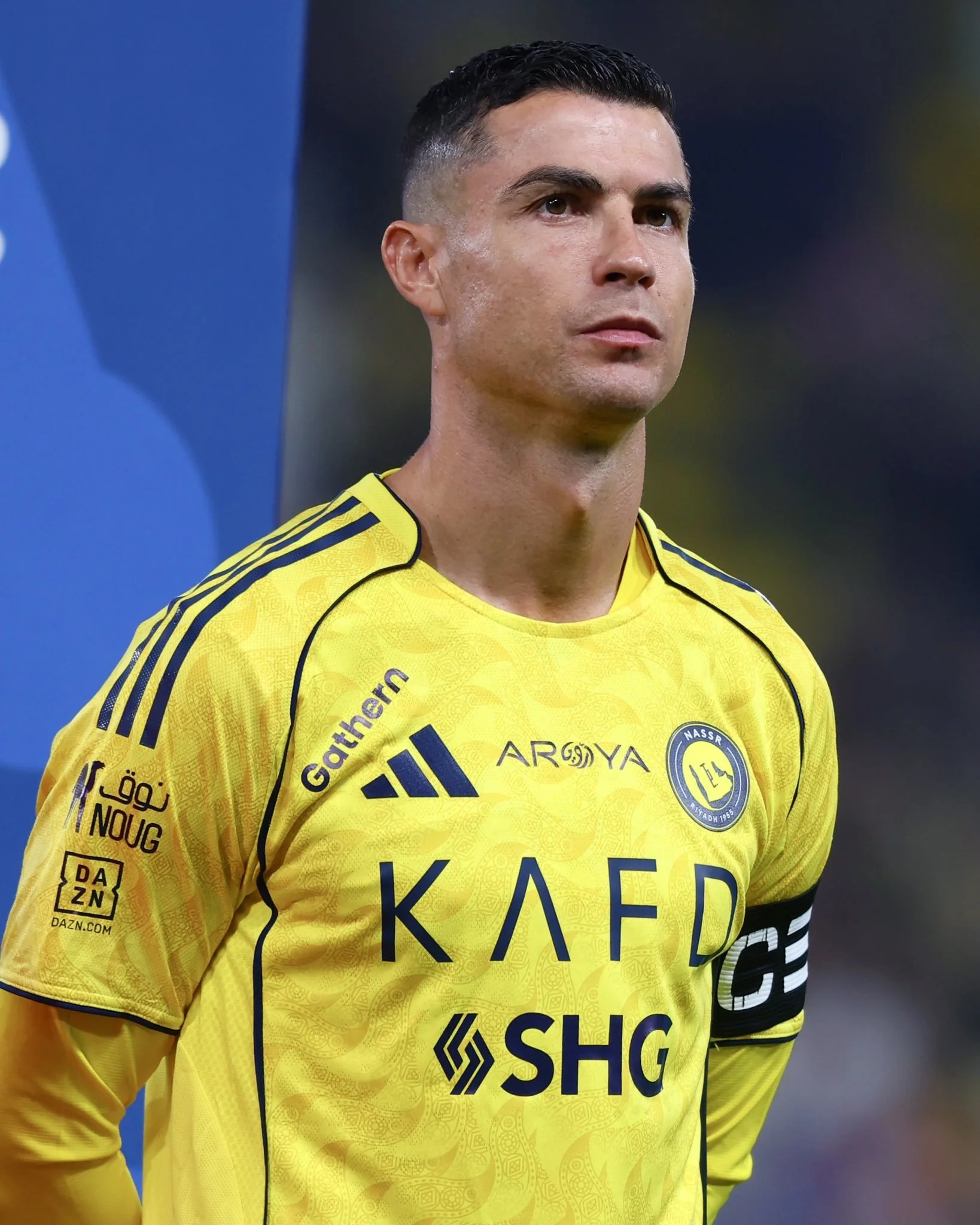
Cristiano Ronaldo, at 40, continues to chase dreams and records with relentless hunger. His race toward 1,000 career goals slowed slightly toward the end of the year, but the dream of scoring that goal number at the 2026 World Cup, perhaps at the Azteca, remains alive.
Ronaldo ends 2025 with 957 career goals, 41 of them scored this year alone. He will turn 41 in 2026. A machine. A pioneer. The footballer who paved the way for the Saudi Arabian league recent rise.
AFC Champions League Elite: A Question Mark
While UEFA rolled out its new league-stage format, Asia followed suit.
The AFC Champions League Elite introduced a centralised final tournament in Jeddah, abandoning the traditional home-and-away knockout stages. The result was mixed at best.
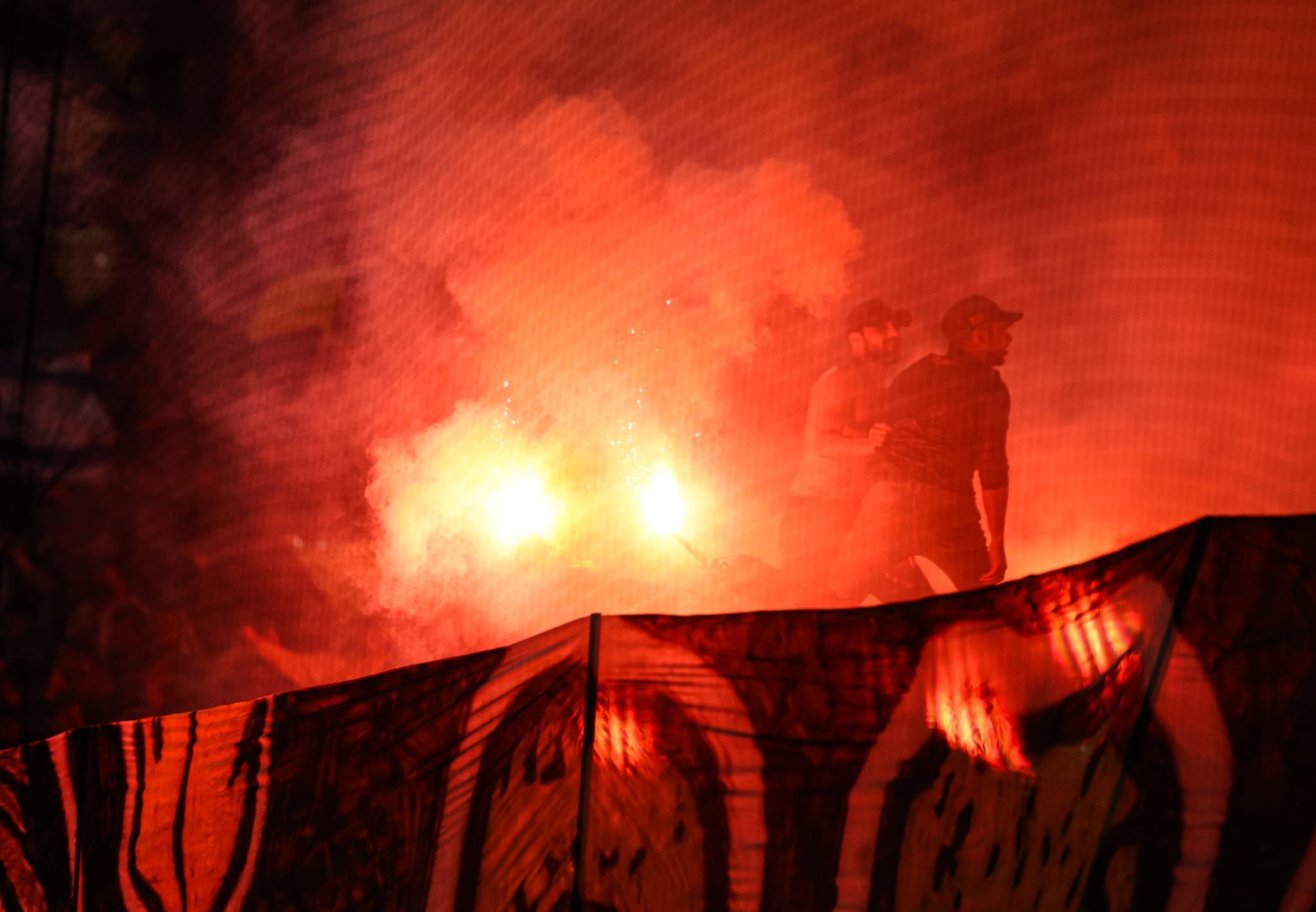
Sparse crowds, including matches with fewer than 3,000 spectators, highlighted the loss of atmosphere, especially for East Asian teams whose home advantage disappeared. While the AFC continues to push this model, the long-term sustainability remains questionable.
Pyramids’ Historic Breakthrough
Once viewed as an artificial project, Pyramids FC finally delivered substance.
Under Salem Al-Shamsi’s ownership, the Egyptian club won its first CAF Champions League after a dramatic final against Mamelodi Sundowns. A 93rd-minute equaliser away and a composed 2–1 home victory sealed a historic triumph.
Defeating Al-Ahli Jeddah in the Intercontinental Cup soon after may mark the beginning of a new era.
Flamengo’s South American Empire
In 2025, Flamengo reclaimed its throne.
Under young coach Felipe Luís, Mengão completed the prestigious Brasileirão–Libertadores double, battling a powerful Palmeiras side and reaffirming Brazil’s internal shift toward superclub dominance.
Led by Giorgian de Arrascaeta, a South American superstar who never played in Europe, Flamengo embodied the perfect modern South American club.
Jordan’s Arab Cup Statement
Jordan’s football renaissance continued beyond World Cup qualification.
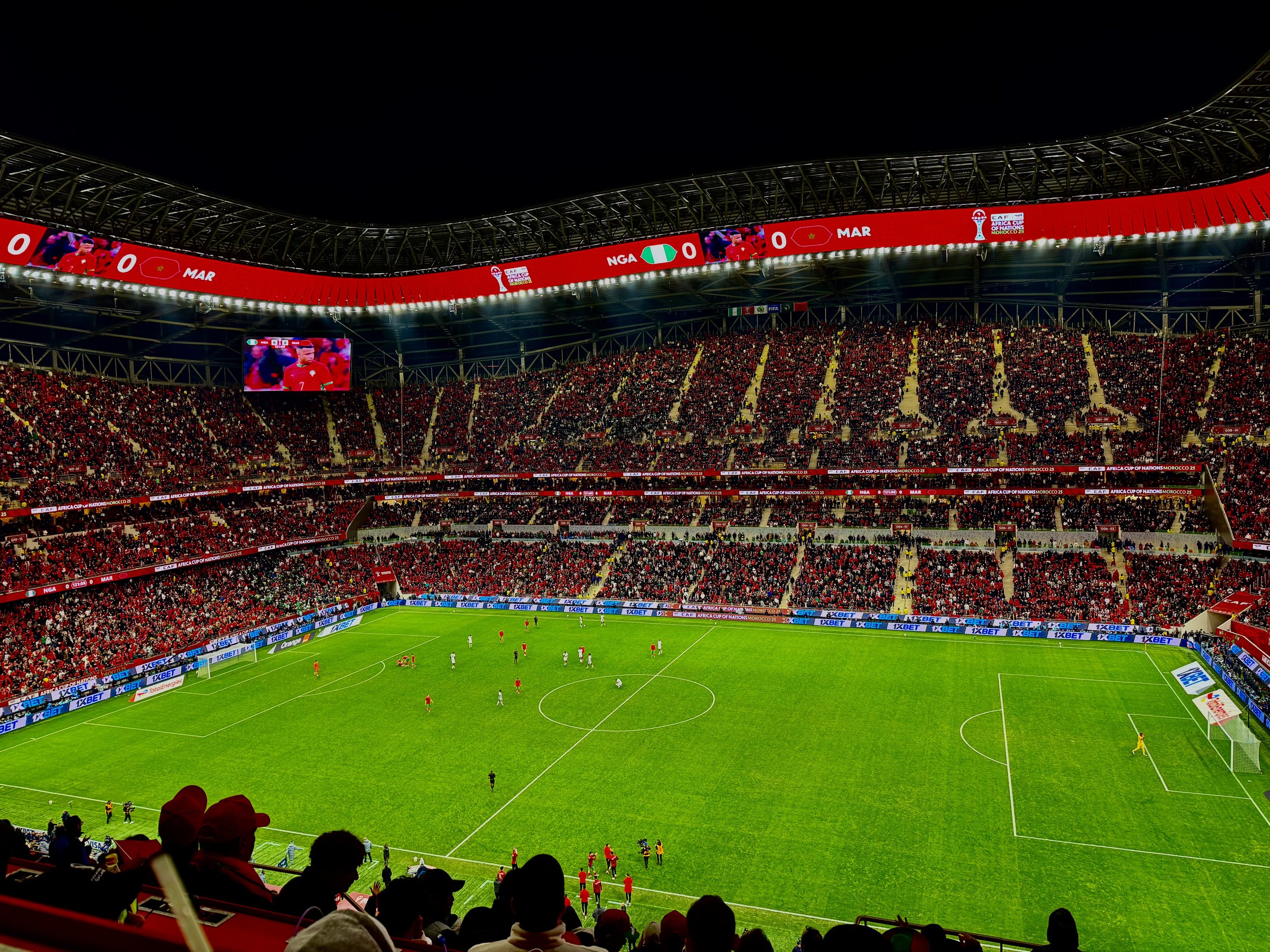
Their impressive run to the Arab Cup final in Qatar proved that recent success was no fluke. Pushing Morocco to the limit, without star Mousa Al-Taamari, Jordan confirmed itself as West Asia’s leading national team.
Under Moroccan coaches, first Hussein Amouta and now Jamal Sellami, Jordan reached unprecedented heights.
Morocco: The Kingdom of Football
Morocco’s dominance is no coincidence.
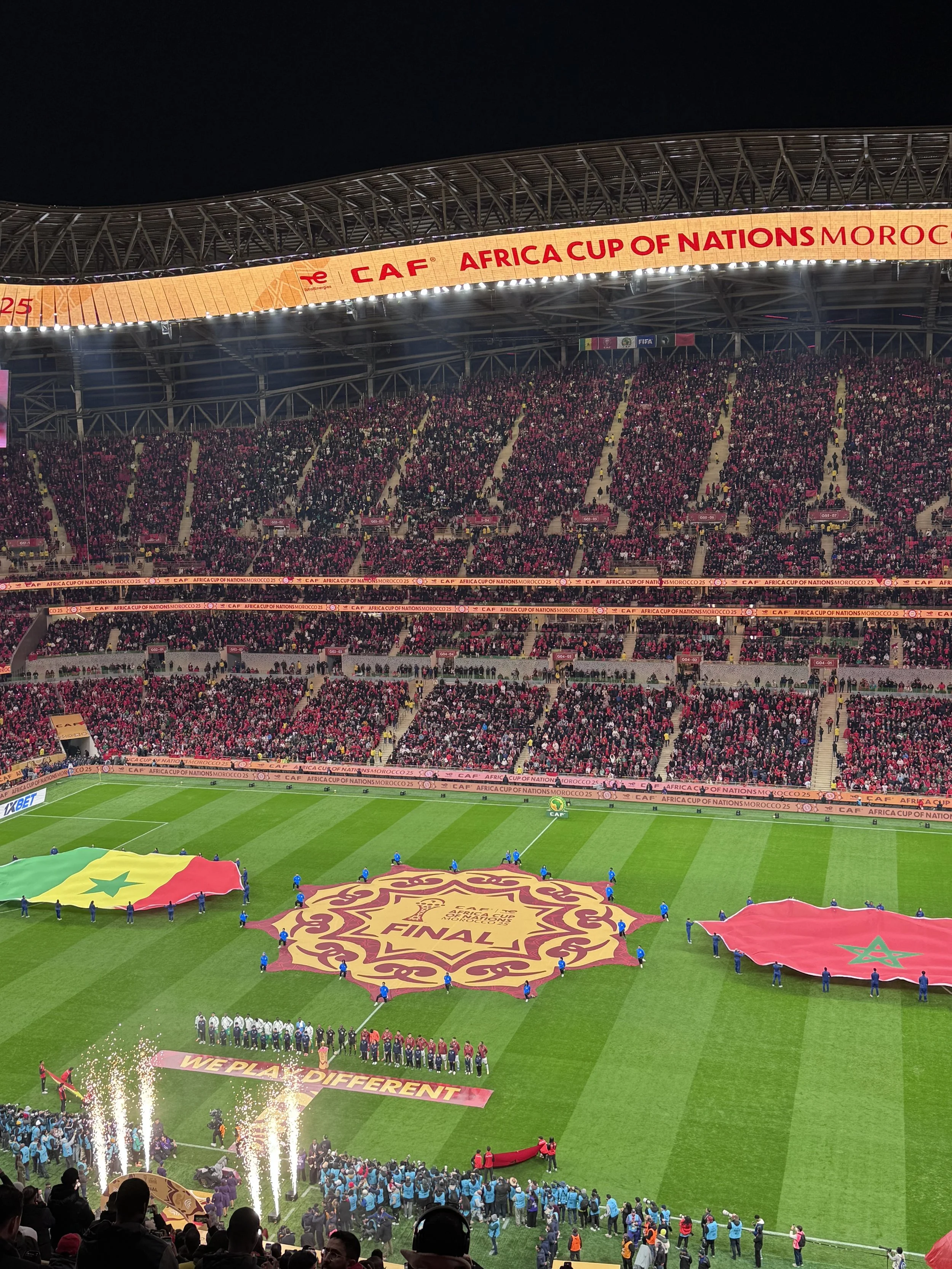
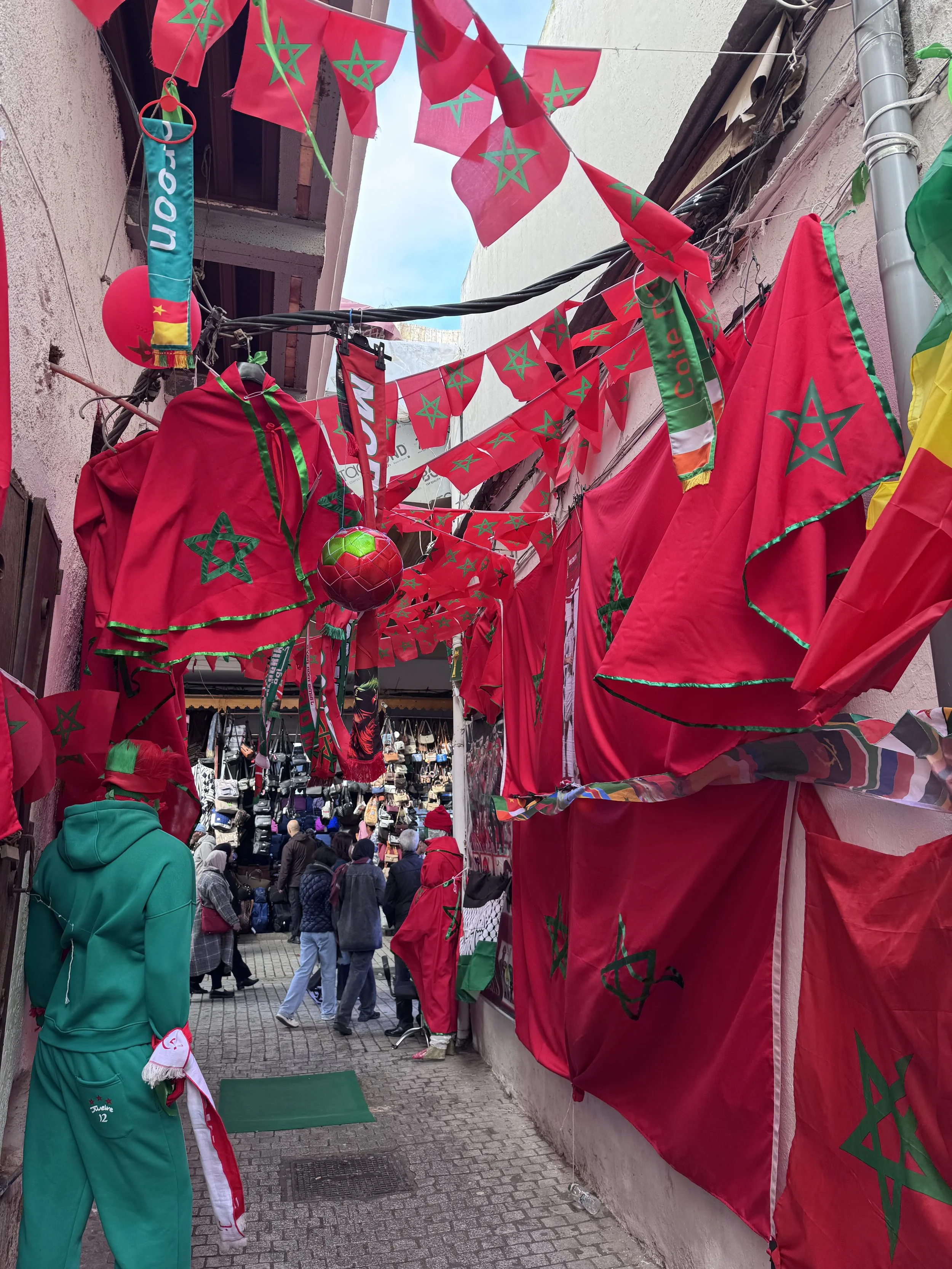
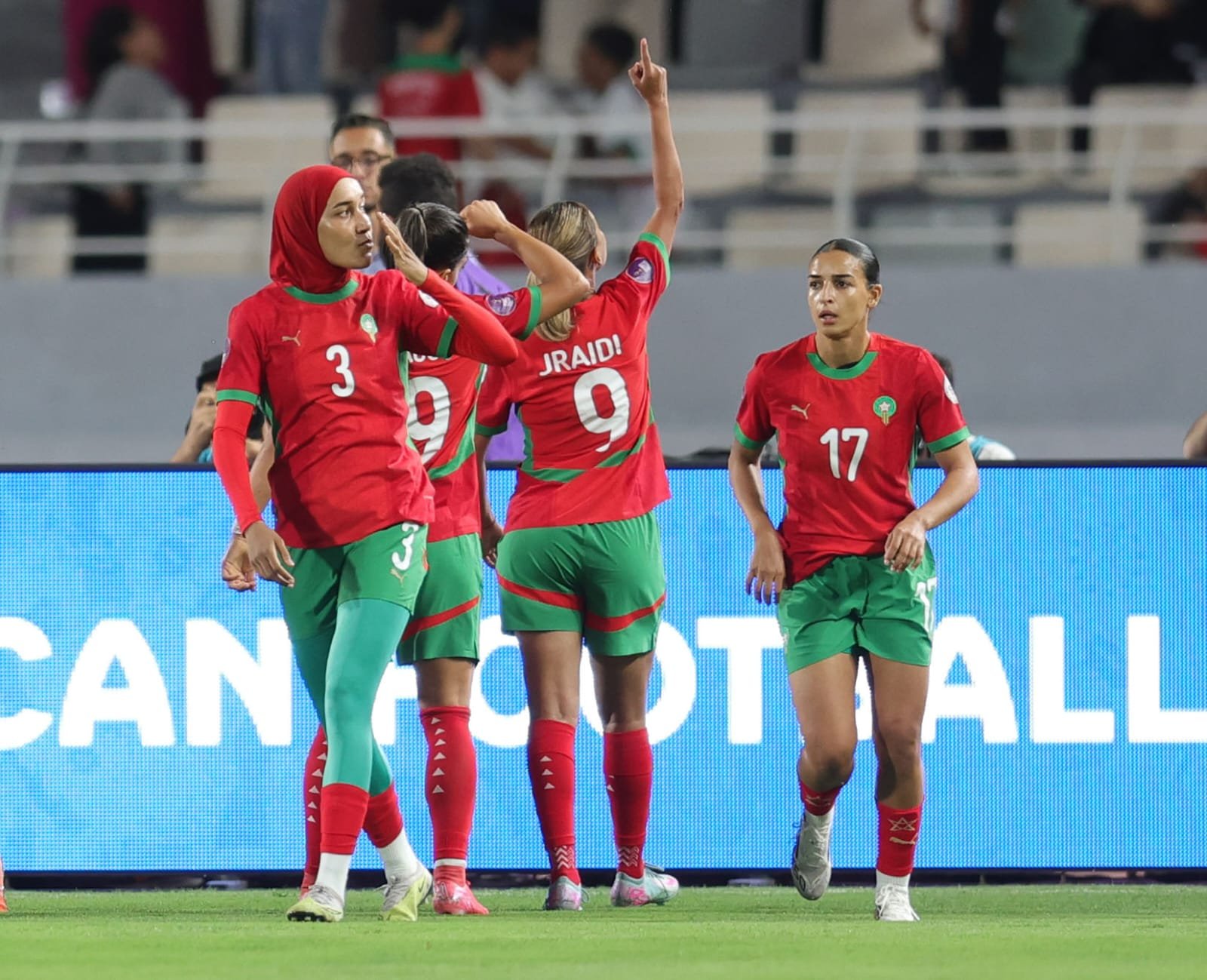
U-20 World Cup champions, Arab Cup winners, Olympic bronze medalists, AFCON hosts, and future 2030 World Cup co-hosts. Morocco has entered a historic football era.
This is the Moroccan age in Arab and African football, and it’s only beginning.
UAE and the Identity Question
The UAE’s growing reliance on naturalised players reached a critical point.
At the Arab Cup, only one non-naturalised Emirati featured in the starting lineup. Whether this approach leads to success or identity erosion remains an open, and troubling, question.
Malaysia’s Naturalisation Scandal
Naturalisation has become a global trend, but in Malaysia, it turned into a scandal.
FIFA revealed that seven players used falsified documents to change nationality. Investigations continue, with potential consequences looming over Asian Cup qualification.
Messi Finally Wins the MLS Cup
Lionel Messi finally lifted the MLS Cup in 2025.
After near misses in previous seasons, Inter Miami stormed the playoffs. Messi finished as top scorer with 29 goals and delivered two assists in the final, leading Miami to a historic 3–1 victory.
Argentine Chaos, As Always
Argentina’s league chaos reached new heights. There is one thing that is unstable in Argentine football, the league’s format. The AFA has a long tradition of changing and mixing, but this kind of improvisation was completely new.
Rosario Central were crowned champions controversially, Estudiantes protested with a symbolic back-turned guard of honour, and Juan Sebastián Verón was banned, before celebrating among fans days later.
Pure Argentine football.
Nigeria Misses Again
For the second consecutive World Cup, Nigeria will be absent.
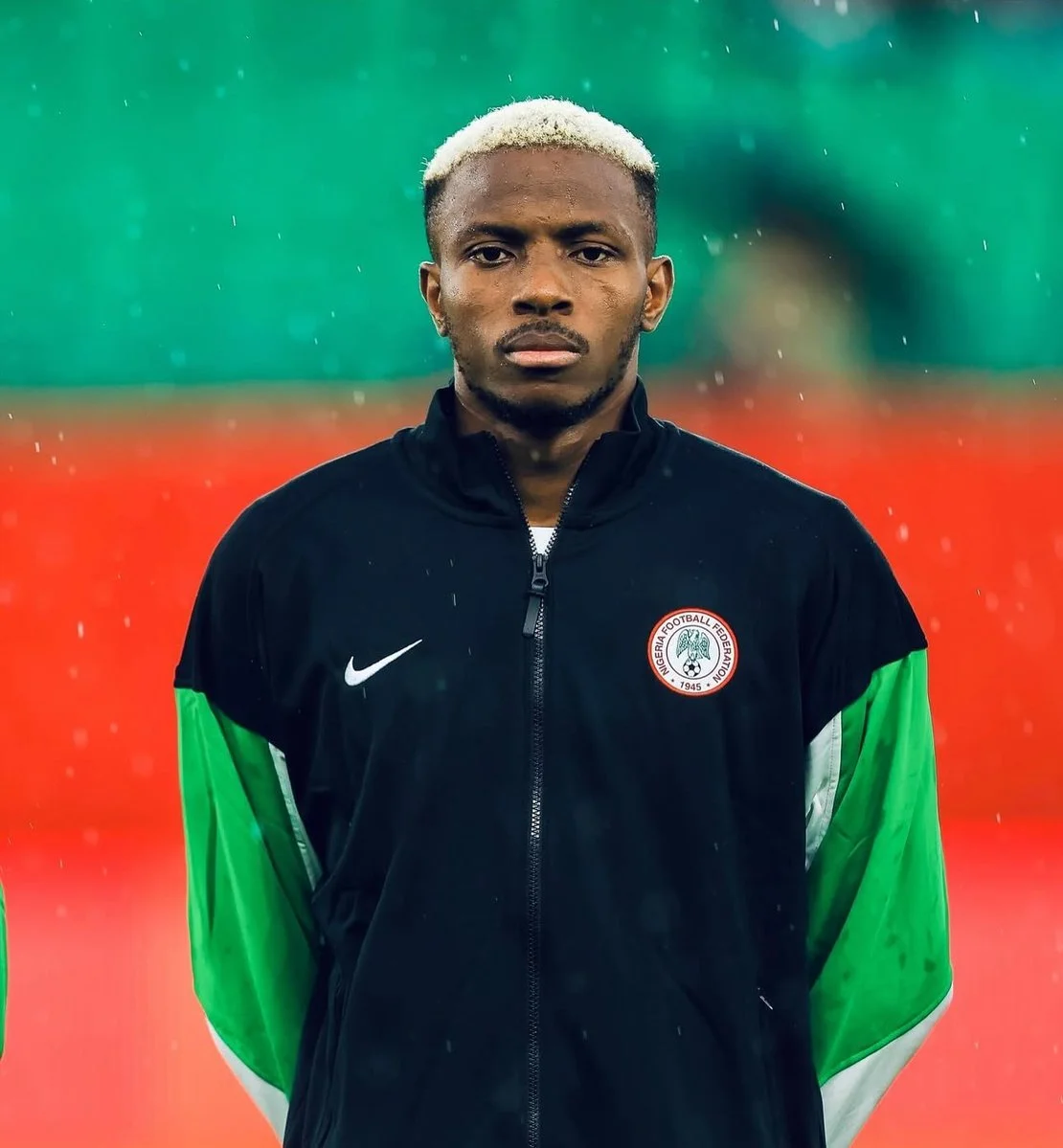
Despite late improvement under Éric Chelle, the Super Eagles lost the African playoff final to DR Congo on penalties, extending one of African football’s most painful downturns.
The Rise of Women’s Football
Women’s football continued its rapid ascent.
Record crowds, a successful Euro 2025 in Switzerland, and FIFA’s upcoming Women’s Intercontinental Cup confirm a generational shift. A new football culture is being born, one that values women’s football with equal passion.
Honorary Mentions
Mjällby’s first Swedish championship
Machida Zelvia’s rise to the AFC Champions League debut
Cruz Azul winning the CONCACAF Champions Cup
South Melbourne winning Australia’s inaugural Championship
Ángel Di María’s return to Rosario Central






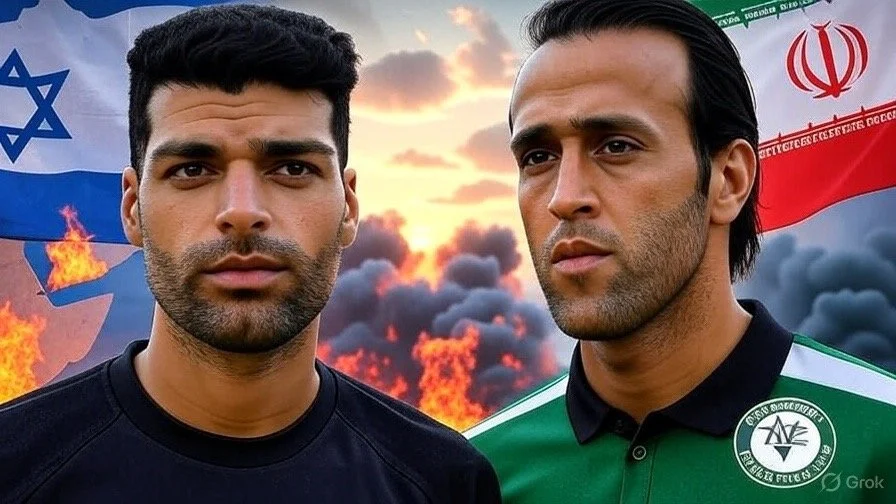













With tensions easing, Iran’s 2026 World Cup participation remains uncertain, as FIFA, politics, and regional dynamics collide.