
RABAT — The morning of the Morocco–Nigeria semifinal began like so many others during AFCON 2025. With rain.
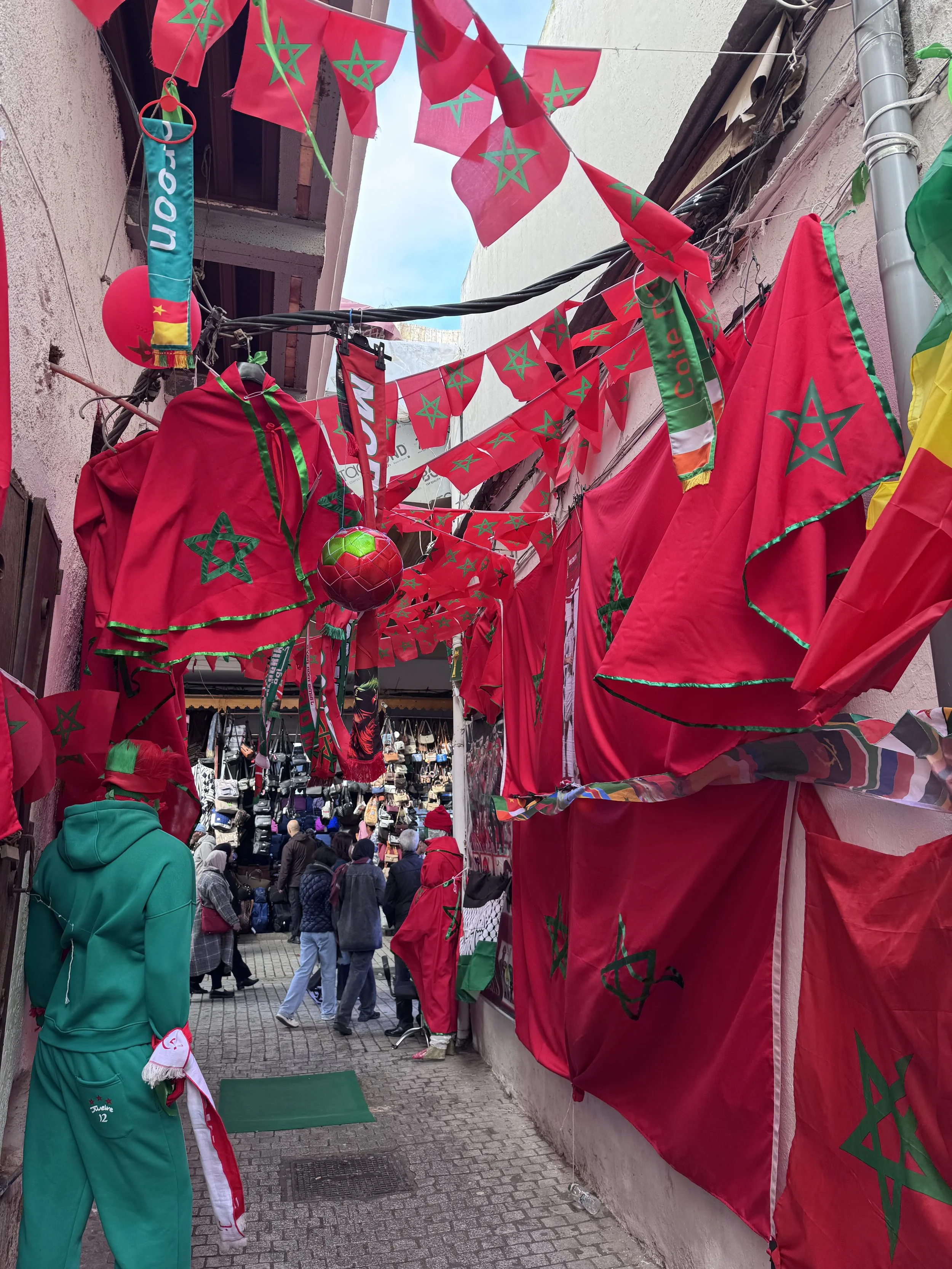
But as the hours passed and the clouds slowly cleared, Rabat began to change. The sun came out, and with it, a sense of tension. A city usually calmer than buzzing Marrakech or bustling Casablanca suddenly turned into a bundle of nerves.
A Long Road Back to the Summit
Morocco has not won the Africa Cup of Nations since 1976, when they lifted the trophy in Ethiopia. In 1986, they reached the semifinals but finished fourth, a position they repeated in 1988 when they hosted the tournament for the first time.
In 2004, in Tunisia, they reached the final only to lose to the hosts. And since then, for 22 long years, Morocco failed to return to Africa’s final four.
“I am happy we made it to the semifinal, as it took us years to be here again,” head coach Walid Regragui said at the press conference a day before the match. “The four teams left in the competition are the best in Africa.”
Rabat as the New Capital of African Football
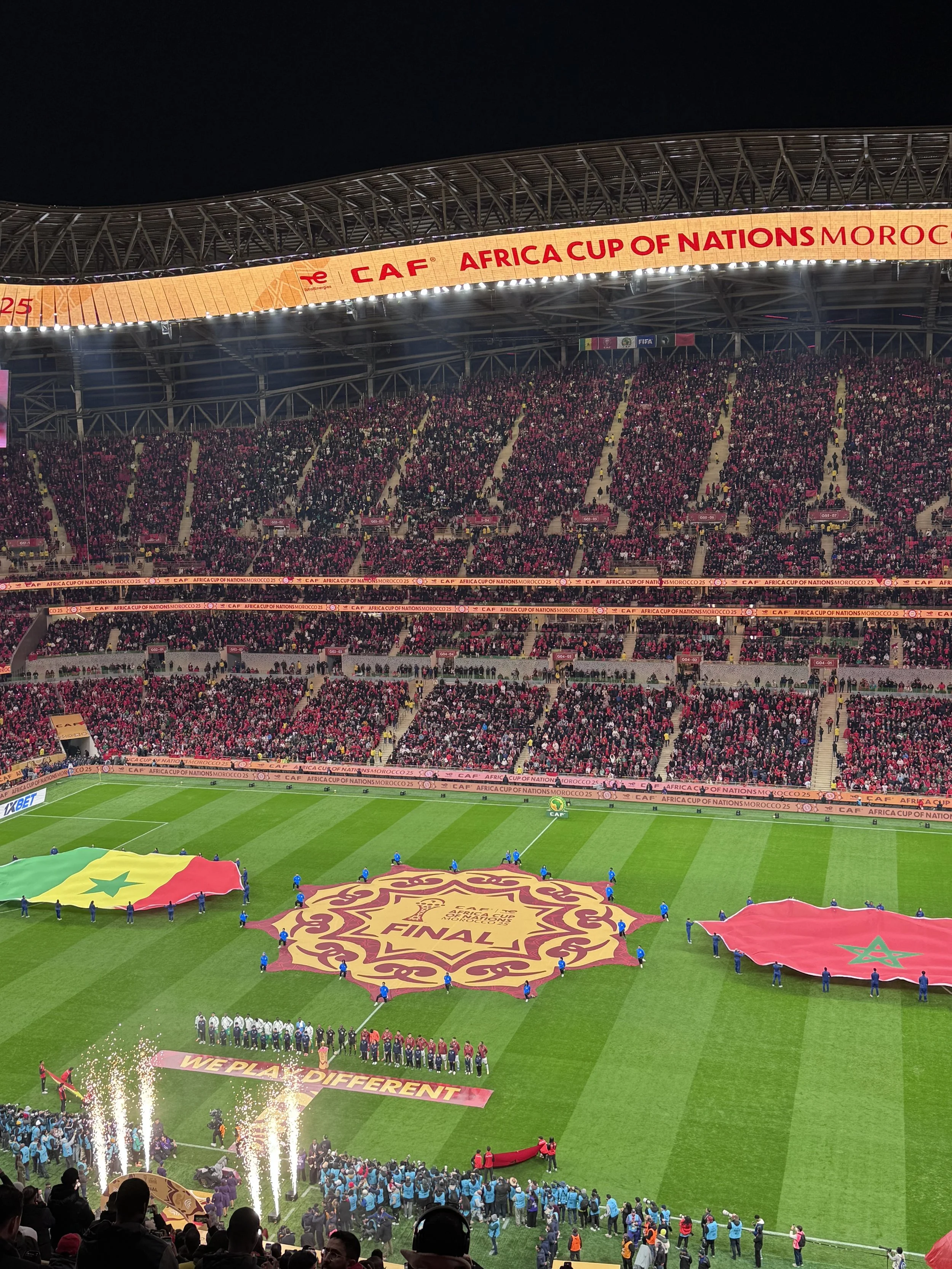
Rabat is dressed for the occasion. The city is heavily branded as the new capital of African football, backed by four state-of-the-art stadiums and the Mohamed VI Football Academy, the beating heart of Morocco’s modern football project.
This AFCON is also a major test run ahead of the 2030 World Cup, which Morocco will co-host. FIFA supervisors are present on the ground, closely examining every aspect of organisation, infrastructure, and logistics.
In terms of facilities, Rabat is now home to four brand-new stadiums, each built to the highest international standards.
Calm Streets, Electric Stands
During the tournament, there were complaints about the atmosphere outside the stadiums. On the morning of the semifinal, Rabat felt calm, almost quiet.
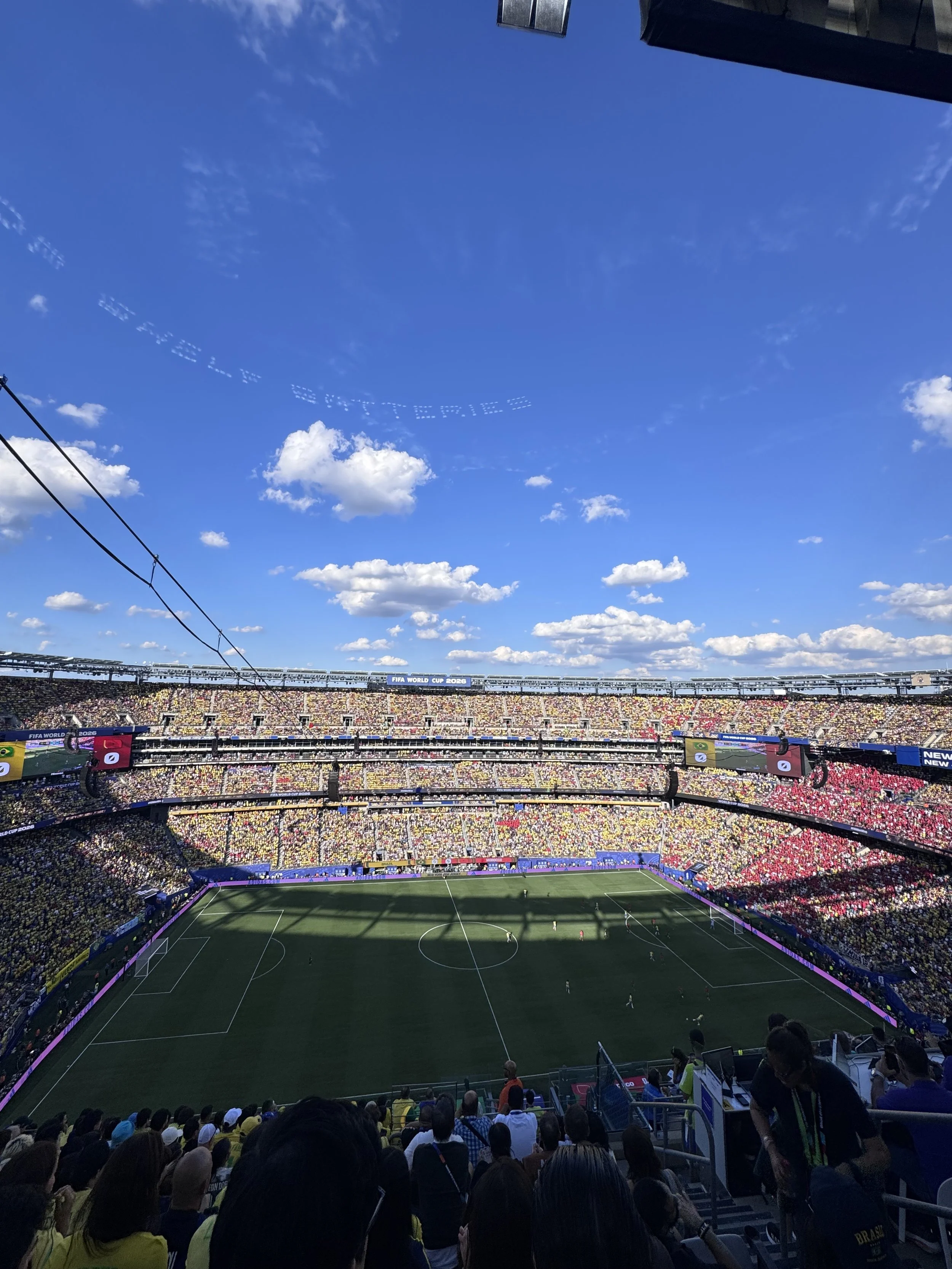
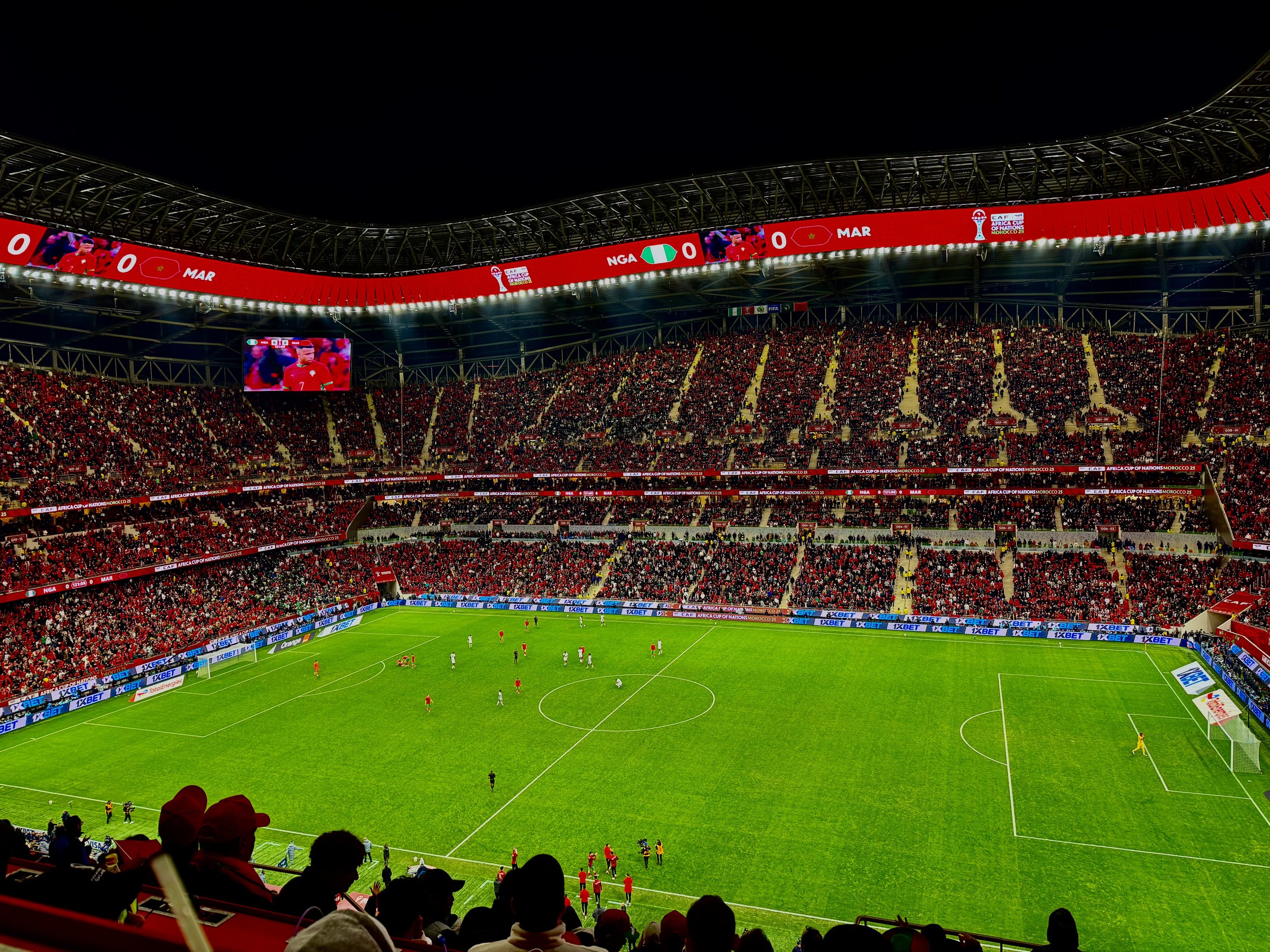
Inside the Prince Moulay Abdellah Stadium, however, it was something else entirely.
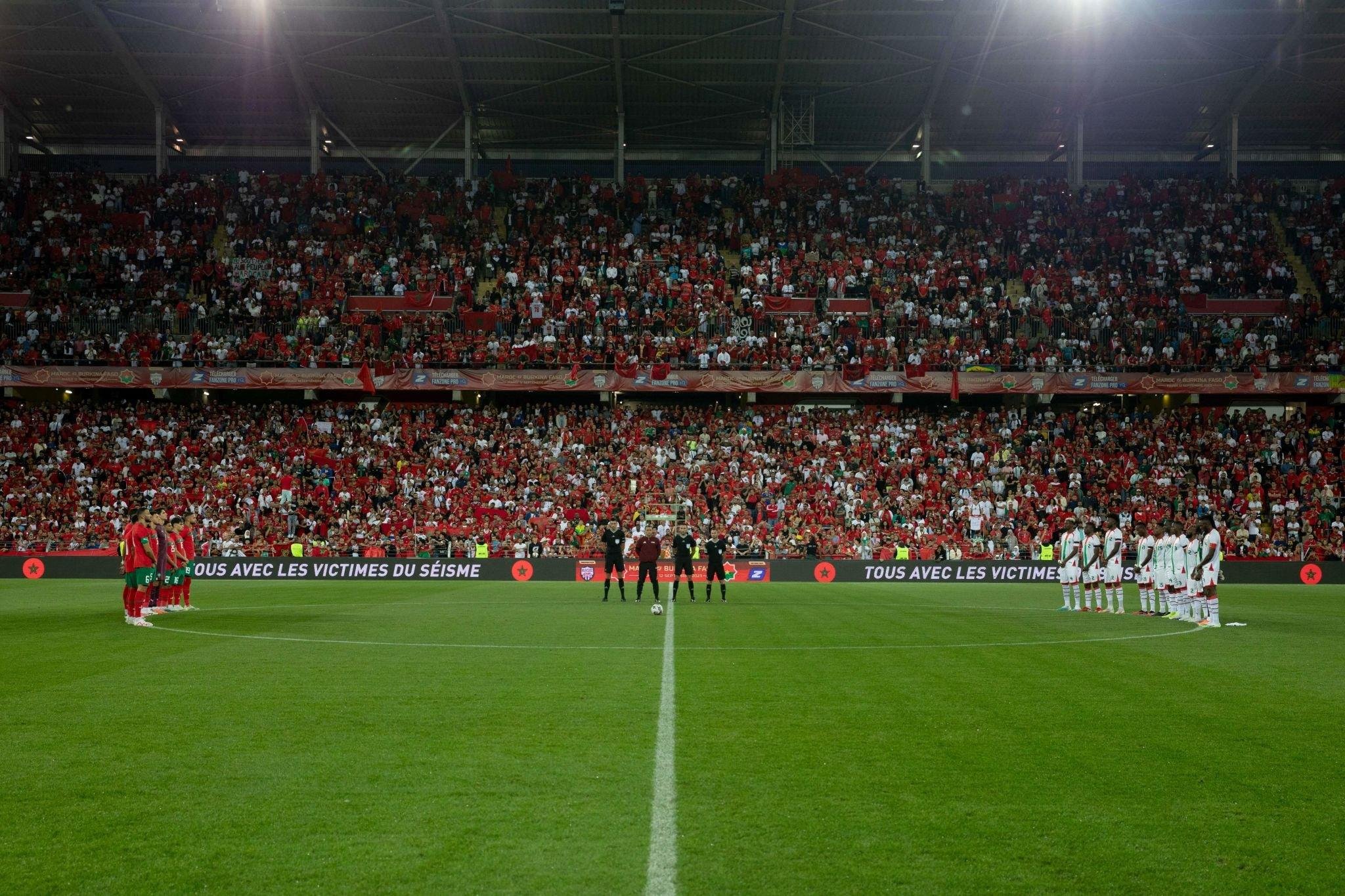
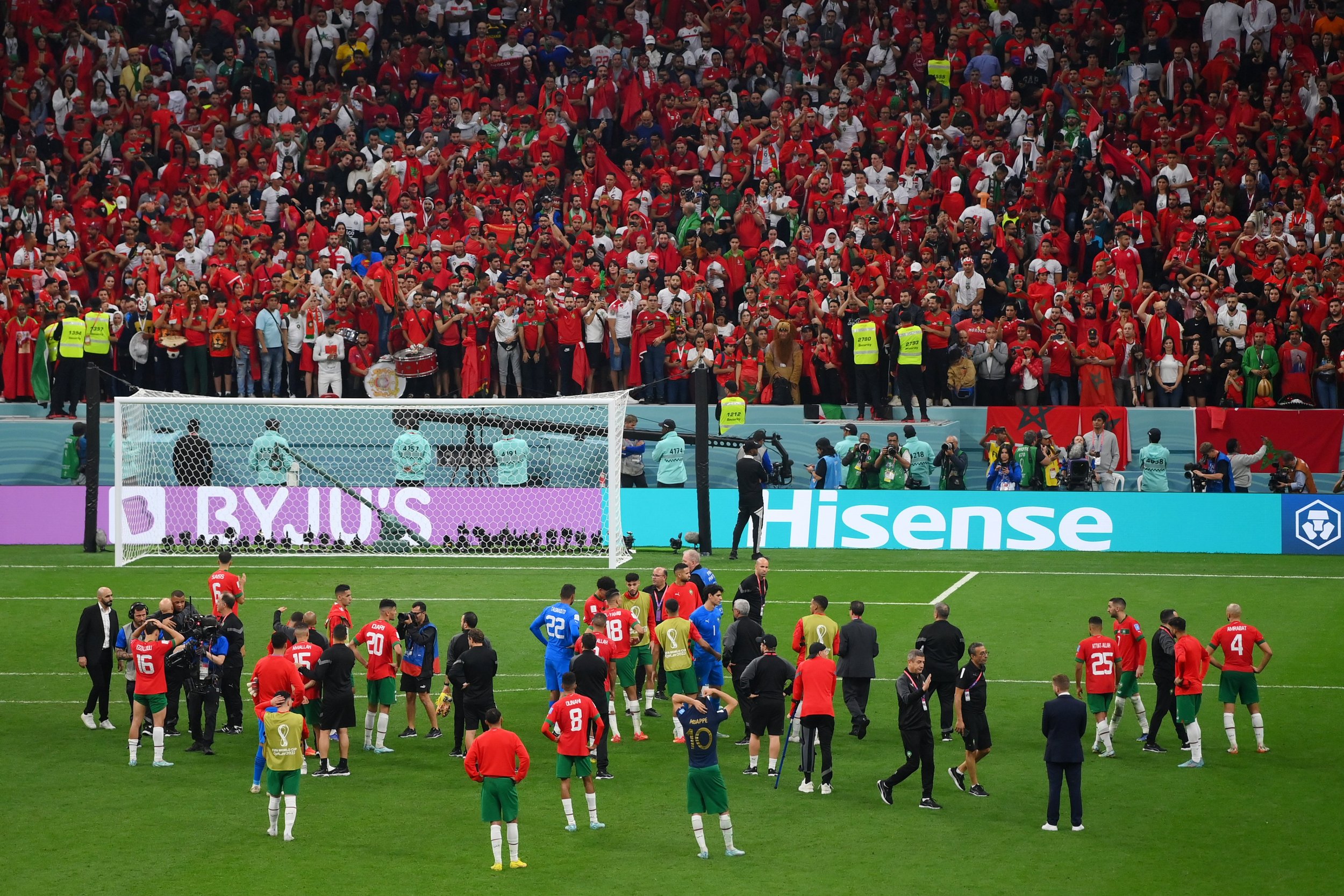
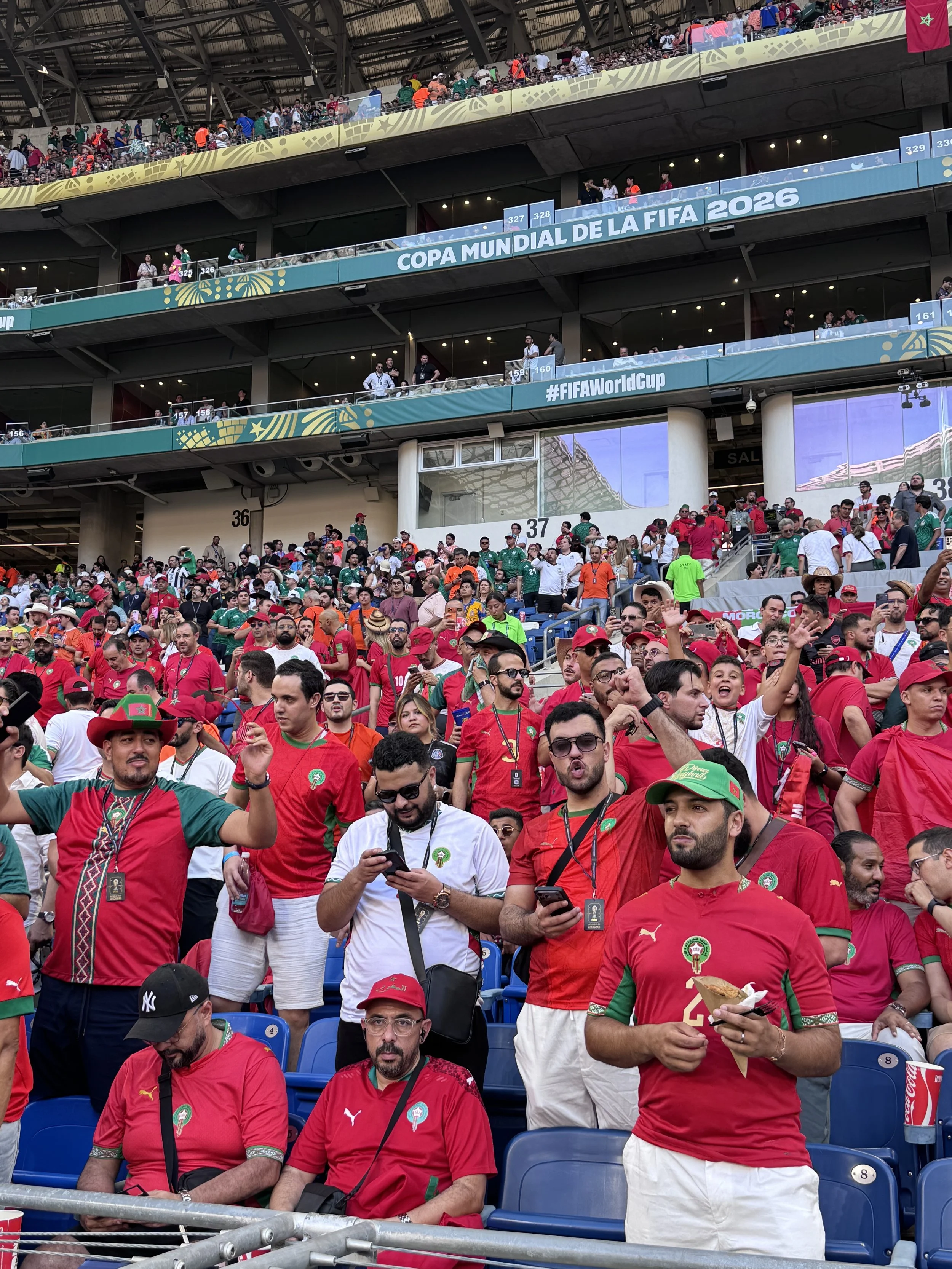
More than 60,000 Moroccan fans created a wall of sound. Every Nigerian attempt to build an attack was met with deafening boos. The noise was relentless and ear-shattering.
A Tactical Battle, Short on Chances
The first half was played at a high level but ended goalless. Nigeria controlled the tempo for long spells, while half-chances appeared at both ends.
Before kick-off, Super Eagles legend Nwankwo Kanu told BabaGol: “Nigeria are the coming AFCON champions.” As the game unfolded, it became clear how much Nigeria could have used his experience and football intelligence on the pitch.
The second half was less attractive from a footballing perspective, but the atmosphere never dropped. The crowd kept driving Morocco forward. Official attendance stood at 65,458. Perhaps 200 of them supported Nigeria.
Nerves, Fatigue, and Penalties
After 90 minutes, the score remained 0–0 and the match went into extra time. Star players on both sides struggled to impose themselves. Nigeria managed just one shot on target throughout the entire match. Morocco produced only two.
Penalties felt inevitable.
Morocco were the first to miss, but Nigeria failed to capitalize. Nerves took over. Eventually, Fenerbahçe striker Youssef En-Nesyri stepped up and scored the decisive penalty, sending the Atlas Lions to their first AFCON final since 2004 and within touching distance of a first title in 50 years.
More Than a Win
“We are super proud,” Abdessamad Ezzalzouli told BabaGol after the match. “For more than twenty years we didn’t play a final. For my family, it’s super important.”
The fact that Ezzalzouli mentioned his family speaks volumes. It highlights the deep bond between Morocco’s diaspora players, the national team, and Moroccan identity itself, an idea that finds its most powerful expression through football. This is perhaps one of the clearest signs of the success and impact of Morocco’s ongoing football renaissance.
A Final Like No Other, and Questions That Remain
Sunday’s final is set to be one of the strongest home-advantage matches African football has seen in decades. The passion and desire among Moroccans to see their team lift the trophy is immense.
Yet some questions remain.
The first is whether everyone is truly celebrating. Before the tournament, large-scale socio-economic protests took place across the country. Students and citizens demanded better healthcare, improved education, and less investment in football. Protests are rare in Morocco and were quickly silenced, but not everyone is swept up in the current football euphoria.
The second question concerns the essence of Moroccan football passion itself. The raw, uncompromising energy seen in Raja or Wydad Casablanca matches is unique. The challenge moving forward, as infrastructure and organization improve, is preserving that authentic love for the game across all levels of society. Moroccan football culture is rare in the global game and must remain central to this newly born “Kingdom of Football.”
Between Faith, Nation, and History
“If you build it, they will come,” goes the famous phrase. In Morocco, especially now, ahead of a first AFCON final in decades and a real chance to win it for the first time since the 1970s, these questions remain unanswered.
For now, there is only one option: come to the stadium, watch the game, and pray for victory.
In the name of Allah, al-watan (the nation), and al-malik (the king).








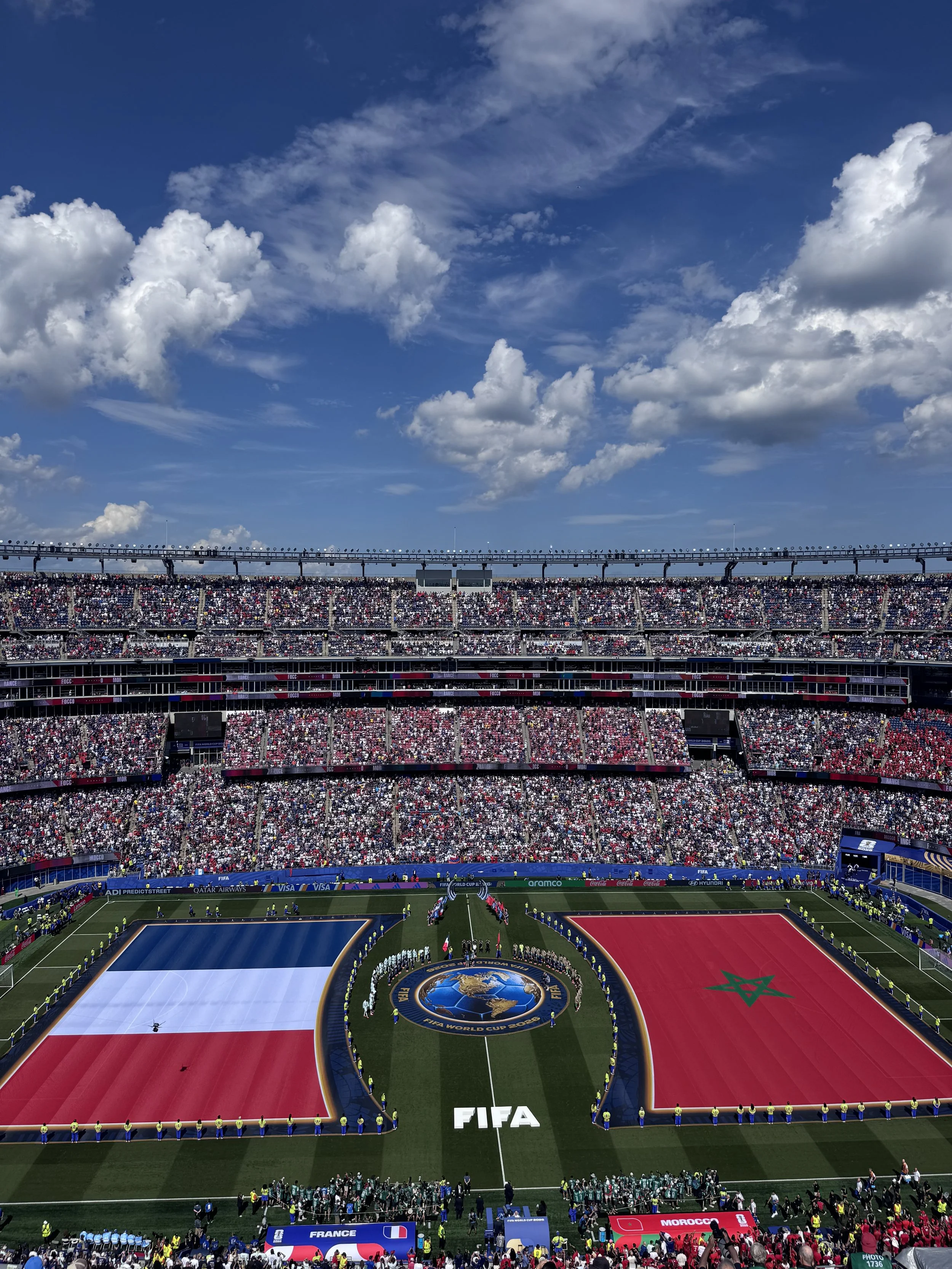







Ayoub Bouaddi chose Morocco over France at 18 and lit up a quarter-final about colonial history, dual identity, and what it means to belong.