
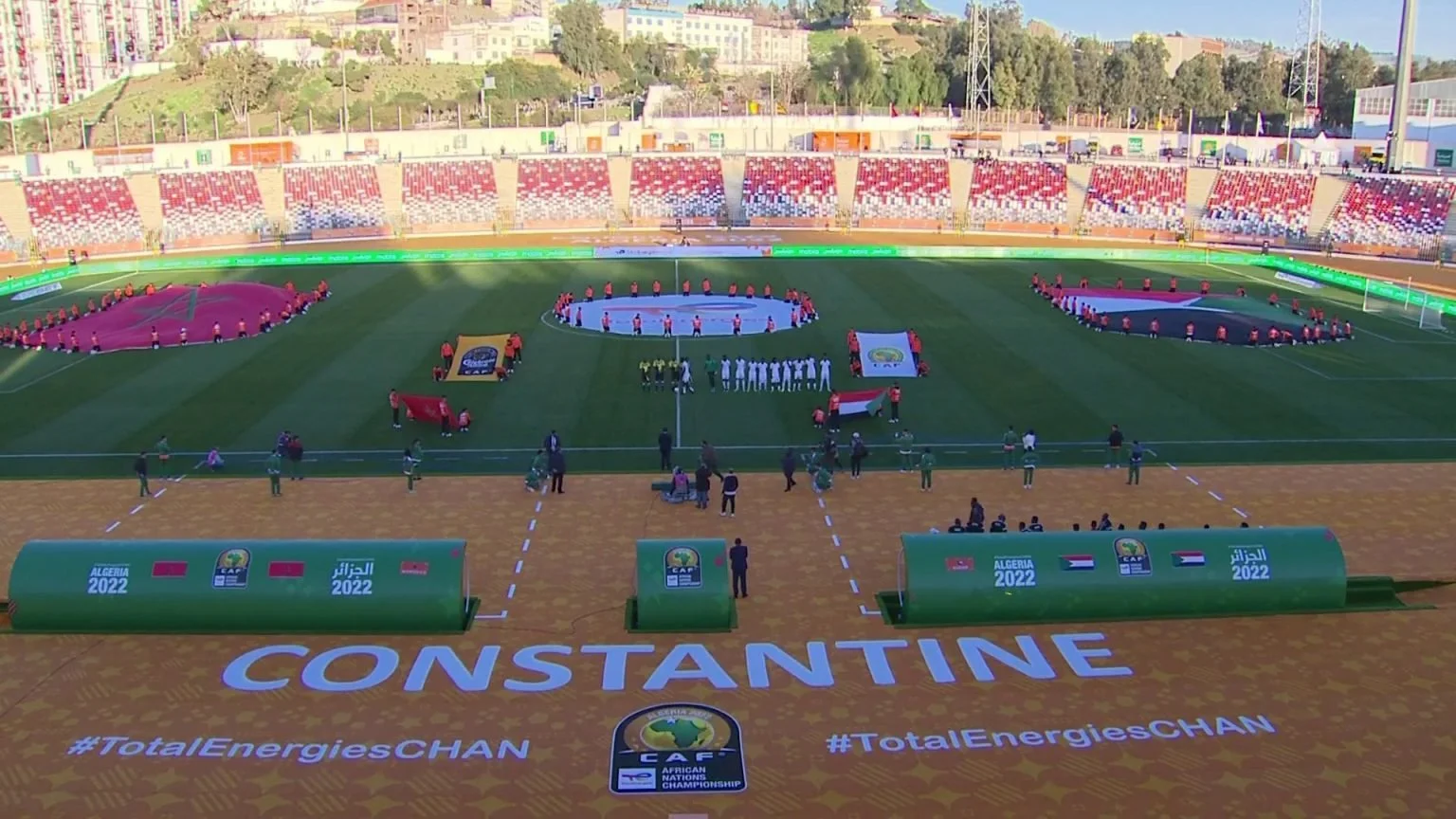
Morocco were supposed to play this Sunday against Sudan in Constantine, Algeria, their first game in the African Nations Championship - CHAN 2022 - but didn’t happen.
The Sudanese players stood for the national anthems, but no Moroccan team was there.
Y finalmente... se lio.
— Víctor Romero (@Futbolconkarma) January 15, 2023
Marruecos🇲🇦 avisó que no se presentaba a la CHAN y, pese a todo y como la organización aún no ha hecho oficial su retirada, Sudán🇸🇩 se ha tenido que presentar.
Han calentado, himnos... ¡incluso se han hecho las fotos! De locos🥲https://t.co/6MyRqt3q3n pic.twitter.com/0p6LSUEccN
The Moroccans, defending champions for two tournaments in a row, had planned to send their U23 side to the competition, but after a political saga with Algeria, they practically withdrew from the competition after being refused a direct flight to the country.
CHAN is a biennial competition for African national teams combined with players playing in the local African leagues.
This year the tournament is held in Algeria, with the country hosting its first major tournament since the Africa Cup of Nations of 1990, and a test of the Algerians’ dream of hosting AFCON 2025.
Algeria has built and renovated its football infrastructure to host this year's tournament, which was delayed due to schedule changes due to Covid-19, and the 2022 World Cup.
KICK-OFF!
— Nuhu Adams (@NuhuAdams_) January 13, 2023
CHAN, Algeria 2022
Round 1
Nelson Mandela Stadium, Algiers
Algeria 🇩🇿 0-0 🇱🇾 Libya #TotalEnergiesCHAN2022 #ALGLBY pic.twitter.com/zxxV8Lw791
Unlike previous tournaments, Morocco’s idea to send the U23 squad was an idea to let the younger generation of Moroccans gain some international and continental experience.
But problems outside football entered the field, and everything changed.
Morocco asked to fly to Constantine from the Rabat-Sale Airport with their official Royal Air Maroc plane.
Since August 2021, Algeria has closed the airspace between the two countries, refusing to let Moroccan airplanes fly in, or to cross above.
The Algerians insisted that the Moroccan delegation would have to fly to Tunisia, and then change to a different aircraft before heading to Constantine.
The Moroccans, led by the head of their football association, Fouzi Lekjaa, refused to do so claiming that the Algerians are preventing them from participating for “political reasons”.
The Algerians on the other hand insisted on the aerial blockade, saying that the Moroccan squad can make the connection in Tunis, exactly like Moroccan teams have done when they played their Algerian counterparts in continental club football.
Morocco have been at the Rabat airport for so many hours and yet NO authorization for them to fly to Algeria for the tournament. 🇲🇦🇩🇿
— Micky Jnr ✪ (@MickyJnr__) January 13, 2023
This is very bad. 😵#TotalEnergiesCHAN2022 #AfricanFootball pic.twitter.com/JYM2WlJpxF
On Friday, the Moroccan delegation waited at the airport in case a direct flight was approved, but the plane never took off.
Relations between the two countries are famous for their volatility.
Although their populations are similar in terms of their language, culture and demographics, the hostility and division are rife.
The Sand War in the 60s, the Western Sahara War that carried on for 16 years, the border closure in 1994 - all were crises that shaped the way the two countries treat each other.
Yet, in recent years, two other issues were added to this debate: the sensitive situation in Western Sahara, part of Morocco that is fighting for independence and recognition, and the Abraham Accords, that made Morocco’s relationship with Israel official and public.
Algeria supports Western Sahara as a “fellow independent movement", in the same way they support the Palestiniansin their fight against Israel.
Last year we witnessed the implications of these tensions when Morocco and Algeria played each other in the Arab Cup in Qatar.
There, despite the political and diplomatic arguments, the players and the fans emphasised a different standpoint - one of rapprochement and solidarity.
In last year’s World Cup, these views returned, as many Algerian fans supported Morocco’s historic run to the semi-finals. The term ‘khawa, khawa’ - or ‘brothers, brothers’ - became a popular expression among Arab fans in Doha.
But the bromance and positive atmosphere are gone now.
Mandla Mandela, grandson of Nelson Mandela, delivers powerful speech at #CHAN2022 opening ceremony calling for freedom in Western Sahara and Palestine#CHAN2022onMGL
— #JoySports (@JoySportsGH) January 14, 2023
pic.twitter.com/F9YZLUg6XQ
In the opening ceremony in the brand new Nelson Mandela Stadium in Baraki, the tournament’s organisers invited Mandla Mandela, Mandela’s grandson, to speak.
“Let us not forget the last colony in Africa, Western Sahara”, he said in front of 40,000 fans in the stands.
“Madiba (Nelson Mandela) always said that we won’t be free until we free Palestine.”
Despite this dispute being much more a matter of governments rather than the people, during the opening game against Libya, Algerian fans were caught singing chants against their Moroccan counterparts - “give him bananas, give him bananas, the Moroccan is an animal.”
The Confederation Africaine de Football (CAF) said it “will investigate and look into the political statements and events at the opening ceremony” and “assess whether there was compliance with the CAF and FIFA regulations and statutes”.
The fact that the two-time champions haven’t arrived in Algeria due to political reasons is bad for all involved.
Algeria has harmed its chances to host AFCON 2025, while Morocco has given up its chance to retain their title.
After years of division and segregation, the past months have shown that the strong connection between the MENA region and football can become a real vehicle for change.
The solidarity and unity that was displayed during the Arab Cup, the World Cup, and even the Arabian Gulf Cup, now seems only temporary.
Edited by Alex Smith
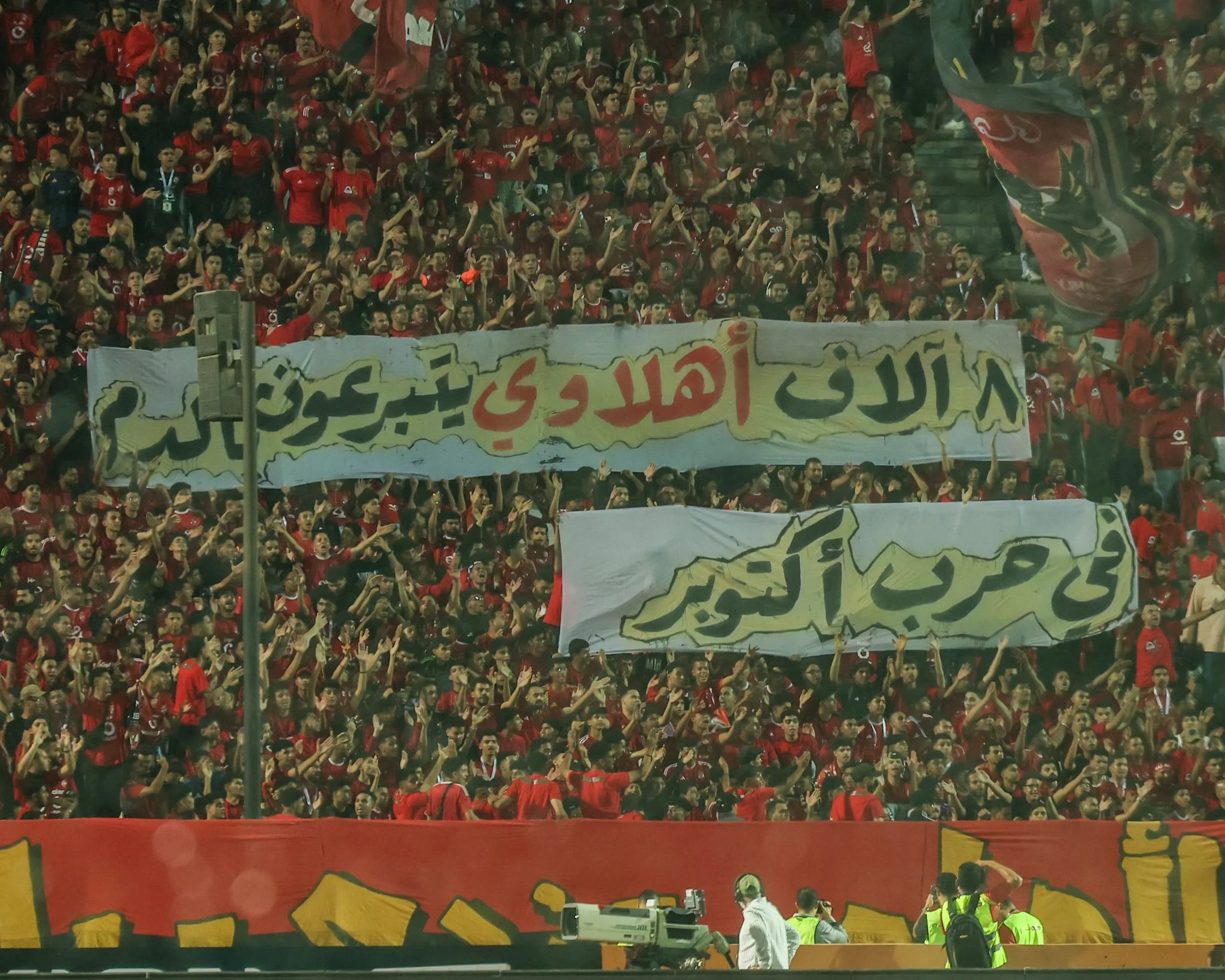
Cairo’s derby drew a record number of crowd for the first time in years, as Al Ahly and Zamalek fans united in October War banners and Israel chants.

Manchester City’s guilty verdict is spilling into geopolitics, as Abu Dhabi hints at curbing UAE investment in Britain over the club’s fate.
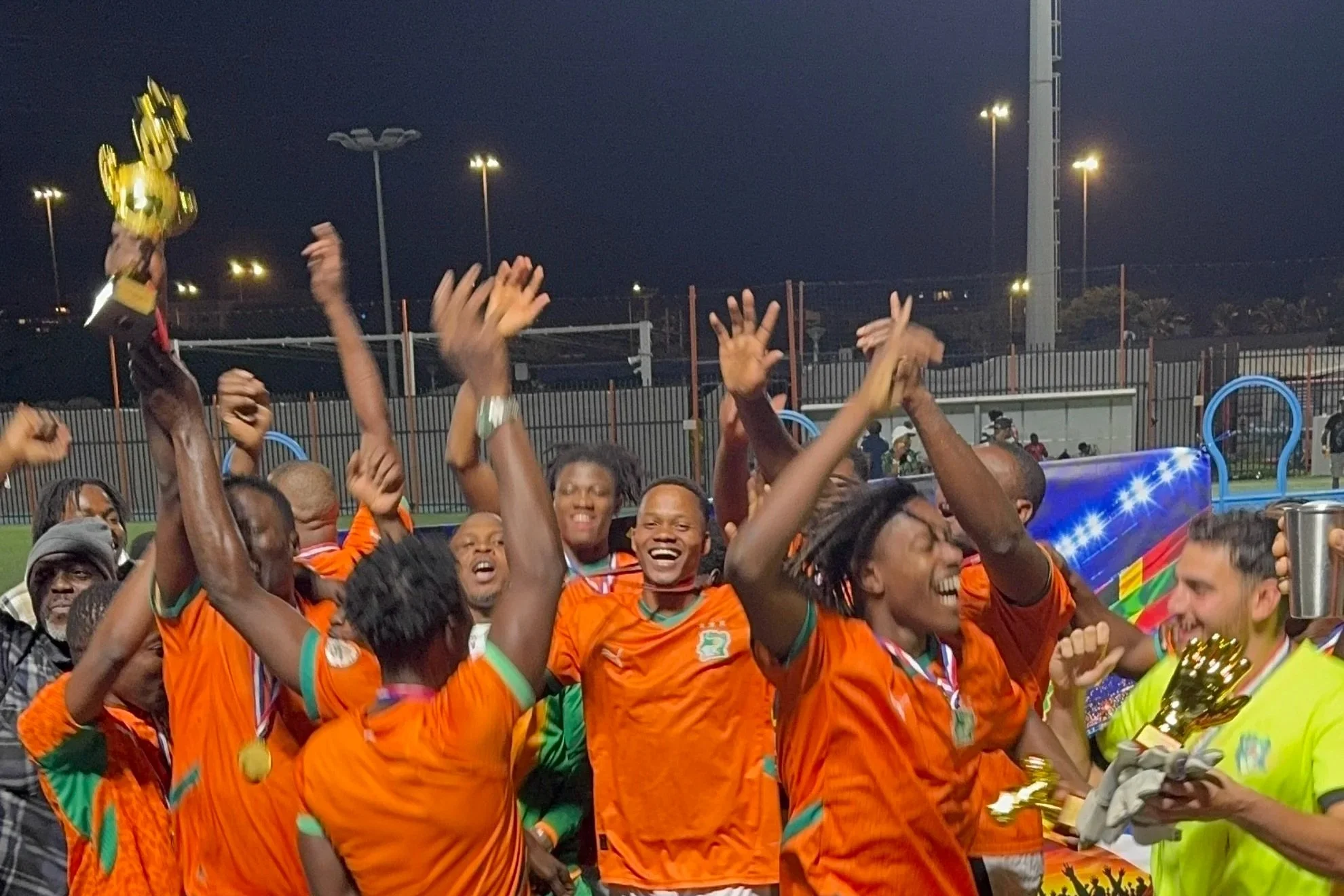
Ivory Coast edged Nigeria 3-2 in the final of a solidarity tournament among eight African teams, organised by Sudanese refugees in Tel Aviv.
Hapoel Be’er Sheva fans were barred from AZ Alkmaar. Why does the country with deep Jewish football roots now refuse to host Israeli supporters?
Cairo’s derby drew a record number of crowd for the first time in years, as Al Ahly and Zamalek fans united in October War banners and Israel chants.
Manchester City’s guilty verdict is spilling into geopolitics, as Abu Dhabi hints at curbing UAE investment in Britain over the club’s fate.
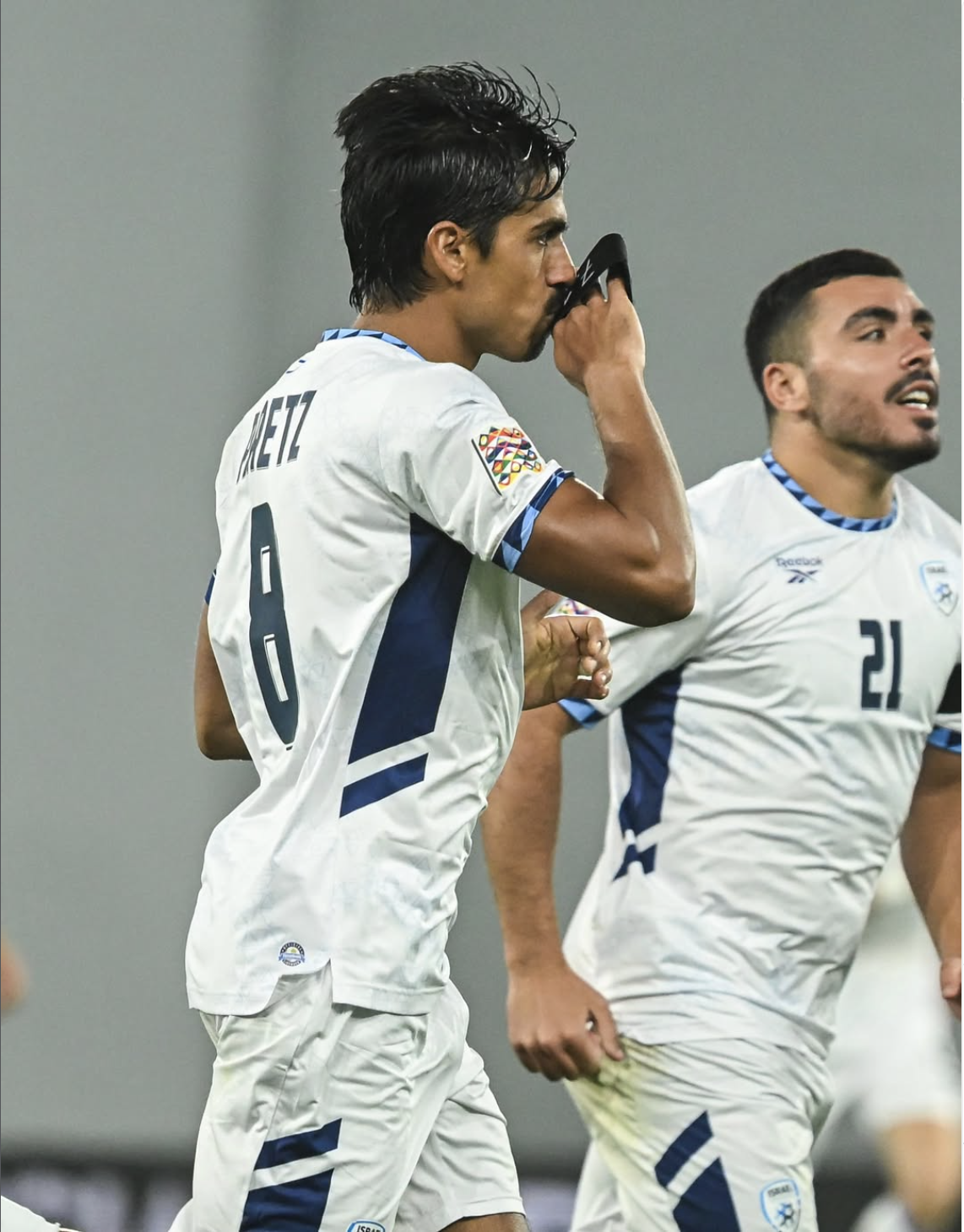
Israel's national team finished bottom of its Nations League group, as politically charged clashes versus Ireland overshadowed the campaign.
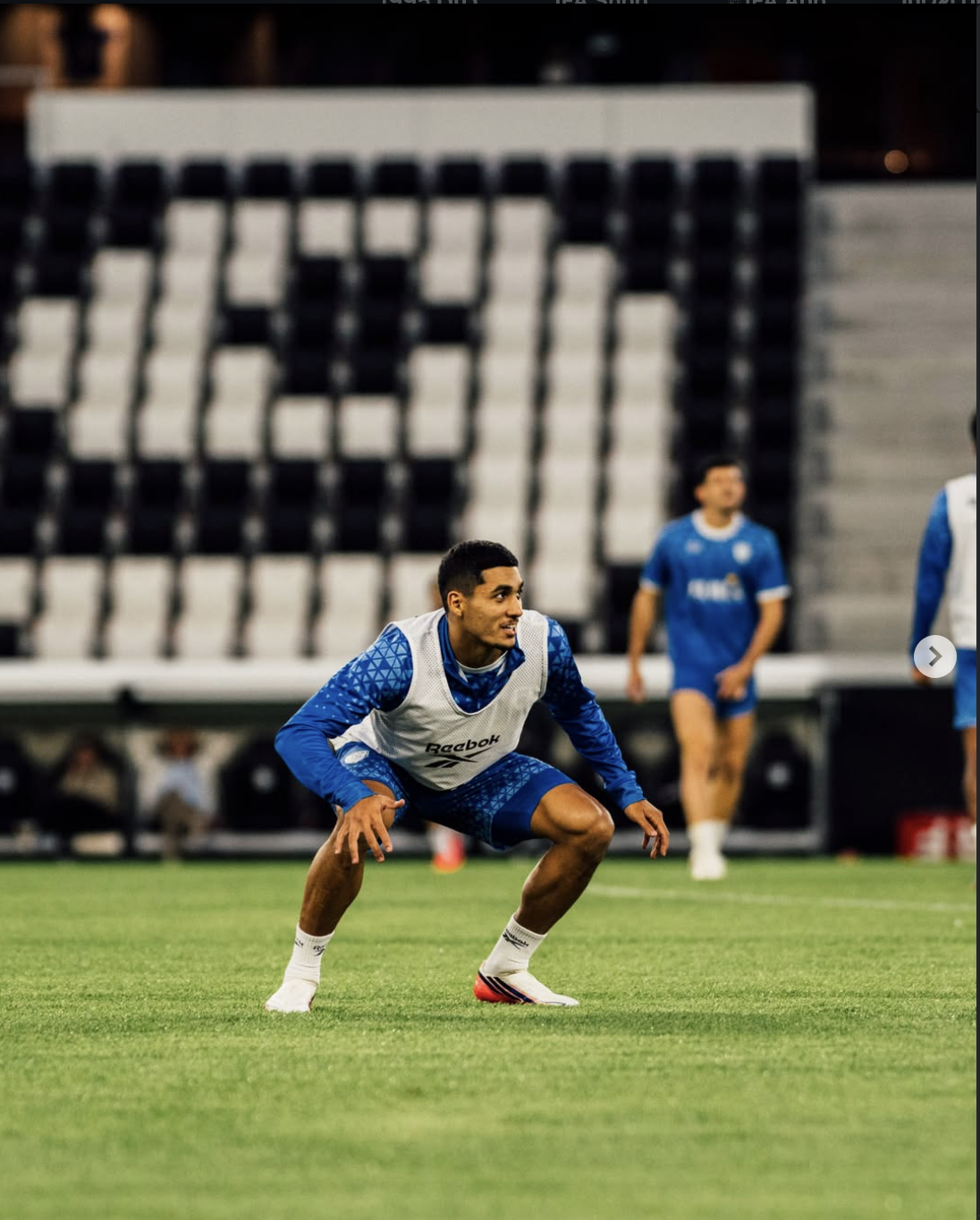
Israel opens a homeless Nations League campaign against Austria, Kosovo, and Ireland, with the Gaza conflict looming over every match played.
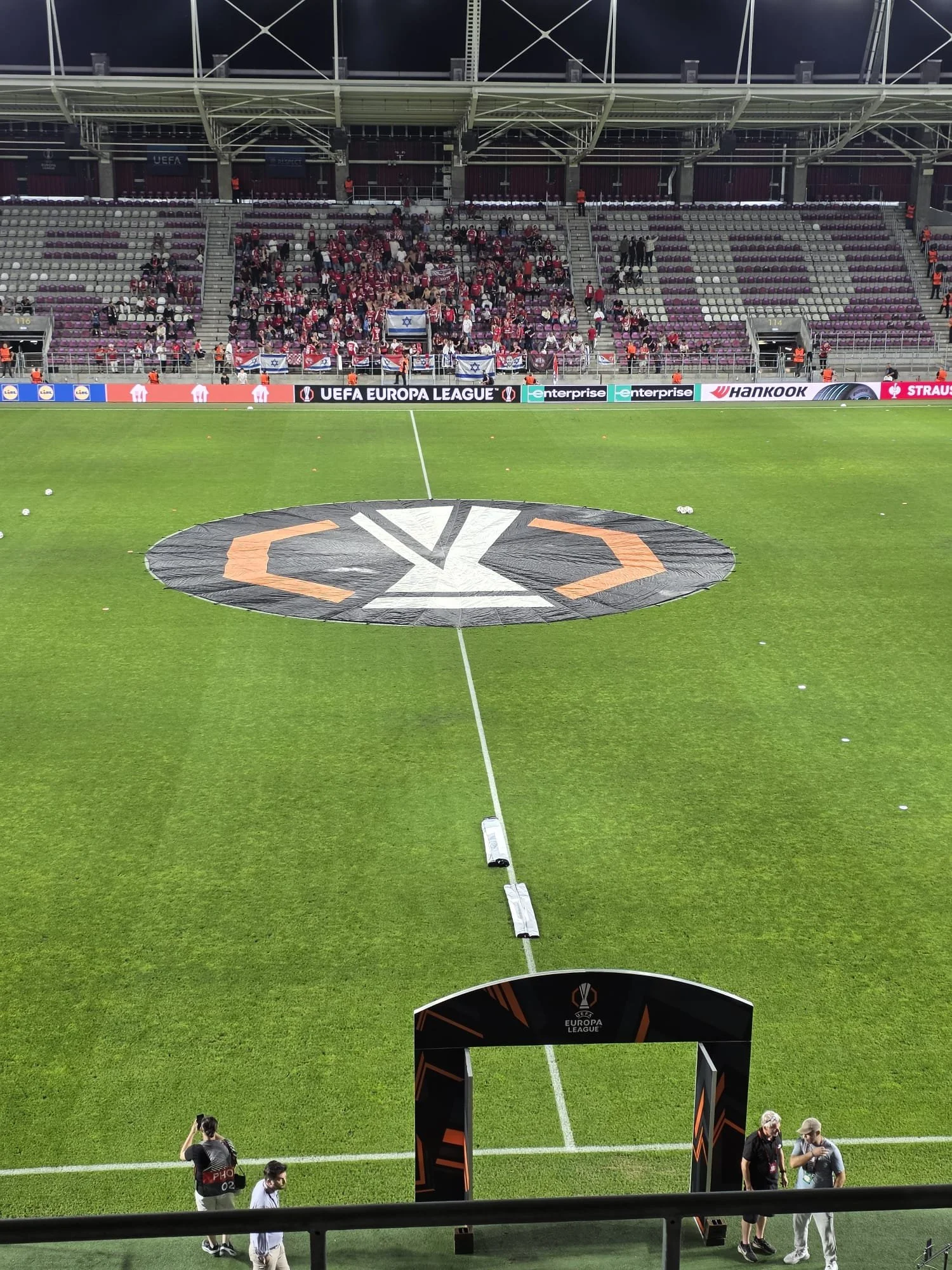
Hapoel Be'er Sheva drew 0-0 at Dinamo Zagreb to open their Europa League return, ahead of a brutal schedule and no home matches this season.
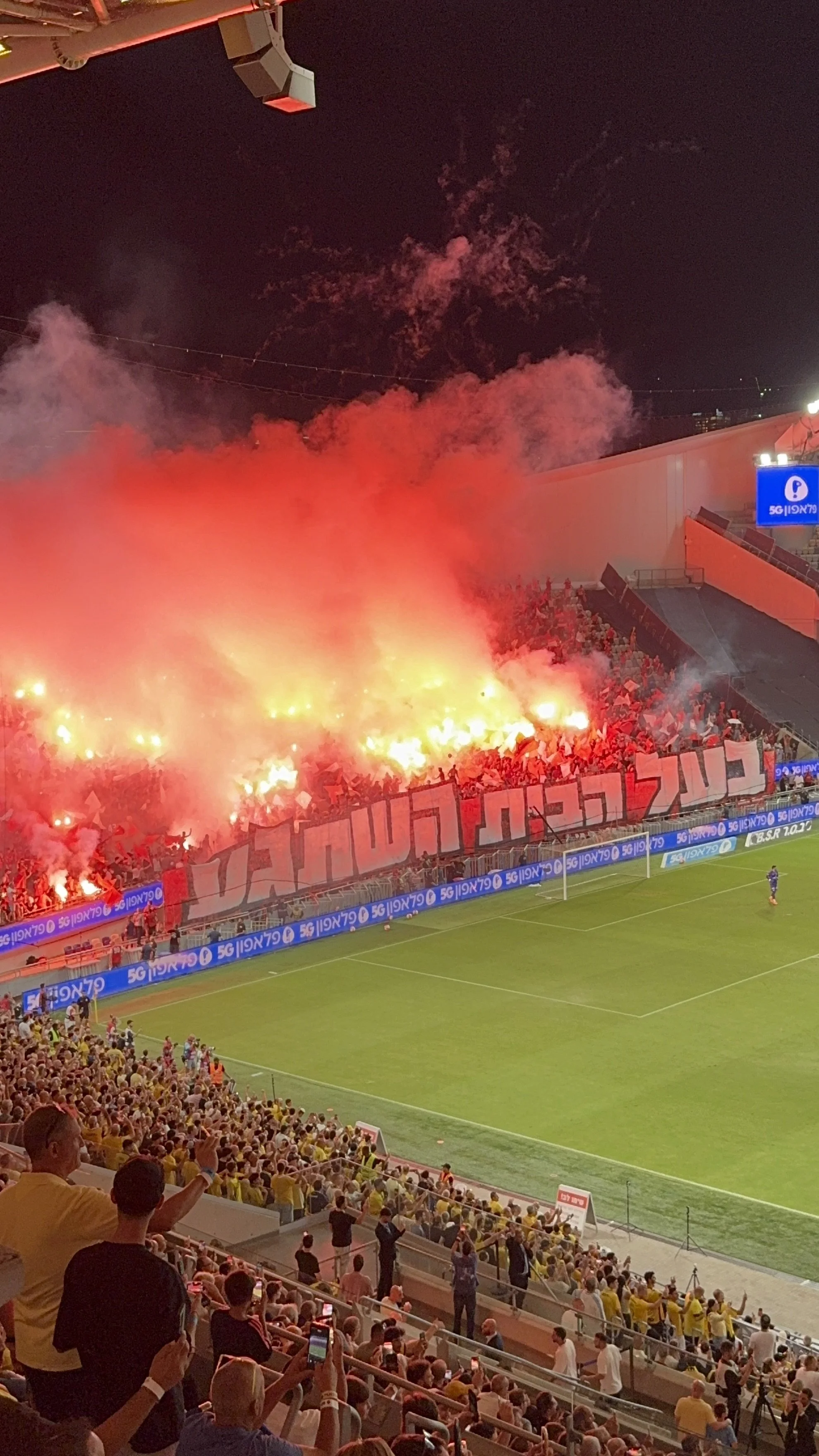
Maccabi Tel Aviv routed ten-man Hapoel 4-1 at Bloomfield, in a fiery derby marked by red cards and pyro chaos.
For the first time since Oct. 7, 2023, Palestinian club football returns this weekend as 226 teams compete across three war-scarred regions.
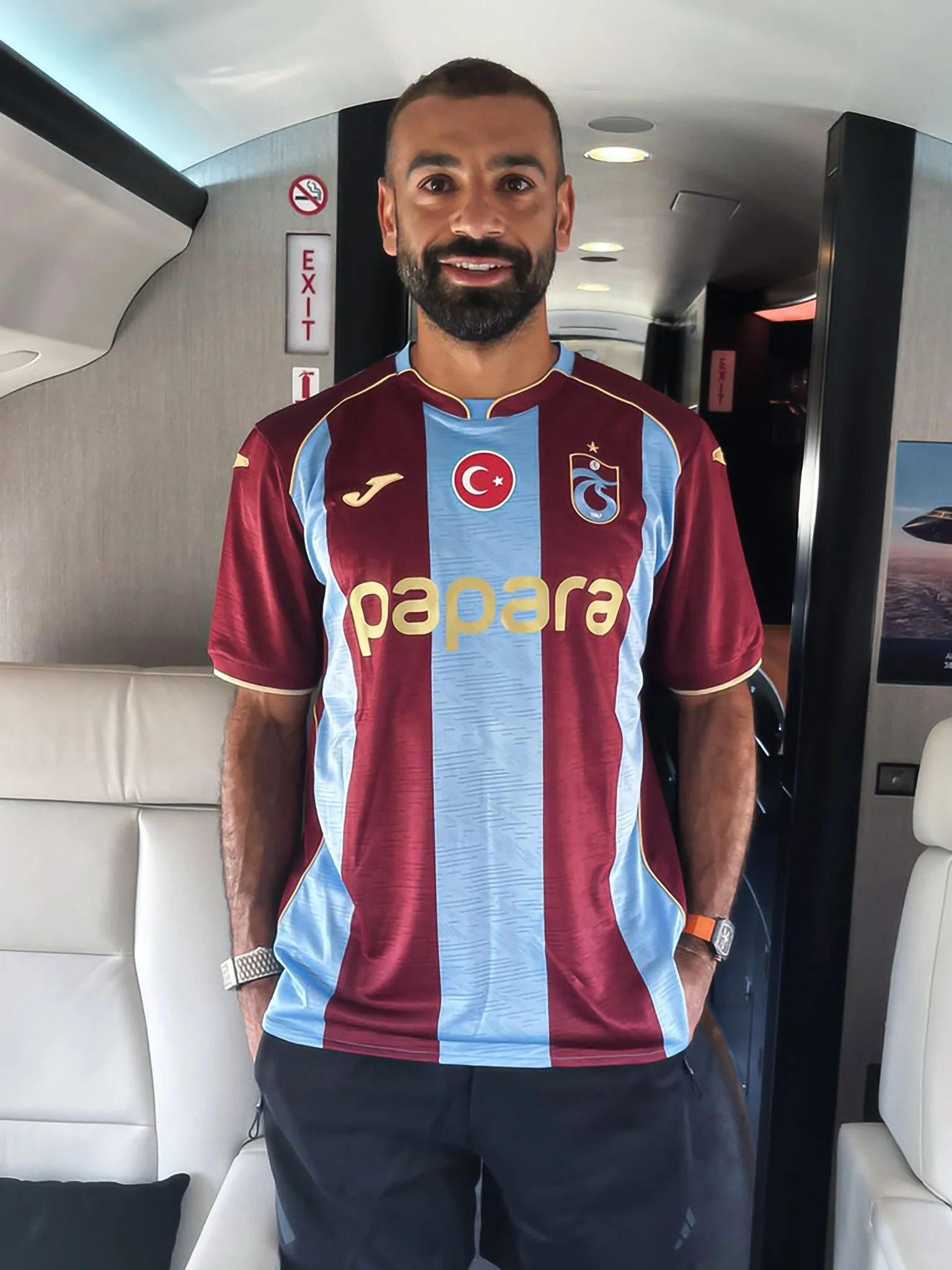
After nine years at Liverpool, Salah left for Trabzonspor — the money, the family, and the love of being the underdog all played their part.
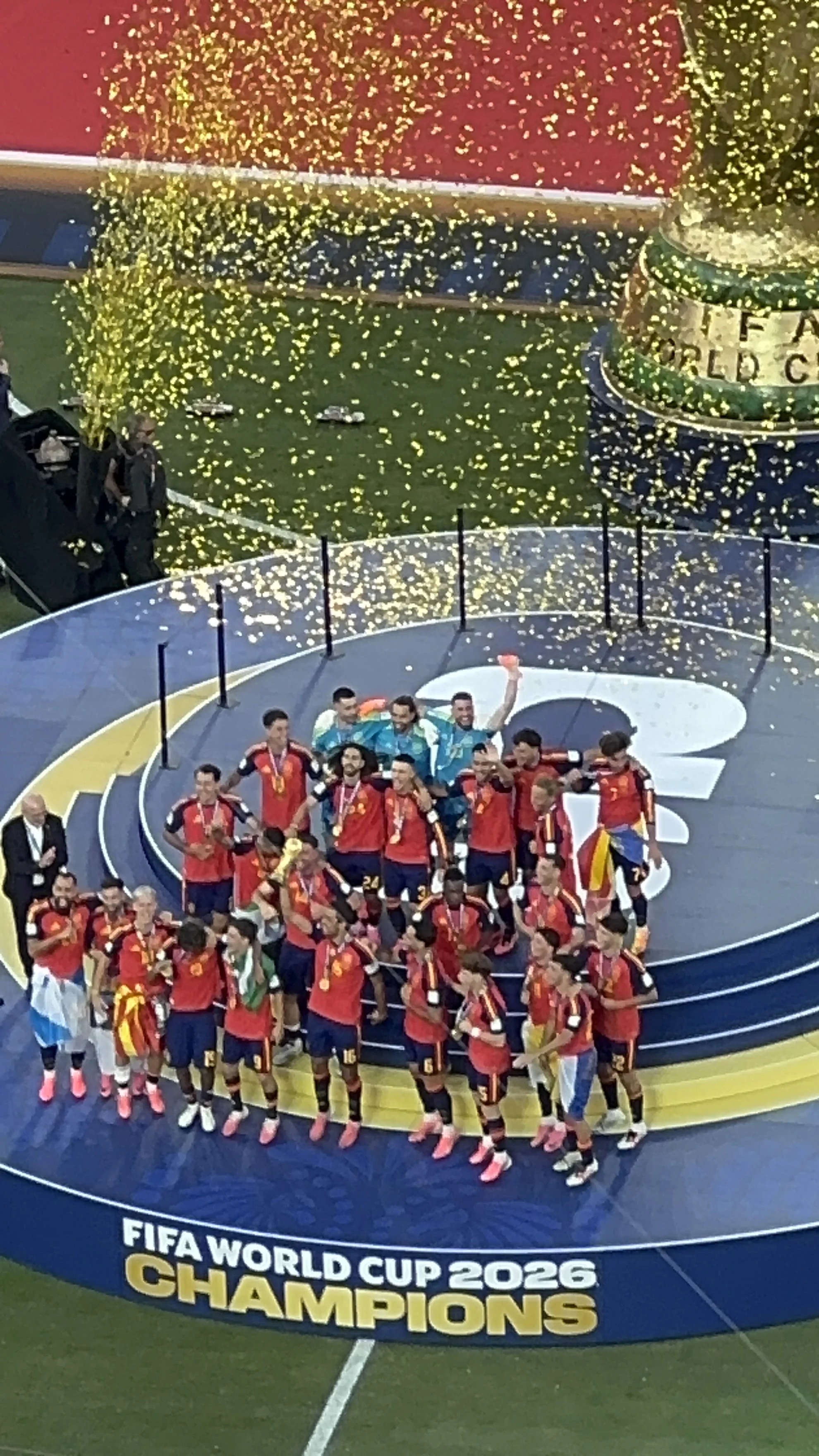
Spain defeated Argentina 1-0 in the 2026 World Cup Final, ending Lionel Messi's dream World Cup with heartbreak.
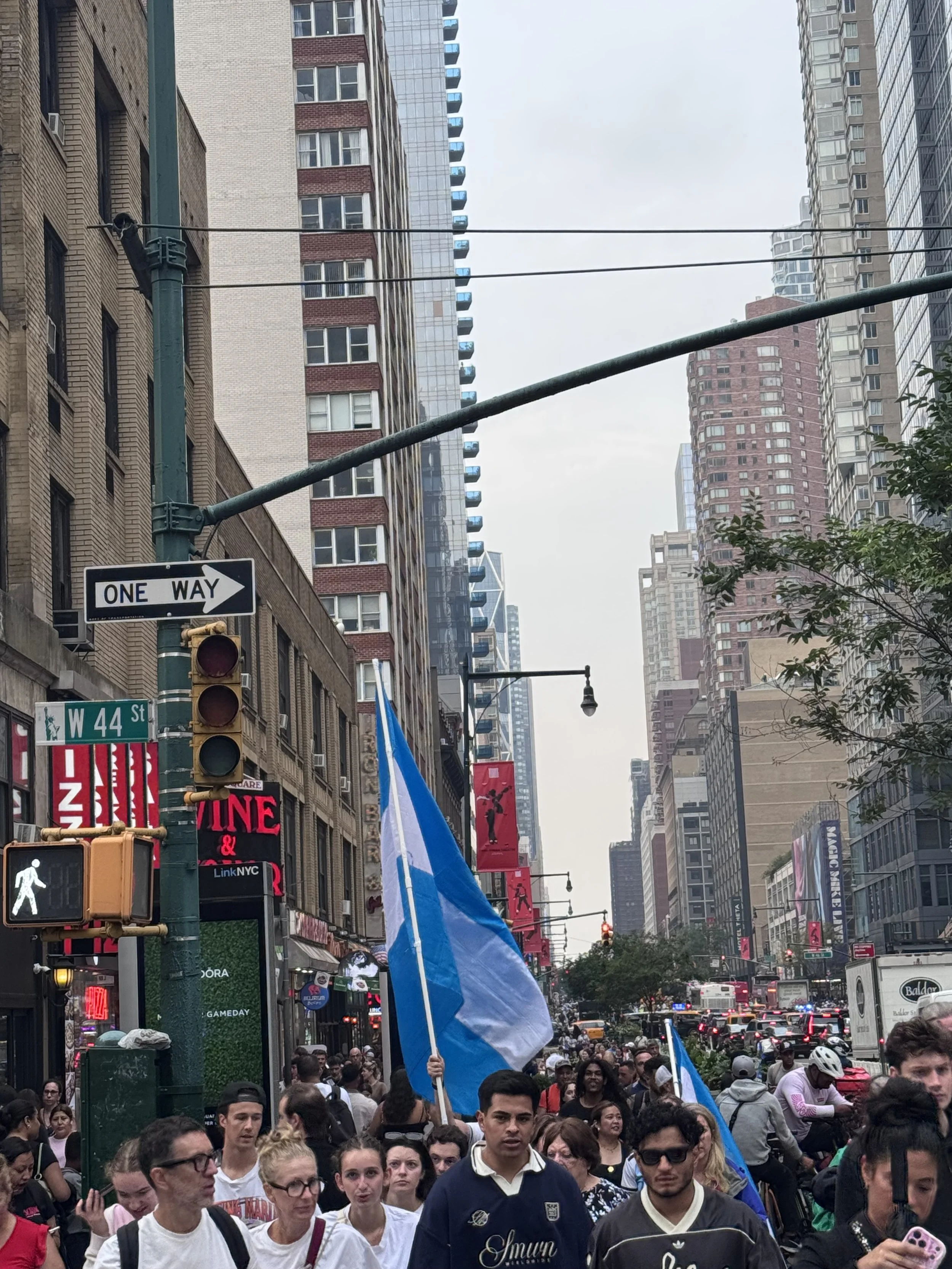
Thousands of Argentina fans transformed Times Square before the 2026 World Cup final, all united to thank Lionel Messi.
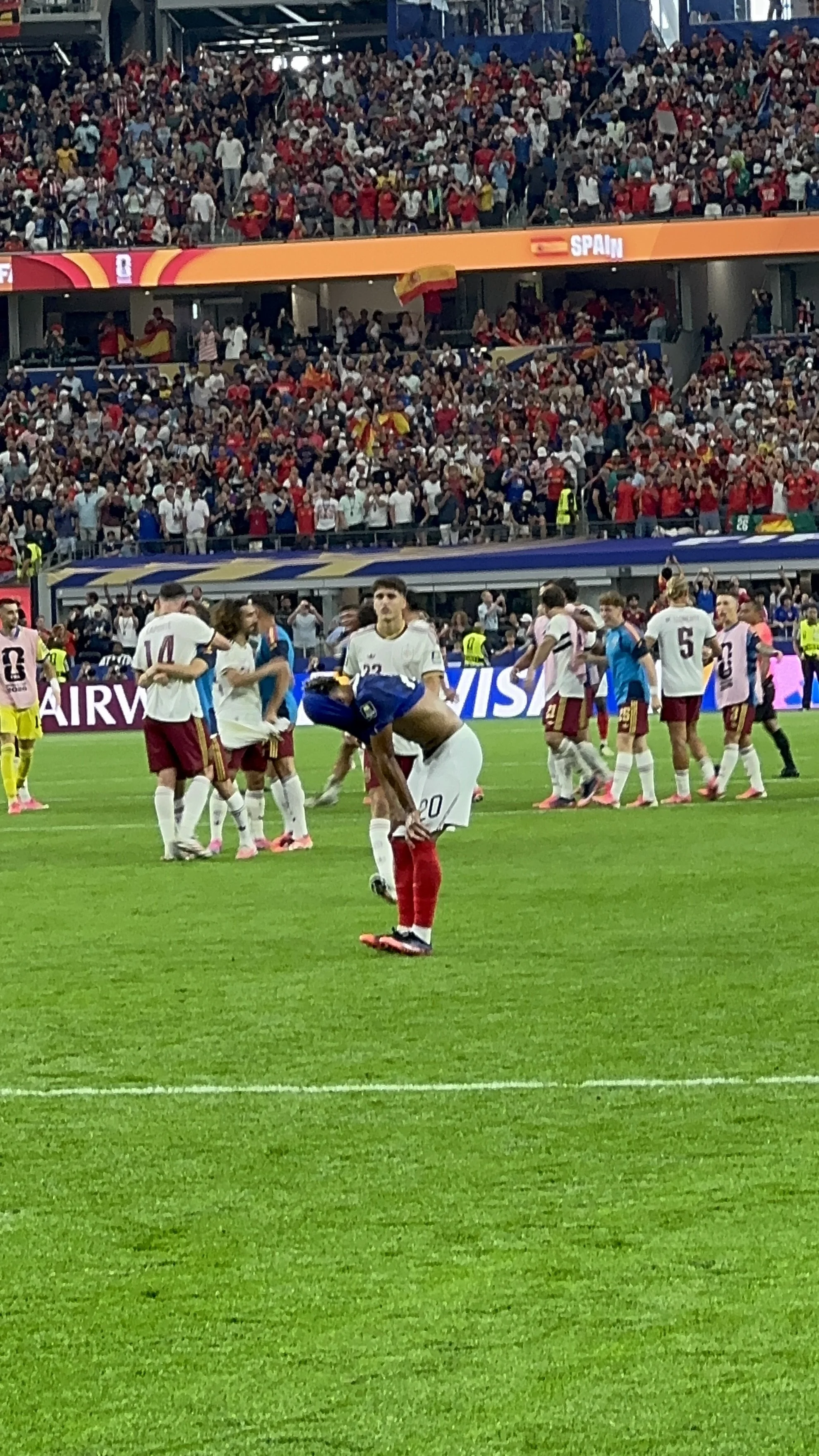
Spain were ruthless in Dallas as Oyarzabal and Dani Olmo starred, leaving France's Bastille Day to end in deep disappointment for Deschamps.
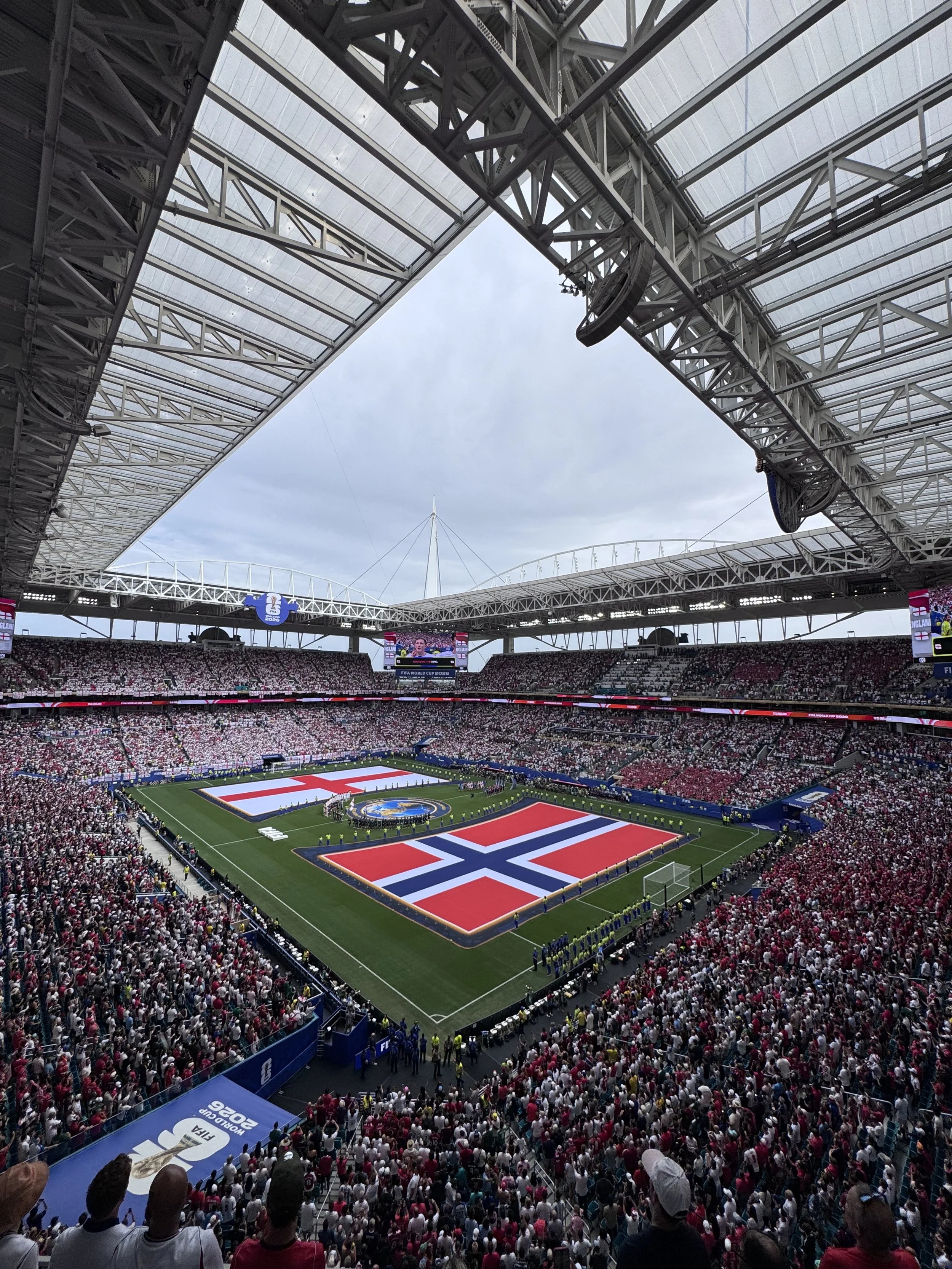
Norway outplayed England for most of a sweltering Miami classic, but two Bellingham strikes in extra time sent the Three Lions to the semis.

Egypt pushed Argentina to the limit in a 3-2 World Cup thriller, but left the pitch furious at the referee and convinced justice was denied.
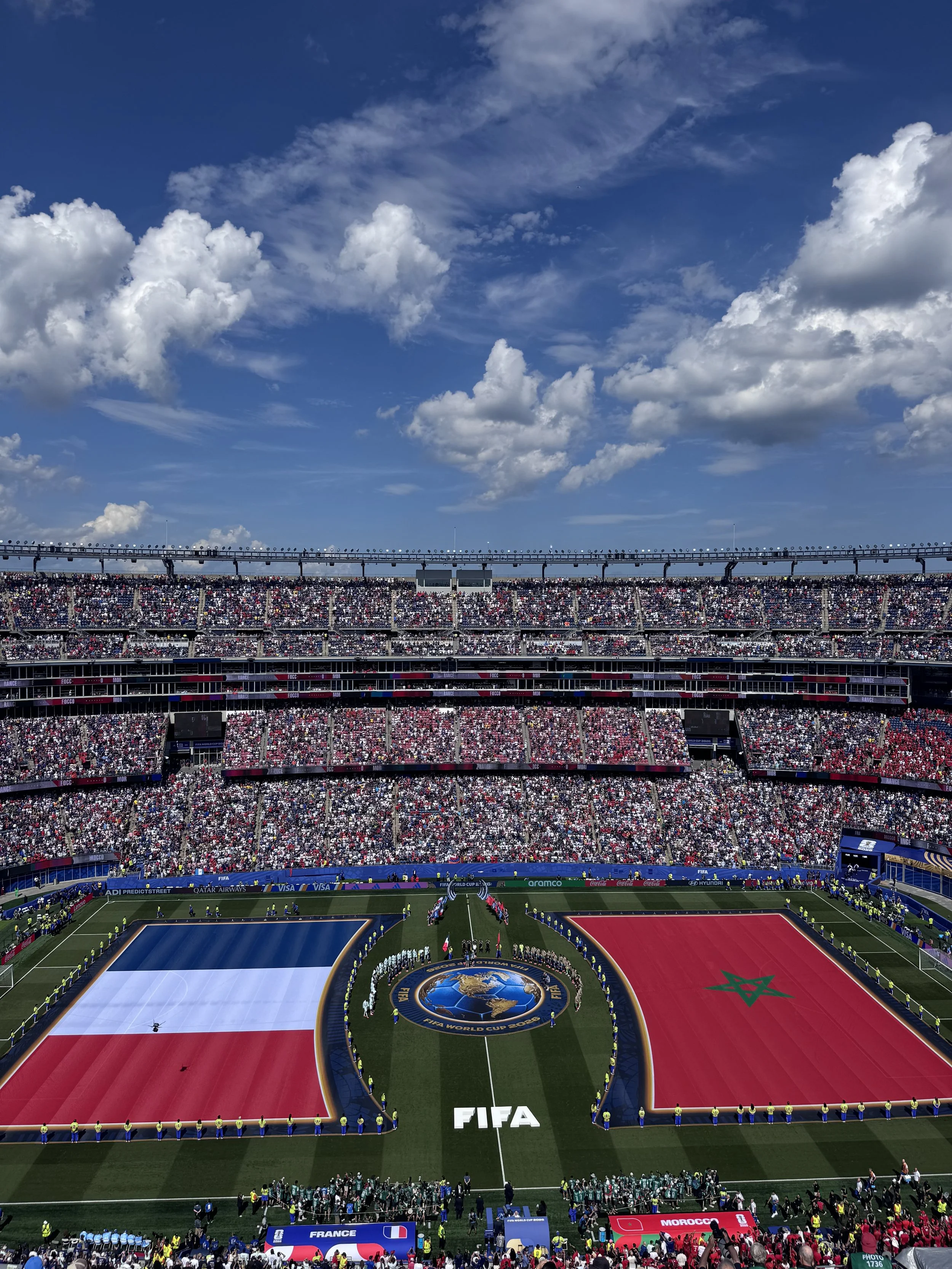
Ayoub Bouaddi chose Morocco over France at 18 and lit up a quarter-final about colonial history, dual identity, and what it means to belong.
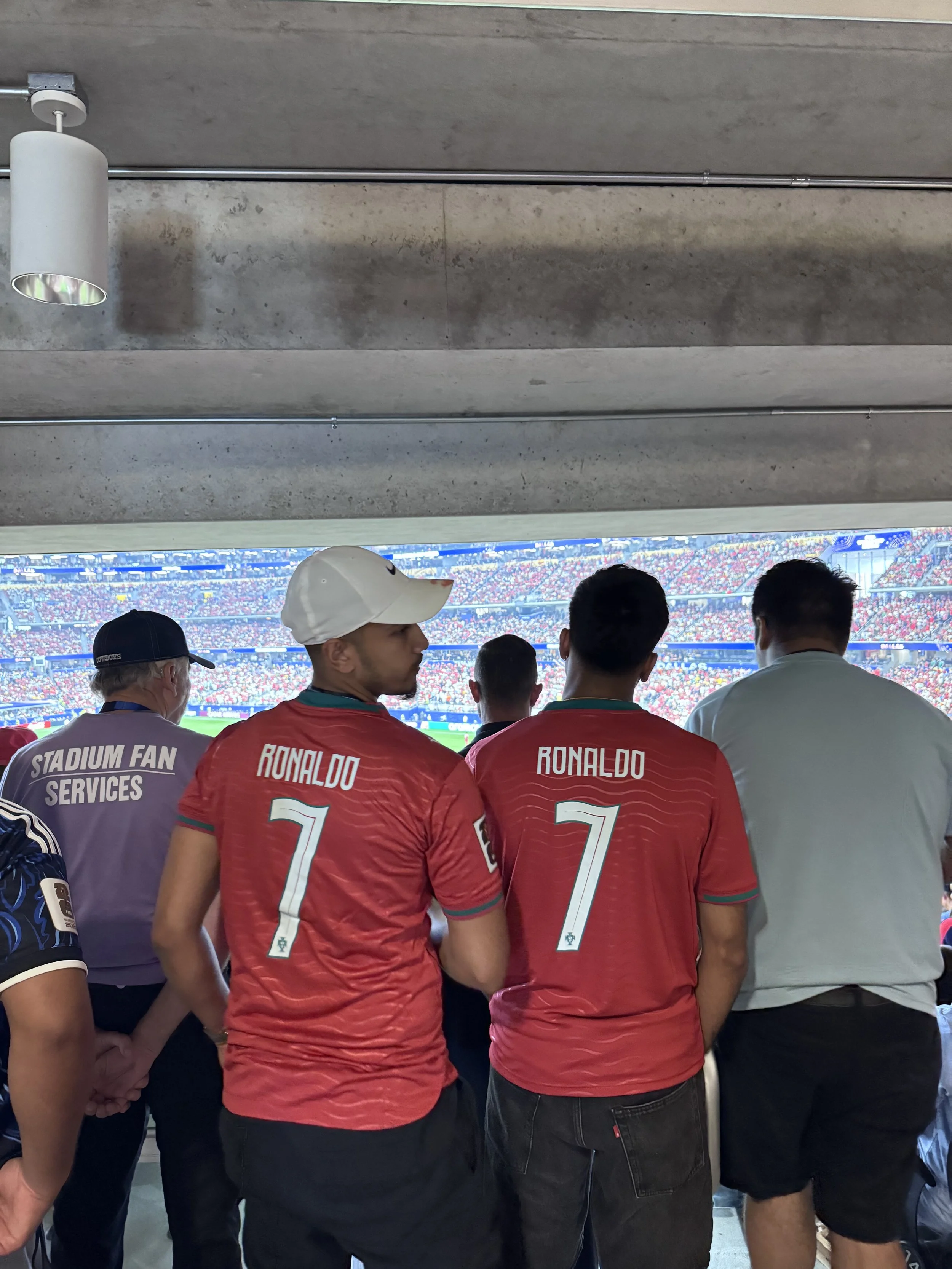
Merino's late goal gave Spain a 1-0 win over Portugal as Ronaldo left the World Cup stage in tears in what many believe was his final match.
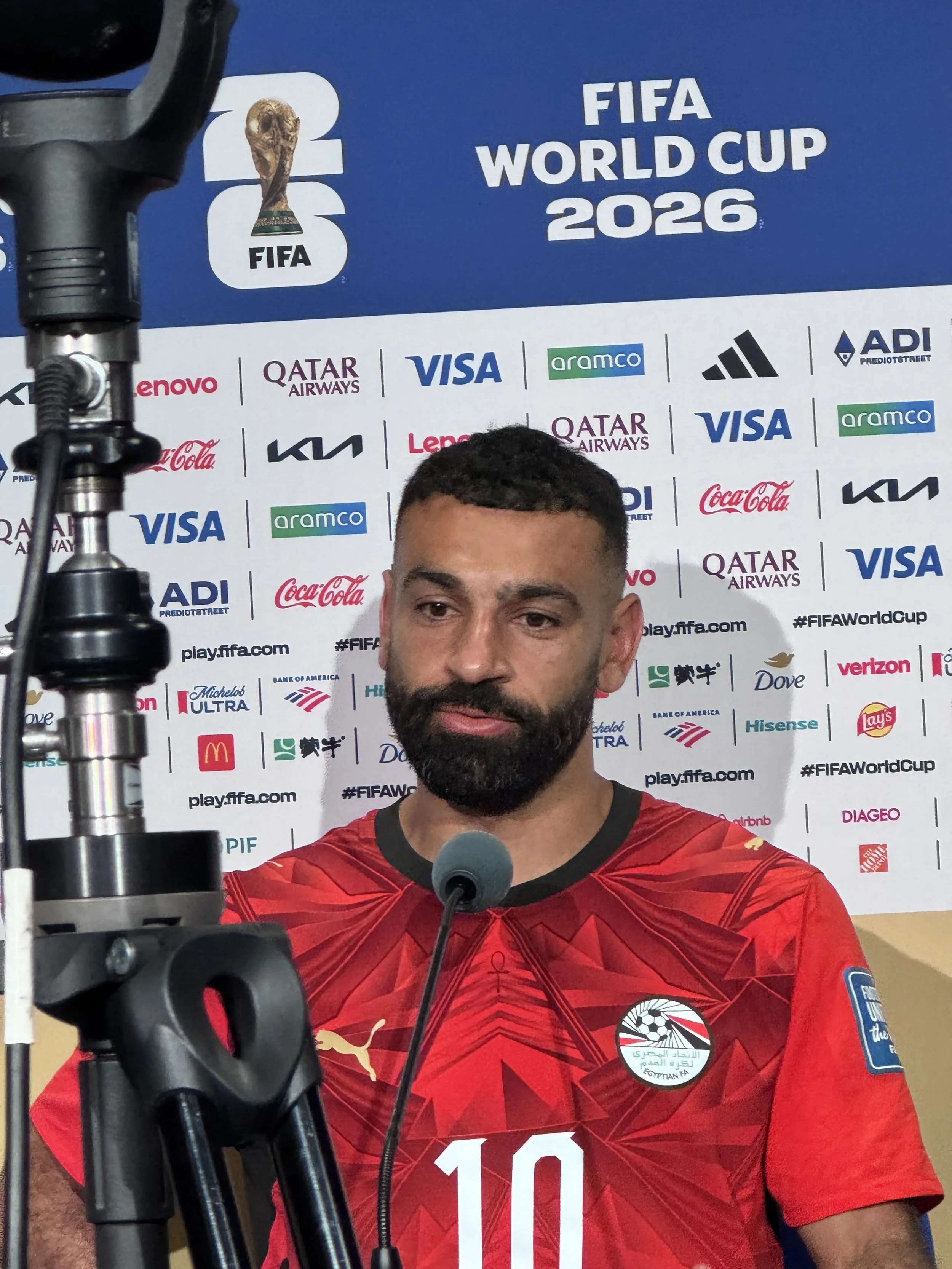
Egypt beat Australia on penalties in Dallas to reach the last 16 for the first time, with Salah's Panenka the highlight of a historic night.
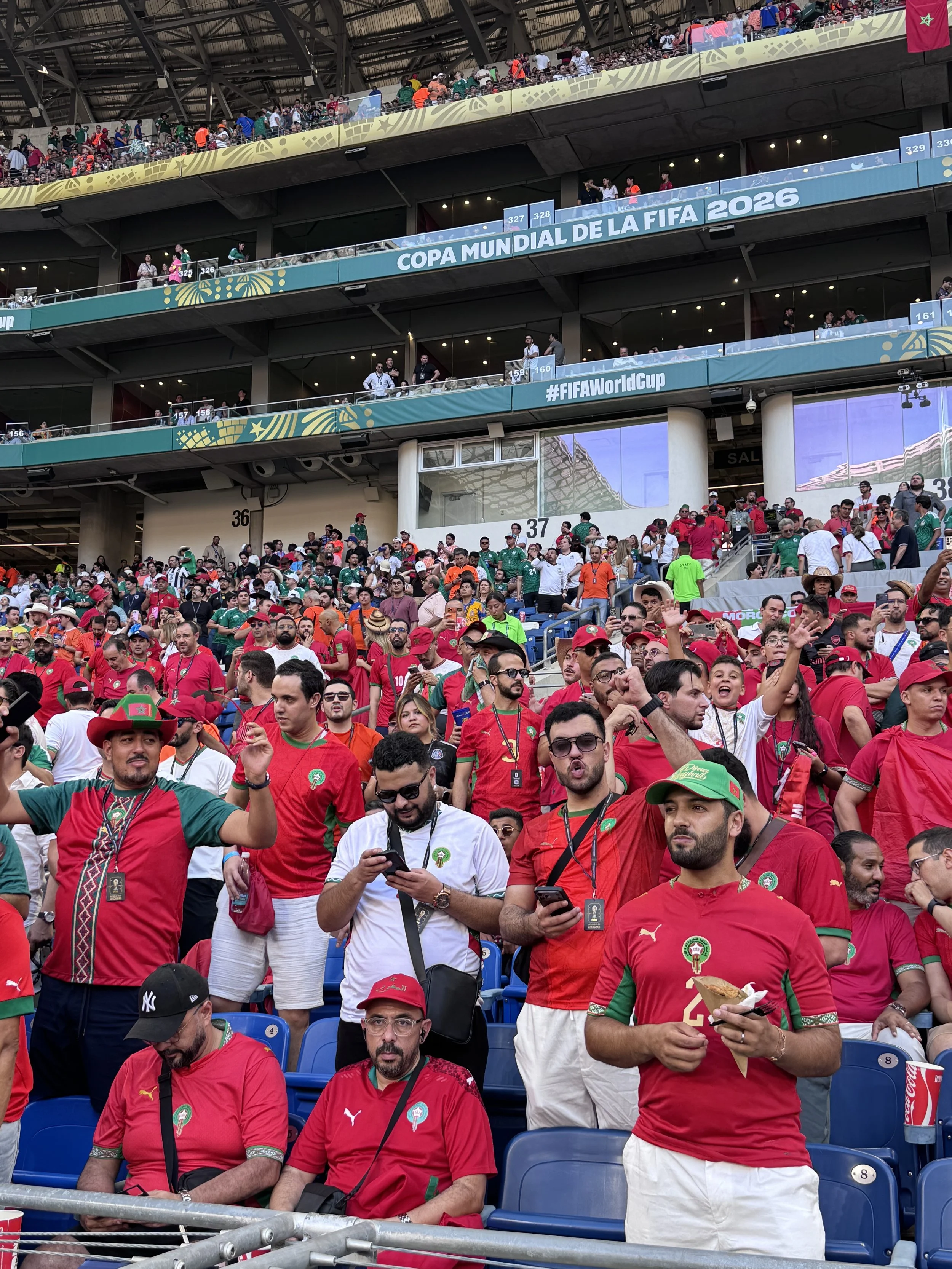
Diop headed Morocco level in the 91st minute and Saibari slotted the winner in the shootout as Morocco reached the World Cup quarter-finals.
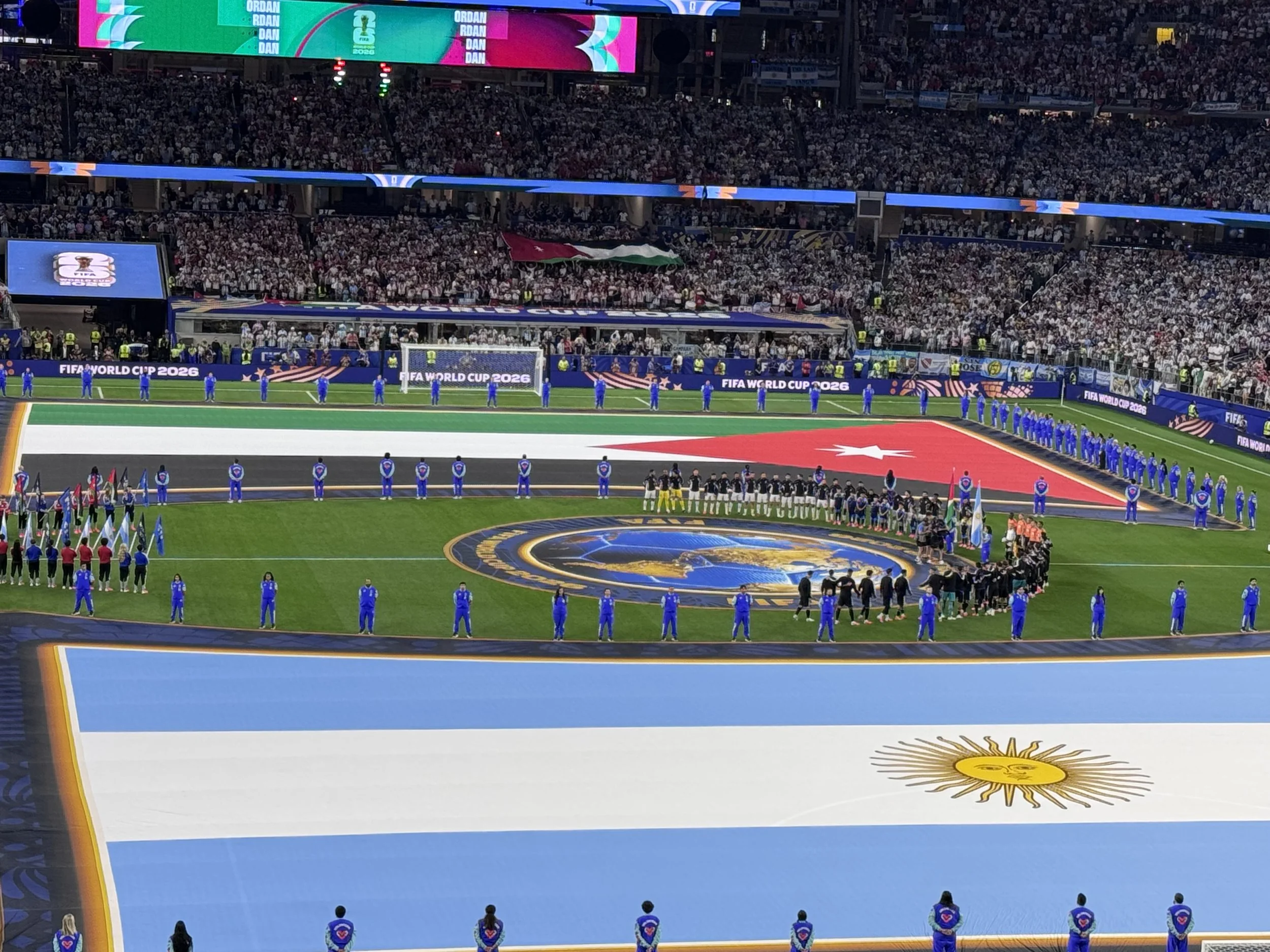
Messi and the Jordanian Messi both scored as Argentina beat Jordan 3-1 in Arlington, with records broken and keffiyehs flying in the stands.
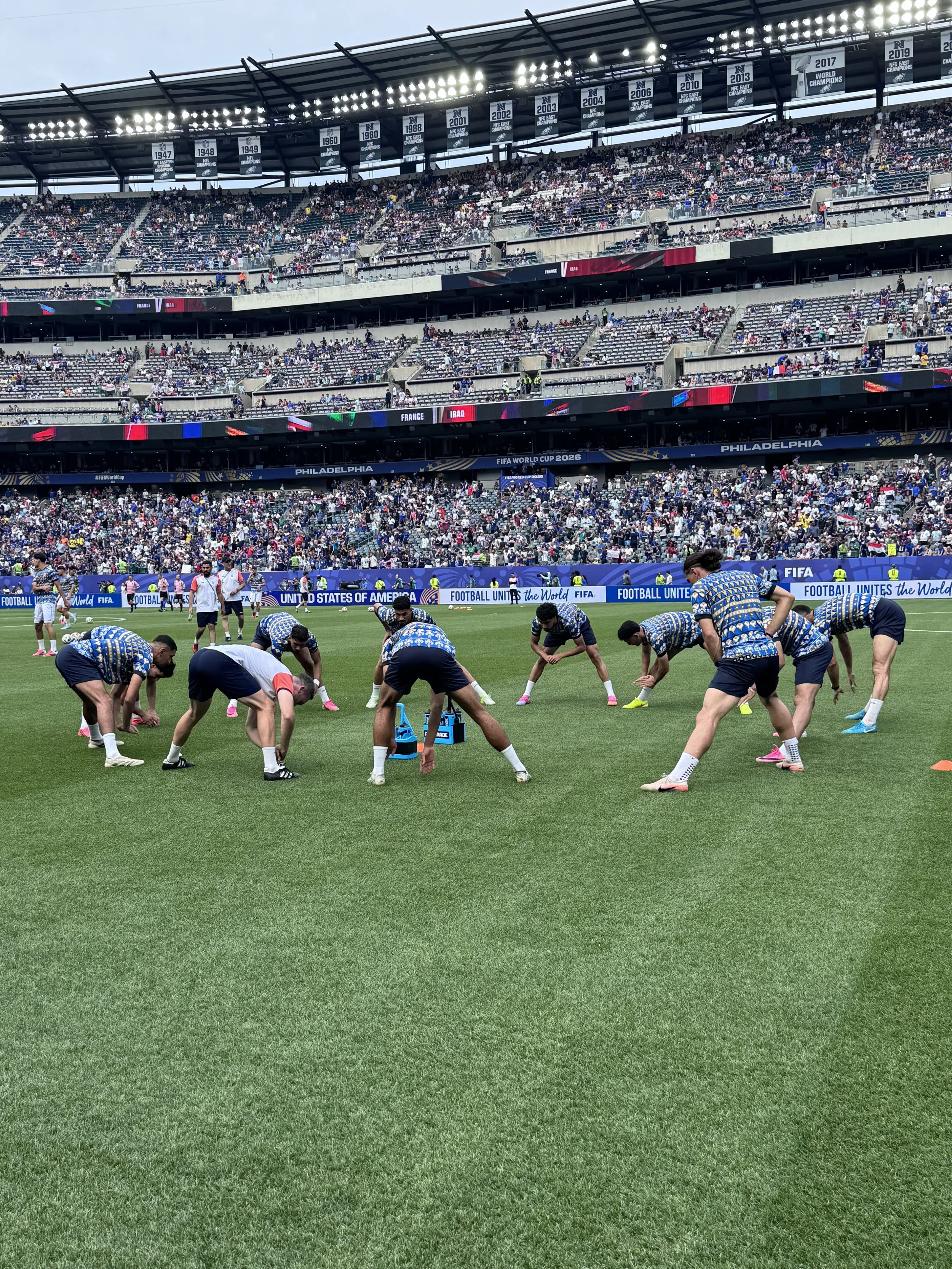
France beat Iraq 3-0 in Philadelphia, but the two-hour lightning delay stole the show, making it officially the longest World Cup game ever.
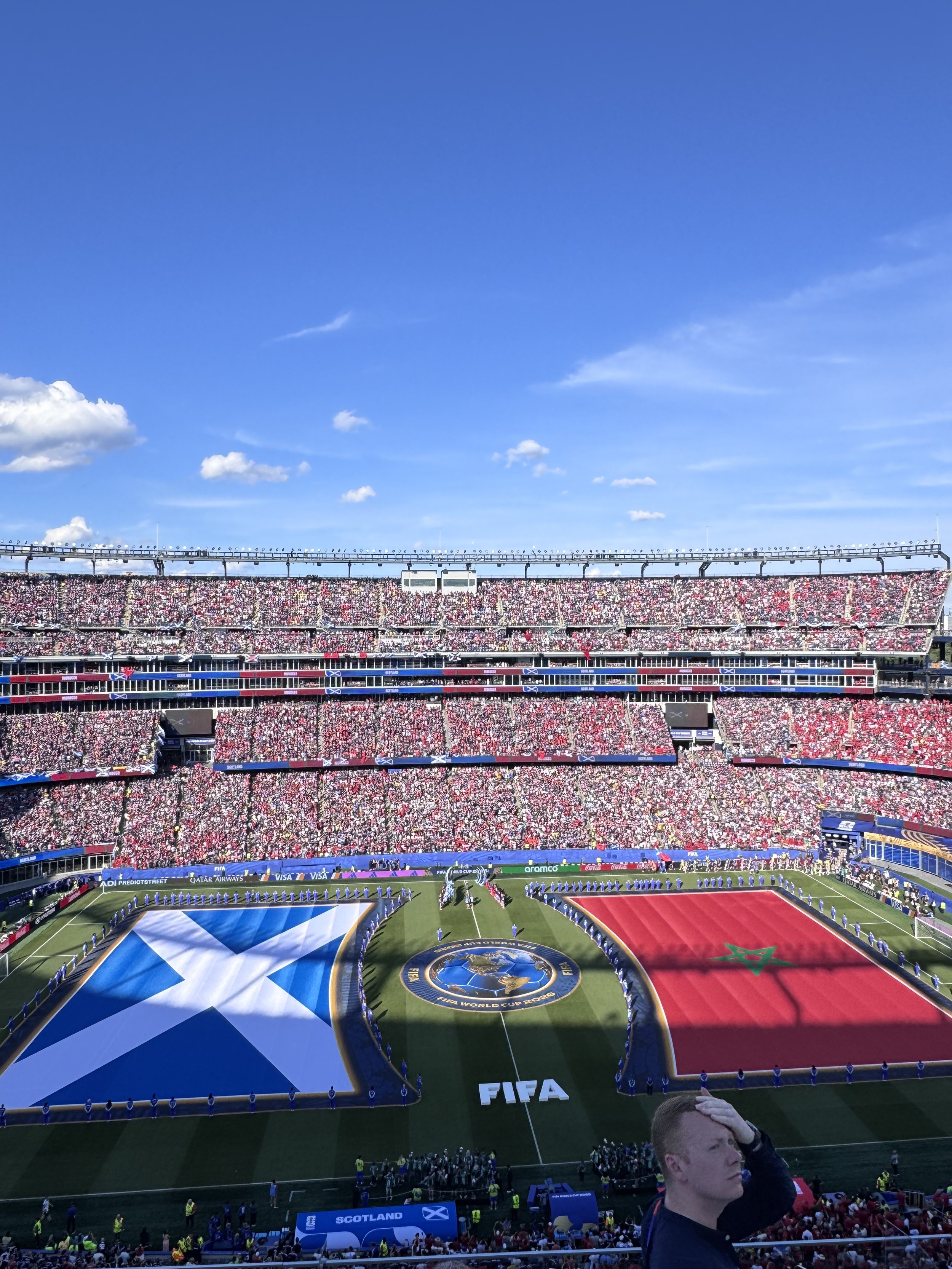
Saibari scored inside two minutes as Morocco beat Scotland 1-0 in Boston, leaving the Scots on the very brink of 2026 World Cup elimination.
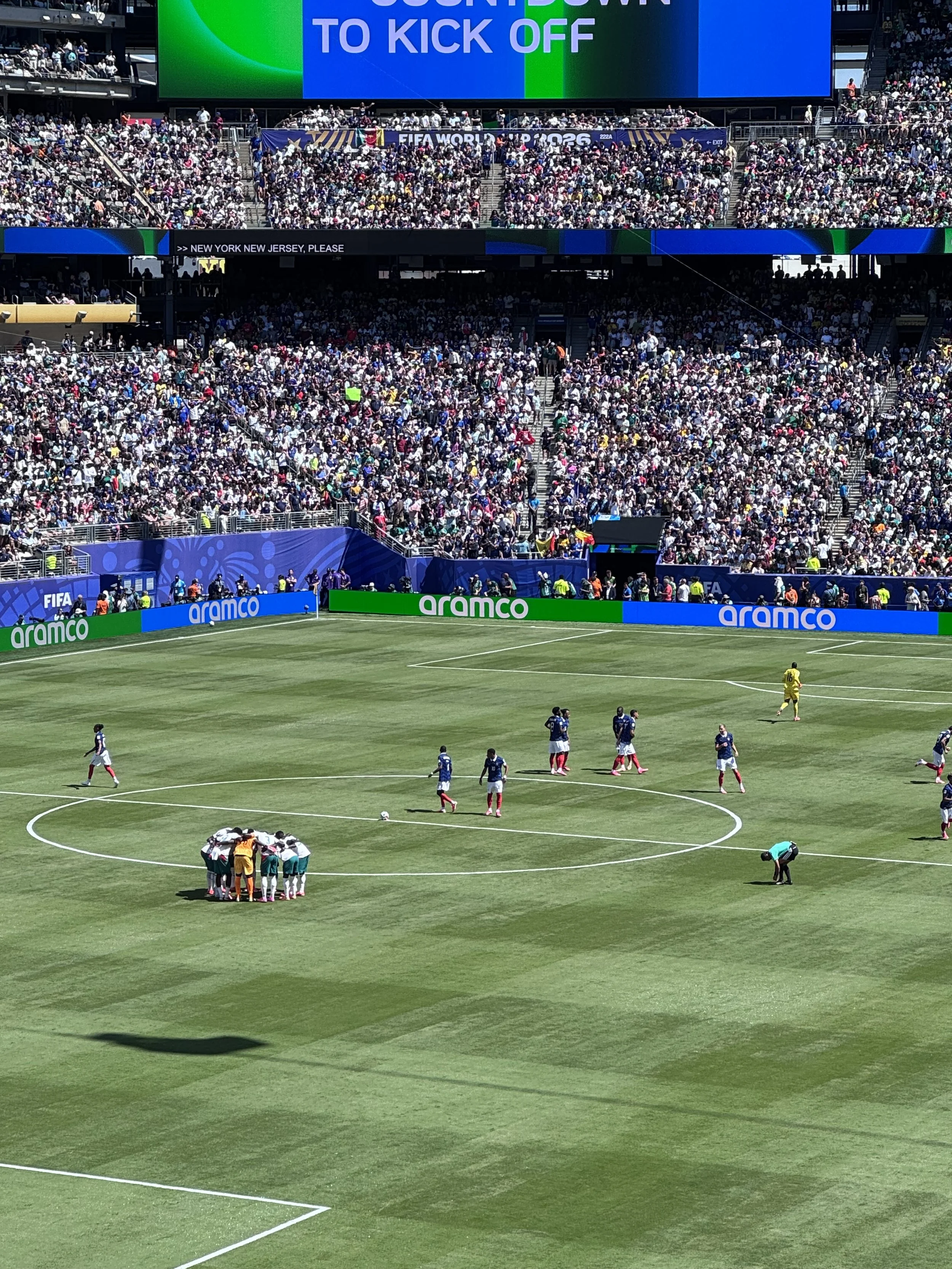
Senegal relived their legendary 2002 magic for an hour, but Kylian Mbappe struck twice to sink them and seal France's 3-1 win in New Jersey.
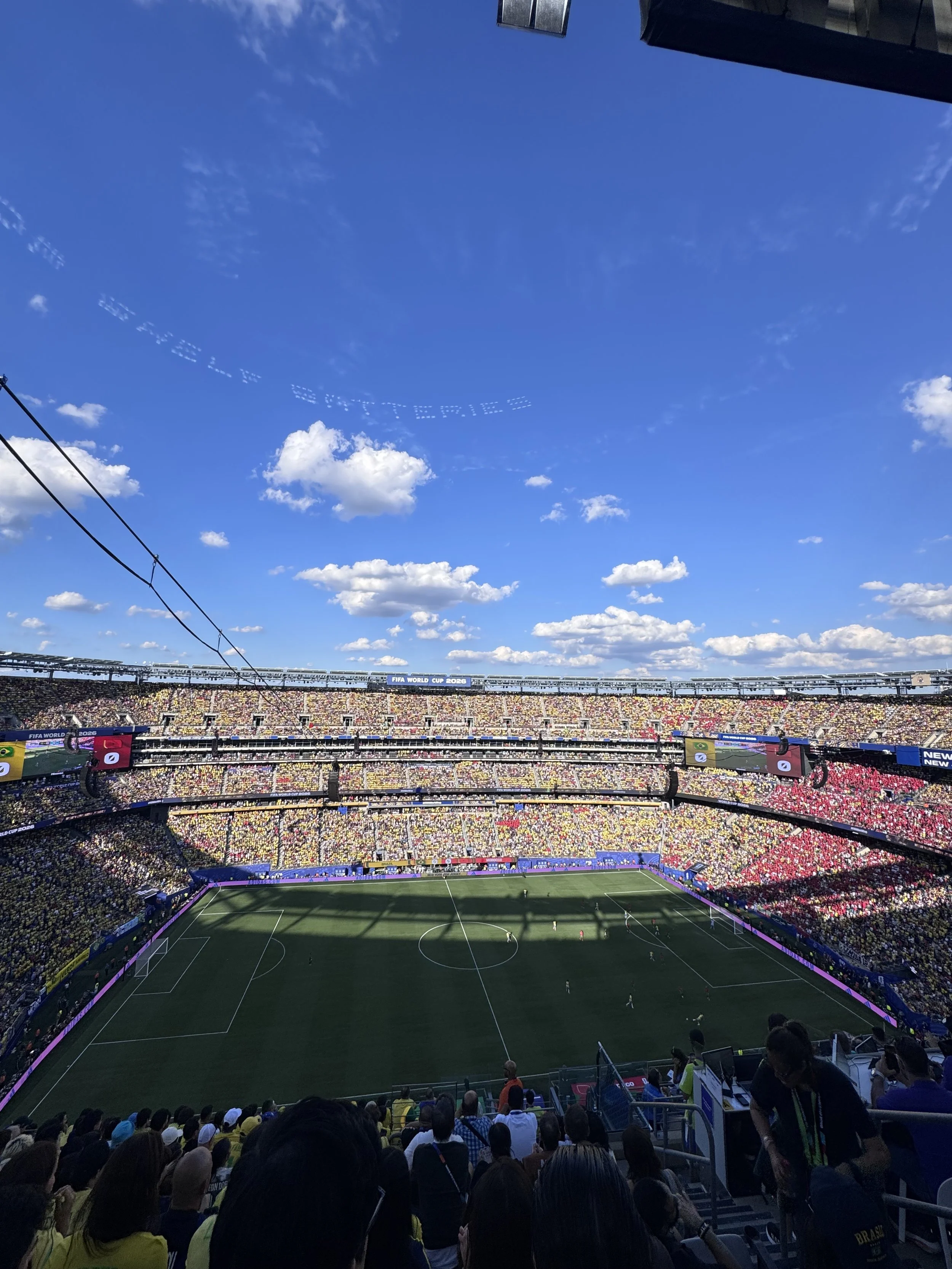
Qatar stole a last-gasp draw from Switzerland and Morocco held Brazil 1-1 — two results that announced Arab football’s full arrival at 2026.
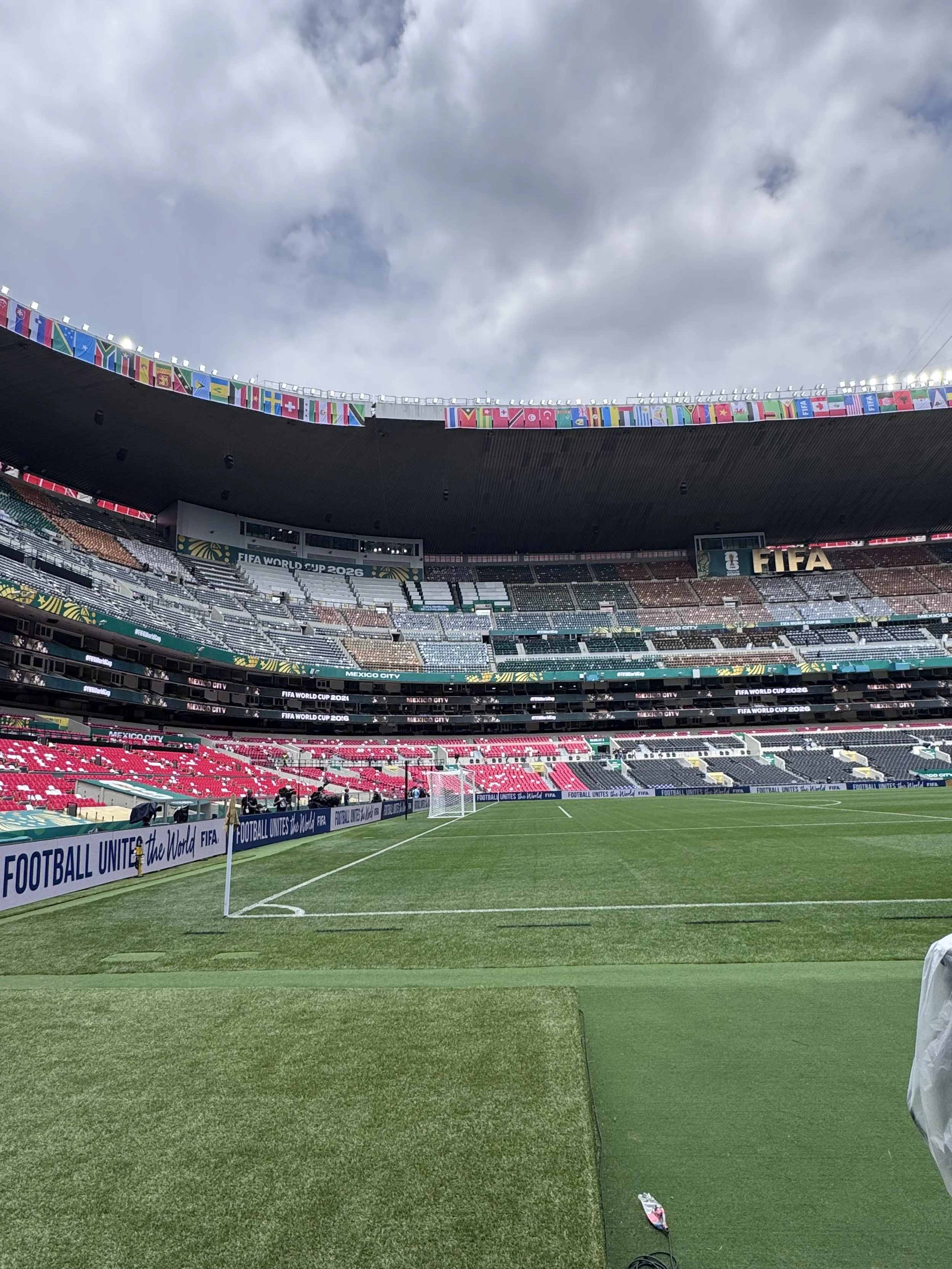
Azteca stadium hosts its third World Cup as Mexico City buzzes with pride, protest, and the deep belief that football has always lived here.
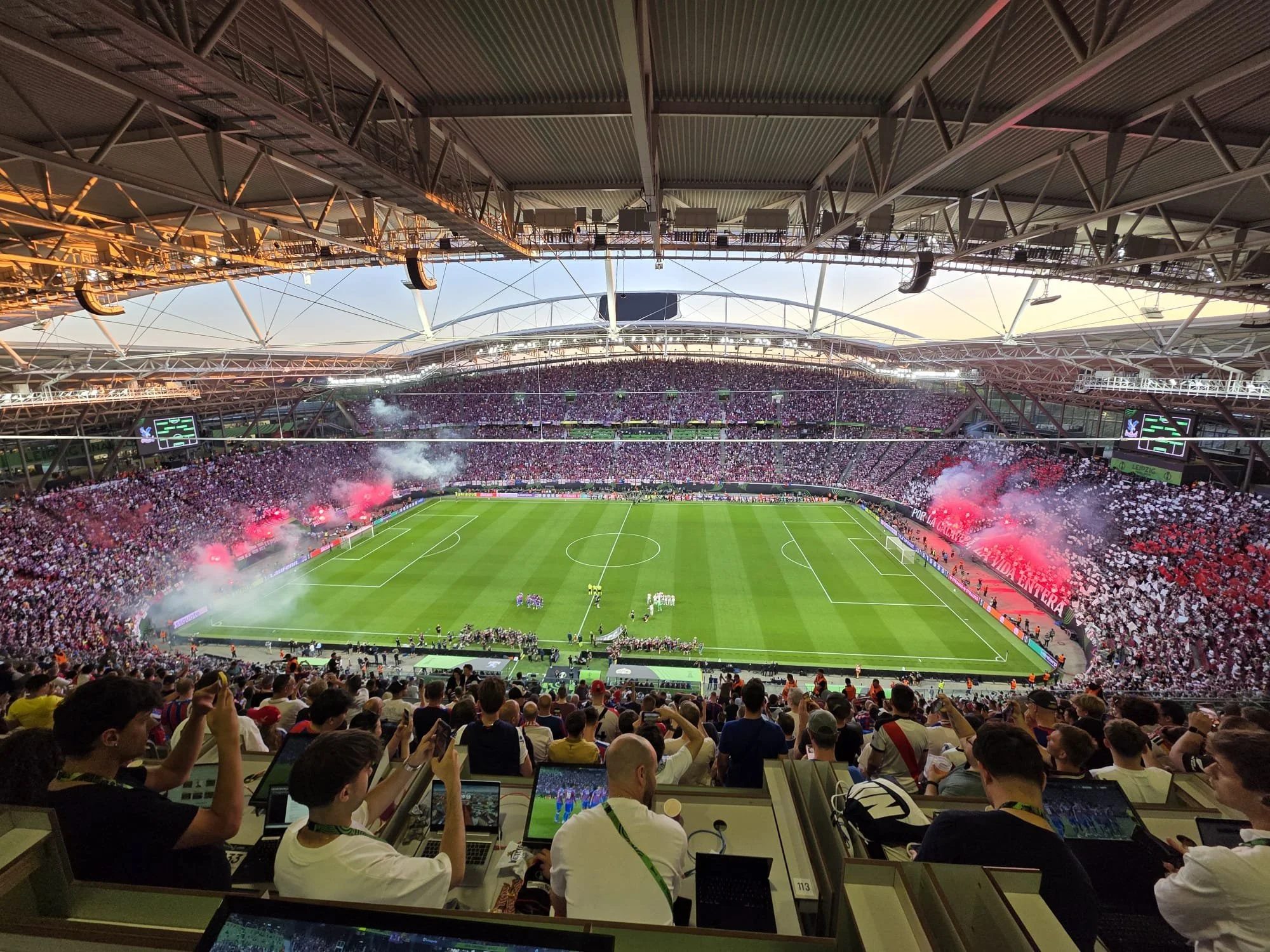
Crystal Palace beat Rayo Vallecano in Leipzig to win the Conference League in the most romantic underdog final in European football history.
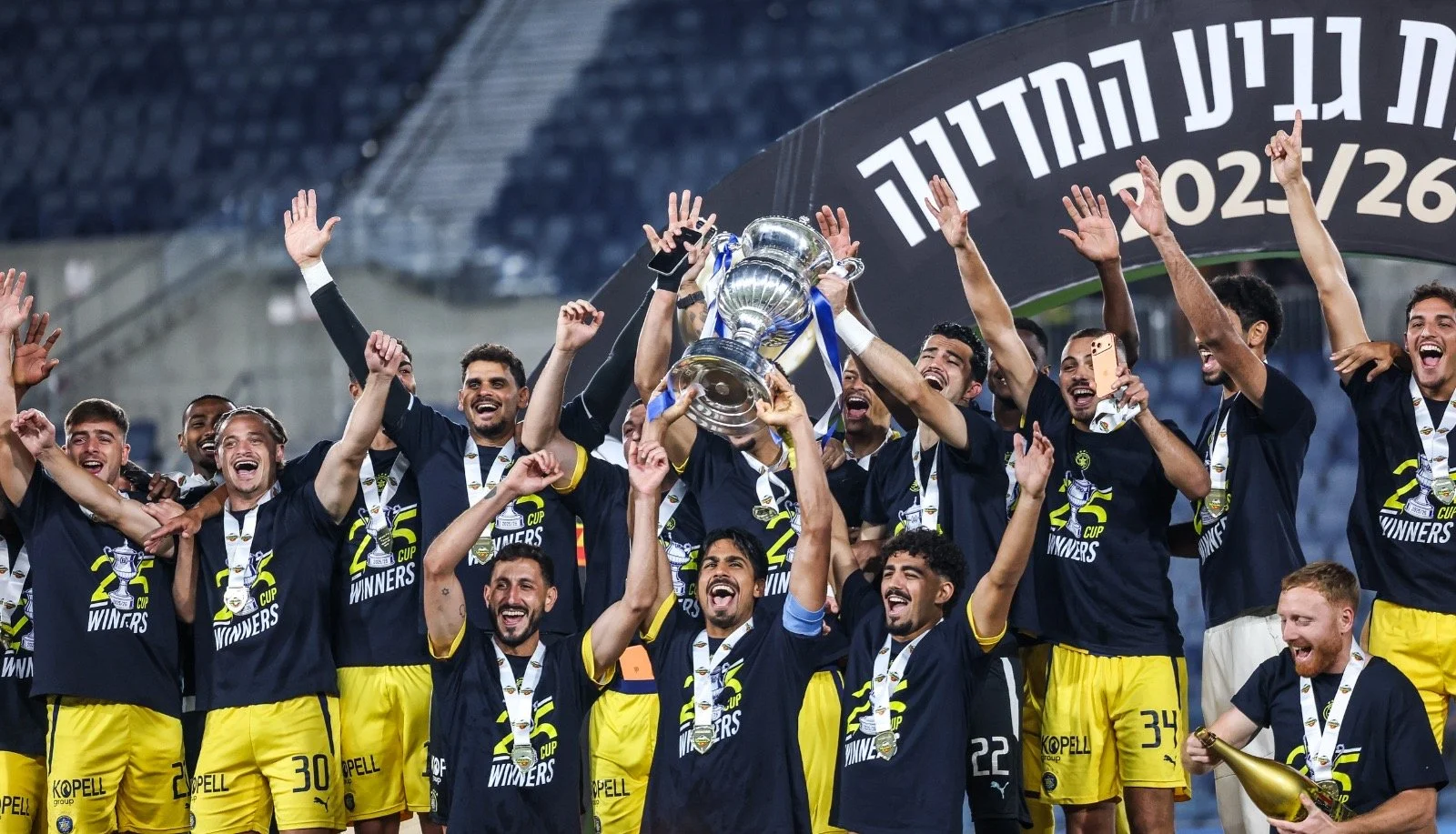
Maccabi Tel Aviv edge Hapoel Be'er Sheva 2–1 in a dramatic Israeli Cup Final at Teddy Stadium, denying the champions a historic Double.

With tensions easing, Iran’s 2026 World Cup participation remains uncertain, as FIFA, politics, and regional dynamics collide.
CAF shocks African football by stripping Senegal’s title and awarding Morocco the AFCON crown after a chaotic final decision.
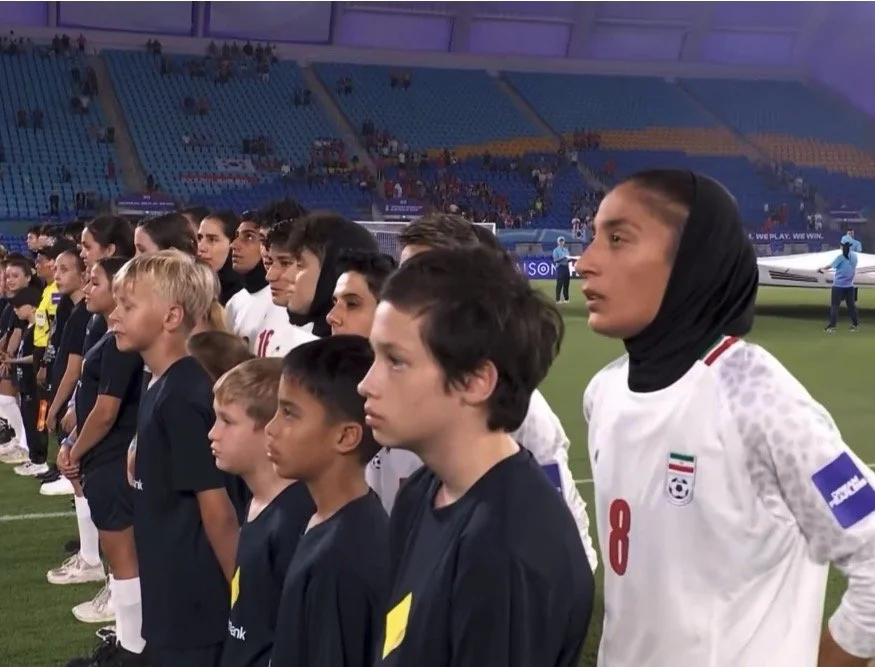
From silent protests to daring escapes, Iran’s women footballers turned a tournament into a global story of courage, politics, and survival.
Hapoel Be’er Sheva fans were barred from AZ Alkmaar. Why does the country with deep Jewish football roots now refuse to host Israeli supporters?