

The Spanish Super Cup is being played this year in Saudi Arabia.
It’s not the first time, as this is the third Super Cup that has been hosted by the Saudis in the last four years - the year missing was during the Covid pandemic.
Some will consider their decision to host this event as part of a wider plan for the Saudis to become more involved in international sport.
It might be another step towards a potential bid to host the World Cup, just like the transfer of Cristiano Ronaldo to Al-Nassr and the decision to buy Newcastle United.
But playing Super Cups abroad is not something new, for years organisers have decided to play these matches away from their home countries.
Sometimes due to marketing reasons, to introduce their football to new fans, and in others it was just an issue of money - and a lot of it.
Here are some of the interesting Super Cup relocations from the past.
Xavi y Ancelotti se citan para la final de la Supercopa de mañana en Ryiahd pic.twitter.com/ELICVQ9MsJ
— Alfredo Martínez (@Alfremartinezz) January 14, 2023
France all over the globe
In the last two years, France have decided to host their Super Cup in Bloomfield Stadium in Tel Aviv.
Before that, they played the French Trophée des Champions in the United States, China, Tunisia and Morocco.
The first was back in 2009, when Bordeaux and Guingamp played in the Olympic Stadium of Montreal.
The stadium was almost half empty - 34,000 fans came to a stadium with a capacity of 66,000. Six years later, the Canadian city hosted this match once again, but this time in a smaller stadium, Stade Saputo, which was almost full with 20,000 fans.
In 2013, France went further when they picked Gabon as the host nation of the match.
34,000 people turned up at Stade d'Angondjé in Libreville, to see a dramatic tie between PSG and Bordeaux.
Trophée des Champions in Tel Aviv: When Ligue 1 meets the Middle East — by @Levyninho, 📸 @NickieLiberman #TDC21 #Lebaujeu #psg #loschttps://t.co/HXFm7LTG7U
— BabaGol (@BabaGol_) August 4, 2021
My country, my rules
In 1993, Italy moved the Supercoppa Italiana to Washington DC, playing this match for the first time outside Italy.
It took almost a decade until the Italians decided to once again play abroad, but it wasn’t a good decision.
At the beginning of the 2000s, Libya tried to enhance relations with its former colonisers.
Libya president, Muammar Gaddafi, was involved, as well as his son, Al-Saadi Gaddafi - the Libyan Football Association president.
The connection between the two even brought Al-Saadi Gaddafi to a short and unsuccessful spell in Perugia.
In 2002, the Italian Super Cup was played in Tripoli.
The 11 June Stadium was fully packed, as Juventus defeated Parma 2-1 with a brace from Alessandro Del Piero.
Al-Saadi Gaddafi made this match his own home match, as he walked around the stadium, taking pictures with some of the Italian association leaders, as well as being part of the celebration photos of Juventus players with the trophy.
The Italians would bring this trophy back home, but have hosted the match elsewhere - in the United States, China, Qatar and Saudi Arabia.
Saudis are traveling
Not only is Saudi Arabia hosting other countries’ Super Cups, but the Saudis themselves also once played their own Super Cup away from home.
In 2015, an initiative led by the Saudis meant the game between Al-Nassr and Al-Hilal would be played in London.
The host stadium was Queens Park Rangers’ Loftus Road.
Only 8,000 people came, and some would say that it didn’t draw any special attention in England.
The Saudis came back to England twice more - in 2016, the match between Al-Ahli and Al-Hilal was played at Fulham’s Craven Cottage and, after a year of not playing the Super Cup at all, Loftus Road was the home of the 2018 Saudi Super Cup, between Al-Hilal and Al-Ittihad.
In each of these matches, more than 16,000 fans came.
The idea of playing the Saudi Super Cup in England has not been repeated since then, as the match returned to play at home.
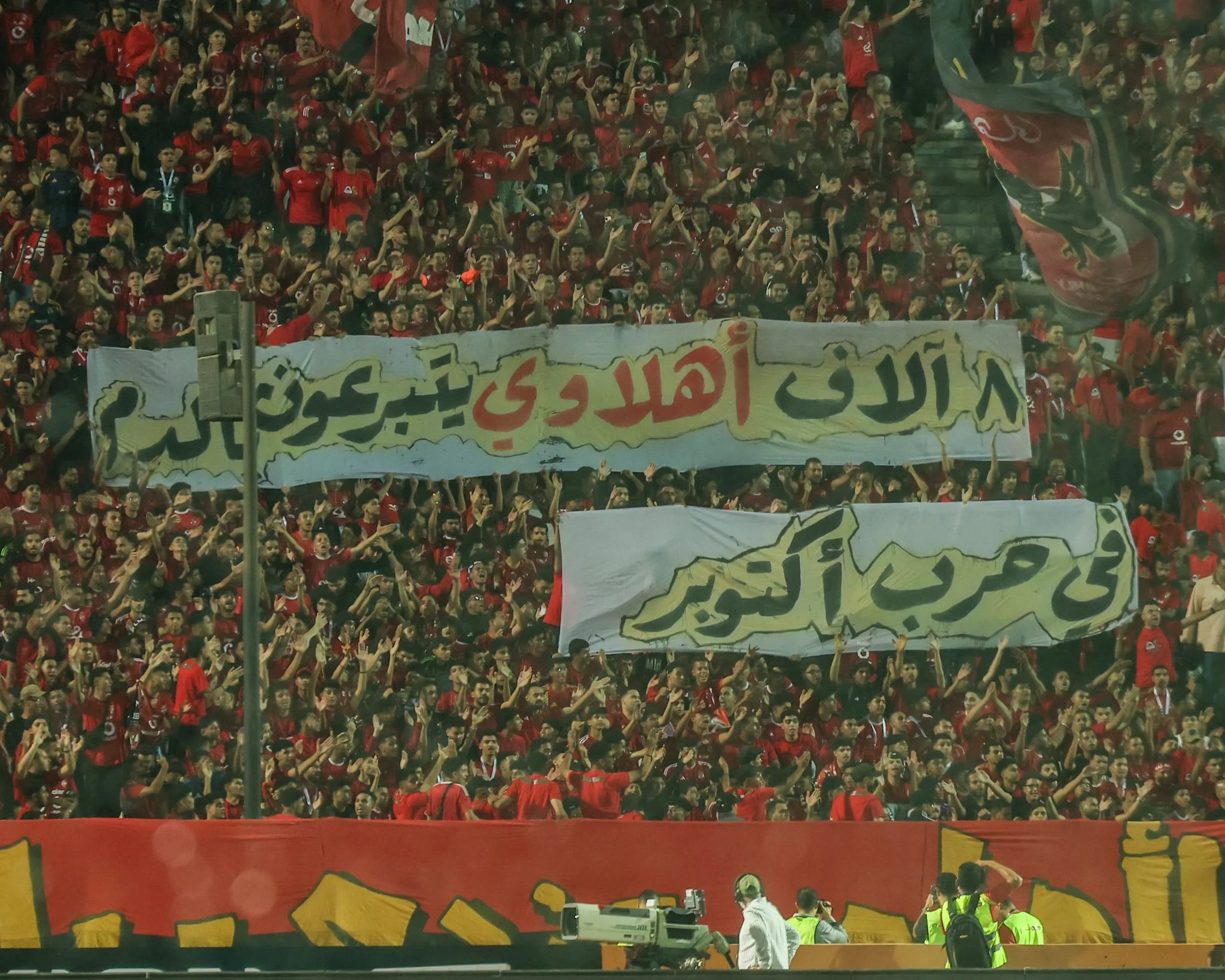
Cairo’s derby drew a record number of crowd for the first time in years, as Al Ahly and Zamalek fans united in October War banners and Israel chants.

Manchester City’s guilty verdict is spilling into geopolitics, as Abu Dhabi hints at curbing UAE investment in Britain over the club’s fate.
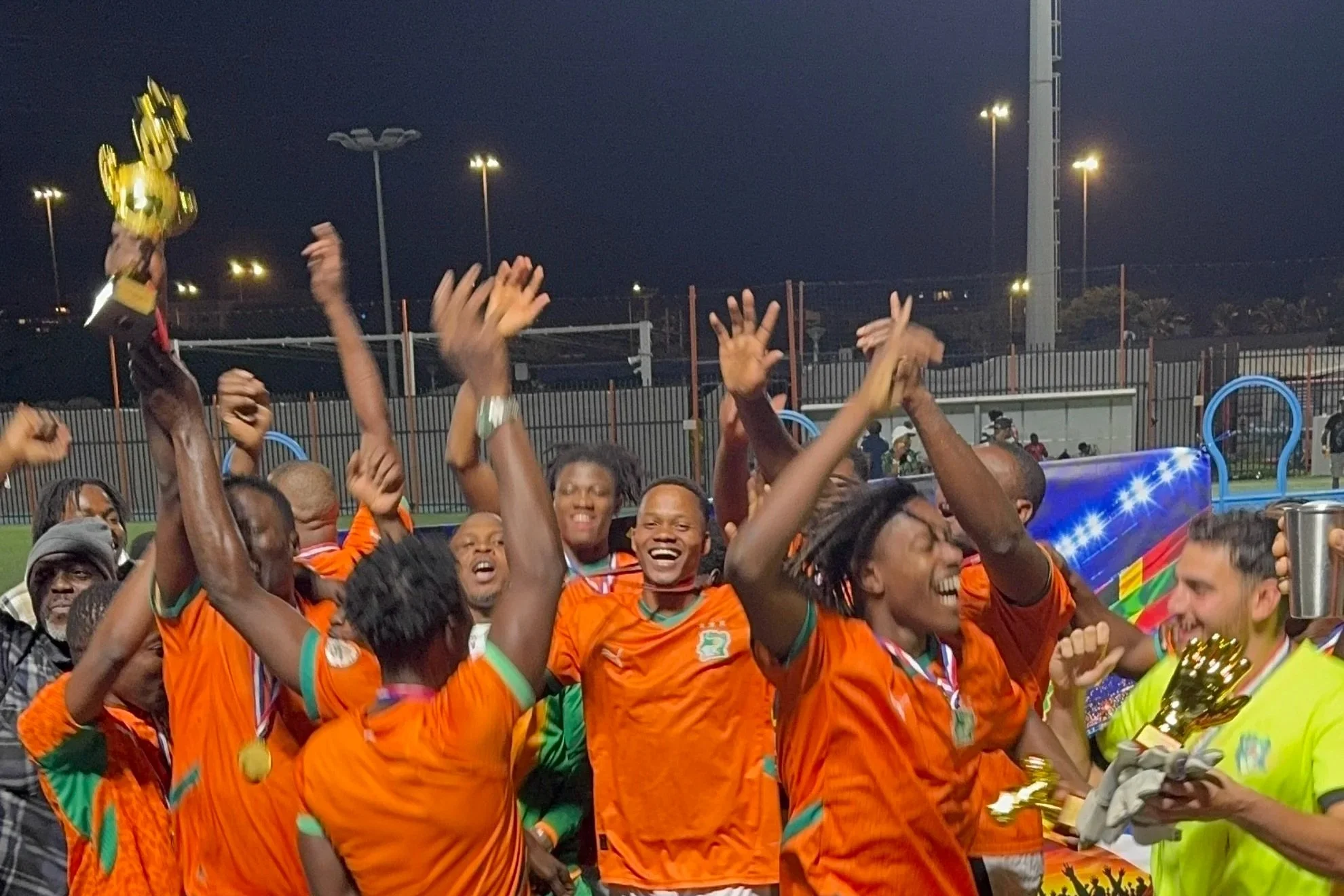
Ivory Coast edged Nigeria 3-2 in the final of a solidarity tournament among eight African teams, organised by Sudanese refugees in Tel Aviv.
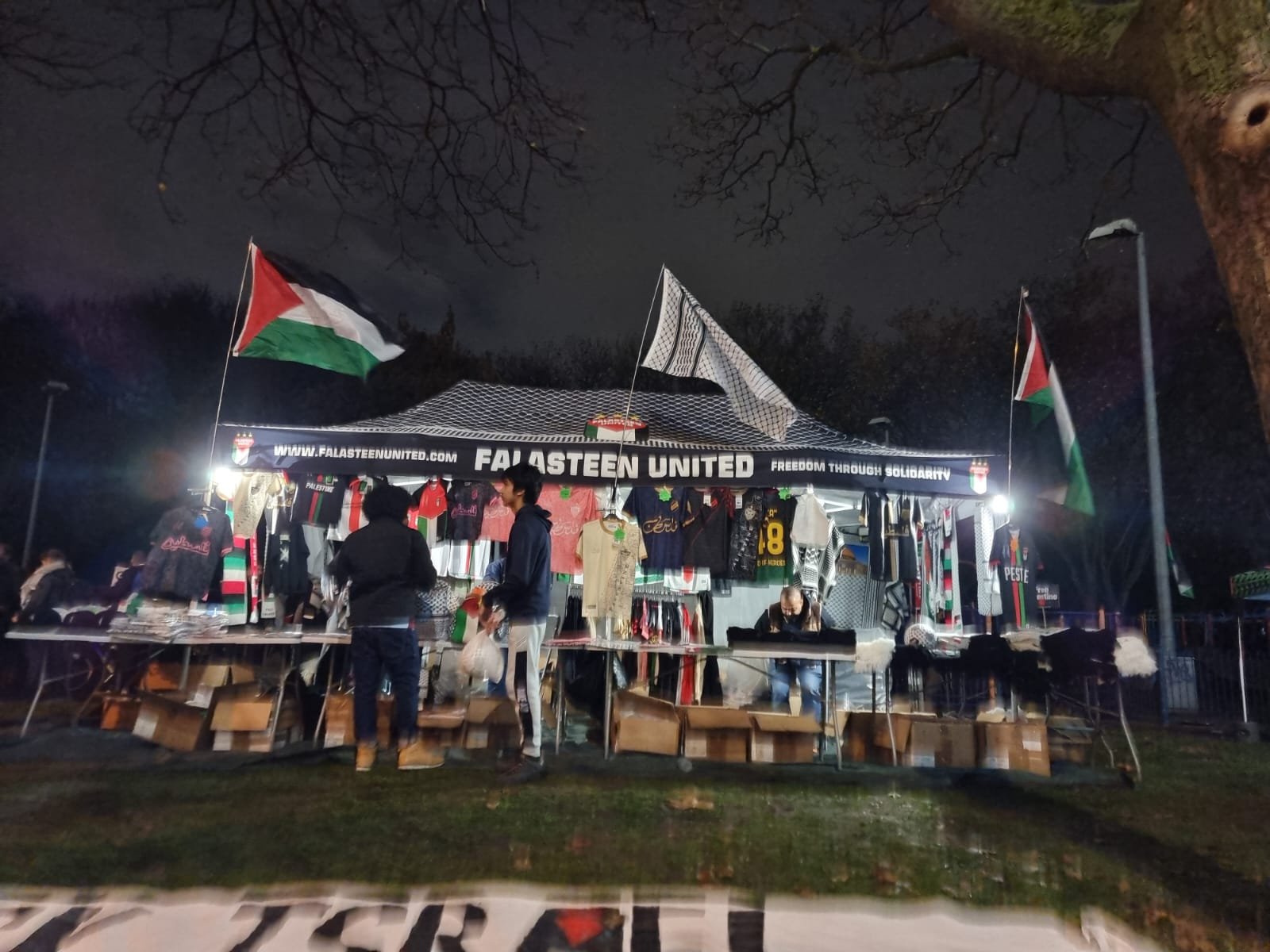
Hapoel Be’er Sheva fans were barred from AZ Alkmaar. Why does the country with deep Jewish football roots now refuse to host Israeli supporters?
Cairo’s derby drew a record number of crowd for the first time in years, as Al Ahly and Zamalek fans united in October War banners and Israel chants.
Manchester City’s guilty verdict is spilling into geopolitics, as Abu Dhabi hints at curbing UAE investment in Britain over the club’s fate.
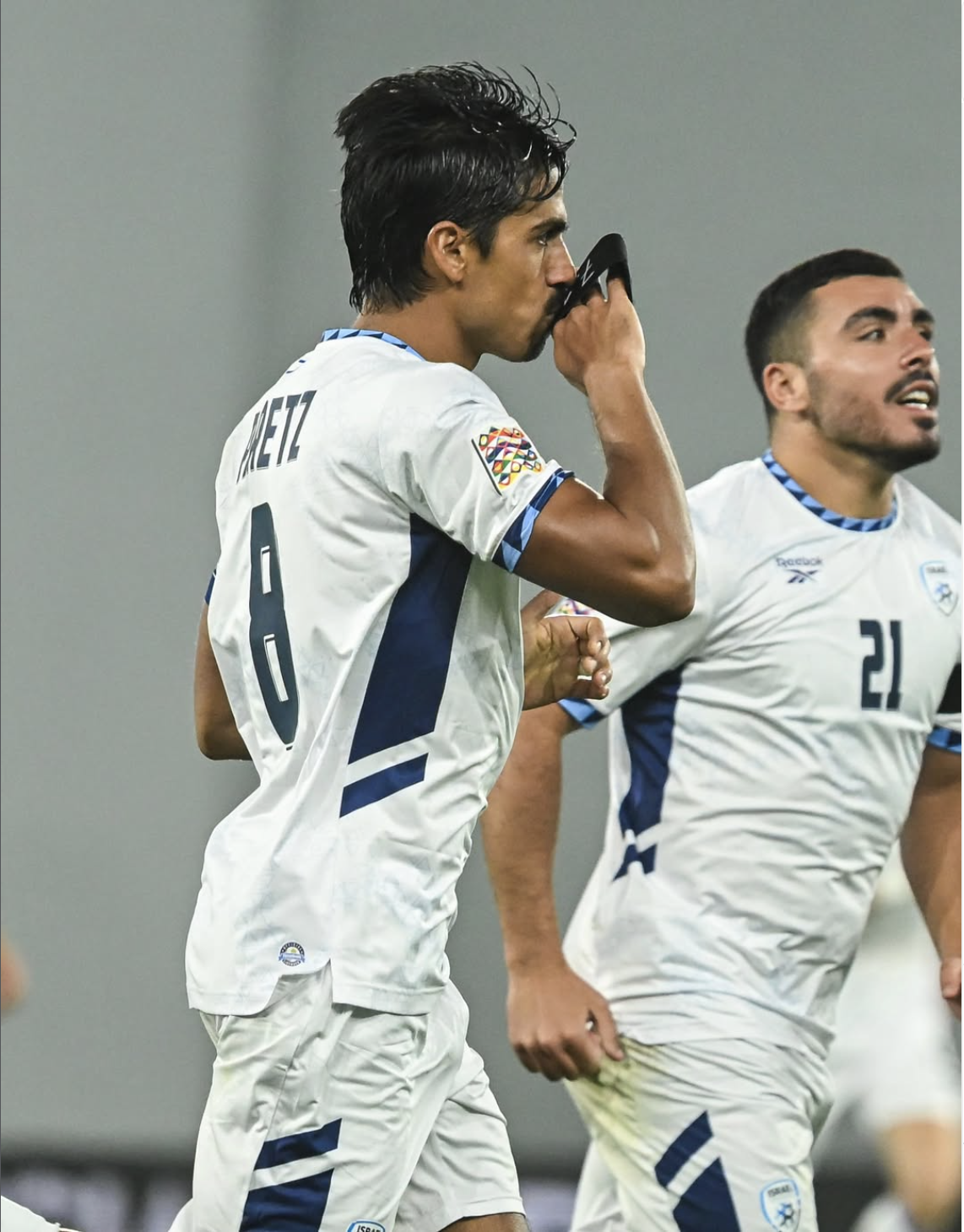
Israel's national team finished bottom of its Nations League group, as politically charged clashes versus Ireland overshadowed the campaign.
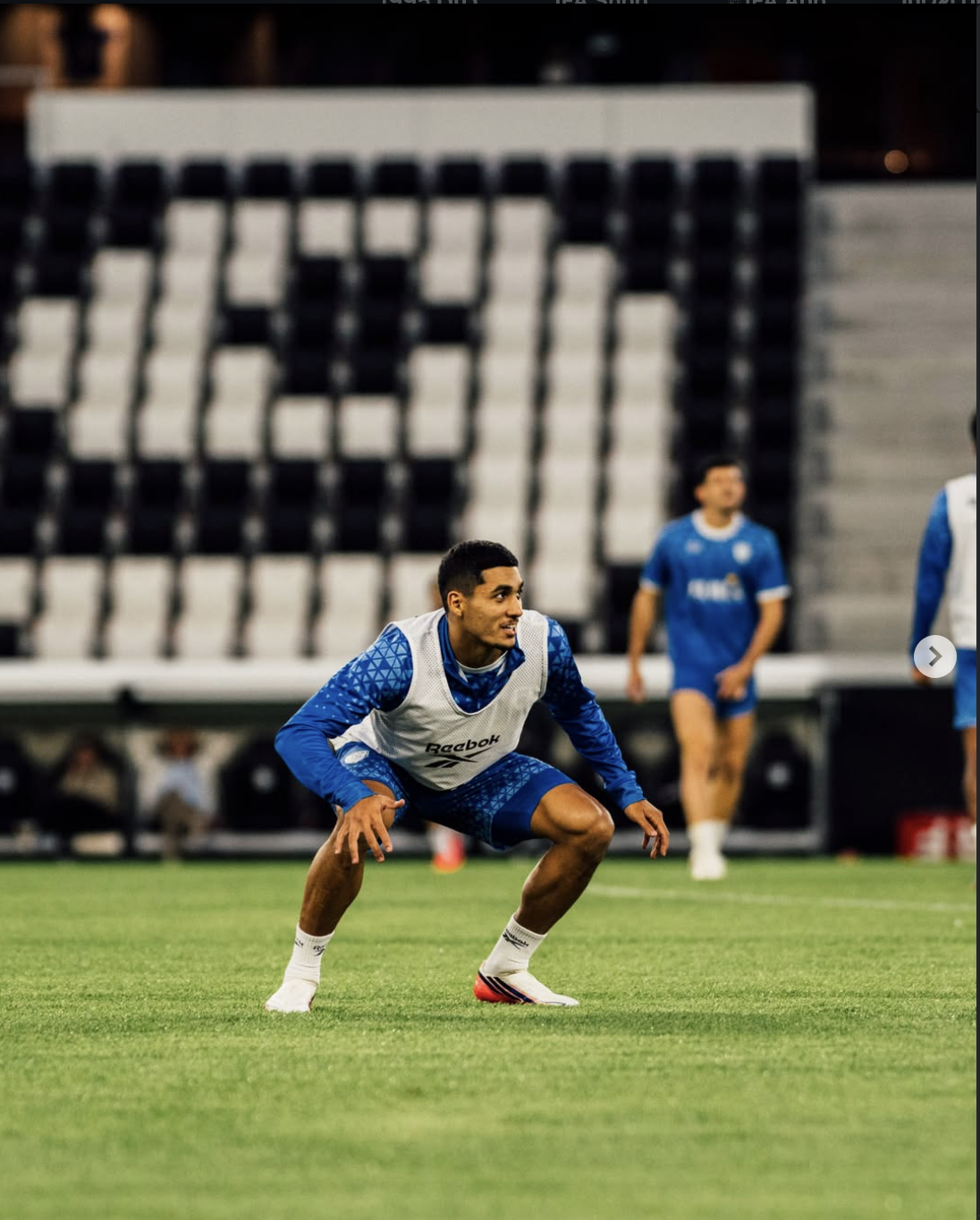
Israel opens a homeless Nations League campaign against Austria, Kosovo, and Ireland, with the Gaza conflict looming over every match played.
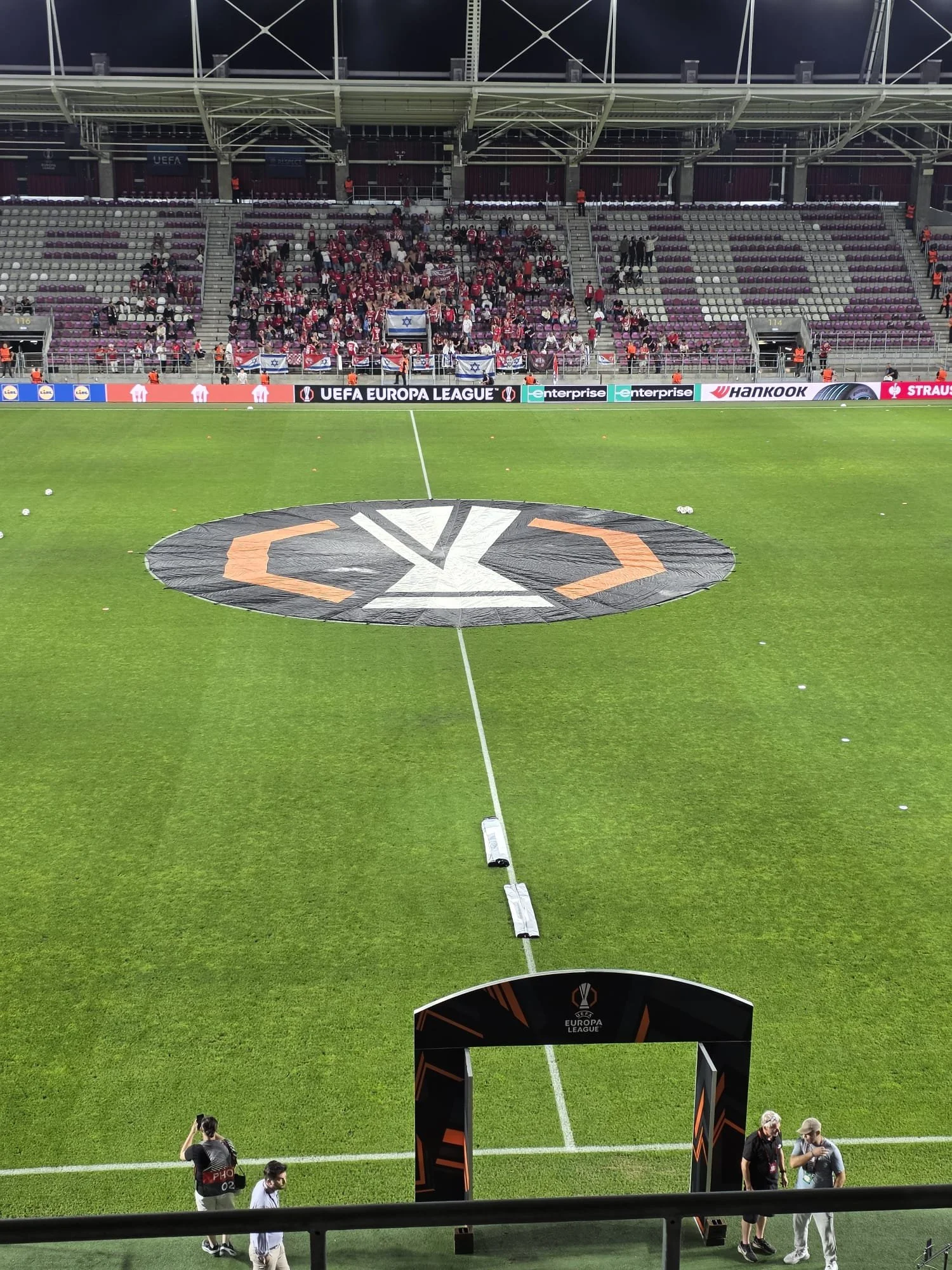
Hapoel Be'er Sheva drew 0-0 at Dinamo Zagreb to open their Europa League return, ahead of a brutal schedule and no home matches this season.
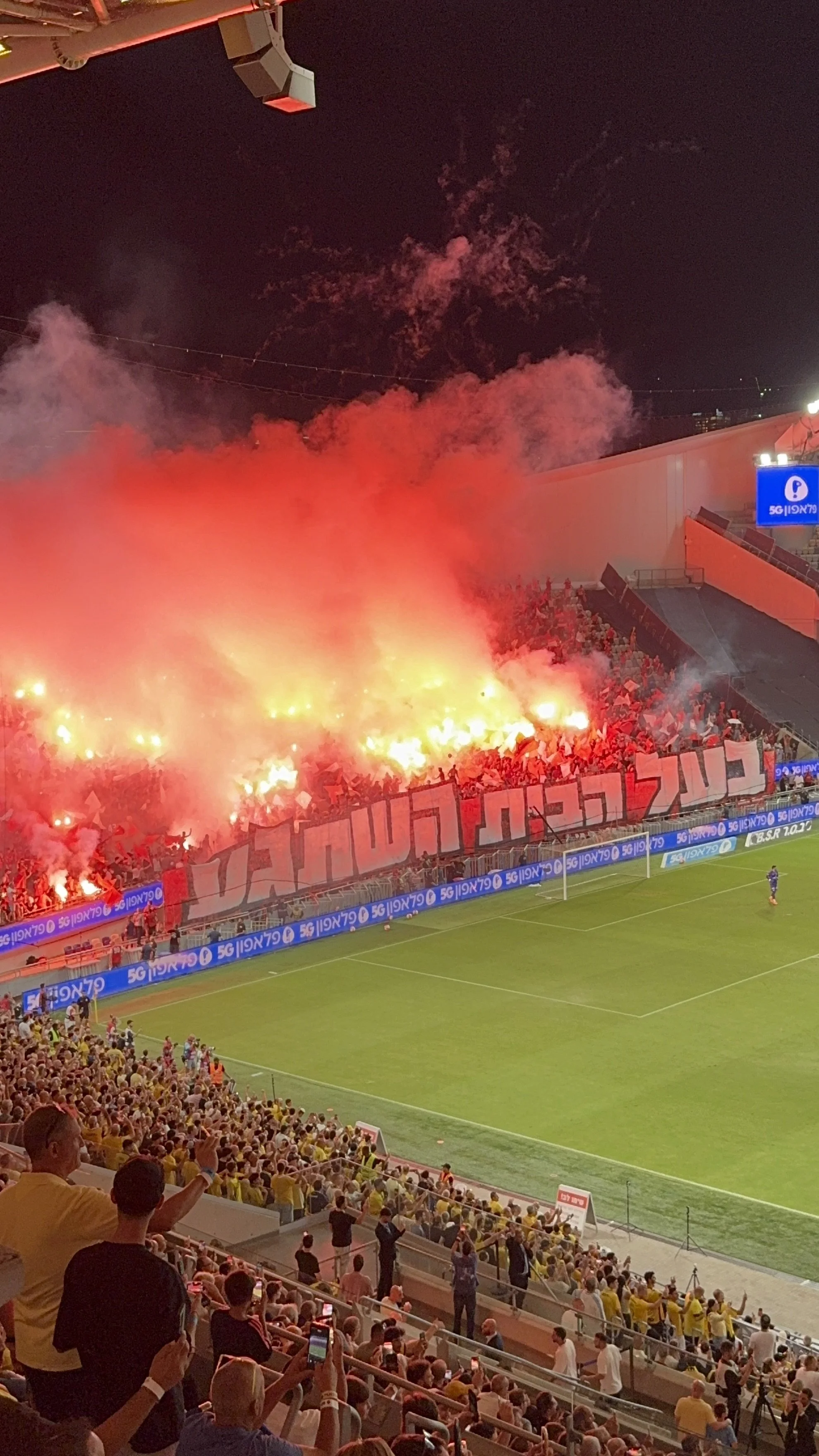
Maccabi Tel Aviv routed ten-man Hapoel 4-1 at Bloomfield, in a fiery derby marked by red cards and pyro chaos.
For the first time since Oct. 7, 2023, Palestinian club football returns this weekend as 226 teams compete across three war-scarred regions.
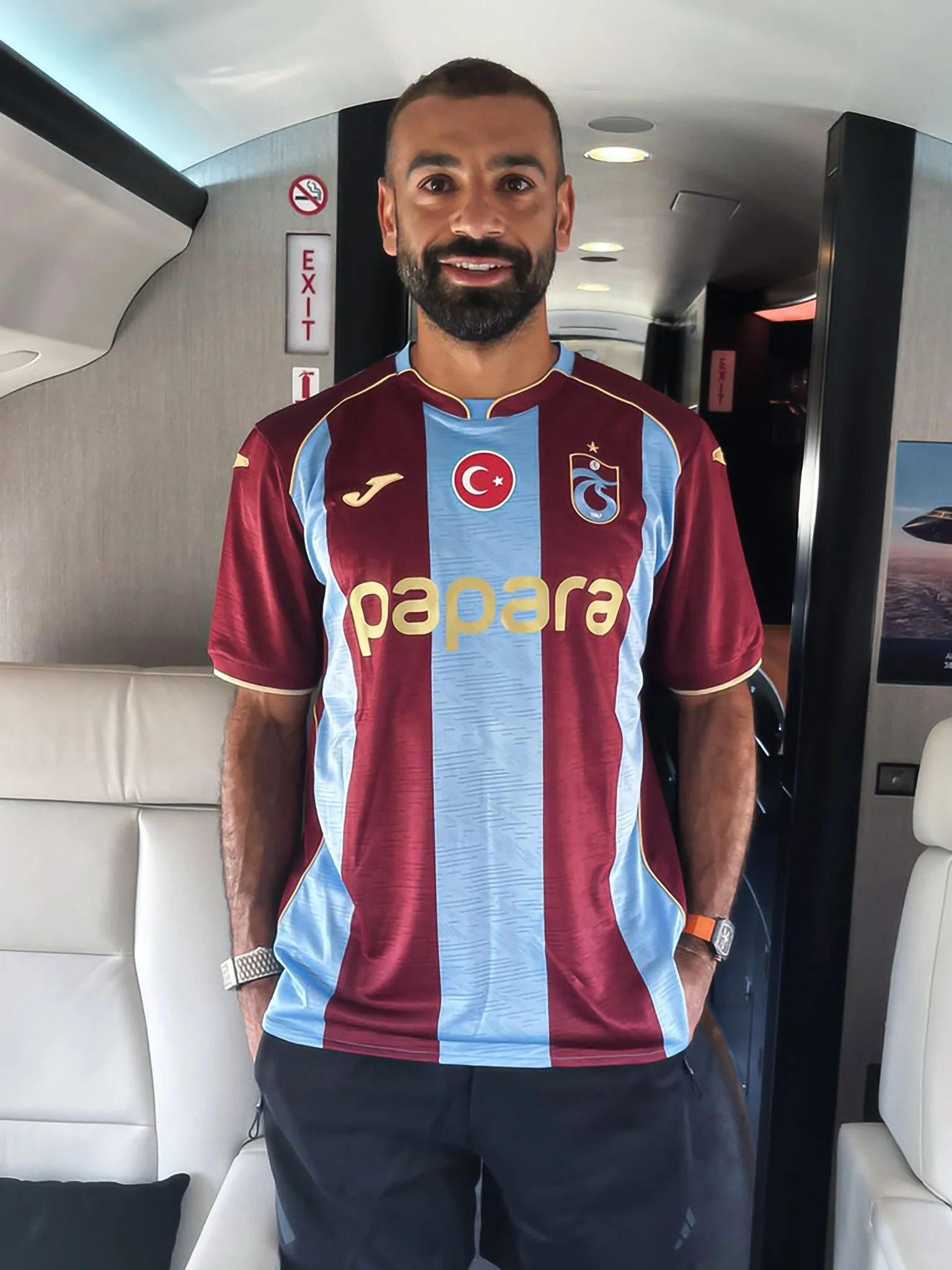
After nine years at Liverpool, Salah left for Trabzonspor — the money, the family, and the love of being the underdog all played their part.
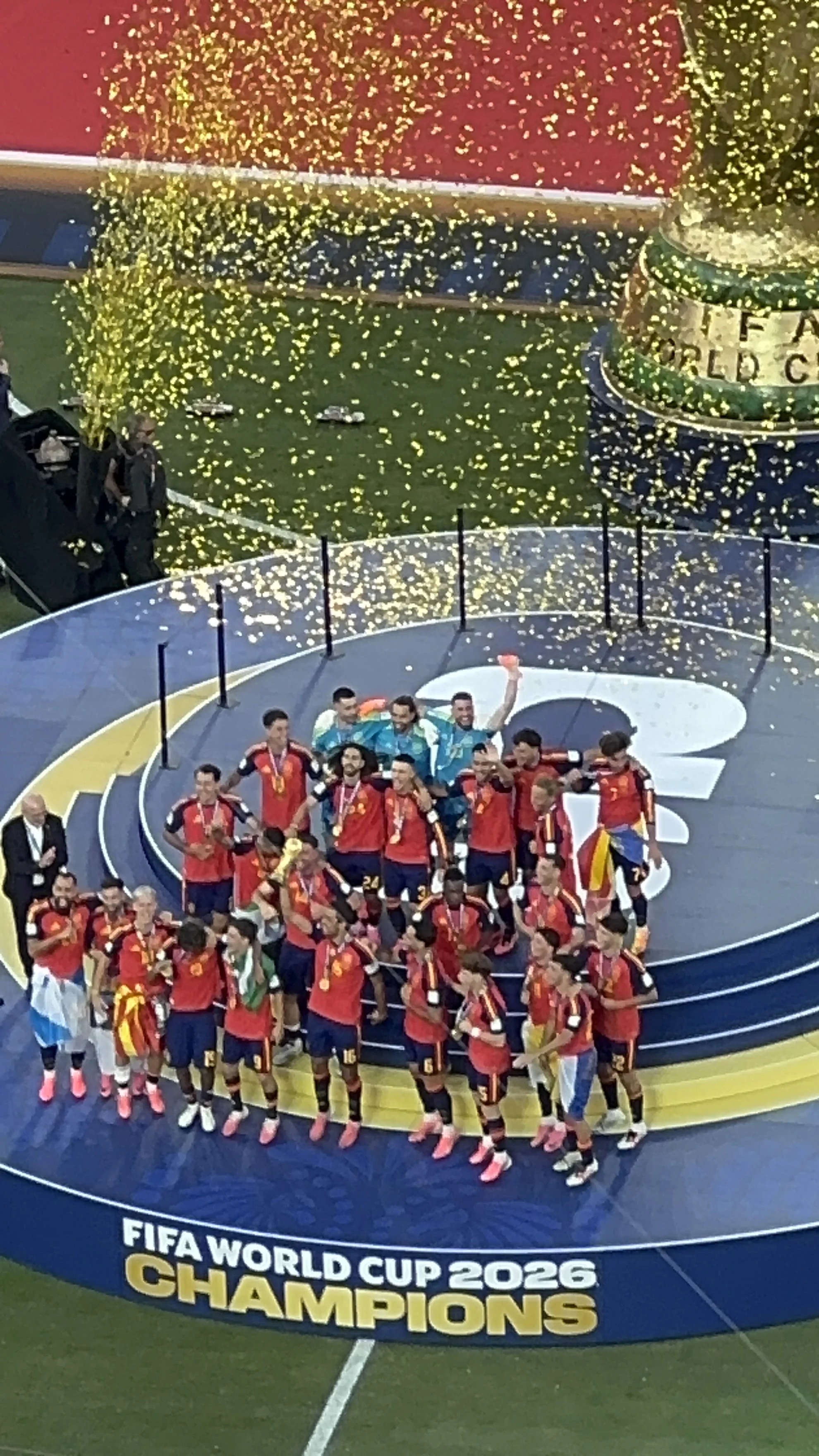
Spain defeated Argentina 1-0 in the 2026 World Cup Final, ending Lionel Messi's dream World Cup with heartbreak.
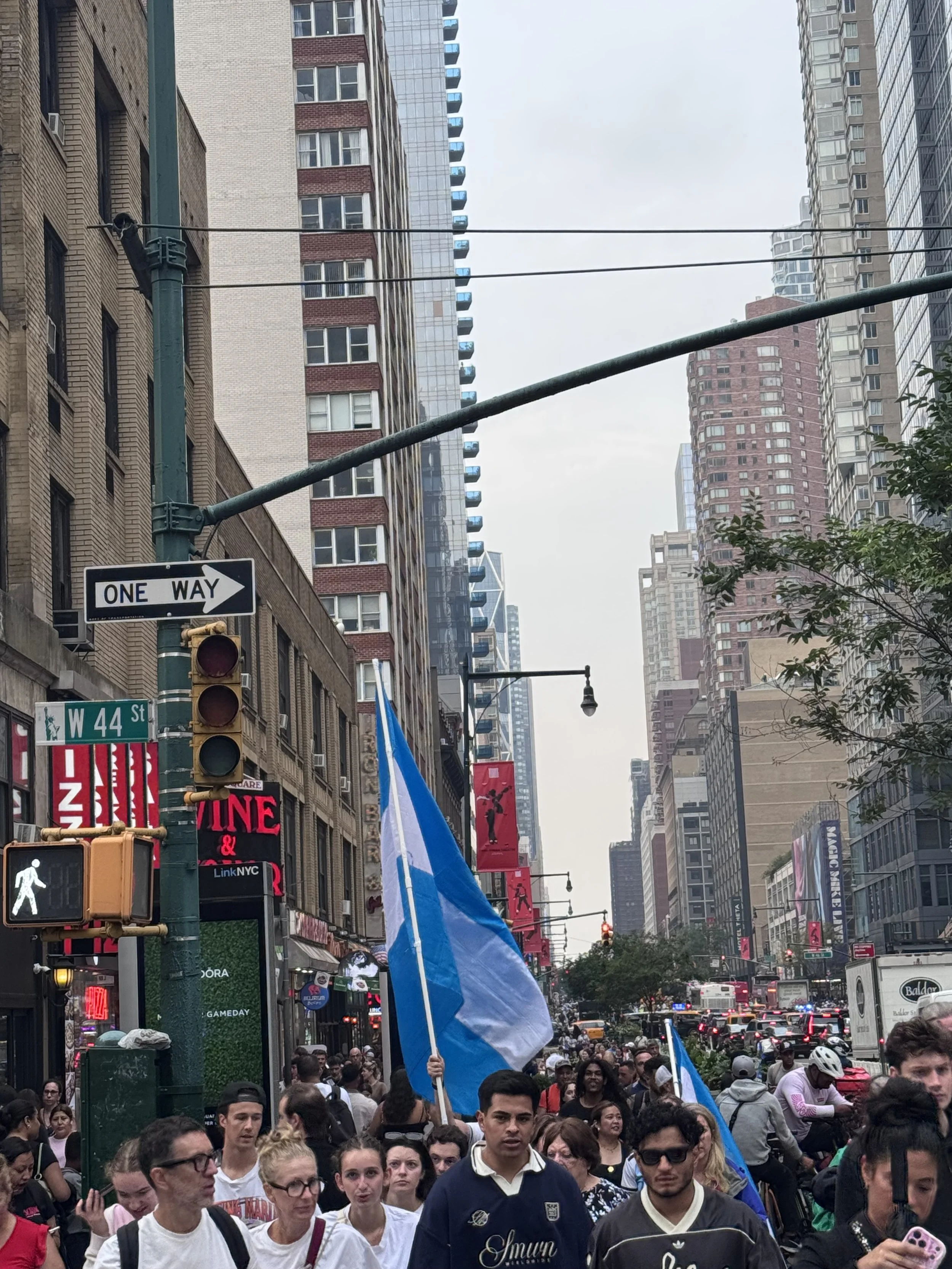
Thousands of Argentina fans transformed Times Square before the 2026 World Cup final, all united to thank Lionel Messi.
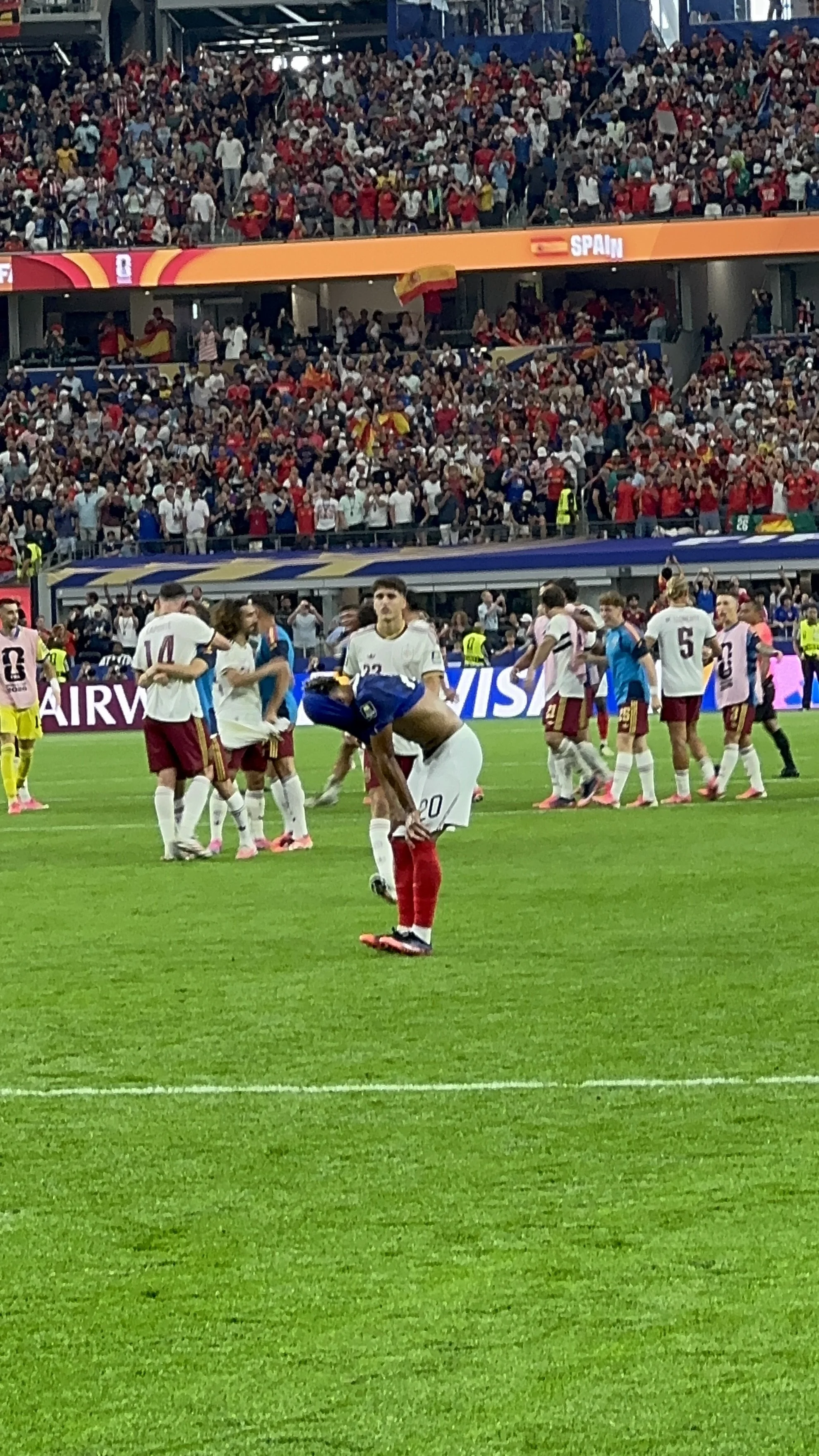
Spain were ruthless in Dallas as Oyarzabal and Dani Olmo starred, leaving France's Bastille Day to end in deep disappointment for Deschamps.
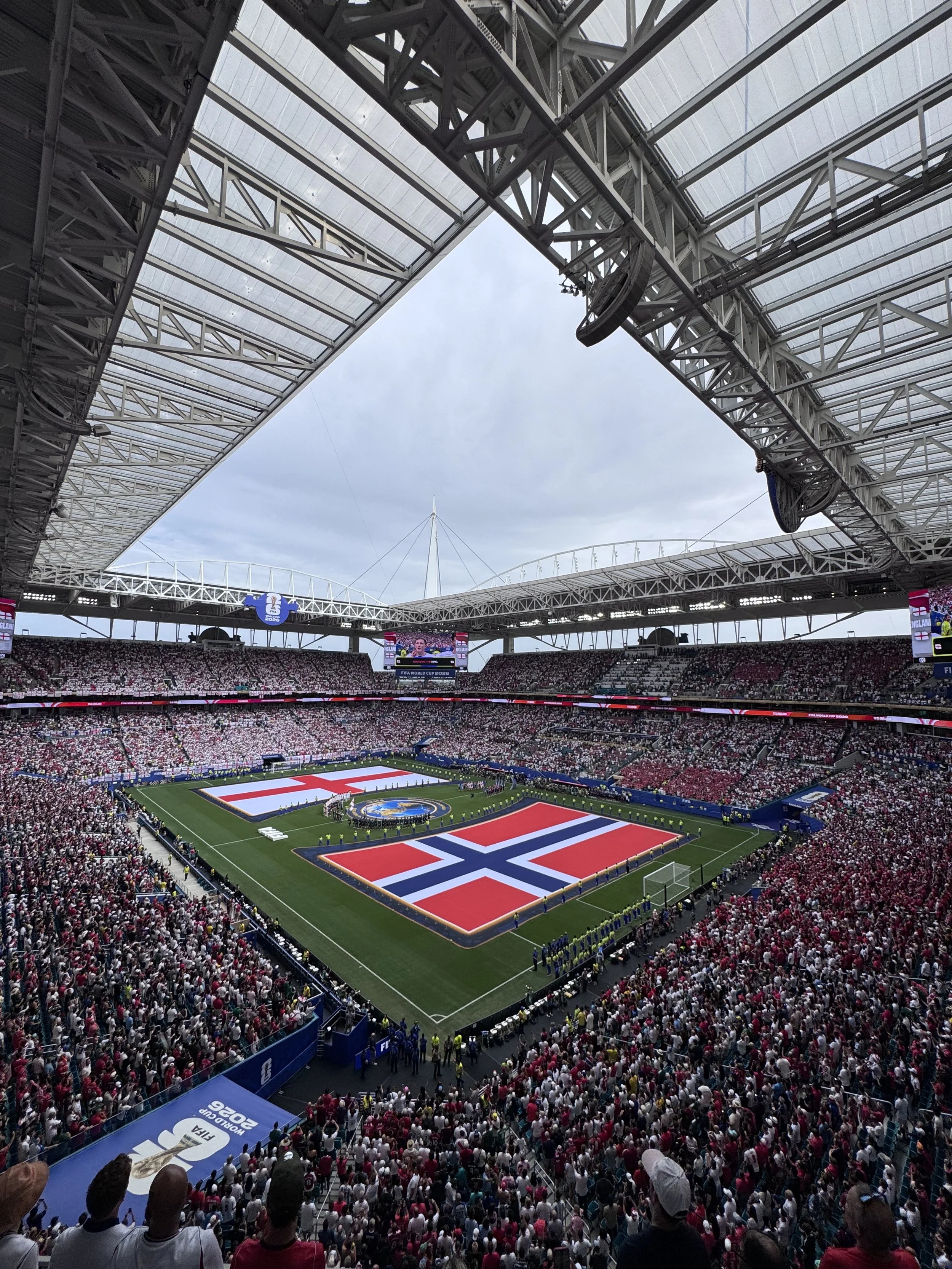
Norway outplayed England for most of a sweltering Miami classic, but two Bellingham strikes in extra time sent the Three Lions to the semis.

Egypt pushed Argentina to the limit in a 3-2 World Cup thriller, but left the pitch furious at the referee and convinced justice was denied.
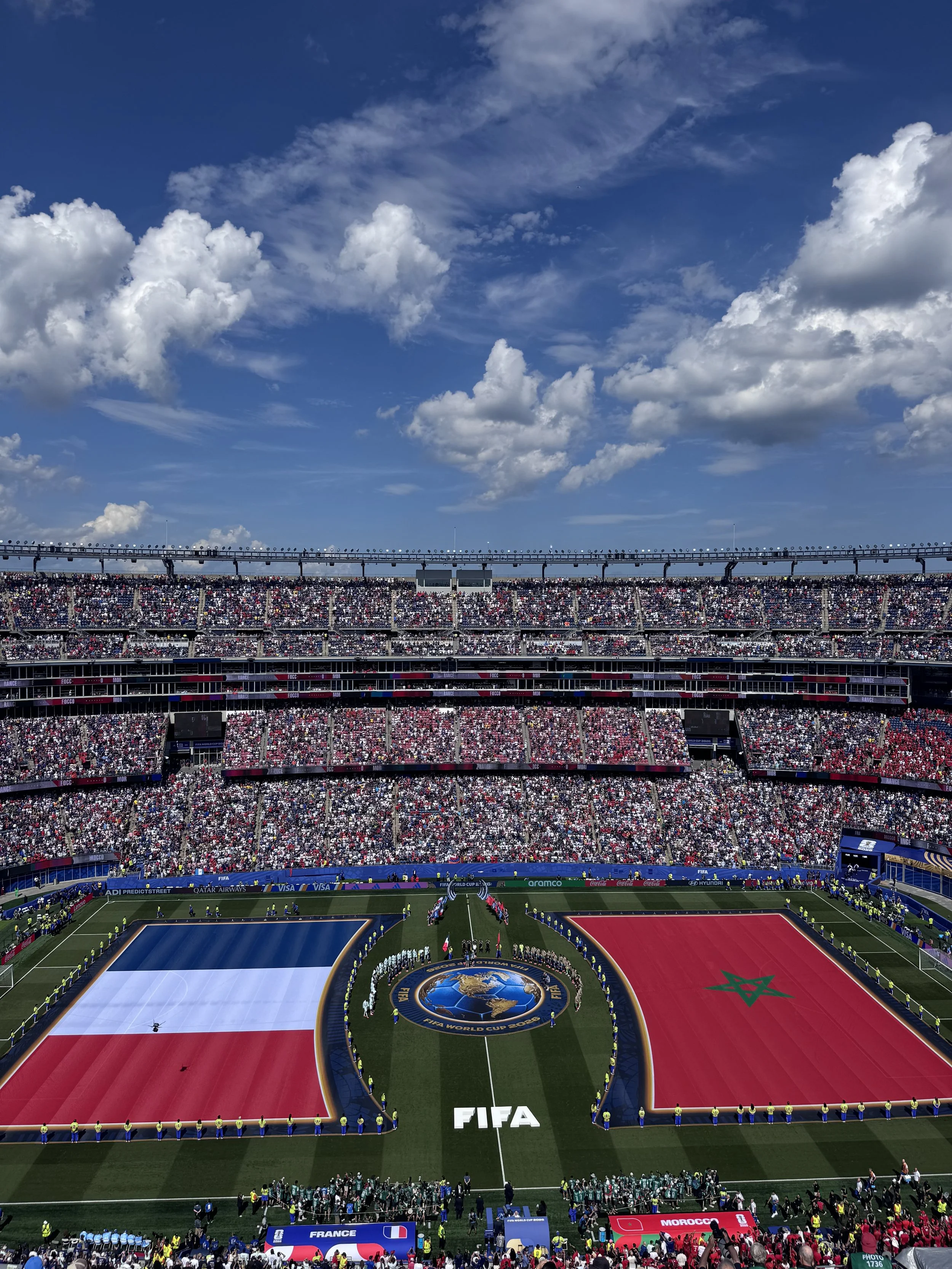
Ayoub Bouaddi chose Morocco over France at 18 and lit up a quarter-final about colonial history, dual identity, and what it means to belong.
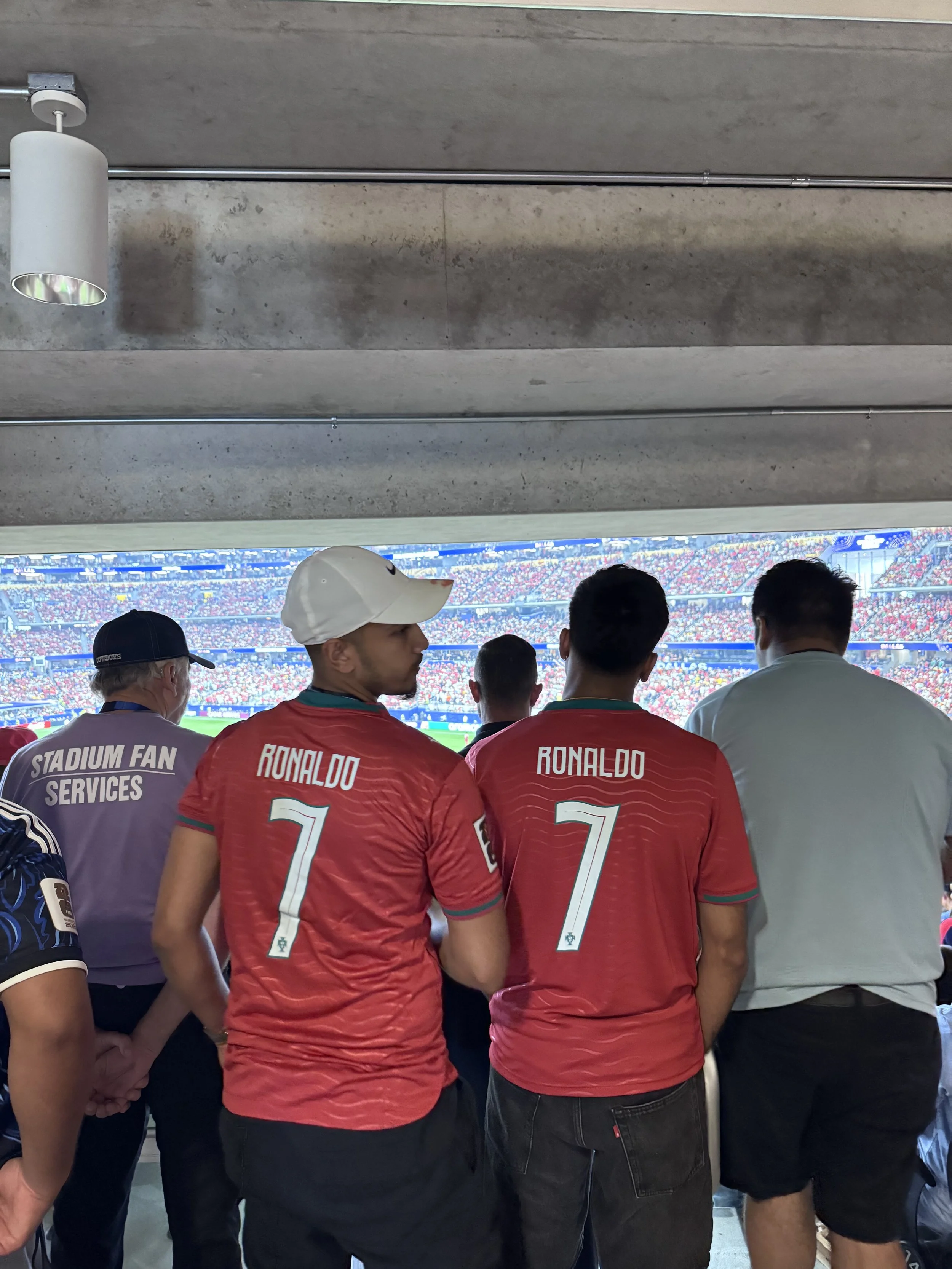
Merino's late goal gave Spain a 1-0 win over Portugal as Ronaldo left the World Cup stage in tears in what many believe was his final match.
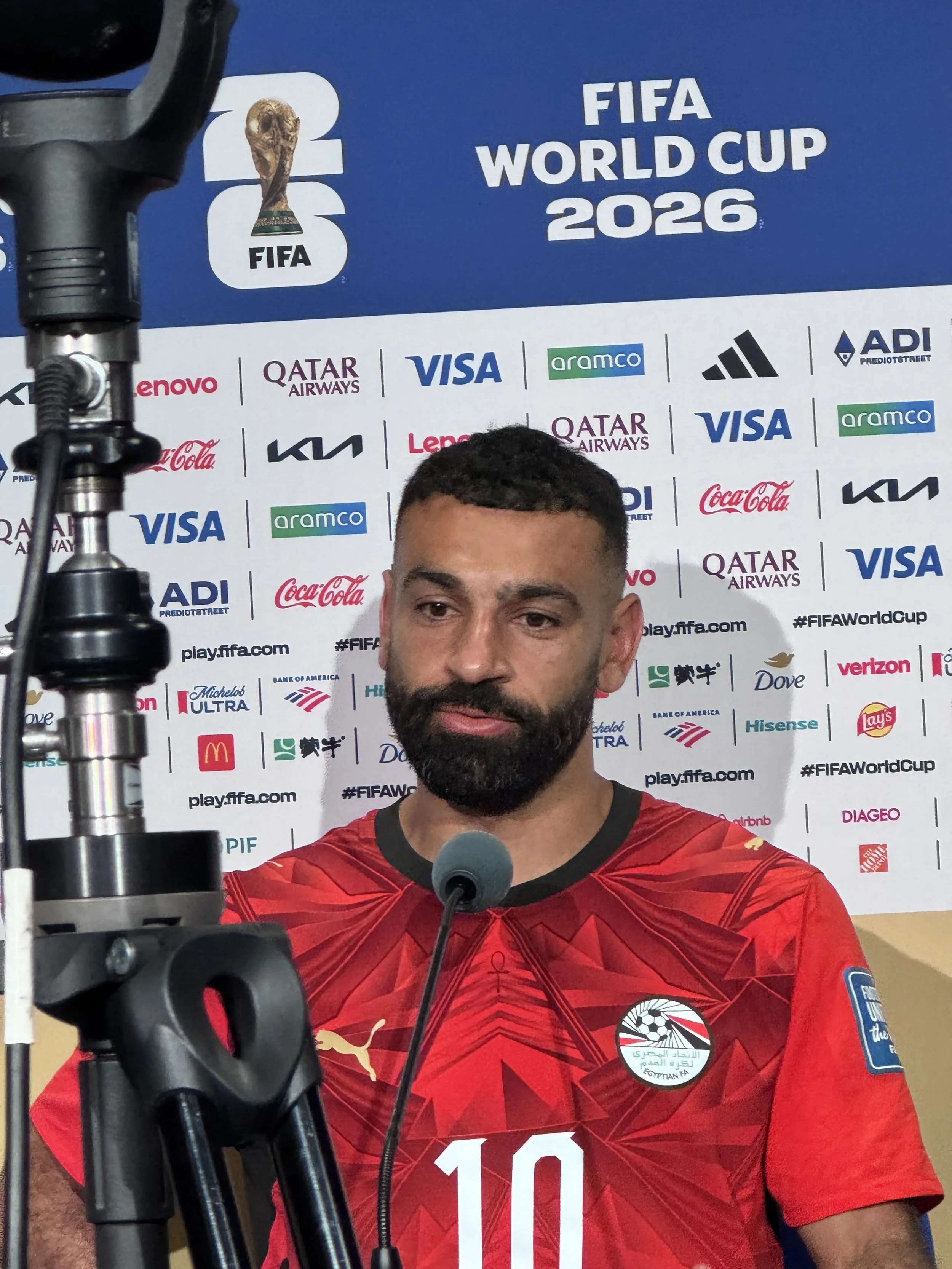
Egypt beat Australia on penalties in Dallas to reach the last 16 for the first time, with Salah's Panenka the highlight of a historic night.
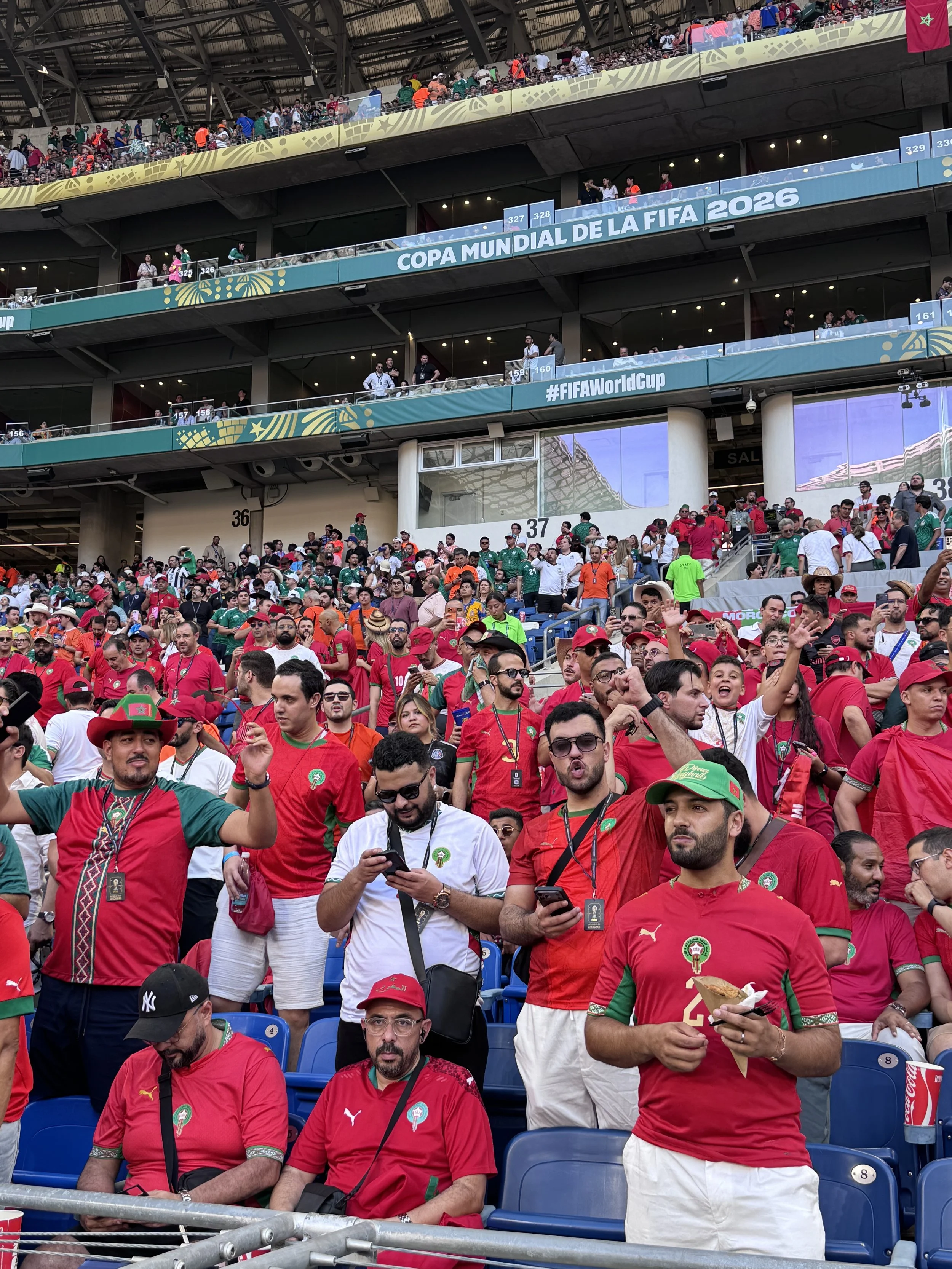
Diop headed Morocco level in the 91st minute and Saibari slotted the winner in the shootout as Morocco reached the World Cup quarter-finals.
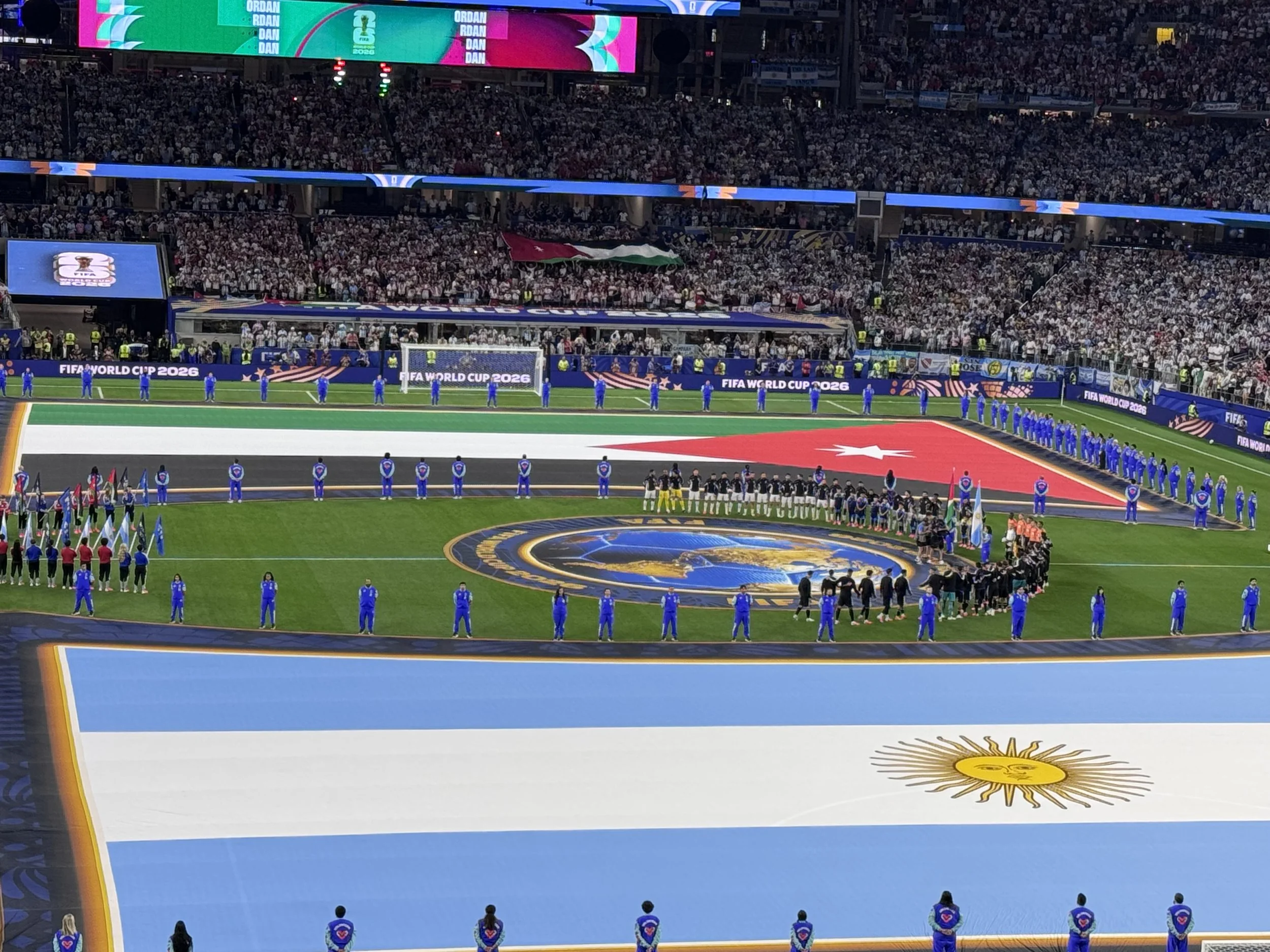
Messi and the Jordanian Messi both scored as Argentina beat Jordan 3-1 in Arlington, with records broken and keffiyehs flying in the stands.
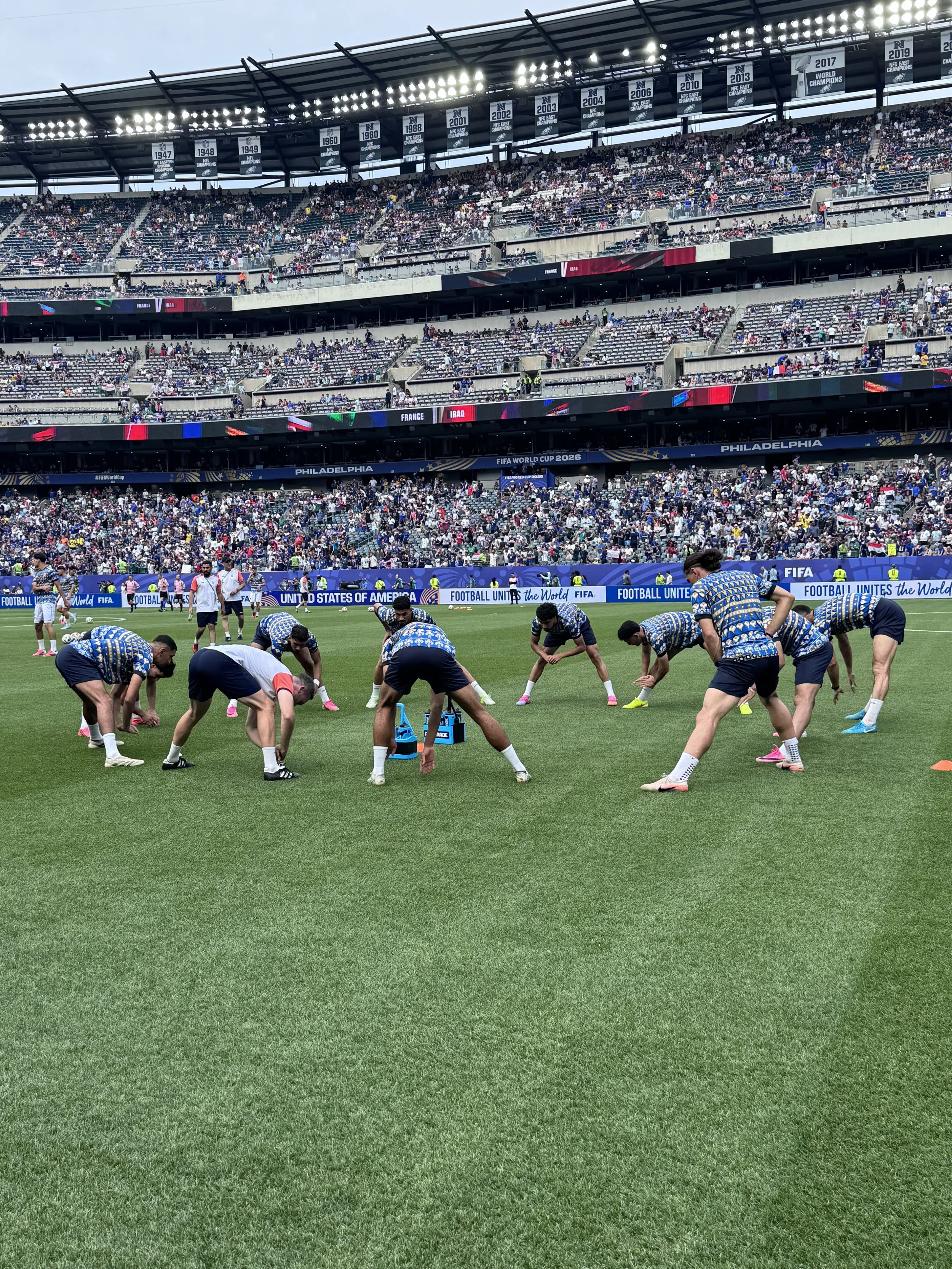
France beat Iraq 3-0 in Philadelphia, but the two-hour lightning delay stole the show, making it officially the longest World Cup game ever.
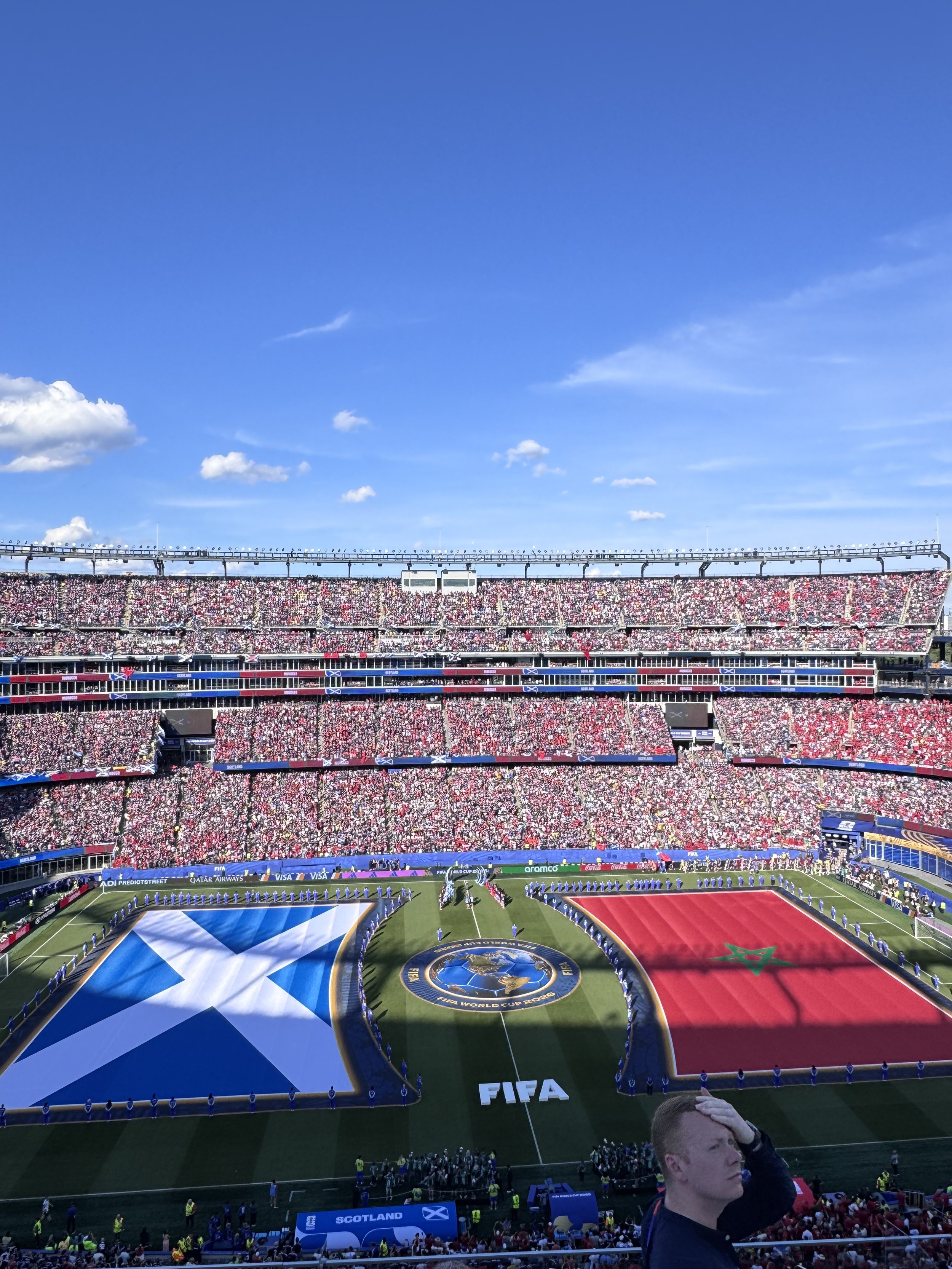
Saibari scored inside two minutes as Morocco beat Scotland 1-0 in Boston, leaving the Scots on the very brink of 2026 World Cup elimination.
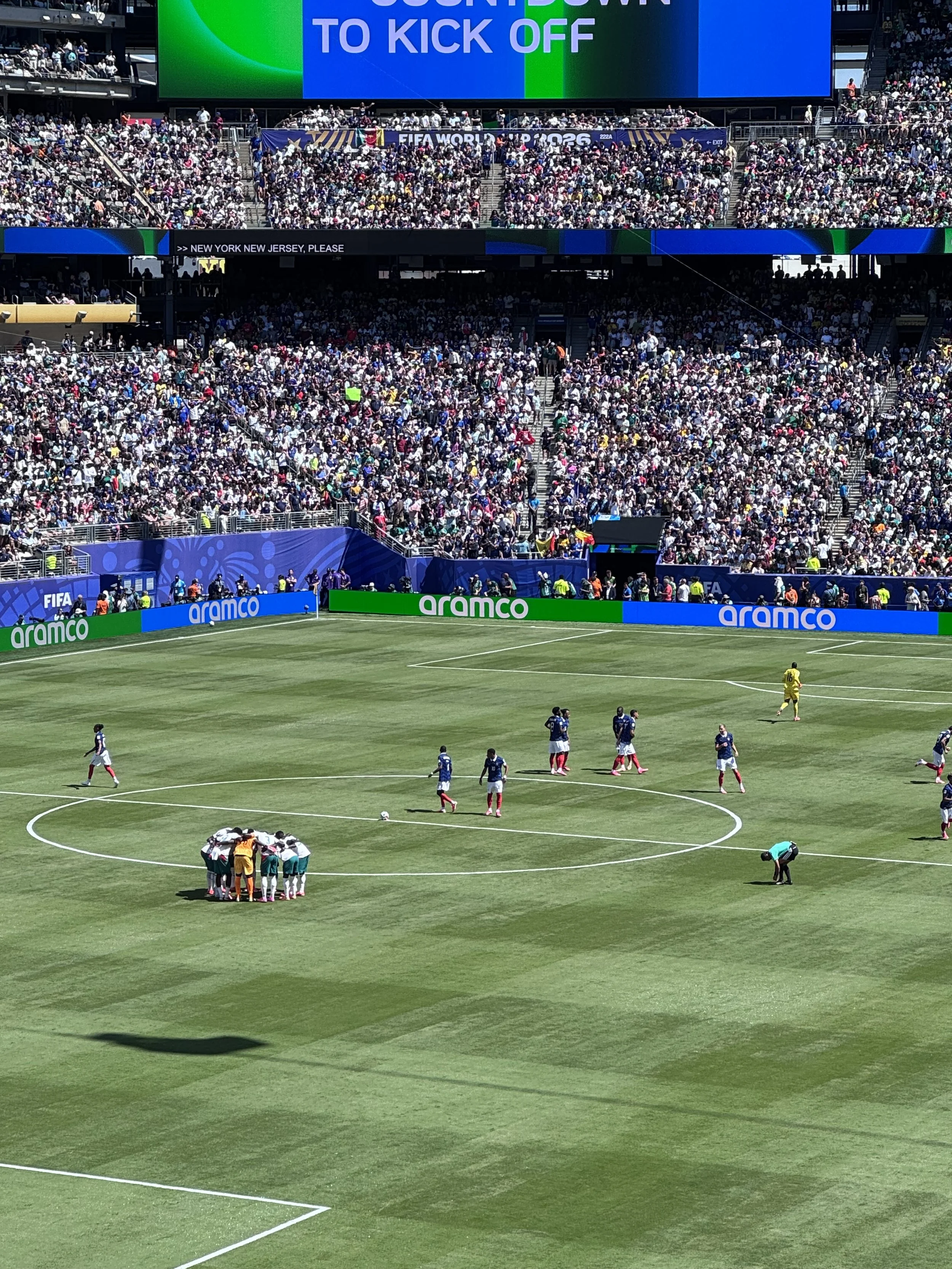
Senegal relived their legendary 2002 magic for an hour, but Kylian Mbappe struck twice to sink them and seal France's 3-1 win in New Jersey.
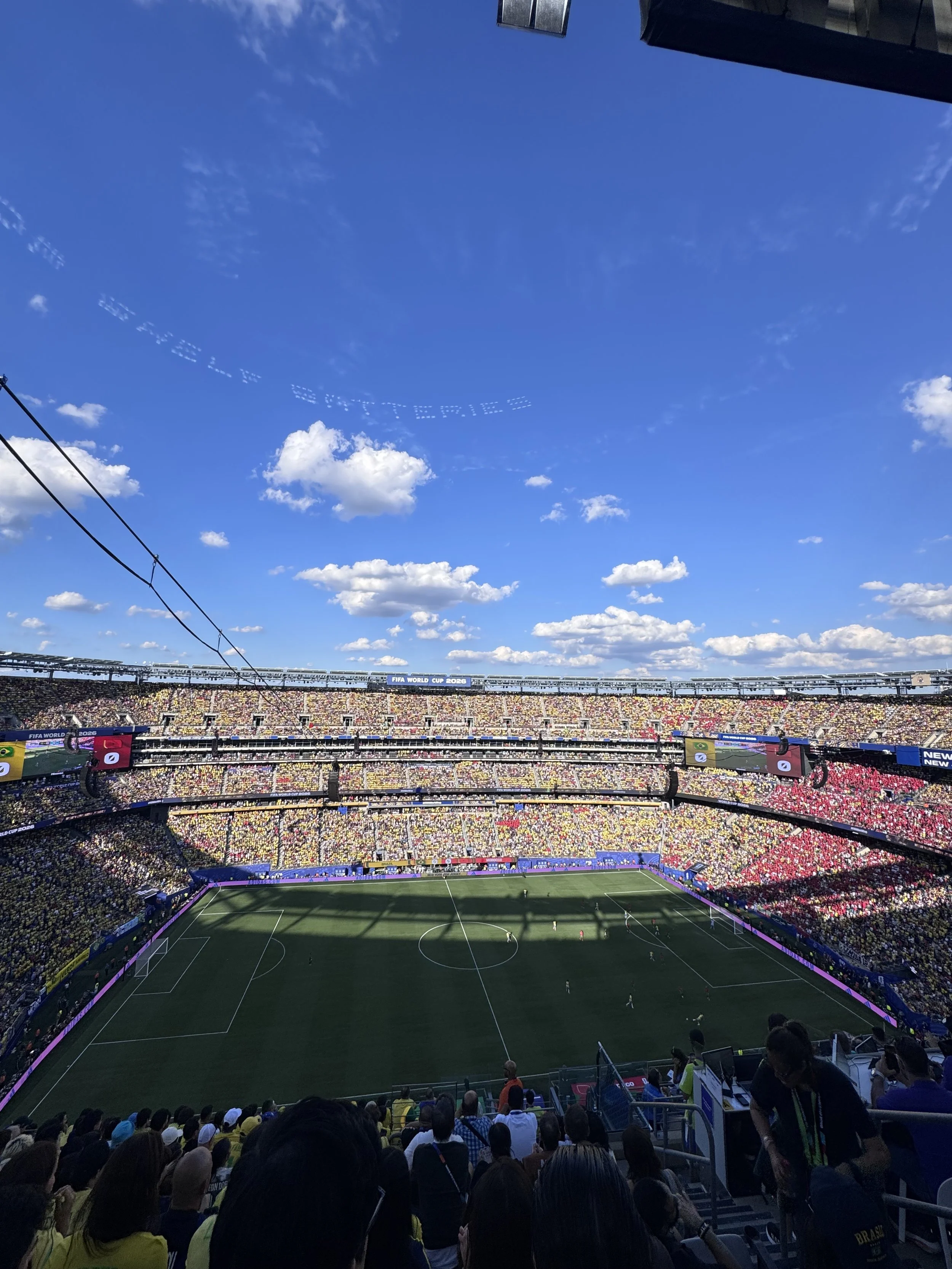
Qatar stole a last-gasp draw from Switzerland and Morocco held Brazil 1-1 — two results that announced Arab football’s full arrival at 2026.
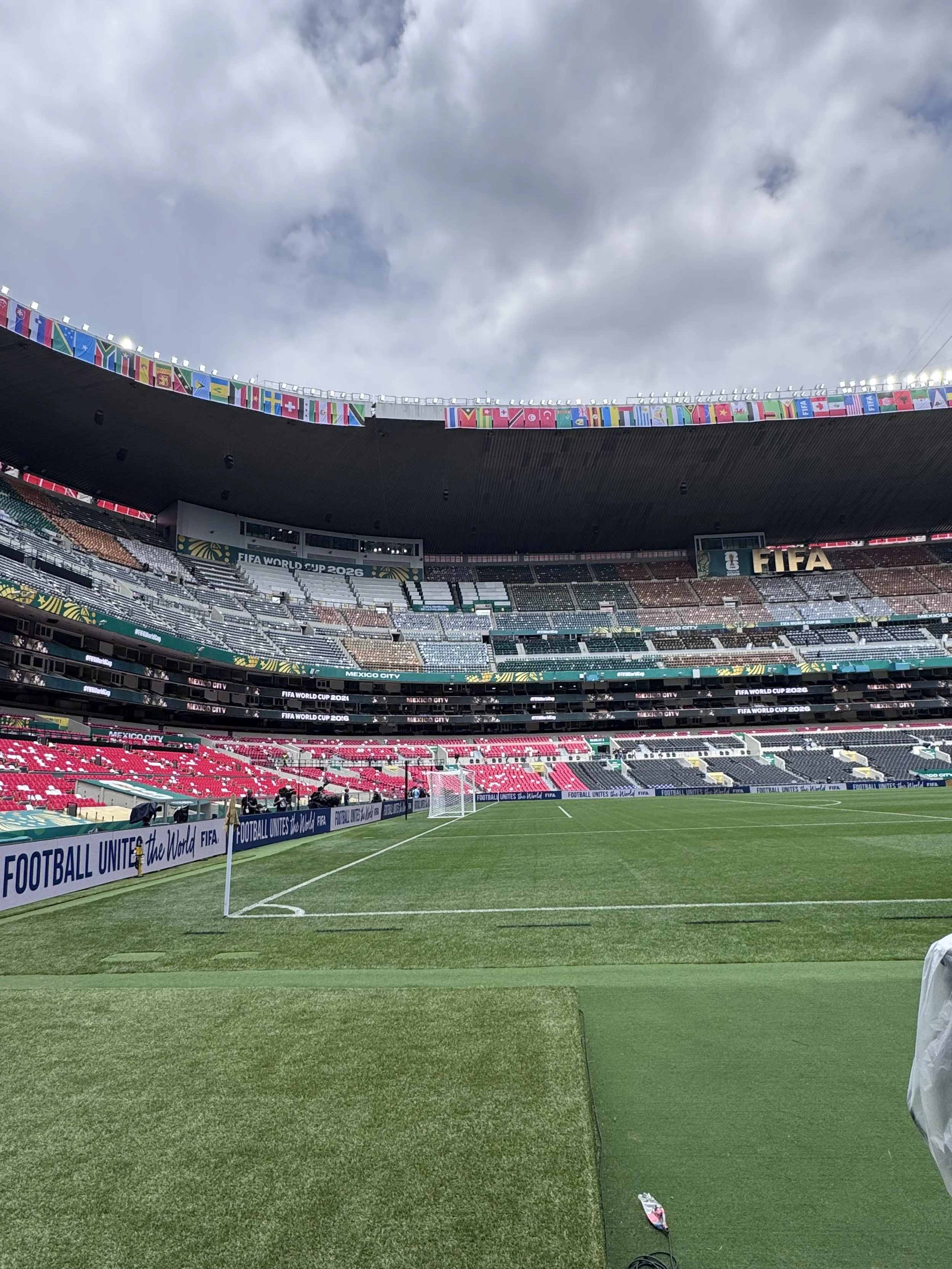
Azteca stadium hosts its third World Cup as Mexico City buzzes with pride, protest, and the deep belief that football has always lived here.
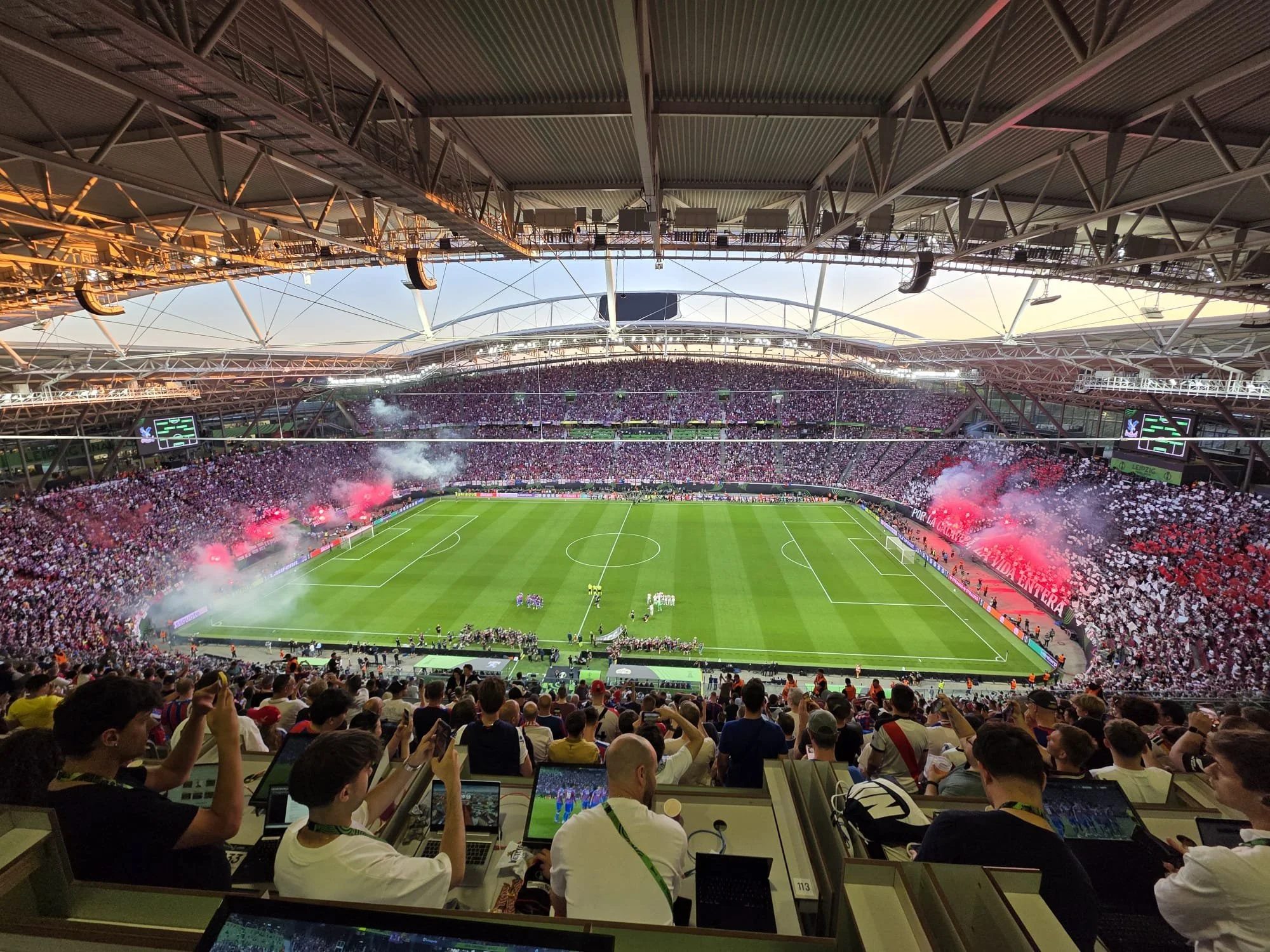
Crystal Palace beat Rayo Vallecano in Leipzig to win the Conference League in the most romantic underdog final in European football history.
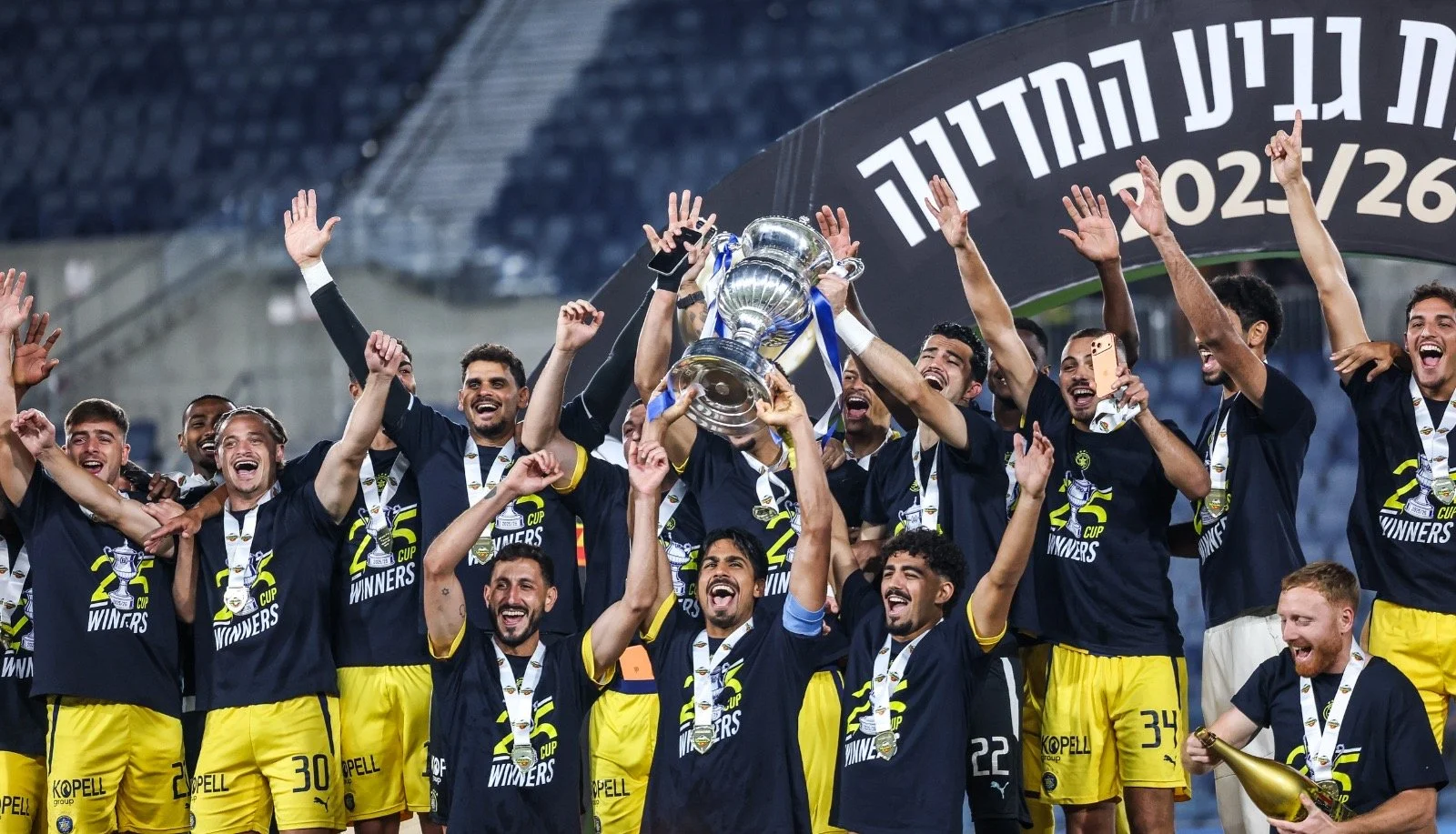
Maccabi Tel Aviv edge Hapoel Be'er Sheva 2–1 in a dramatic Israeli Cup Final at Teddy Stadium, denying the champions a historic Double.

With tensions easing, Iran’s 2026 World Cup participation remains uncertain, as FIFA, politics, and regional dynamics collide.
CAF shocks African football by stripping Senegal’s title and awarding Morocco the AFCON crown after a chaotic final decision.
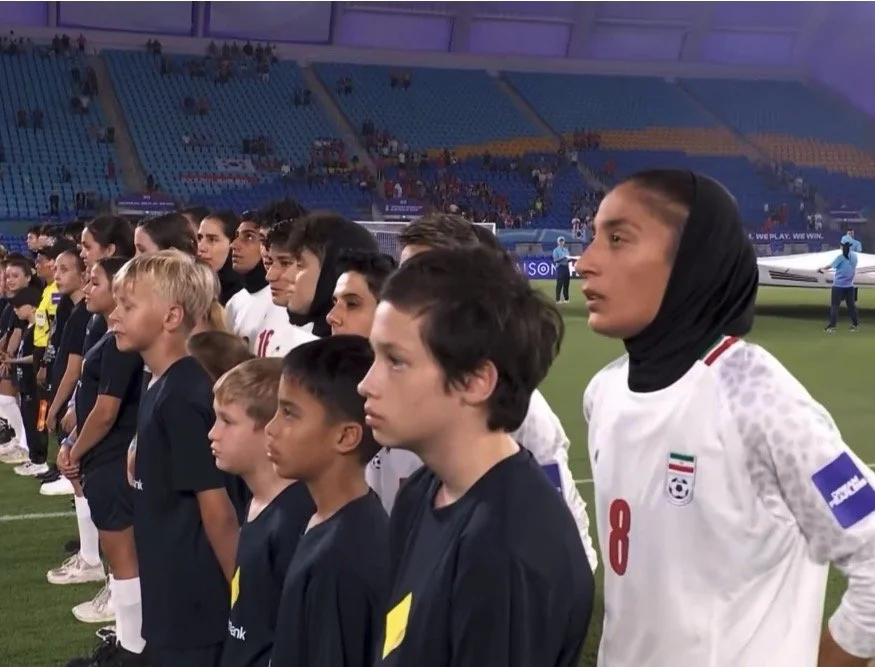
From silent protests to daring escapes, Iran’s women footballers turned a tournament into a global story of courage, politics, and survival.
Hapoel Be’er Sheva fans were barred from AZ Alkmaar. Why does the country with deep Jewish football roots now refuse to host Israeli supporters?