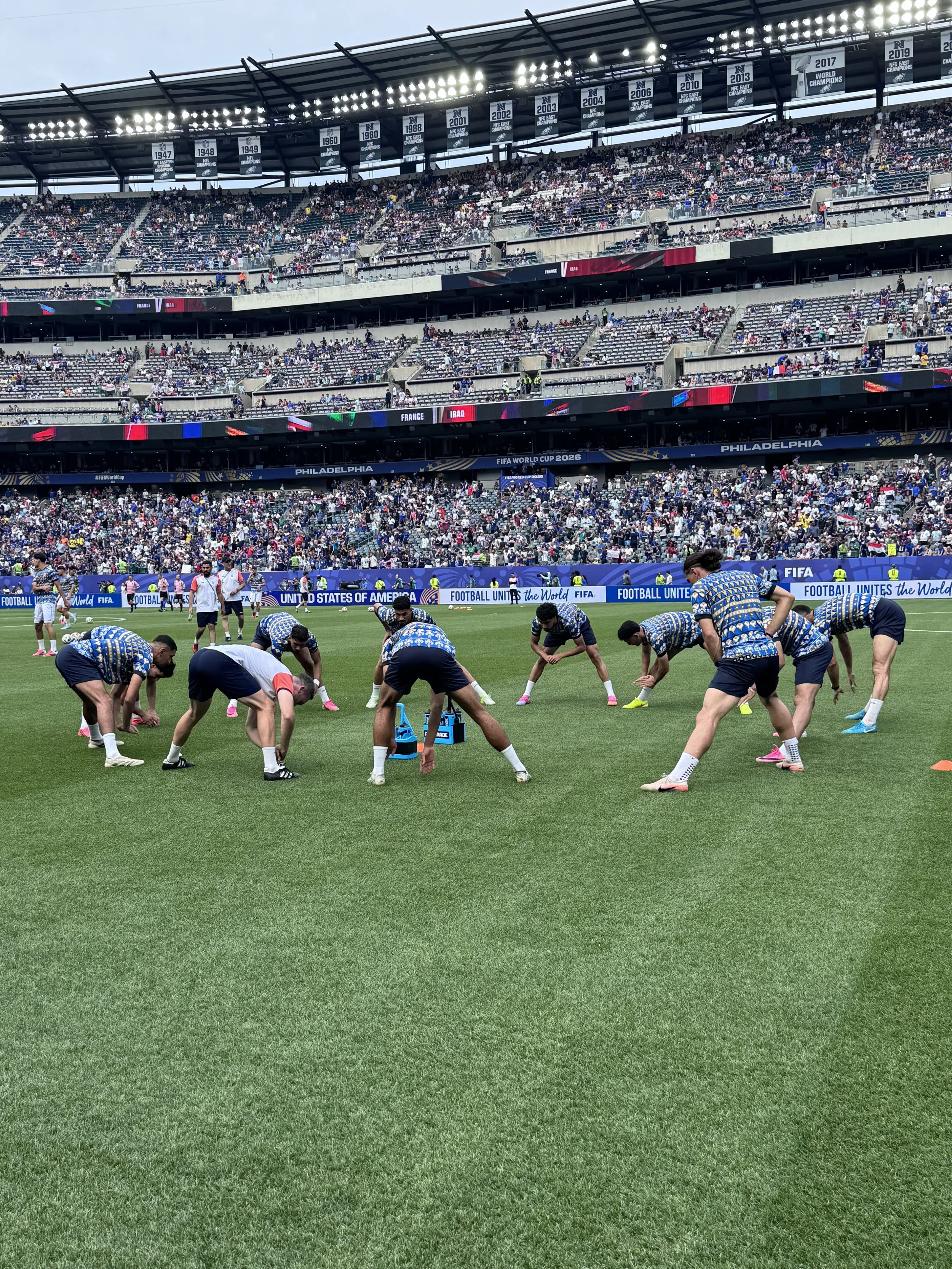
Philadelphia — "Between five and ten thousand Iraqis have come here and that is a wonderful thing. But don't be mistaken — most of them are Iraqis who live in America."
Khahtan George, a Chaldean Christian Iraqi from Baghdad, is one of the rare few who made the journey to the United States directly from Iraq itself, arriving in Philadelphia ahead of Sunday's group-stage clash against France.
It was always going to be a match with a predictable result. This is France. This is Kylian Mbappé, freshly inspired after watching Messi score twice. No Iraqi supporter genuinely expected the Lions of Mesopotamia to defeat the tournament's overwhelming favourite.
But that never meant there was no hope of a surprise, no pride, no celebration of the simple, staggering fact of being here. At the World Cup. As fans, as media, as a national team. Iraq took the longest qualifying road of any nation in this tournament's history — 21 matches, more than any side has ever played to reach a World Cup.
"A few photographers came, a few journalists, but not many Iraqi journalists got visas. And even those who did struggled to fund the trip," photographer Arshad, whose family live in Michigan — which is why he could afford to be here — told BabaGol. "Those who made it either had some government funding or support from the federation. Coming independently? Financing something like this is almost impossible for us Iraqis."
The France–Iraq match will almost certainly become a cult moment and a trivia staple at every football quiz from now on, as the longest game in World Cup history — thanks to a thunderstorm running headlong into the American sports lightning protocol. When lightning is detected within approximately eight miles of a stadium, play is suspended for at least 30 minutes, or until the US meteorological service gives clearance to resume. More on that shortly.
But before the storm, this was already a special occasion, because Iraq is a deeply moving story in football terms — and all the more so when it comes to the World Cup. Iraq is a fractured, scarred and wounded nation, shaped by the weight of nearly three decades of wars and crises.
From the American invasion of 2003, through the capture and execution of Saddam Hussein in 2006, through the civil wars that preceded, accompanied and followed, with the devastating presence of al-Qaeda, ISIS and other terror organisations — the social fabric of this ancient country has been shredded. And yet, inside all that chaos and cruelty, football has remained the single unifying force of this broken, beautiful, historically rich nation. At the 2007 Asian Cup they won against all odds, with Sunni, Shia, Arab, Kurdish and Christian players combining on the pitch in one of the greatest sporting stories ever told. Since then, Iraq has been regarded as one of the most emotionally resonant stories in world football, their supporters perpetually on the verge of tears at international tournaments. So it was in Philadelphia, where the stands were filled with Iraqi flags, Kurdish flags, traditional and modern Iraqi headscarves, and so much more.
Iraq appeared at just one previous World Cup, in Mexico in 1986, when Ahmed Radhi scored their only goal — and for a generation, he was the Iraqi game's equivalent of a folk hero. At the 2026 World Cup's opening round, he was joined in that pantheon by Ayman Hussein, the man who symbolises Iraqi football more than any other, whose personal story is as turbulent as his country's, who scored the goal that took Iraq to this tournament, and who became only the second Iraqi ever to score at a World Cup.
Against France, Iraq's primary aim was to survive and avoid a heavy defeat. "I asked for permission to start with three goalkeepers to stop Mbappé," joked Graham Arnold at the pre-match press conference. He wasn't laughing much the next day.
It began reasonably well for Iraq. In the opening minutes they appeared to be holding firm against the tide of French talent and quality. But a single moment in the 13th minute revealed the distance between these two sides. Ousmane Dembélé received the ball on the right wing, dribbled past defender Tahseen, the ball broke to Michael Olise, who laid it off to Mbappé in one touch — and he fired into the net without hesitation. 1-0 to France, and it seemed the floodgates were open.
Iraq's plans, though, were unravelling in a different way. Shortly after the drinks break, striker Hussein was forced off with a groin injury, and it seemed as though every element of Iraq's game plan was collapsing at once. Yet they didn't fall apart. Substitute Ali Al-Hamadani, coming off the bench, was impressive.
Then, just before half-time, the floodgates truly opened — but they were in the sky. The thunderstorm that had been building all day finally broke, drenching Lincoln Financial Field in torrential rain and, crucially, triggering the American protocol described above. The second half was delayed. Then delayed again. Then again.
Despite the downpour, many Iraqi supporters stayed in their seats, dancing with their flags. "This is football! Rain or no rain, we're at the World Cup!" a group of fans near the touchline shouted, watching their players trudge irritably back to the dressing room through the sheets of rain.
The storm didn't relent. Only after two hours was clearance given to resume. Both teams warmed up again as if for a new match — but returning to full intensity was an enormous ask for a side that is a significant force in West Asian football, yet does not rank among the continent's elite on the global stage.
After such a prolonged break, Iraq could not rediscover the fighting spirit that had defined their first half, and the class gap between the teams became impossible to conceal. Mbappé danced through and capitalised on an error by Iraqi goalkeeper Ahmed Basel, scoring to move to within reach of Messi's all-time World Cup tally of sixteen goals. Then in the 66th minute, Dembélé scored his first ever World Cup goal. 3-0 to France, and it felt like only a matter of time before more would follow.
Towards the end, Mbappé was substituted. Iraq still tried to threaten the goal of Mike Maignan, but to no avail.
"Just being here is the achievement," fan Khahtan told BabaGol. "I am very proud of this team — that despite all the difficulties, the long road, they are here, in the United States of all places, representing the Iraqi spirit with dignity. There is no shame in losing to the best teams in Europe. They are in Europe; we are in the Middle East. Our challenges are different."
"Our players were questioned at the border coming in. Fans didn't get visas, or couldn't afford to come. But we are still here. Participating. Competing. And if we're going to lose, then at least we showed that we have faith, spirit and determination, and that we can make life difficult for anyone."
He said it from the stands with an enormous smile, soaked from head to toe, after conceding three goals in the longest match in World Cup history.
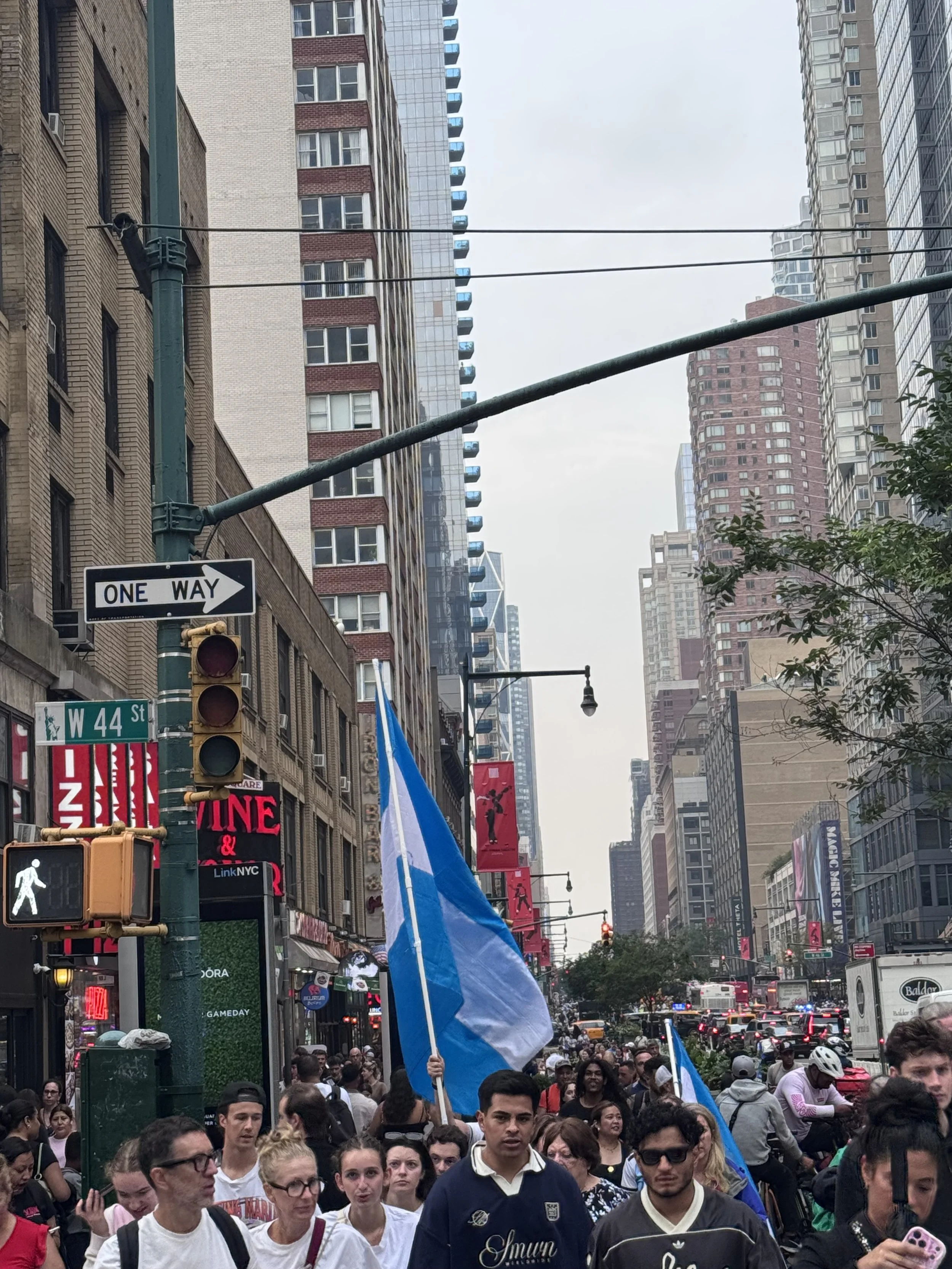
Thousands of Argentina fans transformed Times Square before the 2026 World Cup final, all united to thank Lionel Messi.
Spain were ruthless in Dallas as Oyarzabal and Dani Olmo starred, leaving France's Bastille Day to end in deep disappointment for Deschamps.
Norway outplayed England for most of a sweltering Miami classic, but two Bellingham strikes in extra time sent the Three Lions to the semis.
Ayoub Bouaddi chose Morocco over France at 18 and lit up a quarter-final about colonial history, dual identity, and what it means to belong.
Egypt pushed Argentina to the limit in a 3-2 World Cup thriller, but left the pitch furious at the referee and convinced justice was denied.
Merino's late goal gave Spain a 1-0 win over Portugal as Ronaldo left the World Cup stage in tears in what many believe was his final match.
Egypt beat Australia on penalties in Dallas to reach the last 16 for the first time, with Salah's Panenka the highlight of a historic night.
Diop headed Morocco level in the 91st minute and Saibari slotted the winner in the shootout as Morocco reached the World Cup quarter-finals.
Messi and the Jordanian Messi both scored as Argentina beat Jordan 3-1 in Arlington, with records broken and keffiyehs flying in the stands.
France beat Iraq 3-0 in Philadelphia, but the two-hour lightning delay stole the show, making it officially the longest World Cup game ever.
Saibari scored inside two minutes as Morocco beat Scotland 1-0 in Boston, leaving the Scots on the very brink of 2026 World Cup elimination.
Senegal relived their legendary 2002 magic for an hour, but Kylian Mbappe struck twice to sink them and seal France's 3-1 win in New Jersey.
Qatar stole a last-gasp draw from Switzerland and Morocco held Brazil 1-1 — two results that announced Arab football’s full arrival at 2026.
Azteca stadium hosts its third World Cup as Mexico City buzzes with pride, protest, and the deep belief that football has always lived here.
Crystal Palace beat Rayo Vallecano in Leipzig to win the Conference League in the most romantic underdog final in European football history.
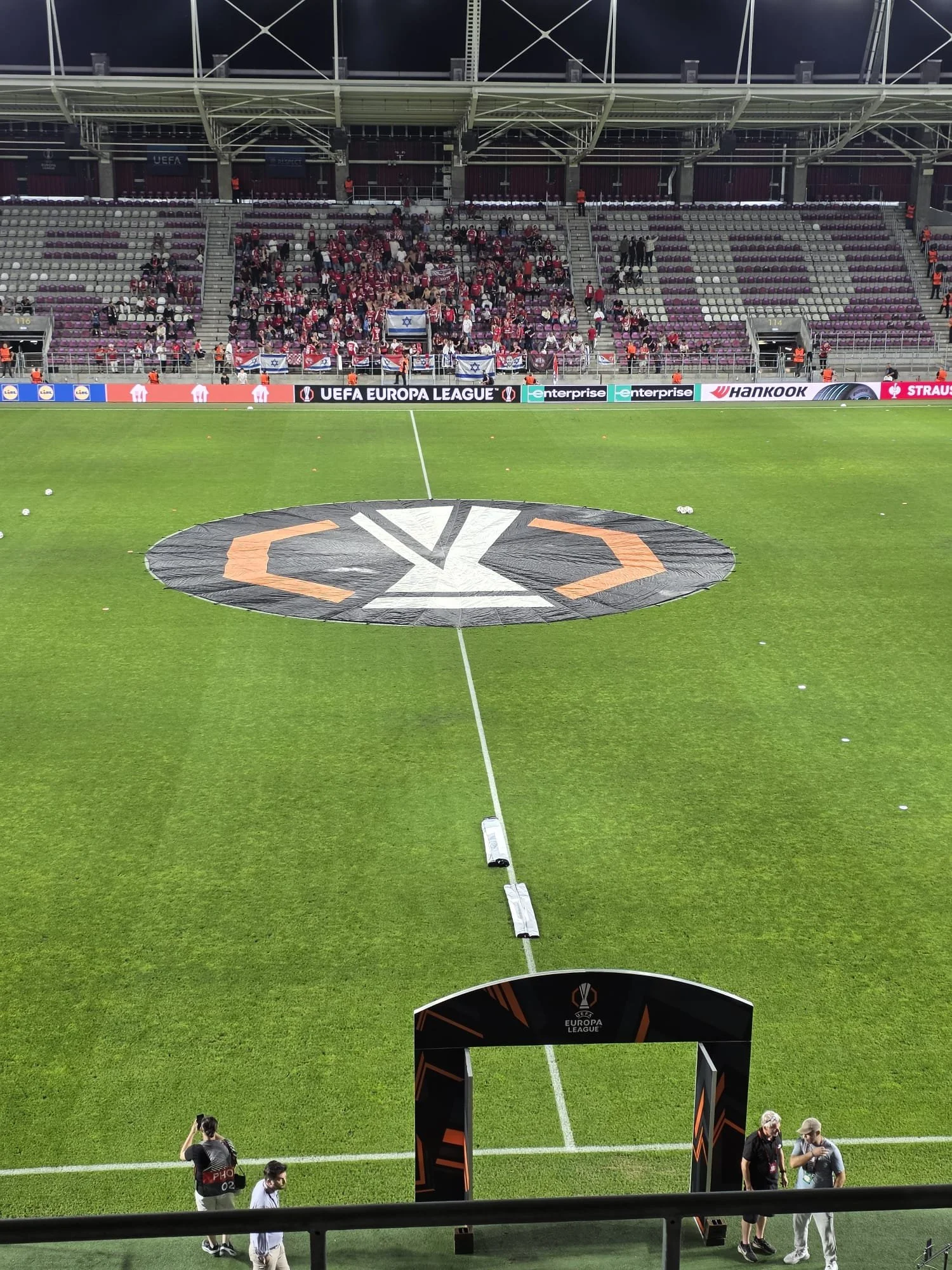
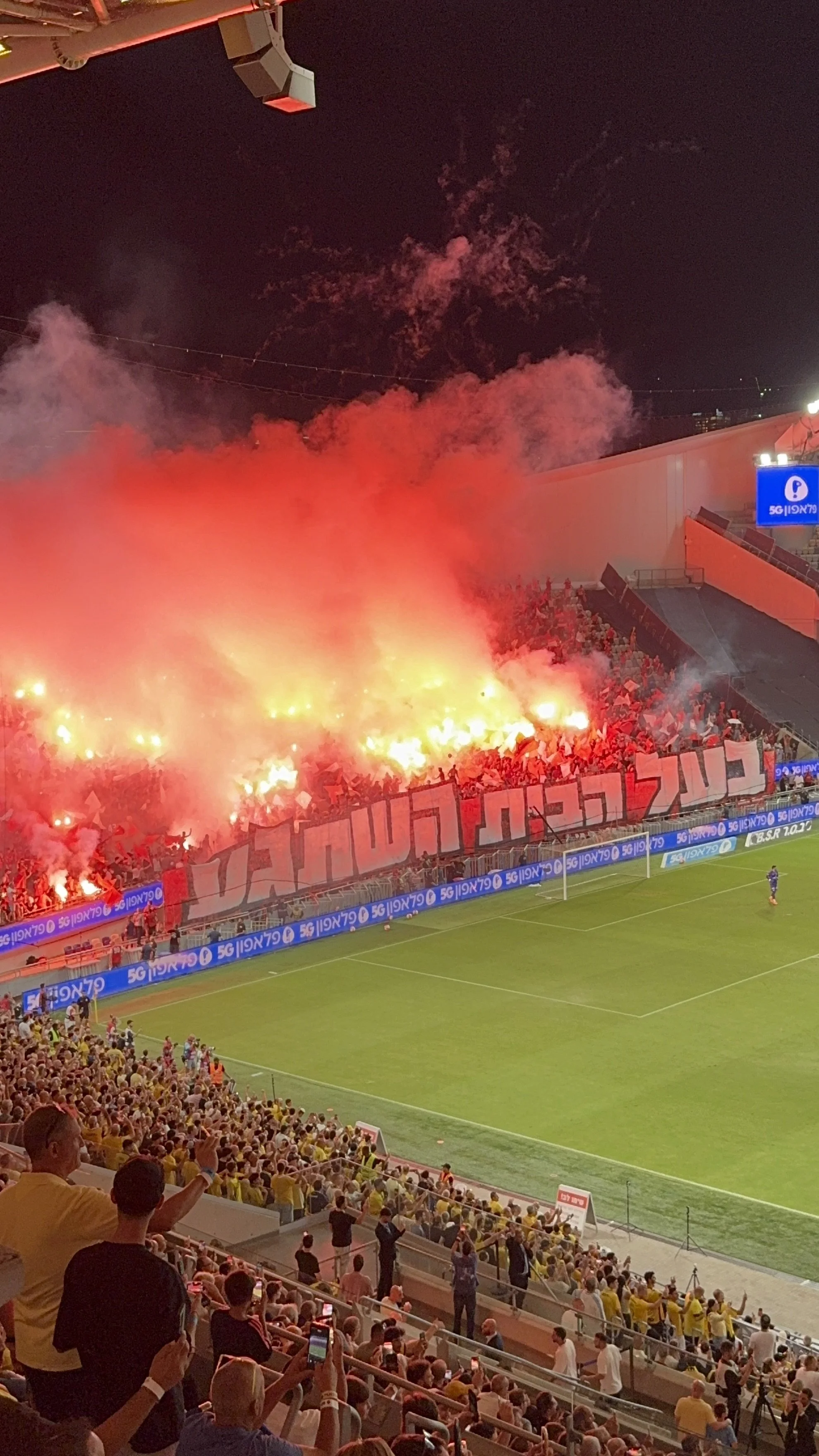
Maccabi Tel Aviv edge Hapoel Be'er Sheva 2–1 in a dramatic Israeli Cup Final at Teddy Stadium, denying the champions a historic Double.
With tensions easing, Iran’s 2026 World Cup participation remains uncertain, as FIFA, politics, and regional dynamics collide.
CAF shocks African football by stripping Senegal’s title and awarding Morocco the AFCON crown after a chaotic final decision.
From silent protests to daring escapes, Iran’s women footballers turned a tournament into a global story of courage, politics, and survival.
Iran’s women’s team protested, faced threats, and signaled SOS in Australia—now their fate is uncertain amid calls for asylum.
From geopolitics to spectacle, Trump looms over World Cup 2026—reshaping football, power, and culture in the biggest tournament ever.
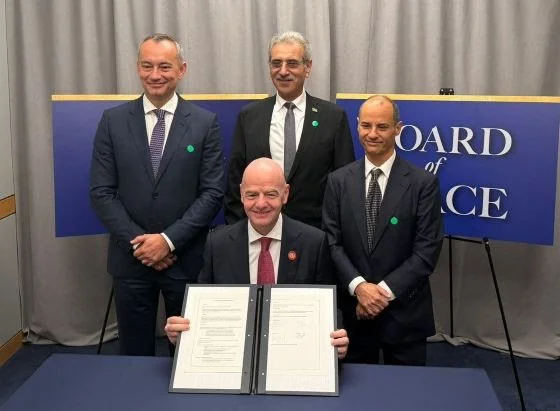
FIFA joins Gaza rebuilding plans, restoring stadiums, pitches, and youth programs, supporting football and hope in the Strip.
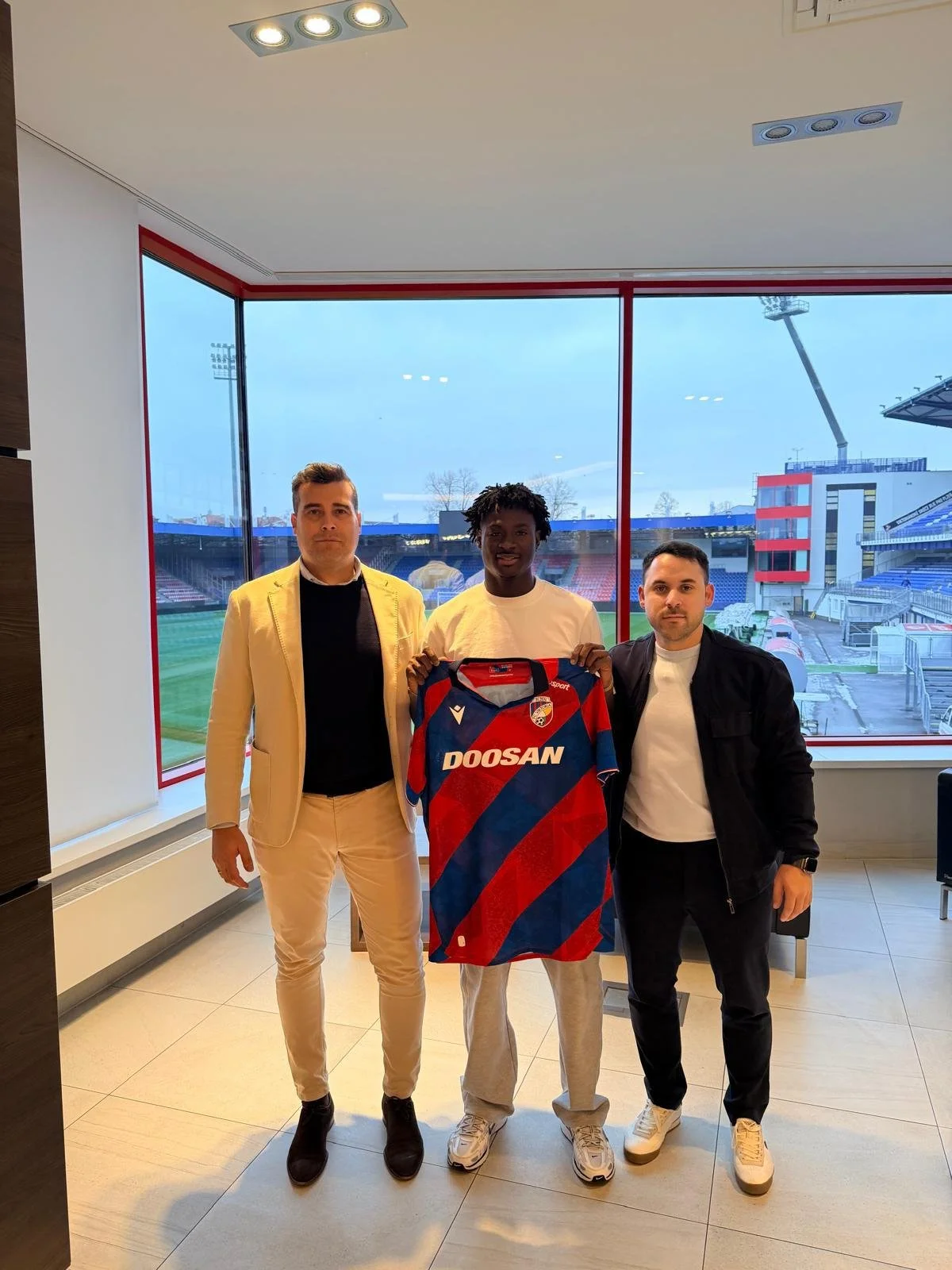
From Nigeria’s Mavlon academy to Viktoria Plzeň and the Europa League dream: Salim Fago’s journey is just beginning in Europe.
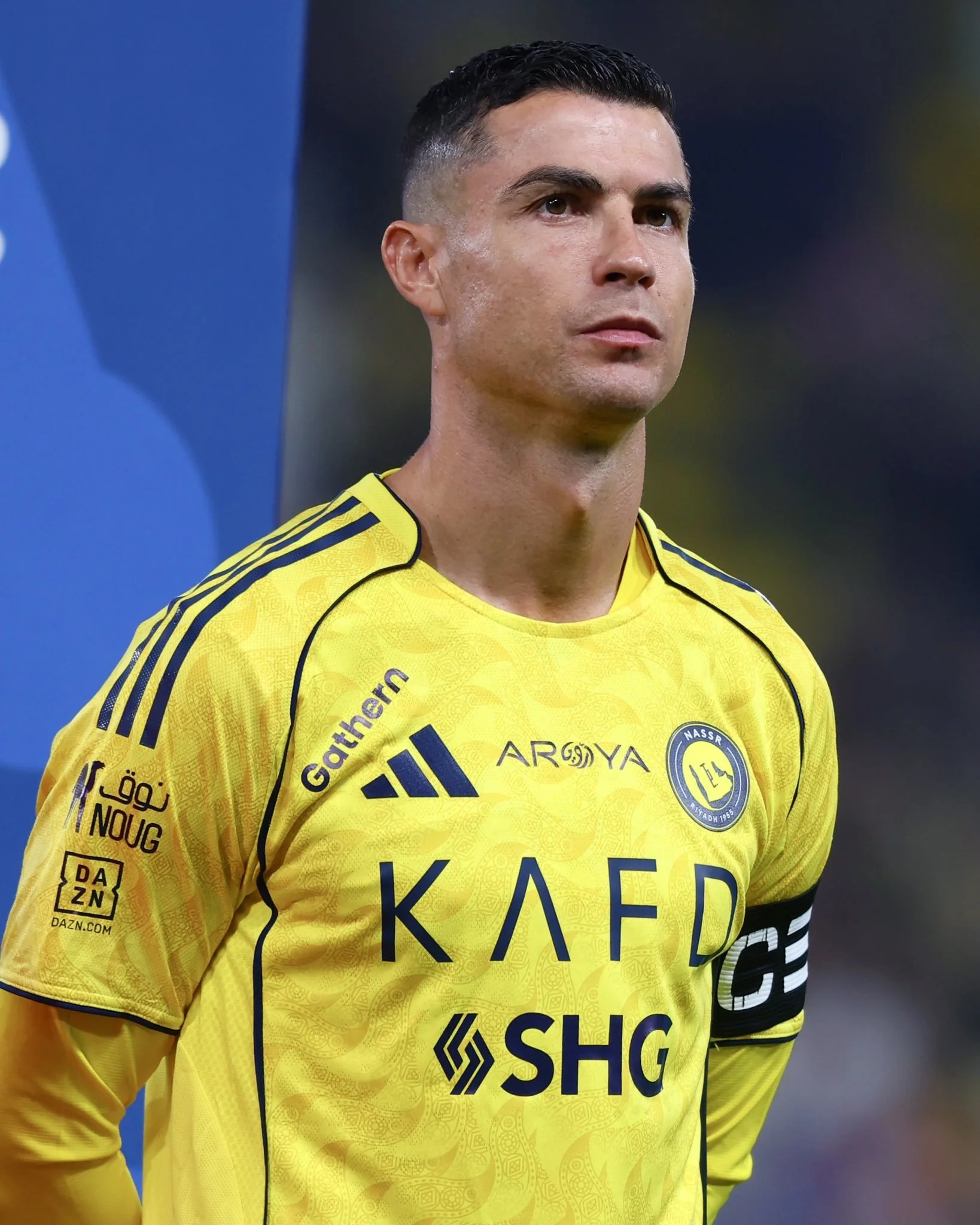
From Benzema’s shock move to Ronaldo’s protest, a chain reaction in Saudi football is shaking the entire project and the global game.
A Hitchcock-style AFCON final in Rabat saw chaos, controversy and brilliance as Senegal stunned Morocco to claim their second African title.
From libraries to stadiums, Morocco lives football. As AFCON 2025 nears its climax, passion, politics, and ambition collide nationwide.
From rain-soaked Rabat to a deafening semifinal night, Morocco edge Nigeria on penalties and stand 90 minutes from an AFCON title.
As protests spread across Iran, footballers are turning goals, silence and visibility into acts of resistance and solidarity with the people.
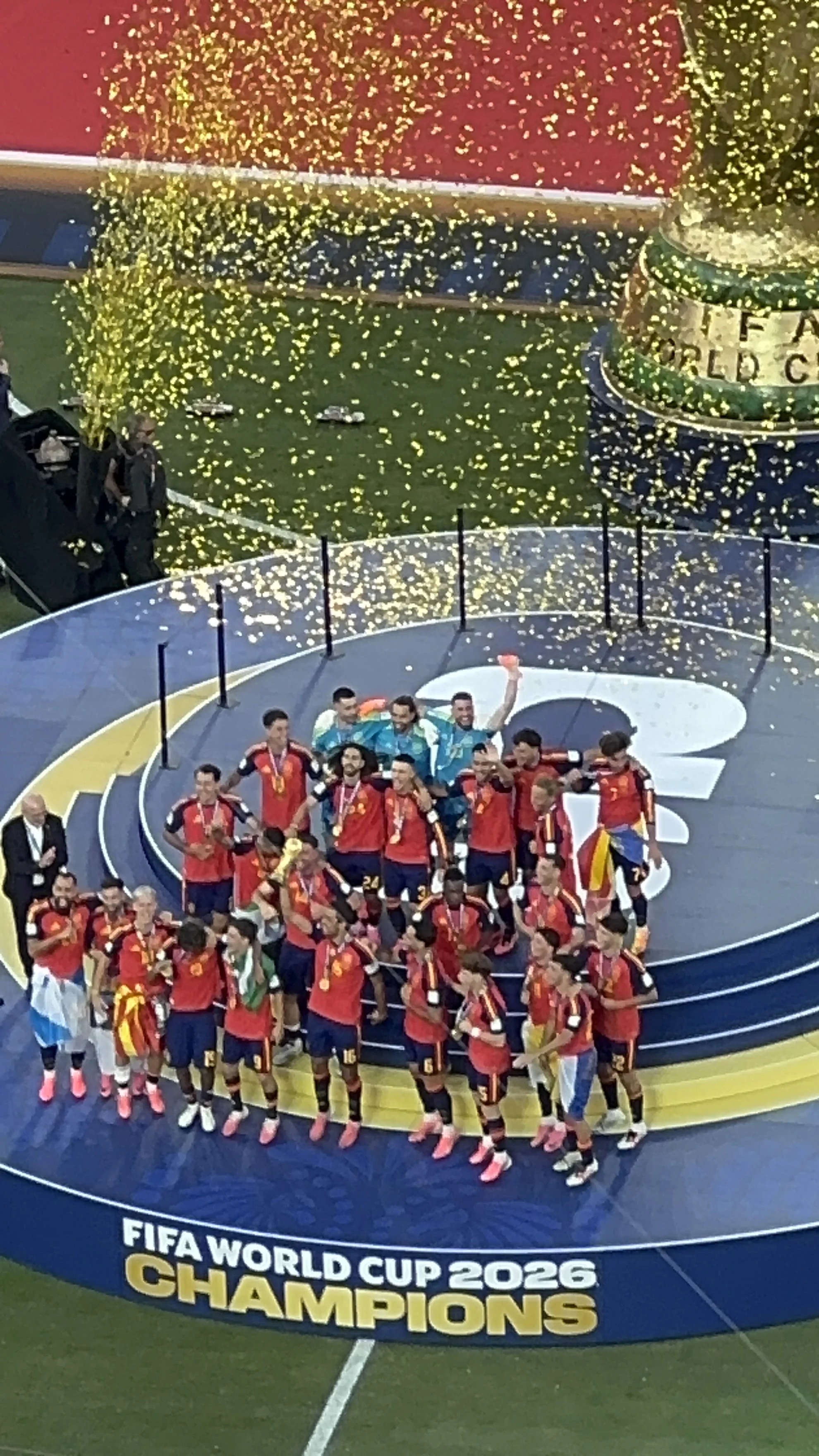
Spain defeated Argentina 1-0 in the 2026 World Cup Final, ending Lionel Messi's dream World Cup with heartbreak.
Thousands of Argentina fans transformed Times Square before the 2026 World Cup final, all united to thank Lionel Messi.
Spain were ruthless in Dallas as Oyarzabal and Dani Olmo starred, leaving France's Bastille Day to end in deep disappointment for Deschamps.
Norway outplayed England for most of a sweltering Miami classic, but two Bellingham strikes in extra time sent the Three Lions to the semis.
Ayoub Bouaddi chose Morocco over France at 18 and lit up a quarter-final about colonial history, dual identity, and what it means to belong.
Egypt pushed Argentina to the limit in a 3-2 World Cup thriller, but left the pitch furious at the referee and convinced justice was denied.
Merino's late goal gave Spain a 1-0 win over Portugal as Ronaldo left the World Cup stage in tears in what many believe was his final match.
Egypt beat Australia on penalties in Dallas to reach the last 16 for the first time, with Salah's Panenka the highlight of a historic night.
Diop headed Morocco level in the 91st minute and Saibari slotted the winner in the shootout as Morocco reached the World Cup quarter-finals.
Messi and the Jordanian Messi both scored as Argentina beat Jordan 3-1 in Arlington, with records broken and keffiyehs flying in the stands.
France beat Iraq 3-0 in Philadelphia, but the two-hour lightning delay stole the show, making it officially the longest World Cup game ever.
Saibari scored inside two minutes as Morocco beat Scotland 1-0 in Boston, leaving the Scots on the very brink of 2026 World Cup elimination.
Senegal relived their legendary 2002 magic for an hour, but Kylian Mbappe struck twice to sink them and seal France's 3-1 win in New Jersey.
Qatar stole a last-gasp draw from Switzerland and Morocco held Brazil 1-1 — two results that announced Arab football’s full arrival at 2026.
Azteca stadium hosts its third World Cup as Mexico City buzzes with pride, protest, and the deep belief that football has always lived here.
Crystal Palace beat Rayo Vallecano in Leipzig to win the Conference League in the most romantic underdog final in European football history.
Maccabi Tel Aviv edge Hapoel Be'er Sheva 2–1 in a dramatic Israeli Cup Final at Teddy Stadium, denying the champions a historic Double.
With tensions easing, Iran’s 2026 World Cup participation remains uncertain, as FIFA, politics, and regional dynamics collide.
CAF shocks African football by stripping Senegal’s title and awarding Morocco the AFCON crown after a chaotic final decision.
From silent protests to daring escapes, Iran’s women footballers turned a tournament into a global story of courage, politics, and survival.
Iran’s women’s team protested, faced threats, and signaled SOS in Australia—now their fate is uncertain amid calls for asylum.
From geopolitics to spectacle, Trump looms over World Cup 2026—reshaping football, power, and culture in the biggest tournament ever.
FIFA joins Gaza rebuilding plans, restoring stadiums, pitches, and youth programs, supporting football and hope in the Strip.
From Nigeria’s Mavlon academy to Viktoria Plzeň and the Europa League dream: Salim Fago’s journey is just beginning in Europe.
From Benzema’s shock move to Ronaldo’s protest, a chain reaction in Saudi football is shaking the entire project and the global game.
A Hitchcock-style AFCON final in Rabat saw chaos, controversy and brilliance as Senegal stunned Morocco to claim their second African title.
From libraries to stadiums, Morocco lives football. As AFCON 2025 nears its climax, passion, politics, and ambition collide nationwide.
From rain-soaked Rabat to a deafening semifinal night, Morocco edge Nigeria on penalties and stand 90 minutes from an AFCON title.
As protests spread across Iran, footballers are turning goals, silence and visibility into acts of resistance and solidarity with the people.


Spain defeated Argentina 1-0 in the 2026 World Cup Final, ending Lionel Messi's dream World Cup with heartbreak.