
History in Cairo.
After more than fourteen years without a significant crowd at a derby between Al Ahly and Zamalek, the two giants of Egyptian and Arab football, the Cairo derby was played on Sunday evening, in the sixth round of the Egyptian league, before tens of thousands of supporters from both camps.
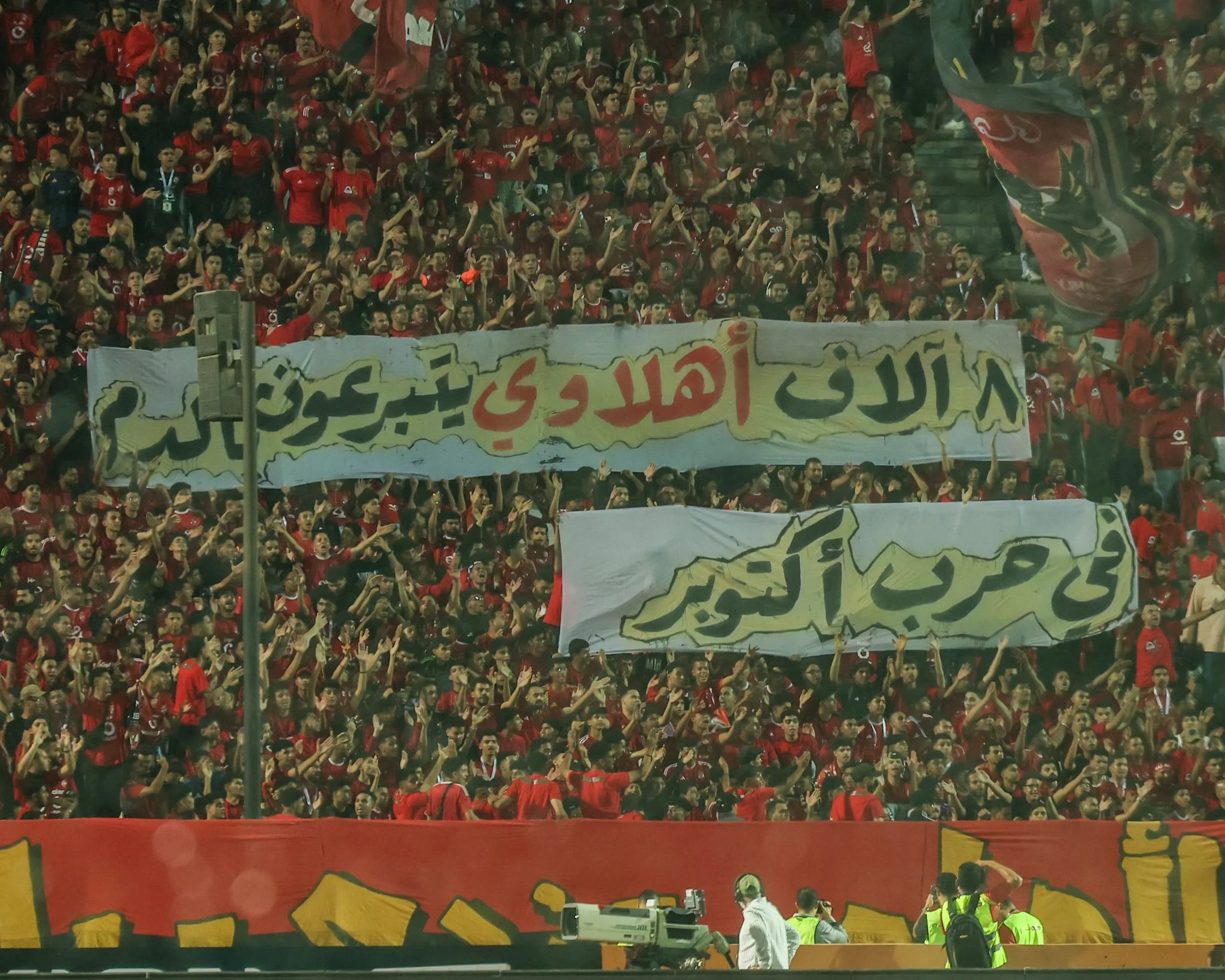
Throughout the match, fans of both teams raised banners marking 53 years since the Yom Kippur War, known in Egypt as the “October War” (حرب اكتوبر).
“Eight thousand Ahlawis donated their blood in the October War” was the most prominent banner, displayed by Ultras Ahlawy, Al Ahly’s supporters’ group, recalling that thousands of club members donated blood during the war in a single day’s drive. “The October victory is always in our hearts,” read another banner, from Zamalek fans.
The banners commemorating what Egyptians regard as their “victory” in that war were not the only moment at which the two sets of fans acted together. Throughout the match, and with particular force in the 73rd minute, both crowds sang abusive songs and curses against Israel and Jews. “Right, left, *** the mother of the chosen people.”
Egyptian television avoided showing the banners in the live broadcast, and during the mass singing against Israel the sound appeared to be turned down, at least on the ON Sport network’s feed.
This rare moment of cooperation between two bitter rival crowds comes at a time when, in both Egypt and Israel, there are those trying to heat up the atmosphere, calling for mobilization and even for war, as if there had been no peace treaty between the two countries since 1979.
But why is this event so rare in the first place? To understand that, one has to understand the origins of this rivalry, the roots of Egyptian football, and one event that took place a decade and a half ago and changed this giant country forever.
No Milk Allowed
Egyptian football rests on an imaginary pyramid with three sides, each representing something different.
The first side of this pyramid is Al Ahly, Egypt’s superclub and its almost perennial champion. Al Ahly (“the National”, “my family” in Arabic) was founded in 1907 by idealistic students fed up with the yoke of the British colonialism that ruled the country at the time, under the slogan “an Egyptian club, for Egypt.” Although it became a trophy-devouring machine on the international level (by the club’s own records, Al Ahly has won 156 domestic and international titles in its history, more than any other club in the world), and is the most popular club in the country, in Africa and in the Arab world, over the years Al Ahly has preserved its political and social identity in Egypt. It is the club that symbolizes distrust of the authorities, the team of ordinary people and those struggling to get by, who suffer under the regime.
On the other side of the city sits the second side, Zamalek. Zamalek was founded a few years after Al Ahly, in 1911, as a team for foreigners in Egypt. Diplomats, journalists, colonial attachés and, generally, upper-class Egyptian bohemians gave the club, named after the city’s affluent district, its “elitist” identity. Zamalek was so closely tied to Cairo’s elite that for a period the team was called “King Farouk Club,” after the puppet ruler the British installed in Egypt when they granted the country independence in the 1920s. Zamalek is less successful than Al Ahly in terms of trophies, but the club has tens of millions of fans in Egypt, Africa and the Arab world.
Together the two make up one of the hottest rivalries in world football. It has everything: rich against poor, the people against the elite, red against white. In Egypt, nobody asks whether you like football. They ask, “Al Ahly or Zamalek?” Everyone must choose a side. The rivalry between the two is so bitter that some Al Ahly fans’ cafes do not serve milk during derby weeks, “because white is Zamalek’s color.” For years, the Cairo derby was considered one of the most explosive matches in the world, regularly featuring spectacular pyrotechnic displays, elaborate choreographies with opposing political messages, and no small amount of violence in the background.
What usually balances Egyptian football is the third side of the pyramid: the national team, المنتخب (al-Muntakhab). In contrast to the extremes produced by the two Cairo clubs, the national team is the unifying force. It does not matter what the political situation is or how high tensions run. When the national team plays, all Egyptians support it. The saying on everyone’s lips around the Pharaohs’ matches is “When the national team plays, everyone is in the stadium.” Indeed, the Egyptian national team is the brand that fills the Cairo International Stadium with close to ninety thousand spectators almost every time, and it is what unites the divided country around the flag, the anthem, the colors and the voices.
But to understand why this week’s derby was so extraordinary, one has to know the Port Said disaster and how it changed football and society in Egypt.
The Port Said Disaster
February 1, 2012. The day the ground shook beneath Egyptian football and opened its jaws.
A league match at Port Said Stadium between the local side Al Masry and Al Ahly of Cairo ended in a 3-1 win for the hosts, but what mattered was the critical context.
Egypt was then deep in the revolution brought about by the wave of mass protests known as the “Arab Spring.” President Hosni Mubarak had resigned in the face of enormous demonstrations against him, was tried, sentenced to life in prison and jailed. A military regime was installed after parliament was dissolved, but the people’s anger had not been forgotten. The protests continued, and in the background an election campaign was in full swing, with the Muslim Brotherhood, a radical Sunni movement that advocates Islamic law and is anti-Western and anti-Israel, gaining strength in the polls with popularity that cut across classes and sectors. One of the active forces in the demonstrations in Tahrir Square was the Ultras Ahlawy, Al Ahly’s ultras group.
Together with other ultras, among them Zamalek’s Ultras White Knights (al-Fursan al-Abyad), football fans had become a kind of operational arm in the demonstrations and in the effort to replace the regime. On the other side of the pitch stood Al Masry (“the Egyptian”), a club whose fans had always been identified with the army, the police, the elites of the old regime and the Mubarak family. That is to say, beyond the sporting rivalry and the animosity between Port Said locals and Cairenes, Al Masry against Al Ahly in 2012 was in effect a direct meeting between “rebels” and “regime supporters,” under military rule in what amounted to a civil conflict.
At the final whistle, Al Masry fans stormed onto the pitch and charged toward the Al Ahly stand with whatever came to hand: sticks, stones, spikes, knives and tasers. The players scattered in hysteria. The Ahlawy ultras who tried to flee discovered, to their surprise, that the police were nowhere to be seen and that the exit doors from their stand were locked. The lights were dimmed, and what unfolded in the stand was, in effect, a killing field. The result: 72 fans dead, two police officers who also lost their lives, and more than 500 injured. Dozens of bodies reached the pitch. Some Al Ahly players tried to perform resuscitation on fans in the stand, by the goal and in the dressing room. It was utter chaos. The real madness is that the whole event was broadcast live on television, and it was clear that what was happening was far more than a violent deterioration of a football match.
The story has several versions. The framing account points to violence by Al Masry fans, identified as noted with the old regime, against Al Ahly fans identified with the revolution, the Arab Spring and the rise of the Muslim Brotherhood. The second and most widespread explanation claims direct involvement by the army and police, who planned the riot in coordination with Al Masry fans and even helped them as “undercover” agents, against the Ahlawy as revenge for their part in the protests that brought down the regime.
The third version, and the most speculative of the three, holds that the planners of the event came from within the Muslim Brotherhood itself, who sought to shock a public immersed in a “revolutionary” mindset, to undermine the image of Mubarak’s supporters, and to gain political power and public legitimacy to ensure that the old regime would not return, which is indeed what happened in the following election. Mohamed Morsi, the Muslim Brotherhood’s candidate, was elected about four months later, while playing up the failure of the police and the army in the disaster and even hinting at their active involvement as “representatives of the old regime.”
Since then, February 1 has become a day of popular mourning in Egypt, with huge memorial gatherings at which sharp distrust of the authorities is expressed. In the wake of the disaster, football in Egypt was halted for two years, and professional football as usual ceased to exist. After several failed attempts that cost more lives (including a disaster in which 22 Zamalek fans were killed), league matches in Egypt have been played behind closed doors since 2014, and cup finals and Super Cup matches were moved to Abu Dhabi and Doha so they could be held with fans of both teams. Only in the last three years have supporters begun returning to the stands for league and cup matches. At first it was a few thousand home fans, until this season. Ahead of 2026/27, the Sisi regime decided to introduce the Fan ID system used in Turkey, Greece and elsewhere.
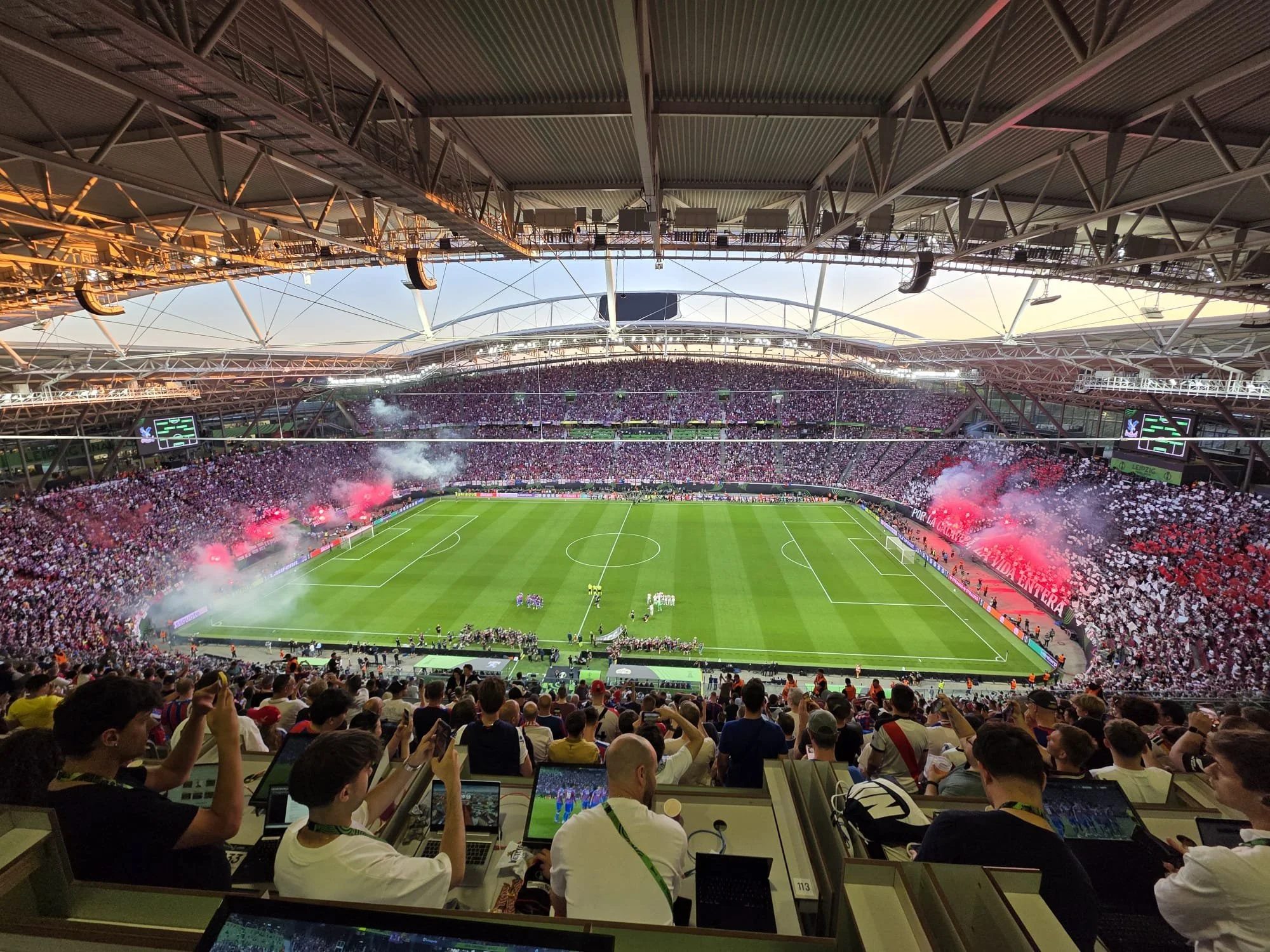
On Sunday came the first Cairo derby with a massive presence of fans of both teams in a decade and a half. Almost fifty thousand supporters were divided between the two ends of the stadium. As fate would have it, the match was scheduled for the week in which Egypt marks the Yom Kippur War, on October 6, and in which the wider world marks October 7 and the war that followed. So it was that a rare display of unity between the two greatest rivals in Middle Eastern, Arab and African football appeared, something that has not happened since the Arab Spring protests.
From this, one can learn a great deal about Egyptian society. Its more than one hundred million people may be split in two over the question “Al Ahly or Zamalek?” but they are united in a consensus that cuts across classes, ages and football allegiances: the Yom Kippur War. This is not new. “The Sixth of October” is, as noted, a strong brand in Egypt, and there are bridges, squares, a museum and even a city named after that war. This fact, together with the people’s hatred of Israel, which is always there in the background and has reached new heights since October 7 and the war in Gaza, is one such peak. Another is a rare, unified front between the fans of the two bitterest rivals there are, who in everyday life see each other as enemies.
The article was first published in Haaretz.


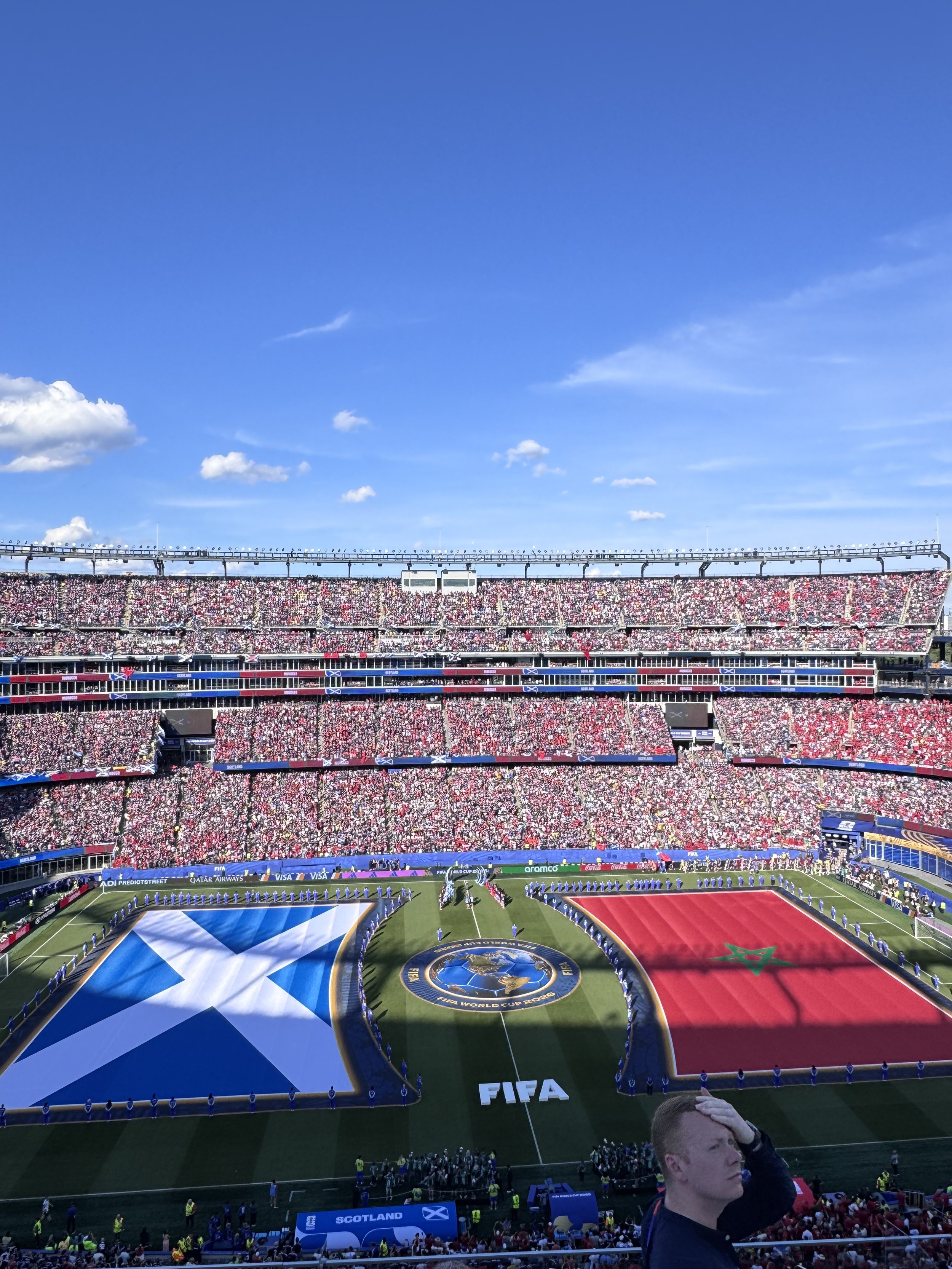
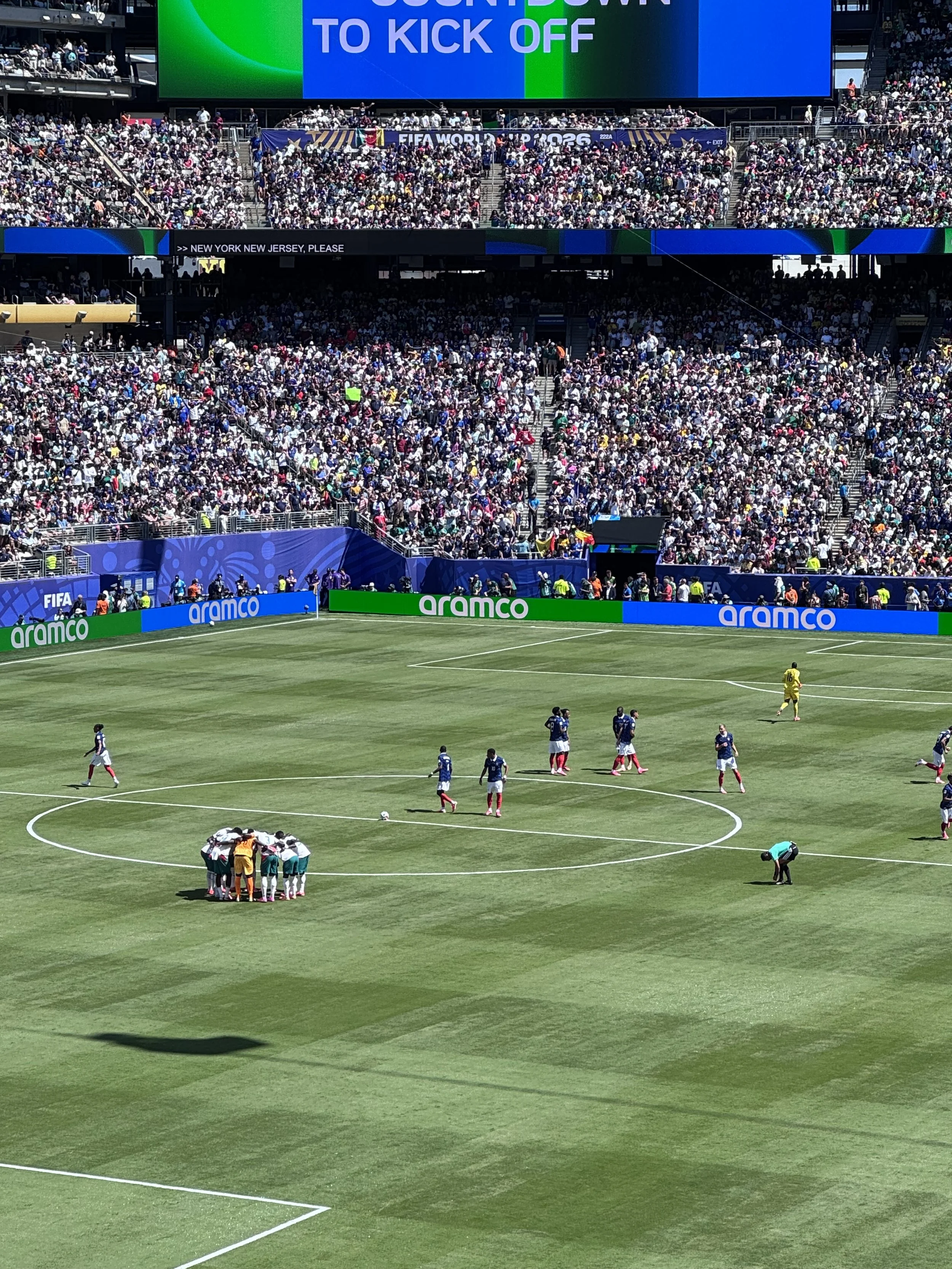
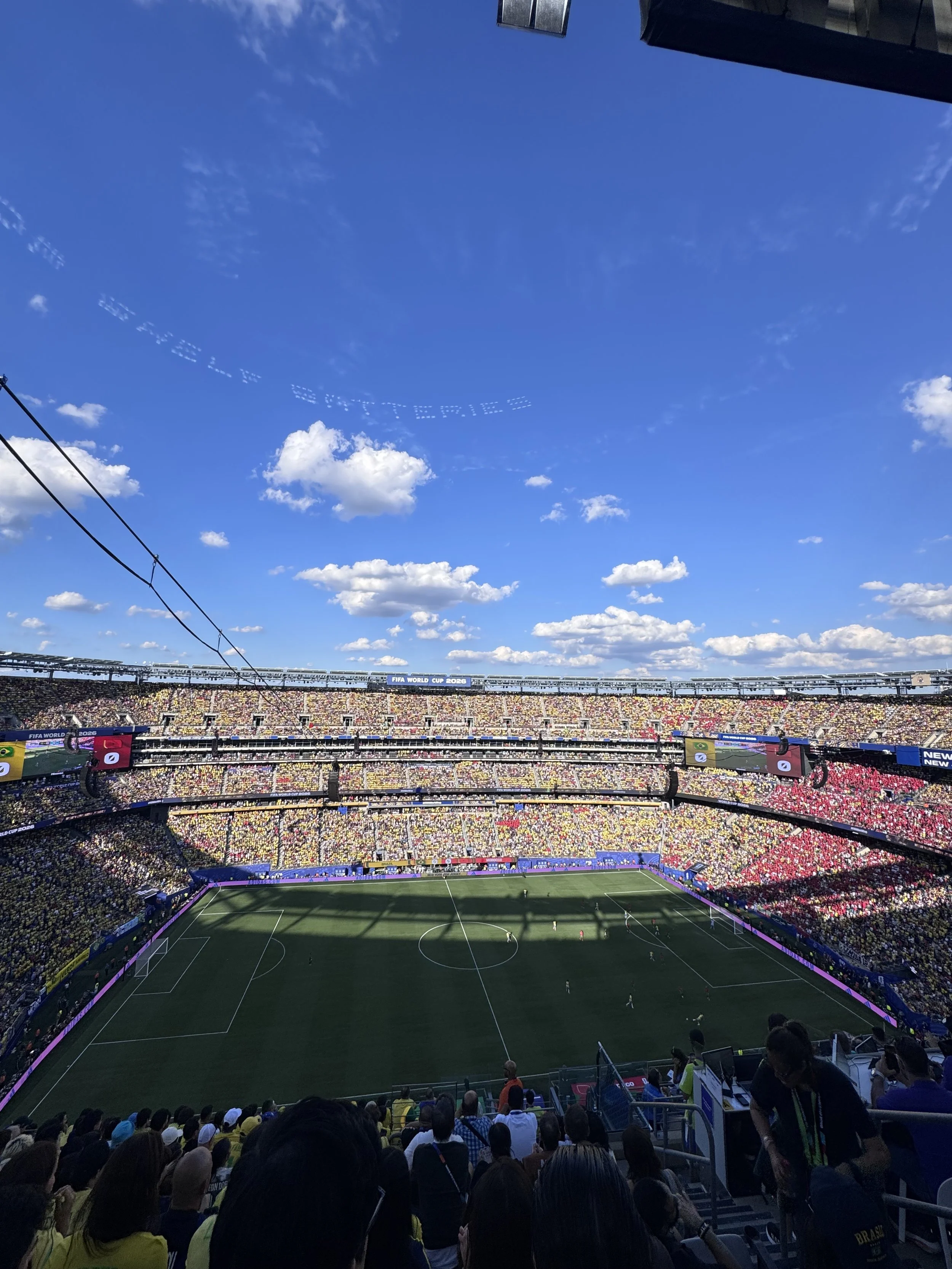
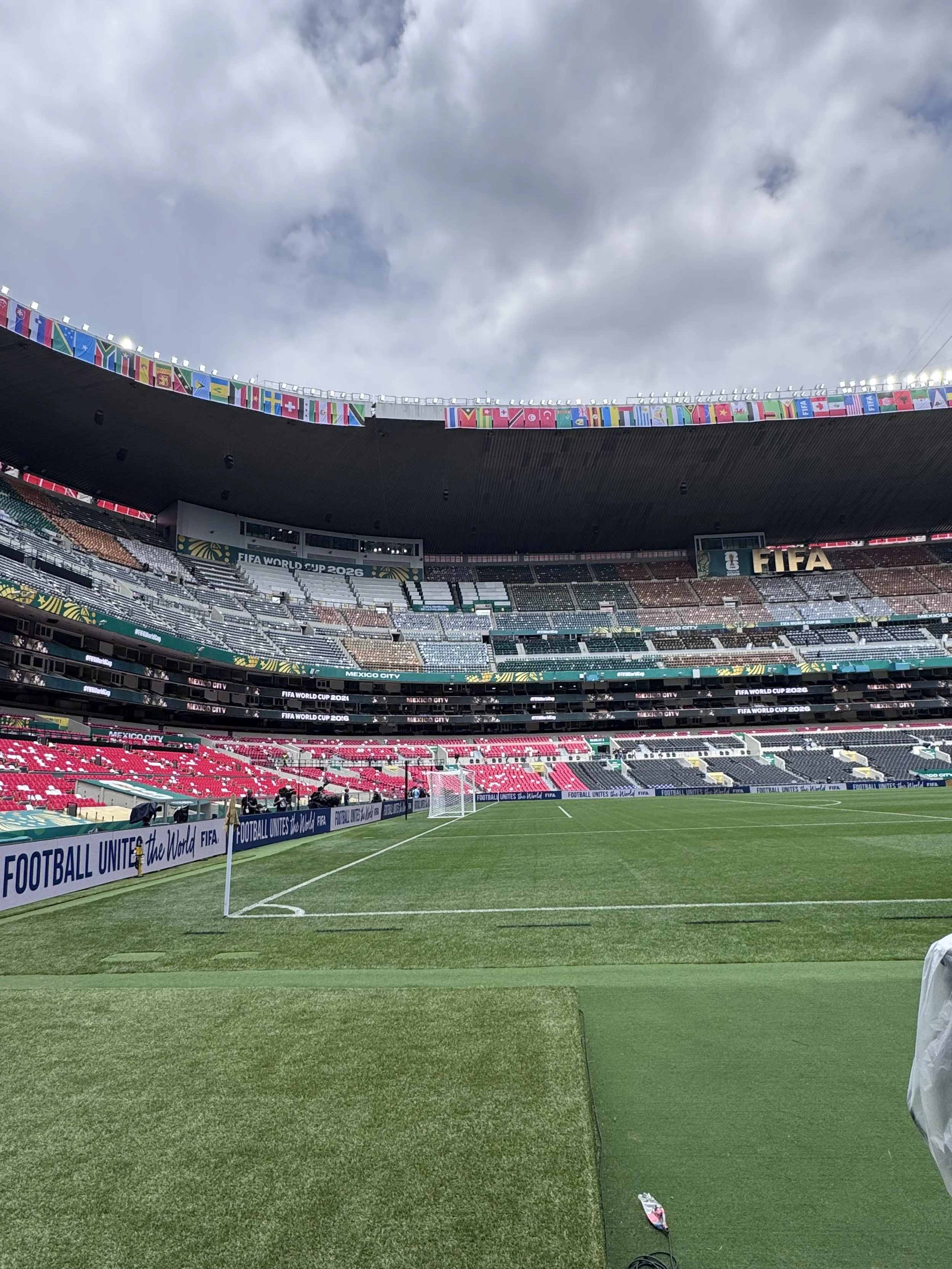




Cairo’s derby drew a record number of crowd for the first time in years, as Al Ahly and Zamalek fans united in October War banners and Israel chants.