
BOSTON — "There's no beer left. No Guinness, no Heineken, nothing. They arrived with their kilts, their music, their English you simply can't understand — and they just drank everything."
The speaker is Eric, a bartender at the fan festival in downtown Boston, two days before Scotland's Group D clash with Morocco.

The Scots had arrived in Boston riding an extraordinary wave of euphoria. After 28 years away from the world's biggest stage, they had opened the tournament with a 1-0 win over Haiti — and the party was fully underway. At the fan festival, thousands of Scottish supporters organised what they cheerfully called a "hate watch" — gathering not necessarily to cheer their own team, but to will England into defeat together. They found willing allies in Irish-American fans and a sizeable Croatian contingent, united by a single, gloriously petty cause.
"I think this is exactly what's beautiful about football," Laura, a Scottish supporter who had flown in for the Morocco match, told BabaGol. "It's the one excuse for all these people to come together and want England to lose" — she laughed — "but also to drink beer and sing at the top of their voices."
On the other side of the city, the Moroccan fans had only arrived on Thursday, but they made an immediate impression. A rally at Boston Common — torches blazing, voices thunderous — announced their presence to the whole of downtown.
"A lot of Moroccan supporters didn't get US visas," explained Khalid Tijir, a Moroccan journalist who spoke to BabaGol. "But there are so many who live right here in Massachusetts and along the East Coast, who understood that the burden of support had fallen to them this time."
For all the passion, the World Cup hadn't entirely taken over Boston. The atmosphere was concentrated in the centre, on the public transport, in the bars. But by Friday morning, with roughly 30,000 Scots already in the city, the mood shifted sharply. Traffic ground to a halt, and by the time you reached Gillette Stadium in Foxborough — a 45-minute drive on a normal day, closer to two hours on matchday — you could already hear the skirl of bagpipes, the roaring chorus of tartan-clad supporters daring to dream that, just maybe, Scotland could reach the knockout round for the first time in their history.

Faith and hope, though, are one thing. Reality is another.
Morocco, who named an unchanged side from the one that earned a draw against Brazil, took the lead inside two minutes. Brahim Díaz was caught in possession again — his second such error of the tournament — and Ismael Saibari, typically deployed as a box-to-box midfielder or a wide player, but starting as a striker for the second consecutive match under coach Mohammed Wahabi, was clinical. His second goal of the tournament; Díaz's second costly mistake.
The Atlas Lions controlled the rhythm throughout the first half. Scotland struggled to string more than two passes together, rarely threatening Yassine Bounou's goal. The scoreline at the break read 1-0, though it might easily have been three.
Scotland's first genuine chance came in the 63rd minute, when a driving counter-attack ended with Ryan Christie of Bournemouth curling an effort just over the bar. Morocco went close too, rattling the woodwork at the other end.
In the 81st minute the entire Scottish end demanded a penalty after Scott McTominay went down in the area, but Uzbek referee Ilgiz Tantashev waved play on. The Scots pressed hard in the closing stages, throwing bodies forward, but Morocco's defence — disciplined, compact, utterly assured — repelled every attempt. Bounou was imperious, frustrating McTominay on every occasion the striker managed to work an opening.
In stoppage time, substitute Chamseddine Talbi collected a fine pass inside the box and should have buried it; instead he skied it over the bar. The move had come through captain Achraf Hakimi, whose involvement on the pitch sat in sharp contrast to the news breaking simultaneously off it: reports from France confirmed that he is to stand trial on rape charges.
His eventual yellow card gave Scotland a corner in the dying seconds. Nothing came of it. Tantashev blew the final whistle.
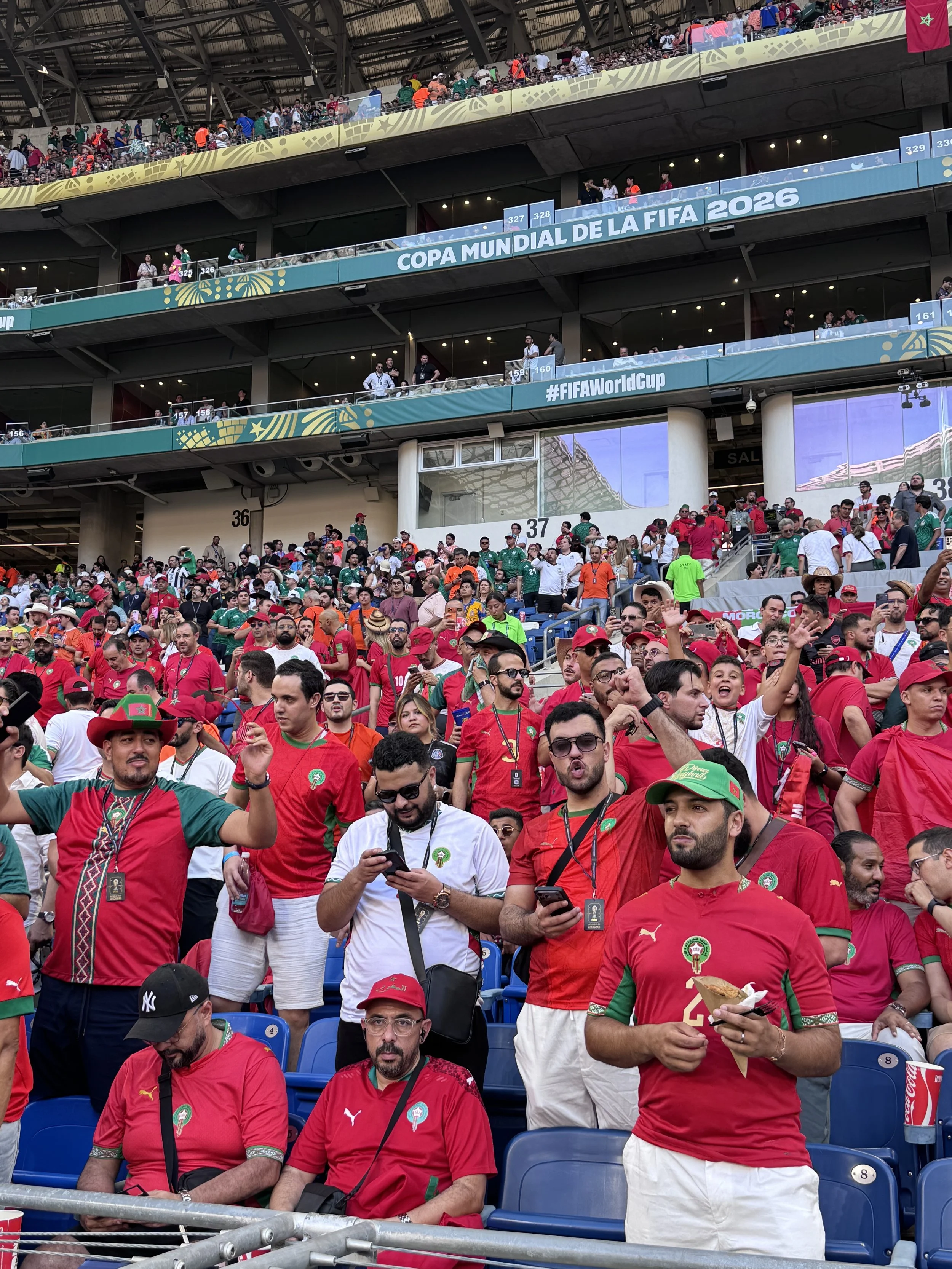
The Scottish supporters unleashed a torrent of frustration at manager Steve Clarke and his players, but began to trudge from the stadium singing "No Scotland, No Party" — a defiant refrain becoming tinged with resignation. The loudest voices in the stadium now belonged to Morocco. "Boston is Morocco tonight!" screamed one supporter who had scrambled onto a stairwell railing, as thousands around him roared "Dima Maghreb, Maghreb, oh-ah, oh-ah!" — shaking the walls of the home of the New England Patriots, a venue that has surely never witnessed anything quite like it.
In the mixed zone after the match, Brahim Díaz was asked about the difference between this Morocco team under Wahabi and the previous side managed by Walid Regragui. Díaz sidestepped the question, but his expression said everything. There is something in Wahabi that instils quiet, unshakeable confidence in this young squad. A man who started his coaching career at the Belgian-Jewish club Maccabi Brussels, Wahabi learned his football in Belgium, then embedded its principles across every level of Moroccan youth football, before taking charge of the senior team just two months before this tournament began. Against Brazil they produced a brilliant first half and came away with a draw. Against a very different opponent here, they were dominant again in the opening 45 minutes — and even when they sat deeper in the second half, they never fragmented, never lost their shape or their passing discipline, and could have extended the lead with sharper finishing.
Wahabi's Morocco may well be the finest, most organised African team in World Cup history. In truth, this is a European-style side wearing an Arab-African identity with enormous pride. For their supporters, that combination is more than enough.
Outside the stadium, a Moroccan fan and a Scottish fan walked out arm in arm, both — in all likelihood — considerably less than sober. The Scot was still bellowing "No Scotland, No Party," though with rather less conviction than before. The Moroccan, matching the same melody with a wide grin, was singing his own amended version: "Go Scotland, go home."
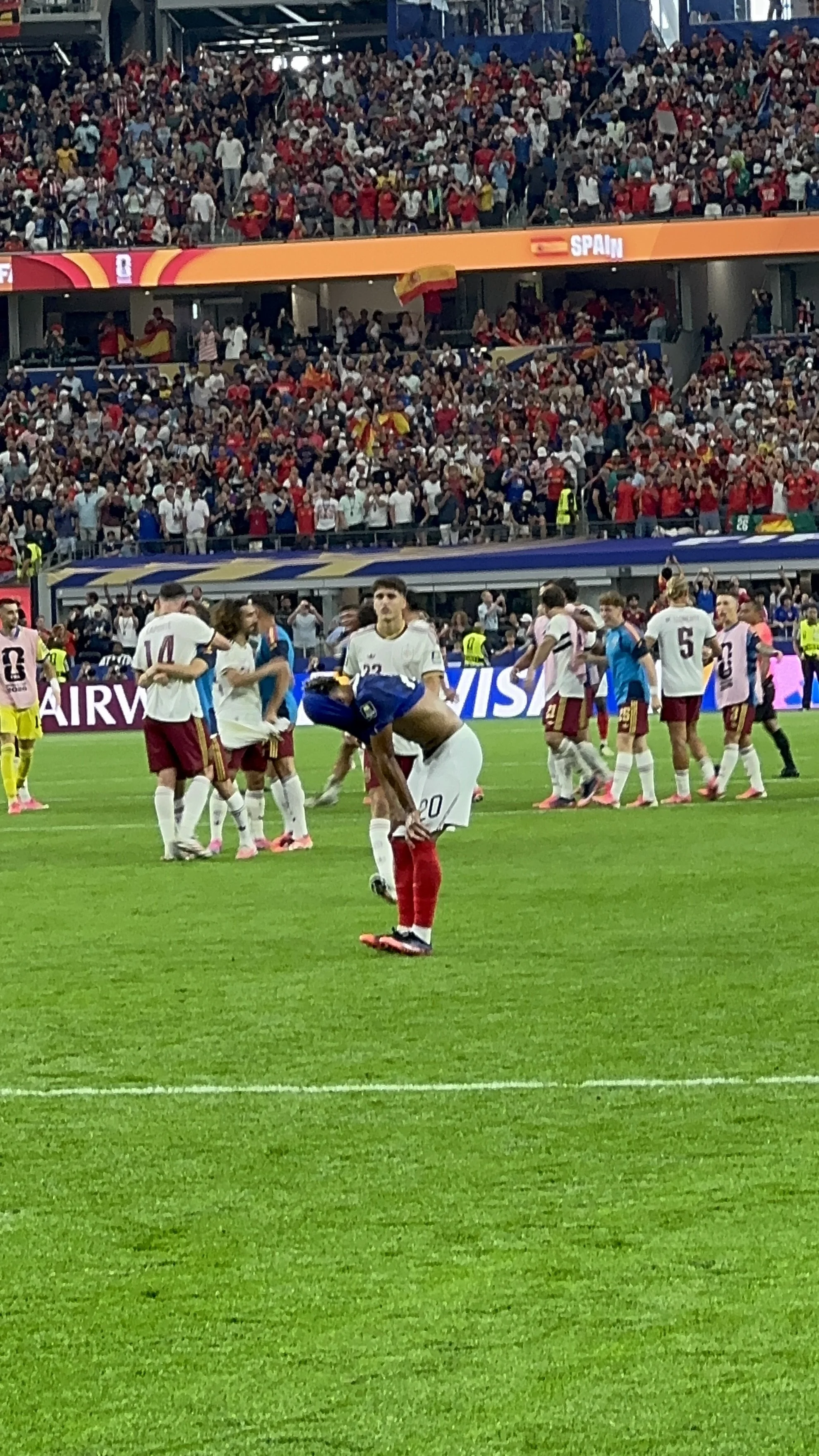
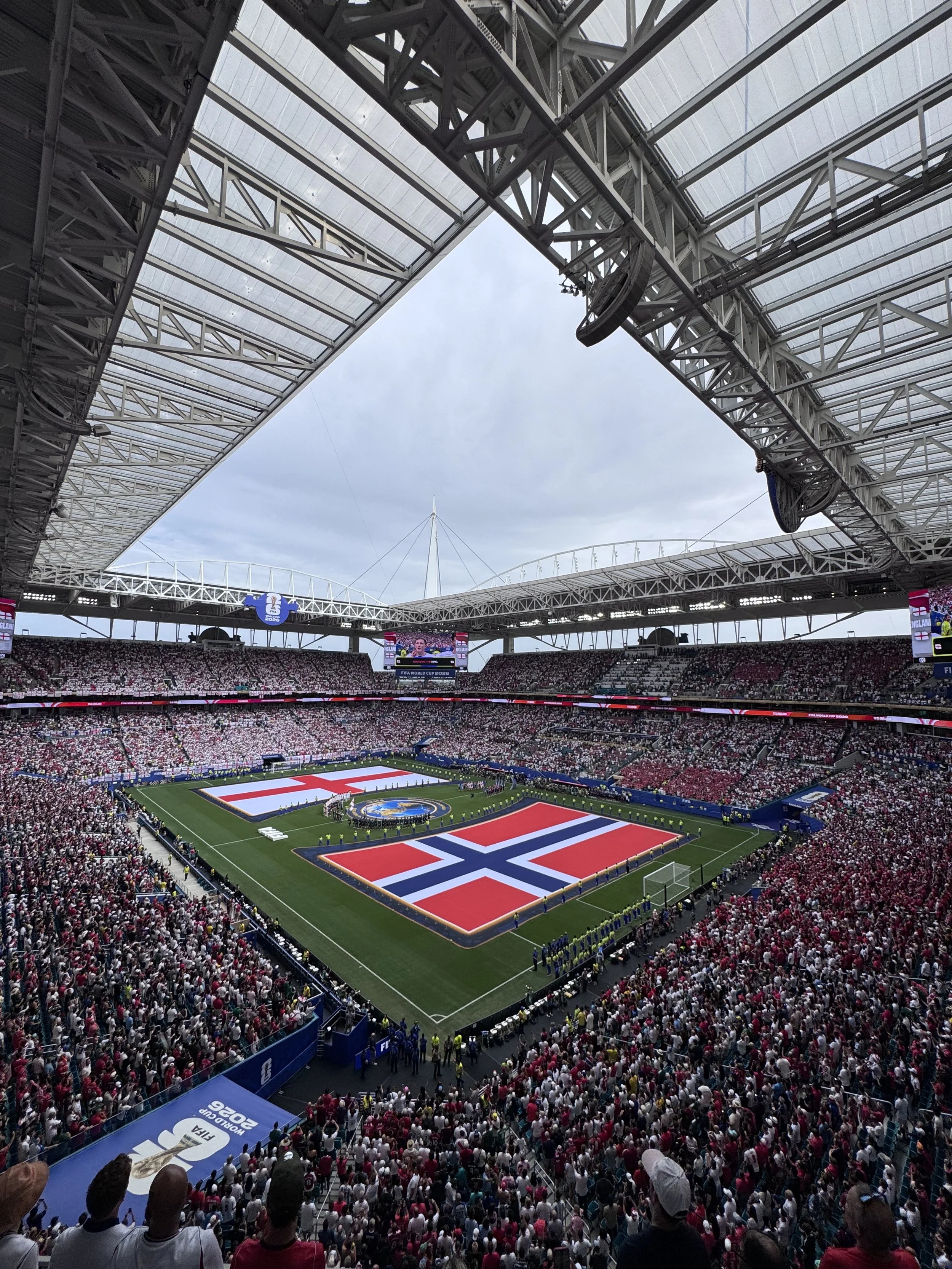


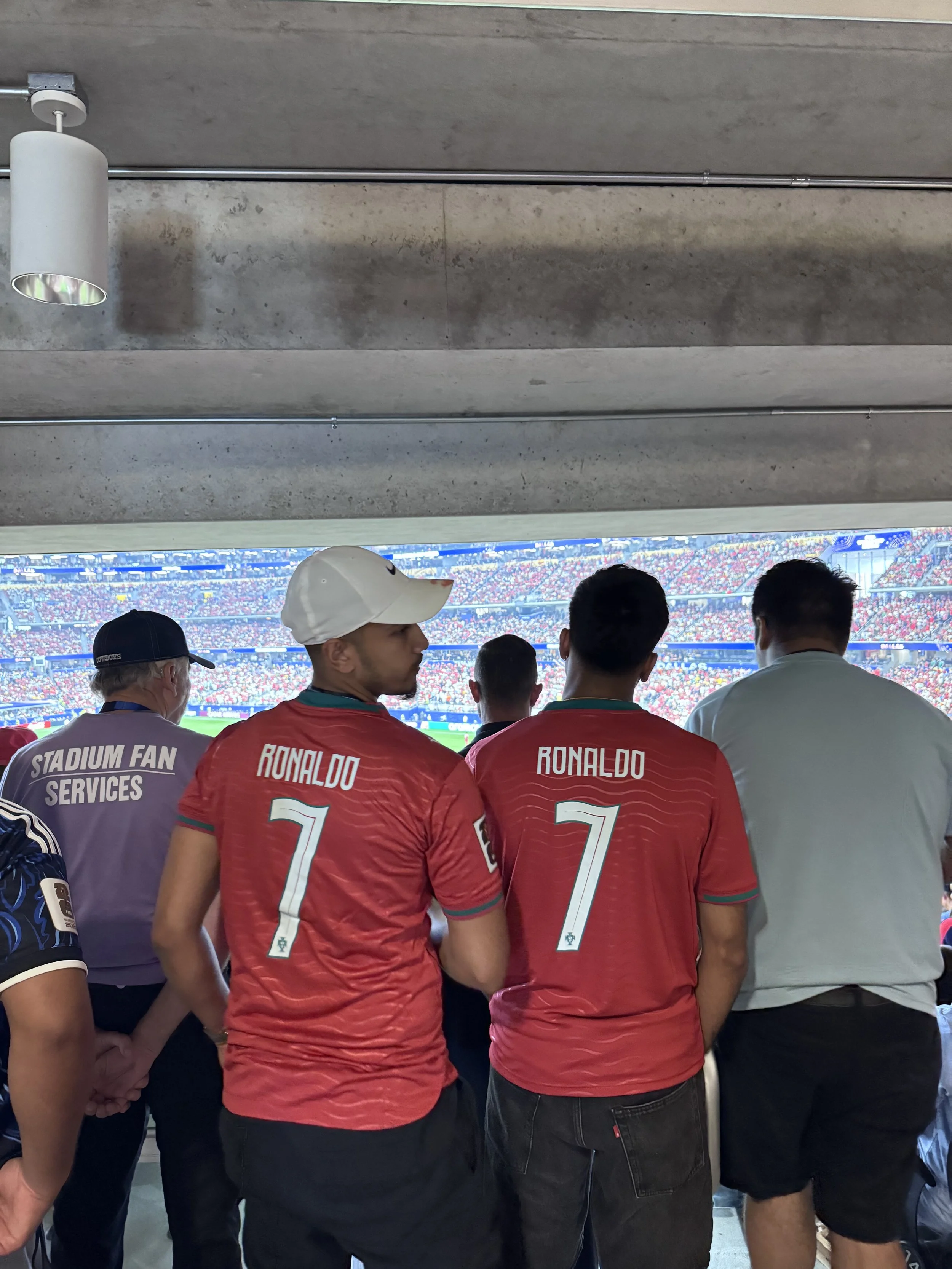
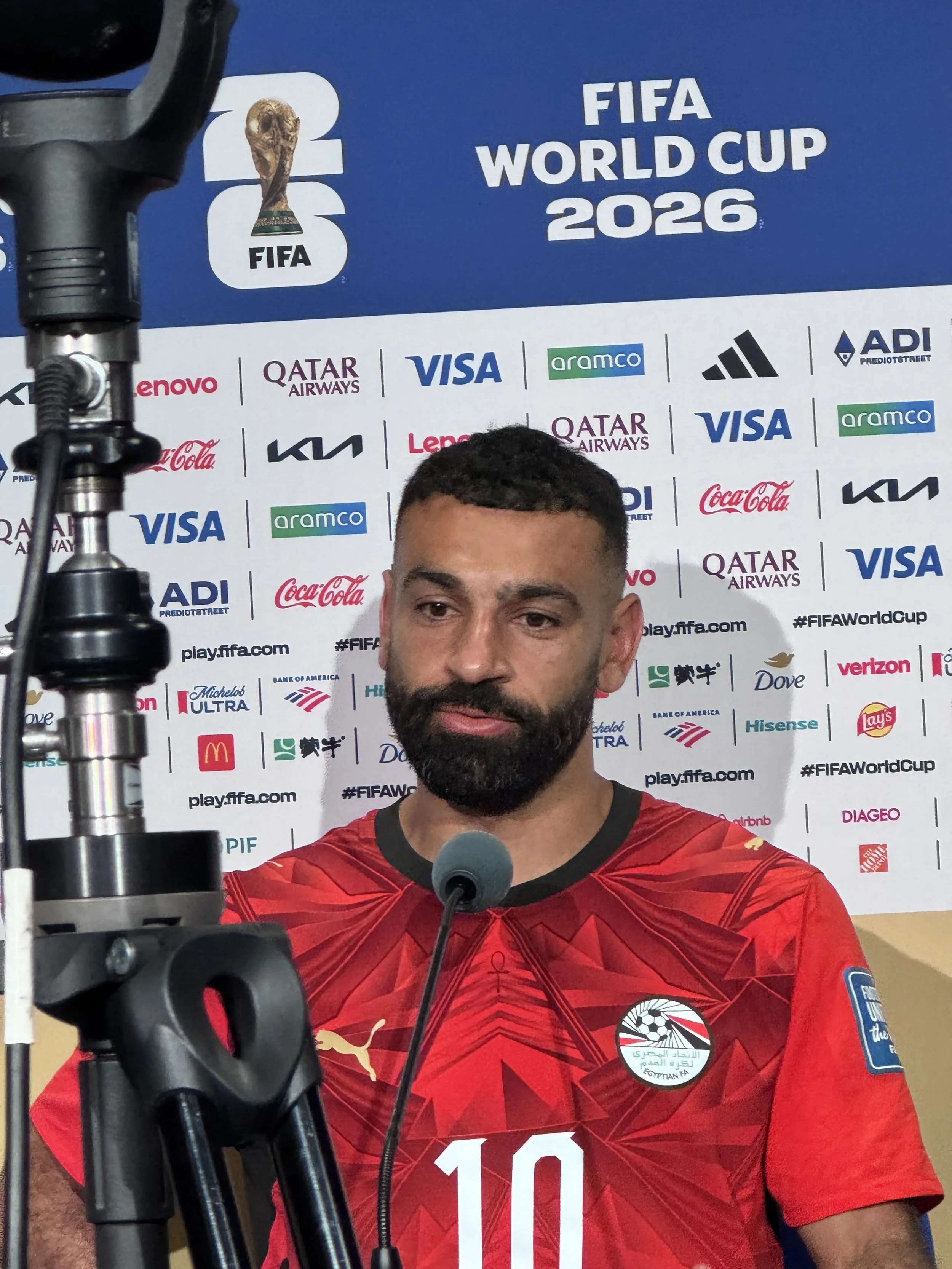















Spain defeated Argentina 1-0 in the 2026 World Cup Final, ending Lionel Messi's dream World Cup with heartbreak.