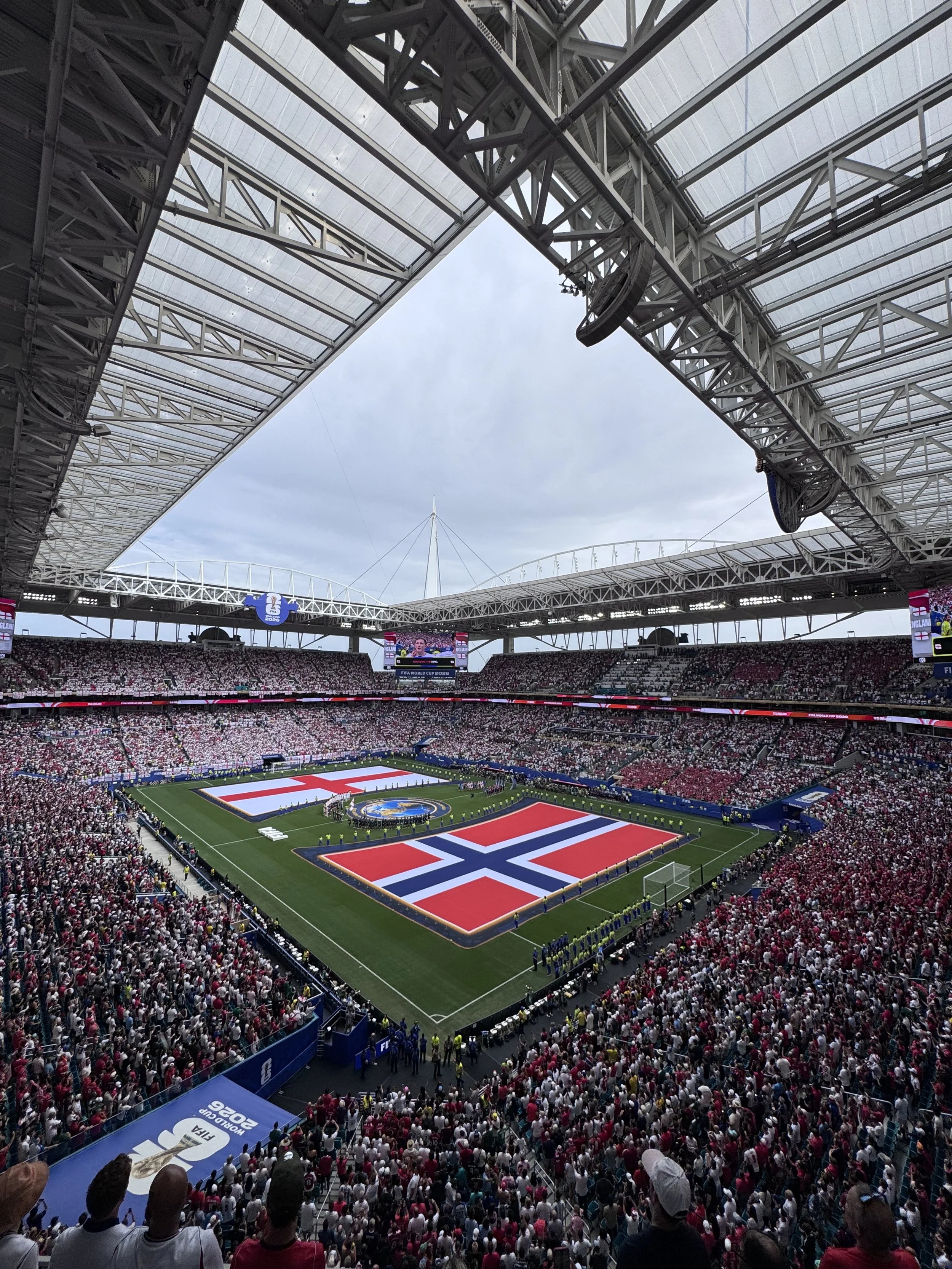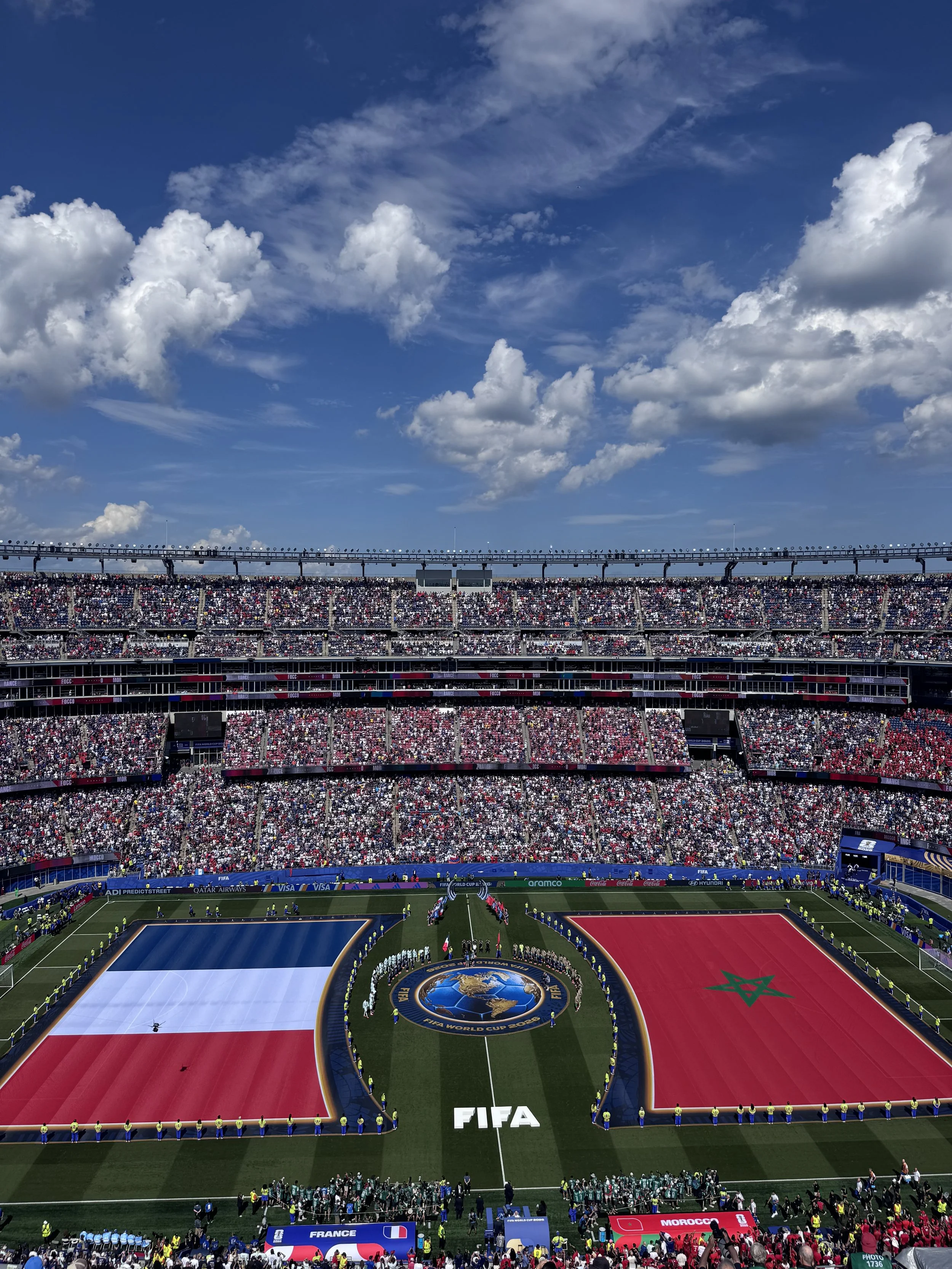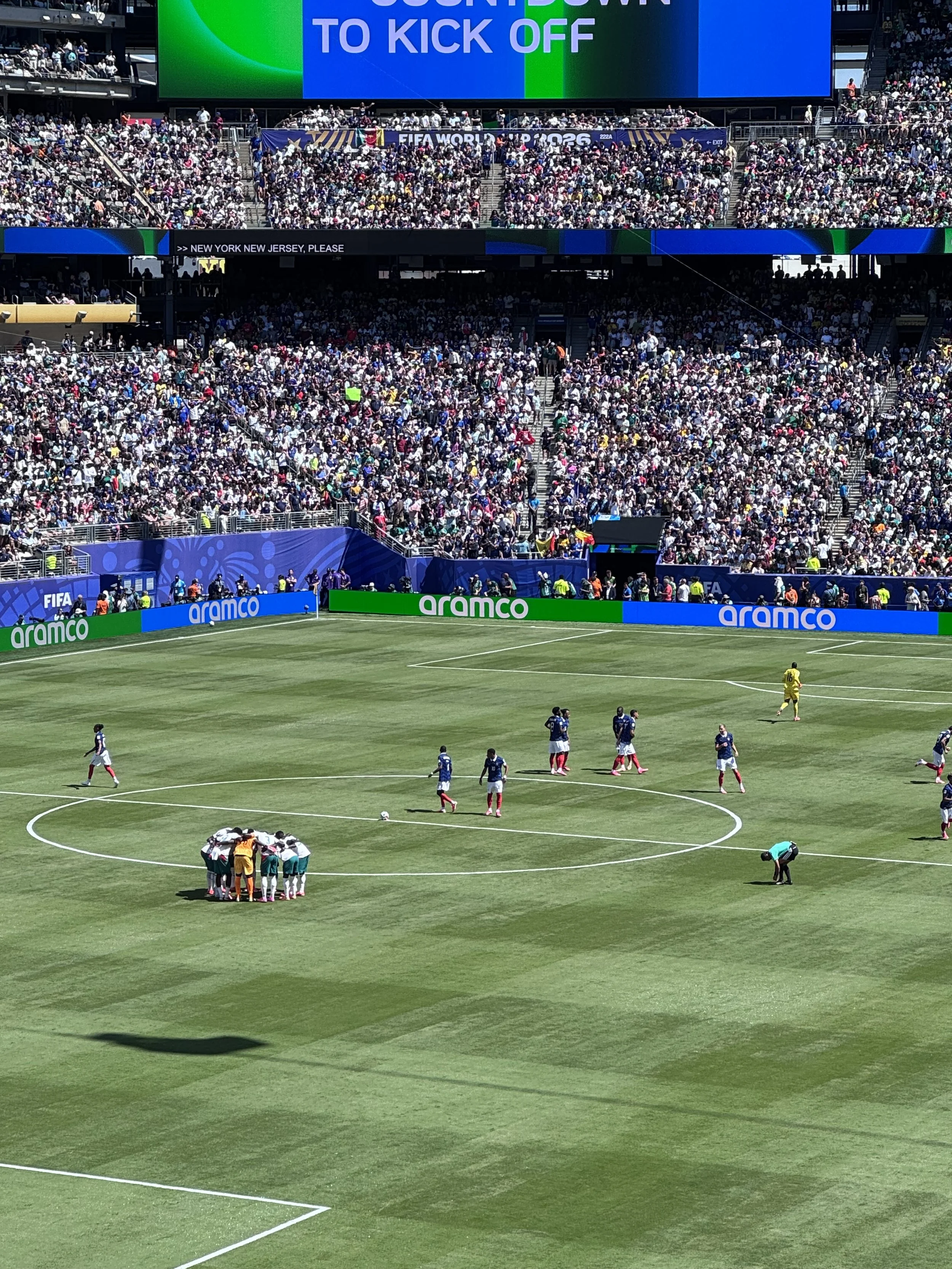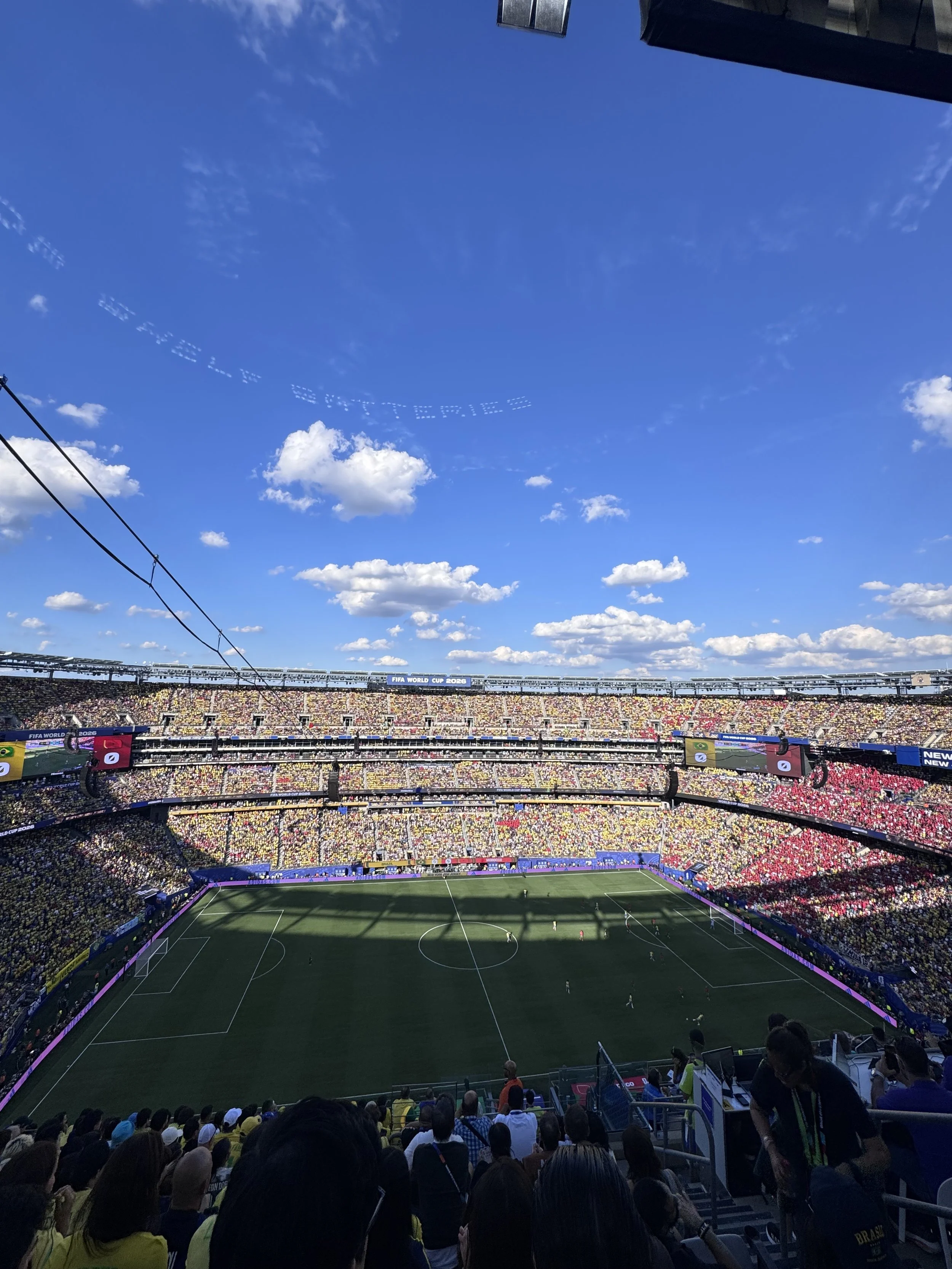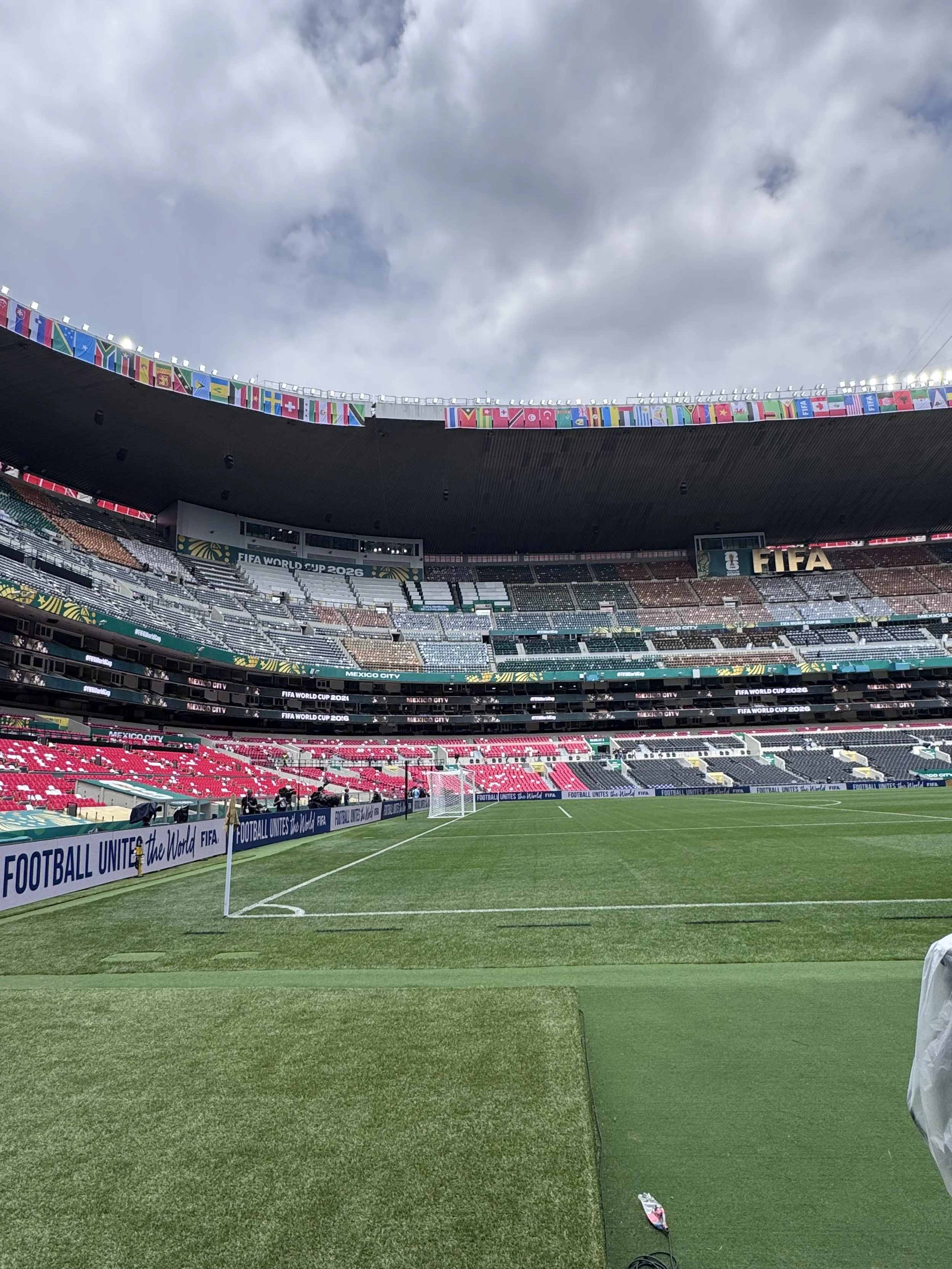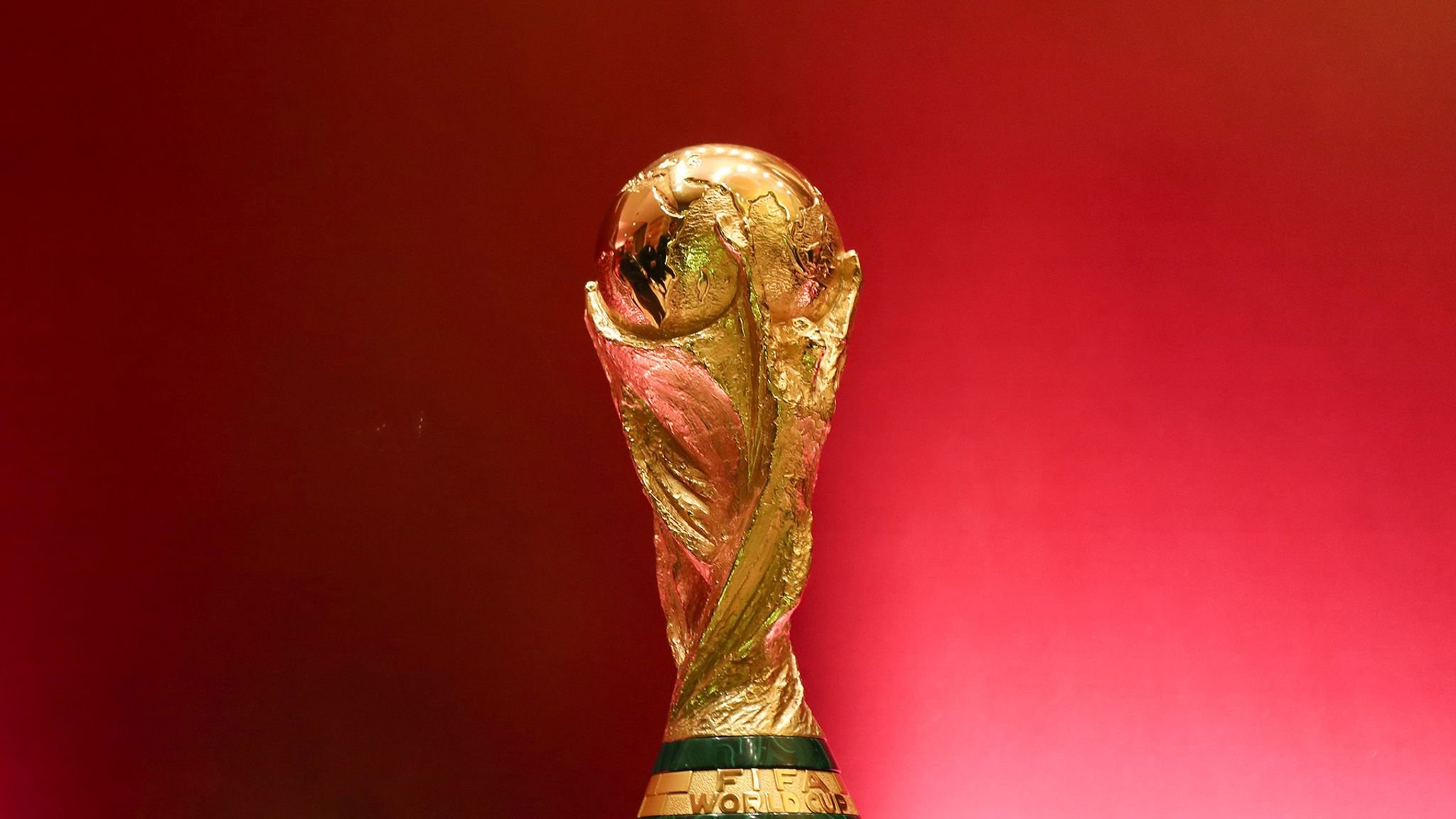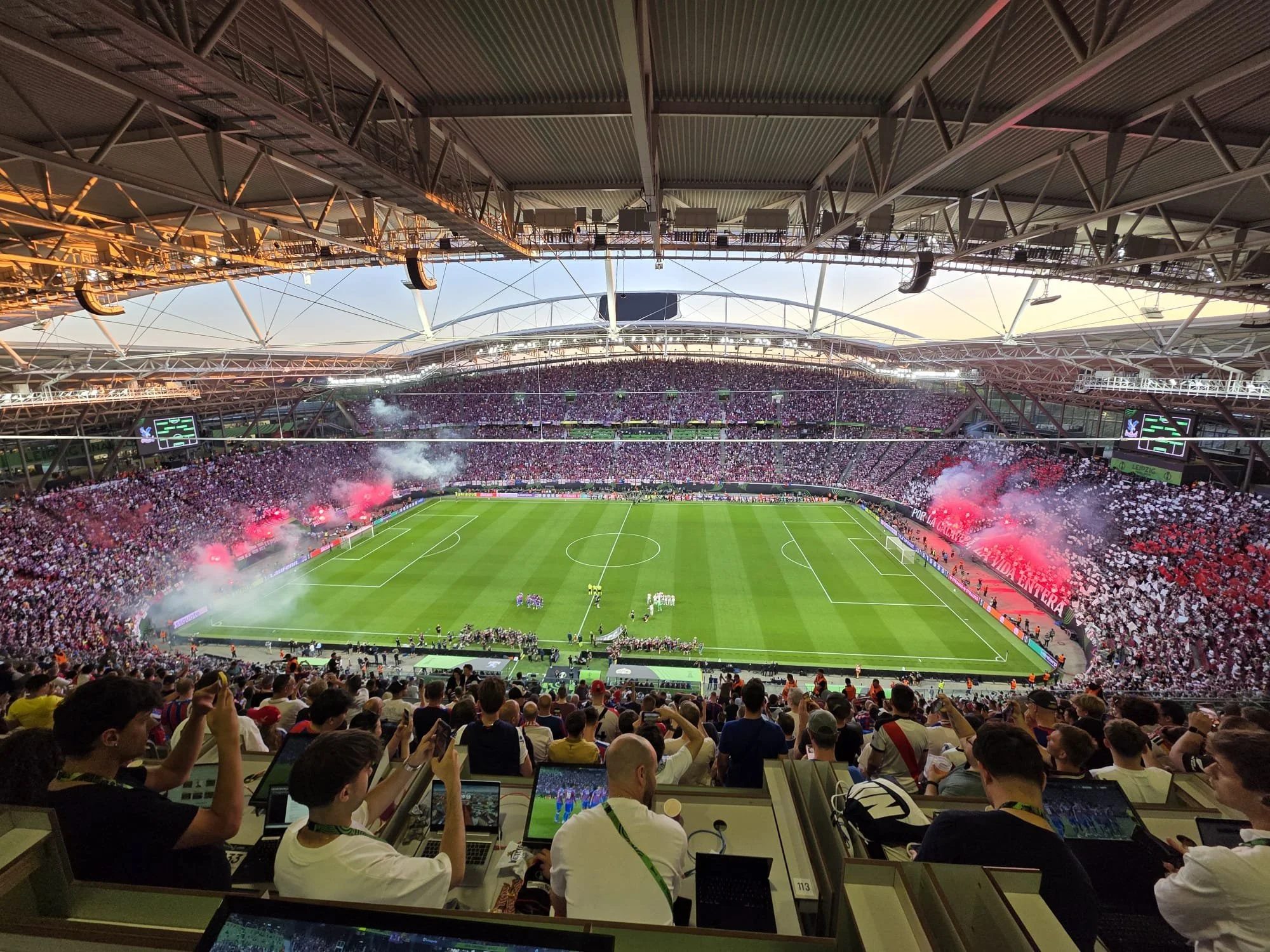
Exactly 100 days from now, at Azteca Stadium in Mexico City, the World Cup—the biggest ever—will kick off with a match between Mexico and South Africa.
Five weeks, 48 teams, 104 matches. One tournament spread across the United States, Canada, and Mexico, unfolding amid an especially turbulent geopolitical reality in an increasingly tense and polarized world.
Between Mexico's war on drug cartels and the conflicts shaking the Middle East, the 2026 World Cup is set to become a stage unlike any before. At the center of it all—or perhaps above it—stands one man: U.S. President Donald Trump. His final act at the end of his first term as the 45th president was fighting to secure hosting rights for this very tournament alongside his neighbors to the north and south.
Eight years have passed since then. Much has changed. Now Trump is president again—the central host of a World Cup after which, it seems, nothing will look quite the same.
"Trump's political statements often resemble a sports media event more than traditional politics," says Bar Umansky, a branding and stratefy consultant as well as a researcher of American politics and culture, speaking on the Goal to the World Cup podcast by Israel's public broadcaster Kan.
The way Trump announced last Saturday's strike on Iran illustrates exactly what Umansky means. He stood at the podium wearing a gray baseball cap with "USA" in classic navy-blue lettering—looking more like the first pick in the NBA Draft than a head of state. That's his style. Annexations, military threats, dramatic speeches: it's all a show.
Returning the Favor to FIFA
In recent months, Trump has threatened to annex Canada and spoken about striking cartels in Mexico—his World Cup co-hosts. He floated the idea of "purchasing" Greenland, detained Venezuelan migrants, triggered upheaval across the region, and most recently led a joint strike with Israel on Iran that resulted in the assassination of Supreme Leader Ali Khamenei.
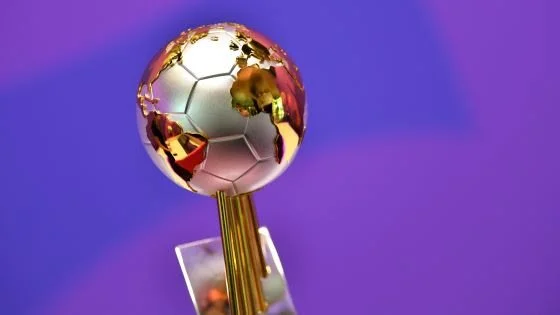
Throughout all of this, he has kept football and the World Cup firmly in his orbit. A replica of the World Cup trophy sits on his Oval Office desk. He lifted the Club World Cup trophy alongside Chelsea players, invited Cristiano Ronaldo to the White House, accepted FIFA's Peace Award, and even proposed renaming "soccer" to "football" in the United States—displacing American football. Such a shift would shake the foundations of American sports culture.
"The story here is Trump's relationship with the NFL and FIFA," explains Eden Roitfarb, BabaGol's North American football expert. "FIFA president Gianni Infantino gives him a global peace award, allows him to host the World Cup, and hands him a massive platform."
In a sense, football—the global game not invented in the U.S.—has become for Trump a perfect vehicle for amplifying his ideas. The constant media storm he generates is not only outward-facing; it is directed inward as well. The U.S. is grappling with multiple crises: the Epstein files revelations, inflation eroding the middle class, protests over immigration policy, and tensions surrounding ICE operations—all against the backdrop of upcoming elections.
A Defining Moment
"Trump thrives on tension and inconsistency," Umansky adds. "Trying to assign deep meaning to every move can sometimes give him too much credit. Much of it is designed to create noise that looks great on camera."
That doesn't mean every move Trump makes is calculated to perfection. Nor does it mean the upcoming World Cup is inherently "good" or "bad" for the sport. But it does mean that everything is unfolding within a distinct Trump consciousness—one in which ambiguity is a feature, not a bug, designed to keep everyone captivated.
With 75% of its matches set to take place in the United States, this World Cup will largely unfold in a country navigating a new phase of self-definition. In an era of chaos, football provides emotional order and collective meaning—and that suits Trump perfectly.
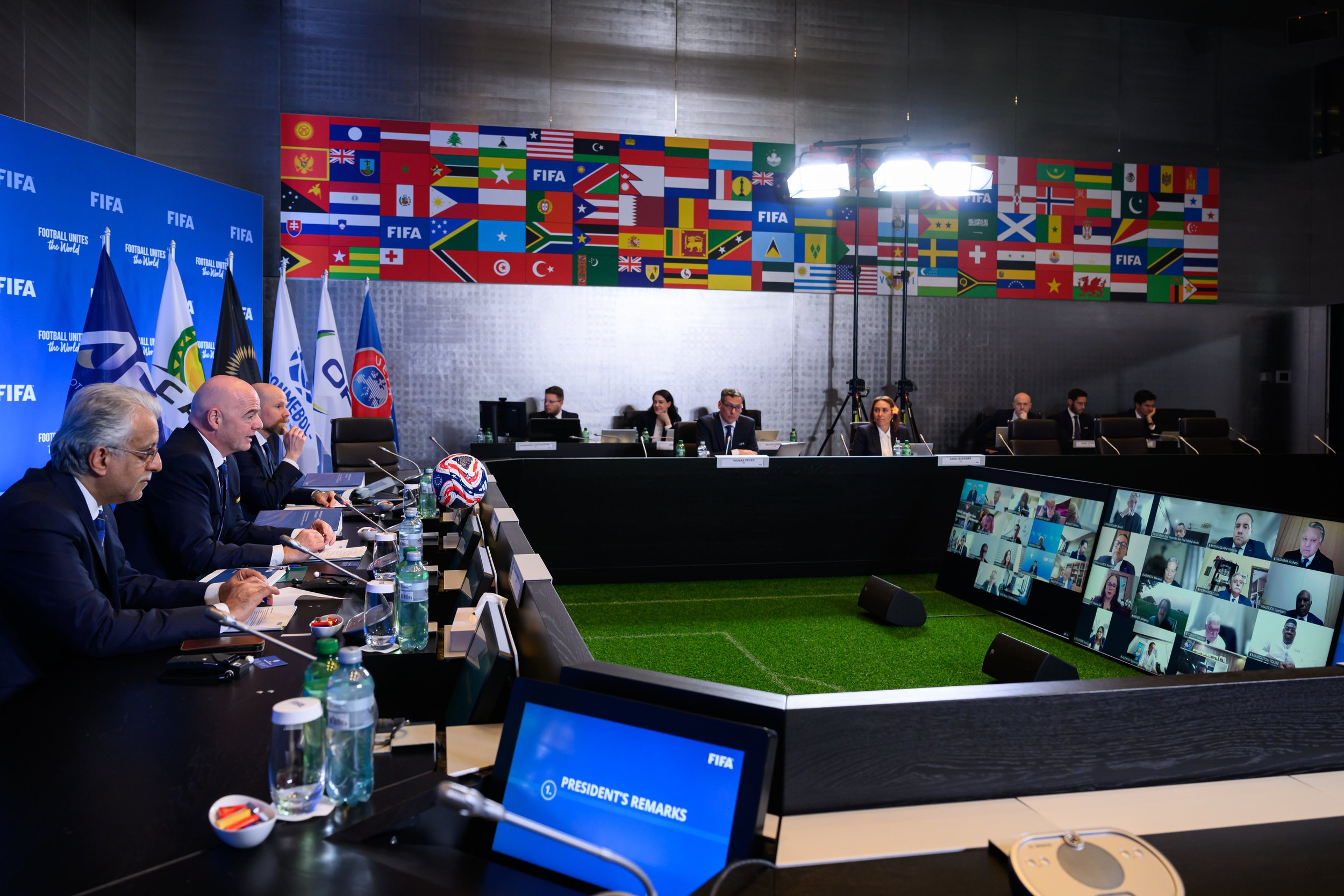
More broadly, in a tournament that is redefining the scale, pace, and commercialization of the game, a rare convergence is taking place with significant implications for football's future. In private conversations, a senior FIFA official told BabaGol that a World Cup host nation typically adapts to FIFA's rules—but based on preparations for 2026, this could be the first tournament where FIFA, even at its highest levels, operates under the influence of the sitting president, and perhaps even in his service.
How will all of this affect football's standing in the U.S.? Senior figures at U.S. Soccer and FIFA told BabaGol that after this World Cup, "there's no going back" when it comes to the sport's place in American culture.
Some even believe football could surpass hockey in popularity and potentially challenge baseball as the third most popular sport in the country. Whether that happens remains to be seen. But football is already embedded in American life—among younger generations, within Latino communities, in academies, on television, and among the millions following the Premier League and Champions League. If the U.S. national team makes a deep run, with Trump in the stands, it could become a defining cultural moment.
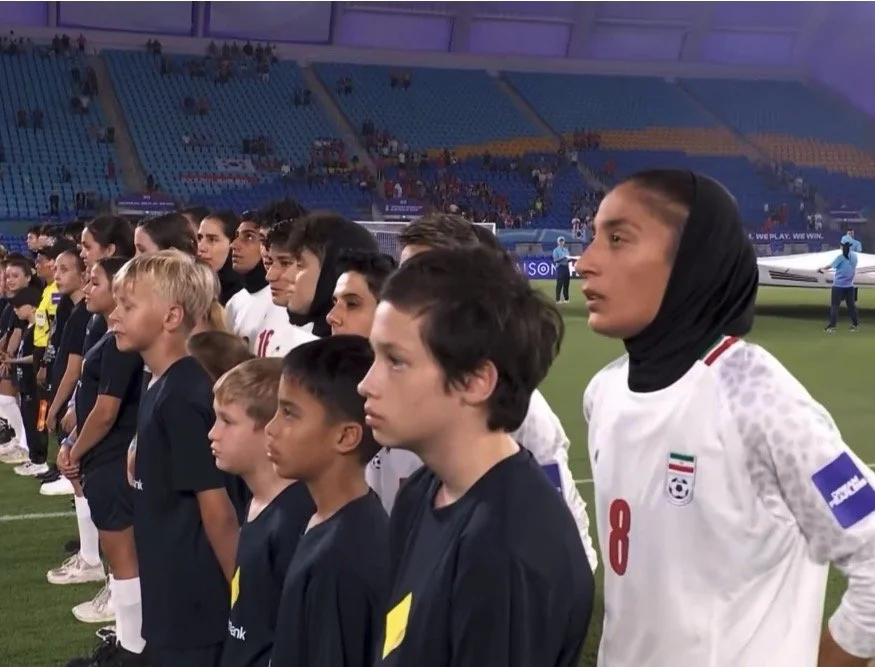
One thing is certain: the 2026 World Cup will unfold at Trump's pace—fast, unpredictable, filled with grand declarations, all in pursuit of shaping an alternative reality. Consider this scenario: Iran's national team—whether representing the Islamic Republic or a new, free Iran—arrives on American soil for its first tournament. One can only imagine what Trump would make of that moment.
At the same time, Trump carries a long-standing feud with the NFL, rooted in his failed attempts to purchase a franchise and the league's embrace of political protest, most notably Colin Kaepernick's kneeling during the national anthem. The renewed "football vs. soccer" debate is, in part, another way for Trump to jab at the NFL—and return the favor to Gianni Infantino.
Beyond that, football helps sustain Trump's own brand identity. "The world of sports, and the World Cup in particular, creates legitimacy around identification with flag and anthem," says Umansky. "It generates a very specific sense of belonging—and Trump uses that mechanism to 'launder' ideas of Americanization and the values of Make America Great Again. It fits him perfectly."
From Trump’s World Cup to wars, revolutions and fairy tales – the football stories that shaped 2025 in the Middle East and beyond.
In an in-depth interview with BabaGol, Alexi Lalas shares bold takes on the USMNT’s goals, 2026 World Cup impact, and soccer’s identity in America.
FIFA confirms a 48-team Women’s World Cup from 2031 and enacts strict anti-racism measures in major reforms announced by its Council.
FIFA names eight Brazilian cities as hosts for the 2027 Women’s World Cup, marking the tournament's first edition in South America.
FIFA and Global Citizen unveil a $100M initiative to fund global education and football access for children through donations and partnerships.
FIFA announces a record $1B prize for Club World Cup 2025 and major expansions for women's competitions, including a new Club World Cup.
Kurdish football embodies identity and struggle, with clubs worldwide symbolizing resilience, history, and hope on and off the pitch.
FIFA slashes Club World Cup ticket prices amid weak demand, with all matches still available. Sales struggle as criticism mounts.
FIFA Club World Cup Official Match Ball unveiled. All the details on the technology, design are here.
500 days to FIFA World Cup 2026! Get ready for 48 teams, 16 cities, and a global celebration of football across Canada, Mexico, and the USA.
Football in 2024: A Year of Conflict, Resilience, and Triumph. From Middle Eastern struggles to global milestones, explore the stories that shaped football this year.
Uzbekistan hosts FIFA Futsal World Cup 2024, featuring 24 teams. First-time Central Asian venue promises thrilling action and global broadcasts.
FIFA received a complaint from Palestine FA against Israel. Despite rumors, FIFA unlikely to suspend Israel in October due to complex geopolitical issues.
Saudi Arabia has submitted its proposal to host the 2034 FIFA World Cup, a move with significant implications for the Middle East.
Brahim Diaz ditched Spain for Morocco, while Mahmoud Dahoud joined his birthplace, Syria. Nationality switching is not new in international football, but it is the hottest trend currently.
From Ronaldo in Saudi Arabia to Messi in Miami, from Spain’s history in the Women’s World Cup to the South American next generation. 2023 was full of great memories, here are the best football moments.
The 2022 World Cup in Qatar was an event that made changes within Qatar and the Middle East. Uri Levy explores what happened in the region a year later.
The 2023 Women’s World Cup was an unforgettable moment in the international development of women’s football. Here are a few things that we can take from a month of football in Australia and New Zealand.
The Spanish Super Cup is being played once again in Saudi Arabia. Here are some interesting Super Cup relocations from the past.
From Lionel Messi winning the World Cup to Cristiano Ronaldo signs in Saudi Arabia. 2022 was a year full of football action, and the BabaGol team selected the best moments to take.
Uri Levy keeps touring Qatar and the 2022 World Cup. These are the best moments he picked from the second matchday of the group stage.
Women’s football increased attention reached its peak last month, with continental championships on four continents. Idan Segev recapped the best moments from all over the globe.
The inter-confederation play-offs will decide who will be the last two teams to qualify for the 2022 World Cup. What could we expect from the decisive matches?
The World Cup qualifiers ended with a bang last week. A view of every continent and a summary of its qualifying campaign.
The international break is here, and the 2022 World Cup qualifiers reach their decisive moments. All action from all confederations and continents is here.
The World Cup qualifiers continue with Asia, South America and North, Central America & the Caribbean are ready for a crucial international break on the road to Qatar.
BabaGol yearly summary is here, and after the team chose its 20 biggest, most interesting, significant football things of 2021, Uri Levy and Yossi Medina wrapped it up for you. 2021 and forever.
2022 World Cup November qualifiers produced action, drama and stories from Lebanon to Bolivia. A full summary of the international break.
From silent protests to daring escapes, Iran’s women footballers turned a tournament into a global story of courage, politics, and survival.
Iran’s women’s team protested, faced threats, and signaled SOS in Australia—now their fate is uncertain amid calls for asylum.
From geopolitics to spectacle, Trump looms over World Cup 2026—reshaping football, power, and culture in the biggest tournament ever.
FIFA joins Gaza rebuilding plans, restoring stadiums, pitches, and youth programs, supporting football and hope in the Strip.
From Nigeria’s Mavlon academy to Viktoria Plzeň and the Europa League dream: Salim Fago’s journey is just beginning in Europe.
From Benzema’s shock move to Ronaldo’s protest, a chain reaction in Saudi football is shaking the entire project and the global game.
A Hitchcock-style AFCON final in Rabat saw chaos, controversy and brilliance as Senegal stunned Morocco to claim their second African title.
From libraries to stadiums, Morocco lives football. As AFCON 2025 nears its climax, passion, politics, and ambition collide nationwide.
From rain-soaked Rabat to a deafening semifinal night, Morocco edge Nigeria on penalties and stand 90 minutes from an AFCON title.
As protests spread across Iran, footballers are turning goals, silence and visibility into acts of resistance and solidarity with the people.
From Trump’s World Cup to wars, revolutions and fairy tales – the football stories that shaped 2025 in the Middle East and beyond.
A dramatic 107th-minute penalty sends Iraq to the intercontinental playoff—now just one game from a first World Cup since 1986.
Nigeria fell to DR Congo on penalties and missed another World Cup, exposing deep structural issues holding back the once-mighty Super Eagles.
Ireland and other European FAs are joining efforts to push UEFA to suspend Israel over settlement clubs and racism allegations.
Aston Villa overcame Maccabi Tel Aviv 2–0 in a Europa League night marked by police protests, fan bans, and off-field political tension.
Maccabi Tel Aviv arrive in Birmingham under political tension, facing Aston Villa without fans in a key Europa League test.
Erling Haaland’s hat-trick powered Norway past Israel 5–0, as protests and tension surrounded the World Cup qualifier in Oslo.
Israel coach Ran Ben Shimon dons a kippa and prays for hostages in an emotional Oslo press conference before facing Norway.
Ahead of Norway–Israel, FA president Lise Klaveness urges respect, transparency, and dialogue, discussing her efforts in bringing change that will see Israel banned from international football.
Tense atmosphere in Oslo ahead of Norway vs. Israel, with protests, politics, and a World Cup dream on the line.
As Israel visits Oslo for a key World Cup qualifier, Norway braces for protests, politics, and a tense weekend on and off the pitch. Uri Levy reports from Oslo.
Despite rising protests and political pressure, Israel’s suspension from UEFA remains improbable due to regulations and key leadership stances.
As soccer surges in Canada, Forge FC and Atlético Ottawa's 1-1 draw highlights CPL's growth.
Despite growing calls amid the Gaza war, UEFA sources stress there’s no legal basis for suspending Israel at this stage.
Despite war, isolation and setbacks, Israeli footballers hit a record in transfers abroad during the summer 2025 window. A market analysis.
Beram Kayal reflects on a remarkable career from Maccabi Haifa to Celtic and Brighton, and his new mission to impact Arab football youth.
After months of war, the Palestinian Football Association may revive league play—if minimum safety, infrastructure, and funding can be secured.
The 2024 Women's AFCON kicked off with Morocco and Zambia drawing 2-2 in Rabat. Nigeria, South Africa, and Ghana headline a thrilling tournament.
Palestinian striker Wessam Abou Ali overcame cardiac collapse and broken ribs to become Club World Cup star, attracting top European clubs.


From geopolitics to spectacle, Trump looms over World Cup 2026—reshaping football, power, and culture in the biggest tournament ever.