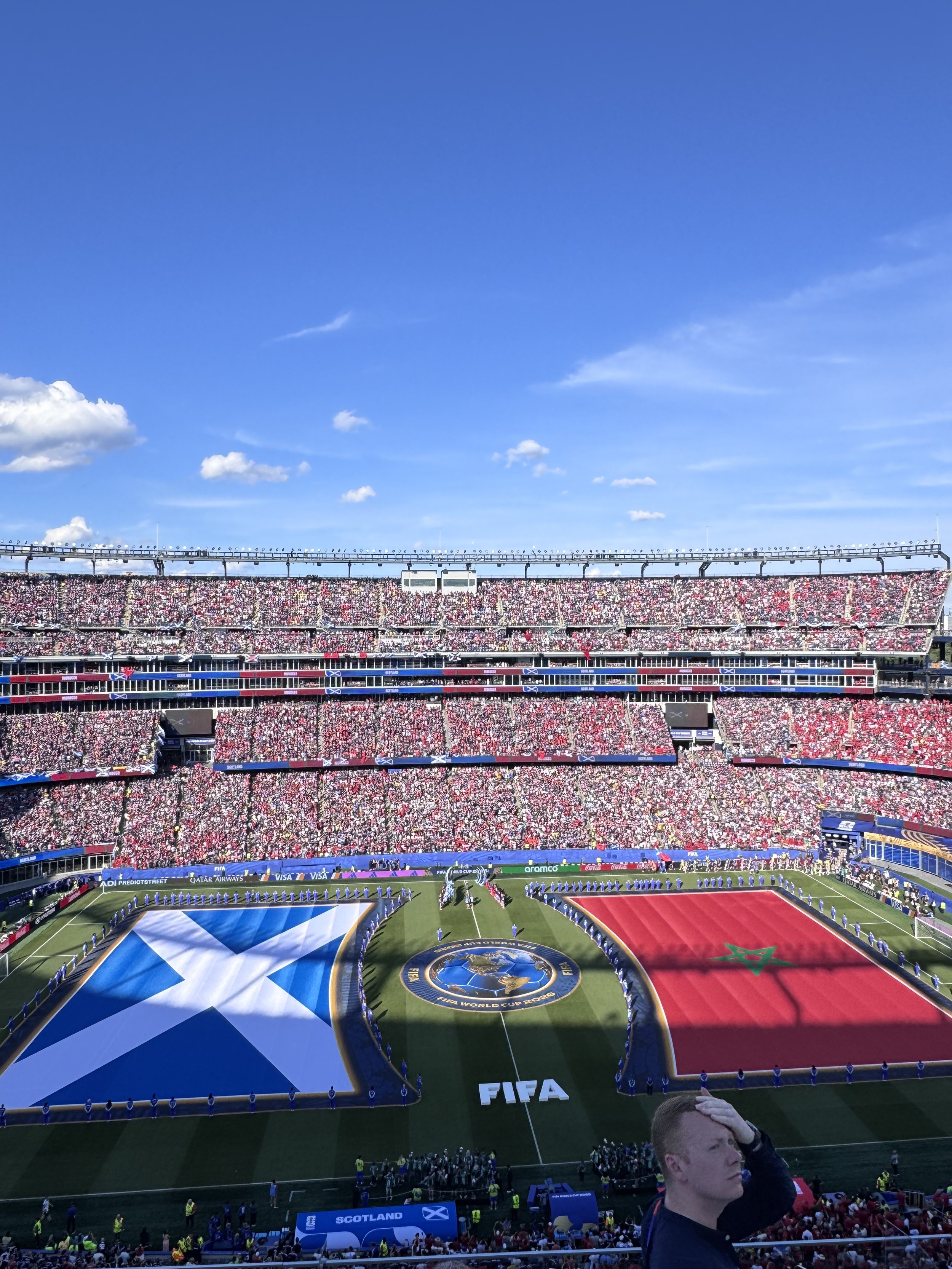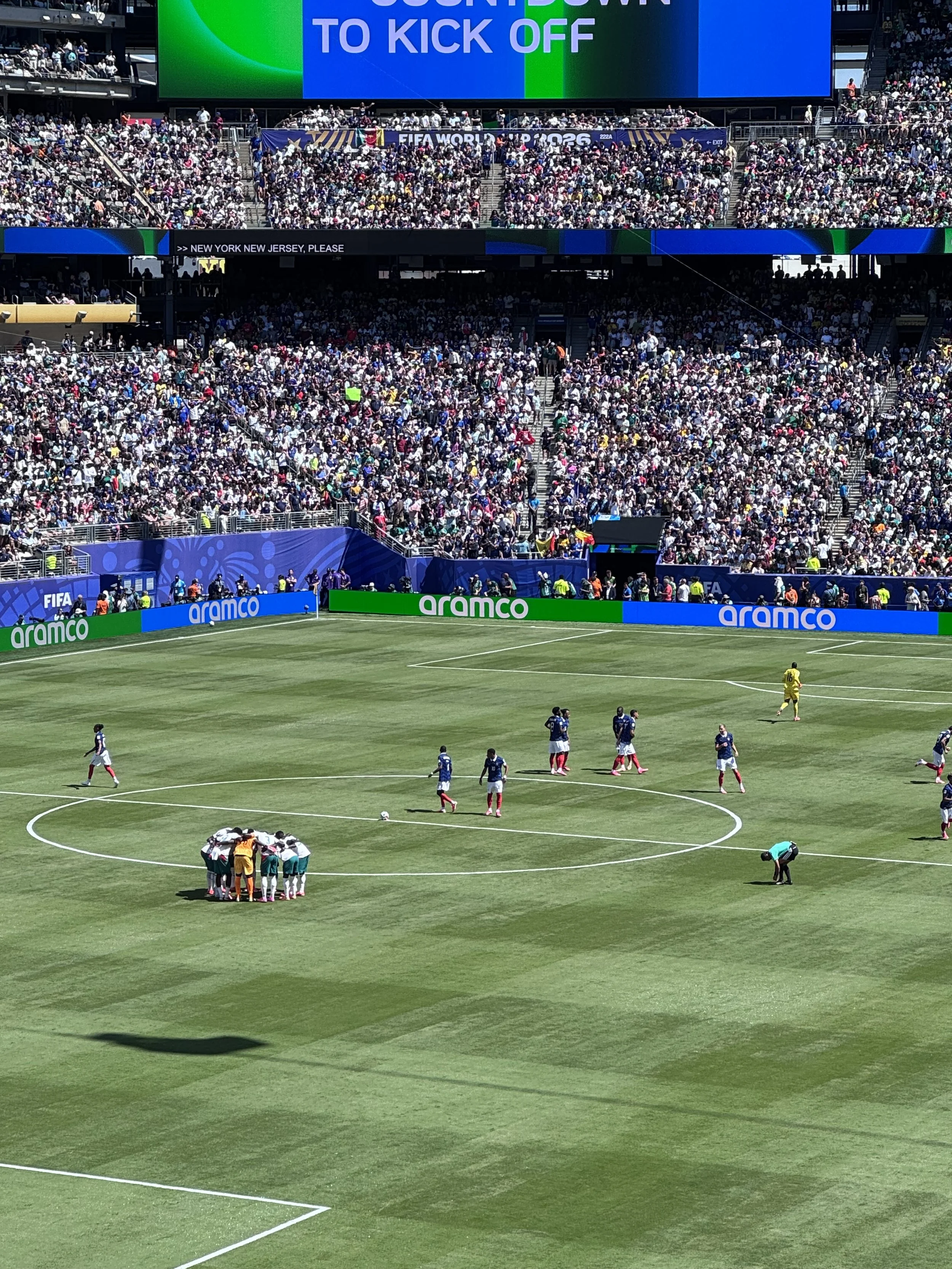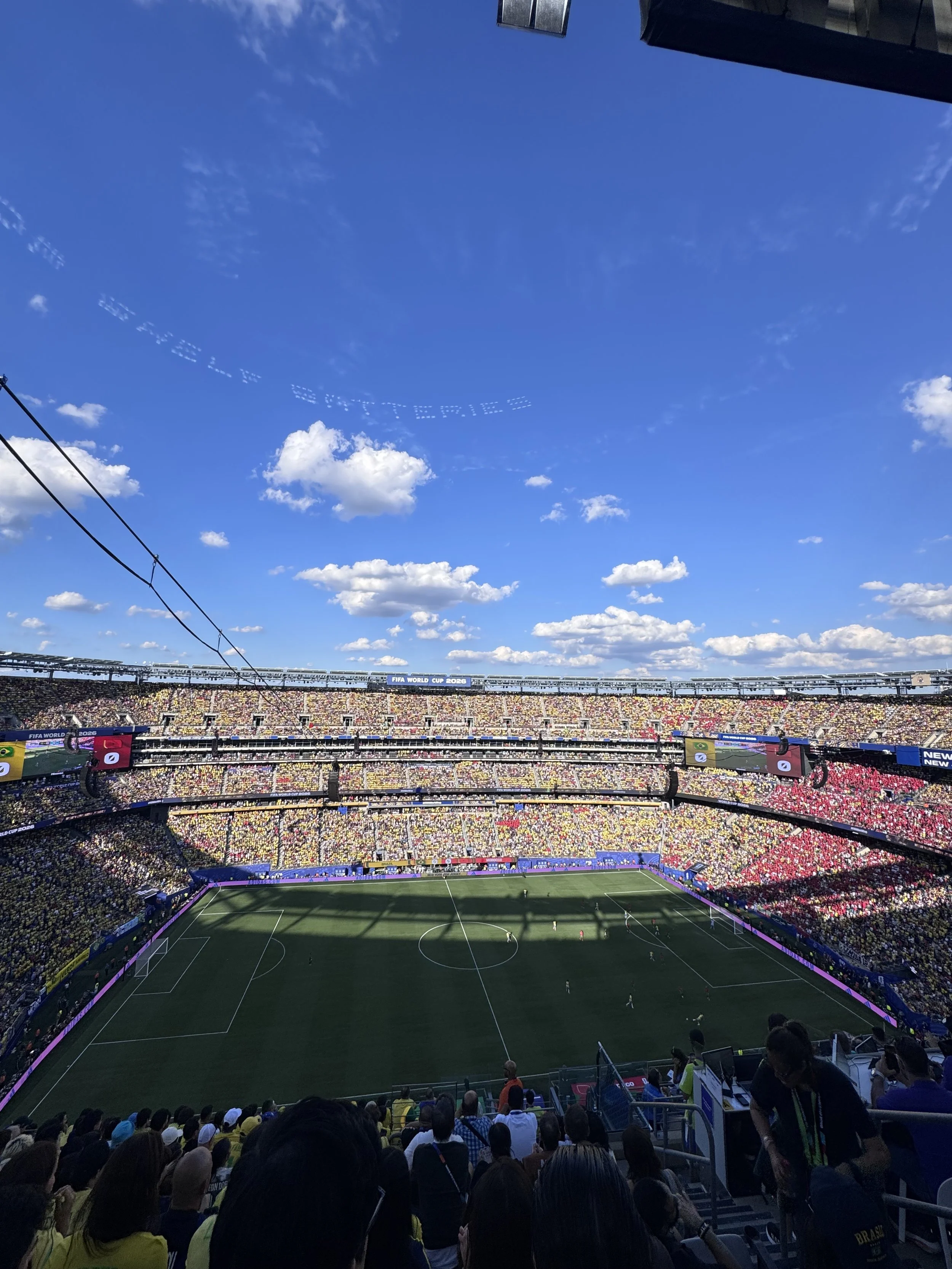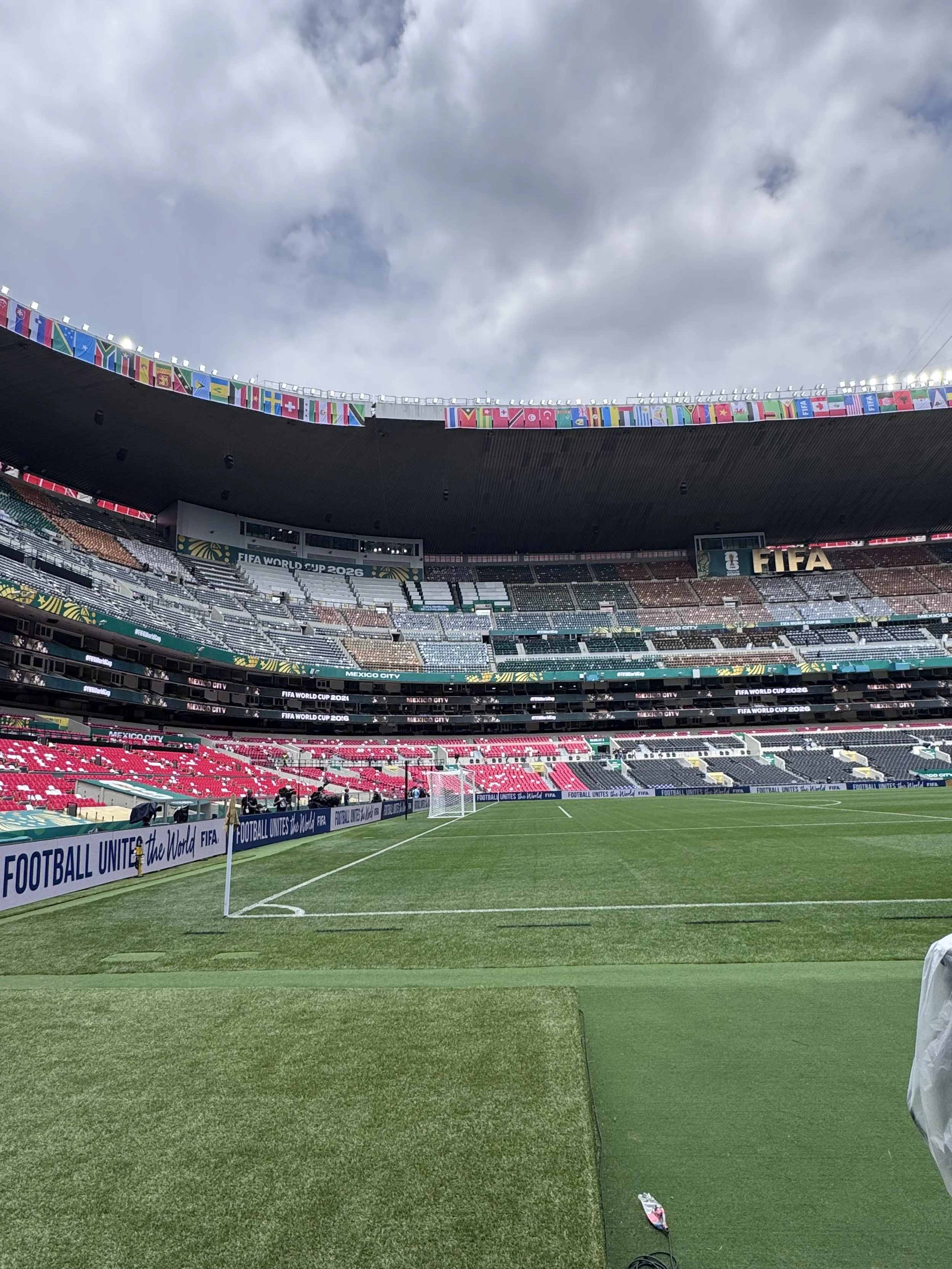
Dallas — History in Dallas. For the first time ever, the Egyptian national team played a knockout match at a World Cup, won it, and advanced to the round of 16.
The Pharaohs' last-32 clash with Australia delivered enormous drama. The match ended 1-1 after 90 minutes and remained level after extra time, decided only by a penalty shootout.
Australia started brightly, throwing wave after wave of attack at goalkeeper Mohamed Shobeir. But it was Egypt who struck first.
In the 13th minute, Emam Ashour received the ball on the edge of the box and, just as he had done against Belgium, picked his corner and fired home. 1-0. His second goal of the tournament — and entirely against the run of play in those opening minutes.
Egypt held their lead throughout the first half. Conspicuously quiet and barely involved was captain and undisputed star Mohamed Salah — for whom this match represented a genuine opportunity to reshape his national team legacy, after years of painful near-misses with Egypt at the Africa Cup of Nations.
Ten minutes into the second half, Australia launched a ball into the box and Mohamed Hany nodded it into his own net — making history of the bleakest kind: the first player ever to score two own goals at a single World Cup, having already put one past himself against Belgium. 1-1, and from that moment the match became a tense, attritional affair of half-chances and half-attacks, in which concentration and composure would prove decisive.
As the 90 minutes drew to a close, Salah grew into the game, finding teammates in promising positions and threatening himself on a couple of occasions. But Australian goalkeeper Patrick Beitz was in outstanding form, producing a string of critical saves that carried into extra time.
When it became clear the match would not be settled in open play, Australian coach Popovic made what can only be called a "Van Gaal 2014" substitution — replacing his starting goalkeeper with his backup specifically for the penalty shootout, mirroring the famous moment when the Dutch manager brought on Tim Krul for Jasper Cillessen against Costa Rica at that tournament.
The man replacing Beitz was Mat Ryan — for years Australia's undisputed first choice. At the 2022 World Cup qualifying play-off against Peru, Ryan himself had been substituted by Andrew Redmayne, whose eccentric dancing on the line helped save the crucial penalty that sent Australia to that tournament, where they famously reached the last 16 before facing a peak Lionel Messi. In this moment, Ryan was expected to produce something similar.
The shootout began with a glaring miss from Australian captain Harry Souttar, who ballooned his kick into the sky.
But Ryan, whose penalty saves had previously delivered Australia the 2015 Asian Cup and a World Cup play-off win over Syria, simply could not stop the Egyptians, who were precise and composed throughout.
First up was Mahmoud Saber, who had been introduced as a substitute in the 120th minute precisely for this purpose.
Salah stepped up third and, with ice in his veins, delivered a Panenka — a delicate chip straight down the middle that humiliated the goalkeeper, sent the crowd behind the goal into delirium, and kept Egypt's momentum firmly intact.
Australia's fourth taker, Luke Irvine, missed. And then Hossam Abd El-Magd scored the decisive penalty, setting off wild celebrations on the pitch and in the stands. 4-2 to the Pharaohs in the shootout — history for the land of the Nile, and Egypt became the second African side to secure their place in the round of 16.
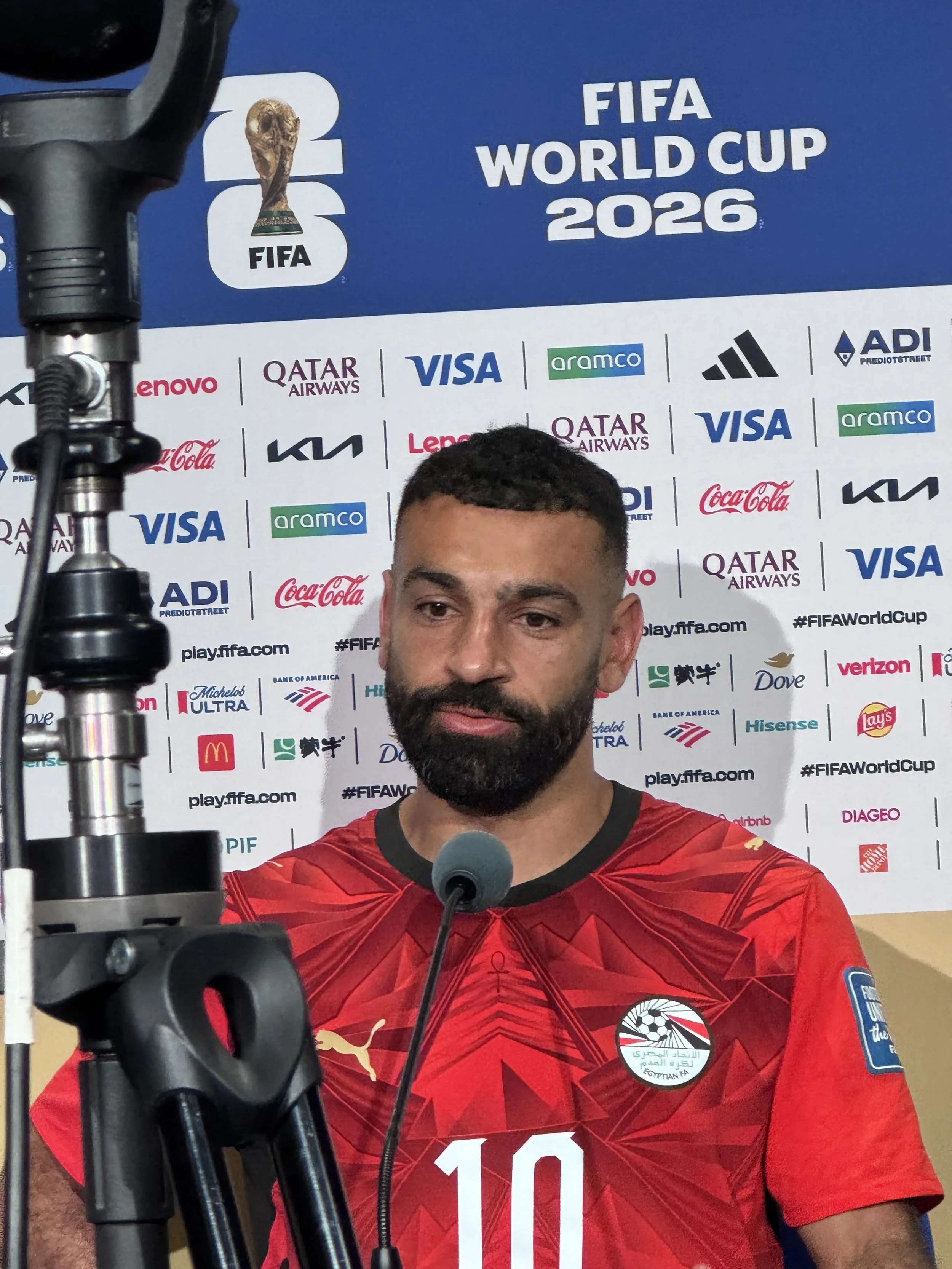
These were deeply emotional moments for the entire Egyptian nation. Salah broke down in tears on the pitch while teammates embraced him. Egypt coach Hossam Hassan — still the all-time leading scorer in Egyptian football history with 69 international goals — celebrated with team director Ahmed Hassan, the record appearance holder with 184 caps, waving an Egyptian flag. He then produced a Palestinian flag and, in his post-match interview, dedicated the victory to the Palestinian people.
But the centre of attention was, inevitably, Salah. "The answer is simple — I can't decide who the greatest Egyptian of all time is," Salah laughed, slightly flustered, in response to a question from this correspondent about the long-running debate over his status relative to Mohamed Abu Trika. Abu Trika — who led Egypt to three consecutive Africa Cup of Nations titles — is considered a legend far beyond football, known for his outspoken criticism of the Egyptian authorities and Israel, and his close identification with the Muslim Brotherhood.
Salah was careful not to wade into that comparison directly, but he did speak to what this achievement means for an entire generation of Egyptian footballers. "What we did today will not be forgotten — I'm sure of that. For me personally, it means everything. Our generation has suffered from bad luck. We lost two African finals, we were knocked out in two semi-finals, we didn't qualify for the 2022 World Cup. So yes — we did something that everyone is talking about, and we are very proud, because this may be the greatest achievement in the history of this generation. I hope something even greater is still to come."
The match against Australia is one that reshapes Salah's national team legacy. It closes the chapter on the long-standing comparison between him and Abu Trika — a debate that for years resembled the Messi versus Maradona argument in Egyptian terms. Now, whatever happens in the round of 16, Egypt will forever remember Mohamed Salah as the man who took this nation further than it has ever gone in the most popular sport on the banks of the Nile.
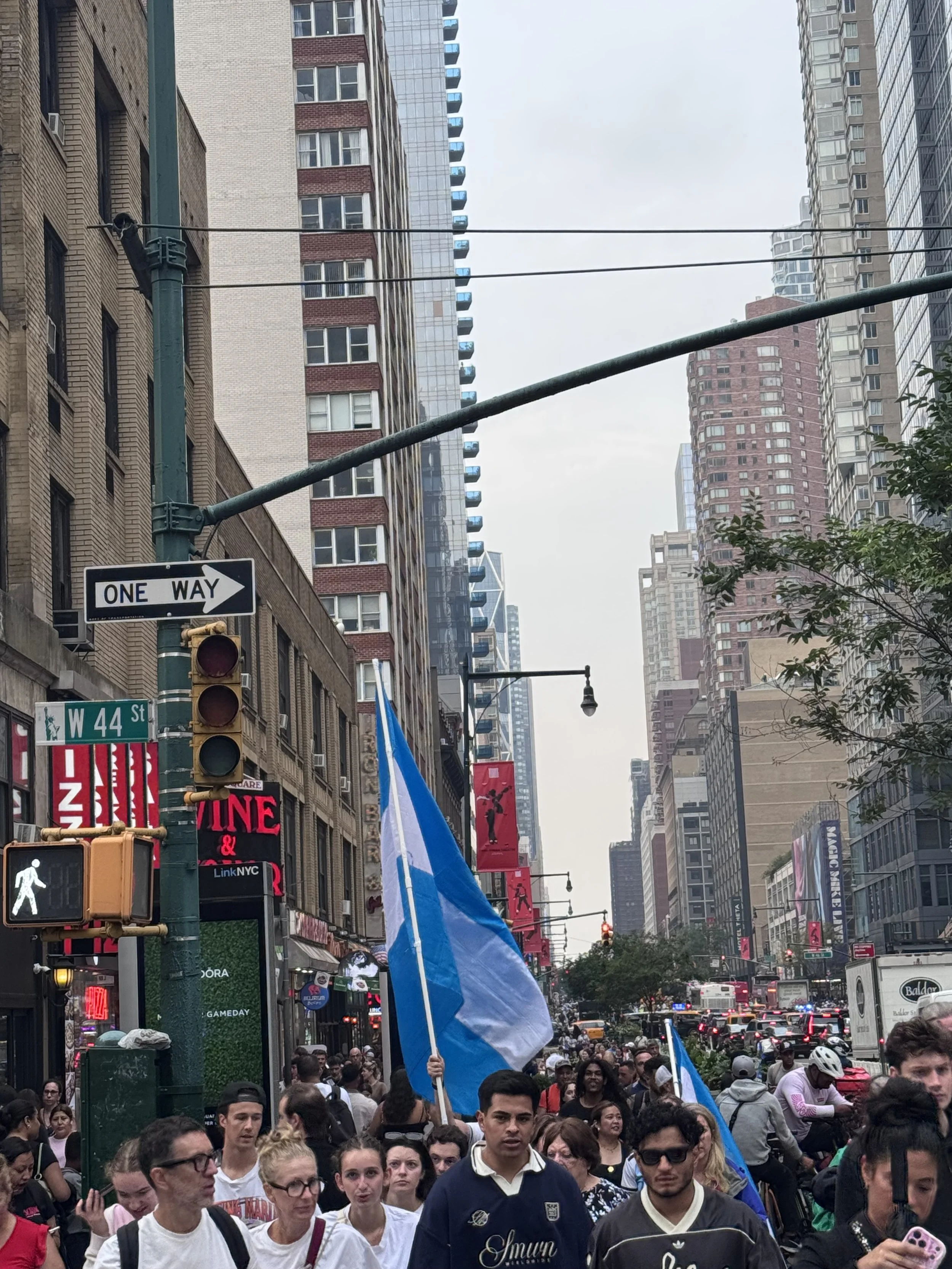
Thousands of Argentina fans transformed Times Square before the 2026 World Cup final, all united to thank Lionel Messi.
Spain were ruthless in Dallas as Oyarzabal and Dani Olmo starred, leaving France's Bastille Day to end in deep disappointment for Deschamps.
Norway outplayed England for most of a sweltering Miami classic, but two Bellingham strikes in extra time sent the Three Lions to the semis.
Ayoub Bouaddi chose Morocco over France at 18 and lit up a quarter-final about colonial history, dual identity, and what it means to belong.
Egypt pushed Argentina to the limit in a 3-2 World Cup thriller, but left the pitch furious at the referee and convinced justice was denied.
Merino's late goal gave Spain a 1-0 win over Portugal as Ronaldo left the World Cup stage in tears in what many believe was his final match.
Egypt beat Australia on penalties in Dallas to reach the last 16 for the first time, with Salah's Panenka the highlight of a historic night.
Diop headed Morocco level in the 91st minute and Saibari slotted the winner in the shootout as Morocco reached the World Cup quarter-finals.
Messi and the Jordanian Messi both scored as Argentina beat Jordan 3-1 in Arlington, with records broken and keffiyehs flying in the stands.
France beat Iraq 3-0 in Philadelphia, but the two-hour lightning delay stole the show, making it officially the longest World Cup game ever.
Saibari scored inside two minutes as Morocco beat Scotland 1-0 in Boston, leaving the Scots on the very brink of 2026 World Cup elimination.
Senegal relived their legendary 2002 magic for an hour, but Kylian Mbappe struck twice to sink them and seal France's 3-1 win in New Jersey.
Qatar stole a last-gasp draw from Switzerland and Morocco held Brazil 1-1 — two results that announced Arab football’s full arrival at 2026.
Azteca stadium hosts its third World Cup as Mexico City buzzes with pride, protest, and the deep belief that football has always lived here.
Crystal Palace beat Rayo Vallecano in Leipzig to win the Conference League in the most romantic underdog final in European football history.
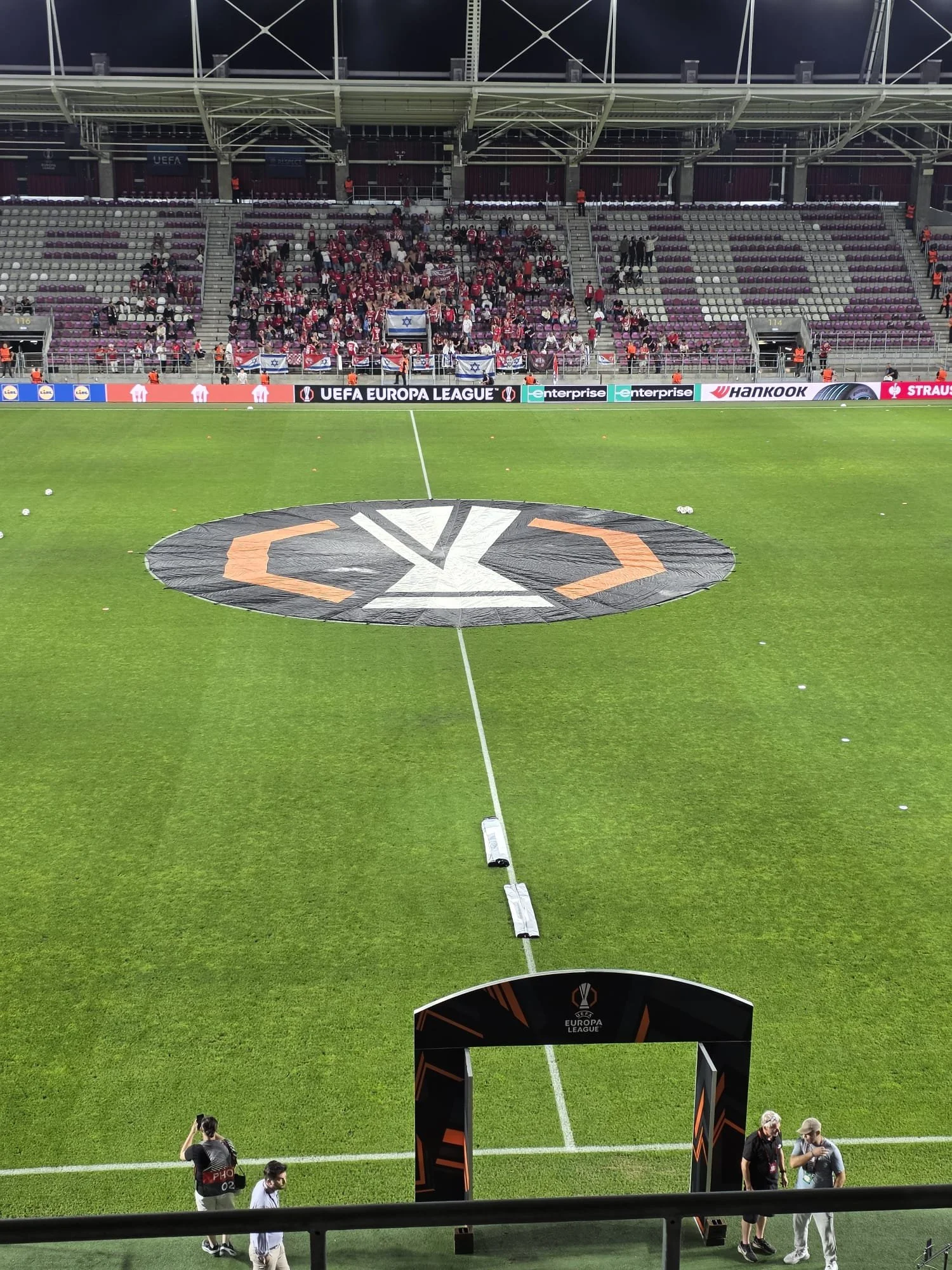
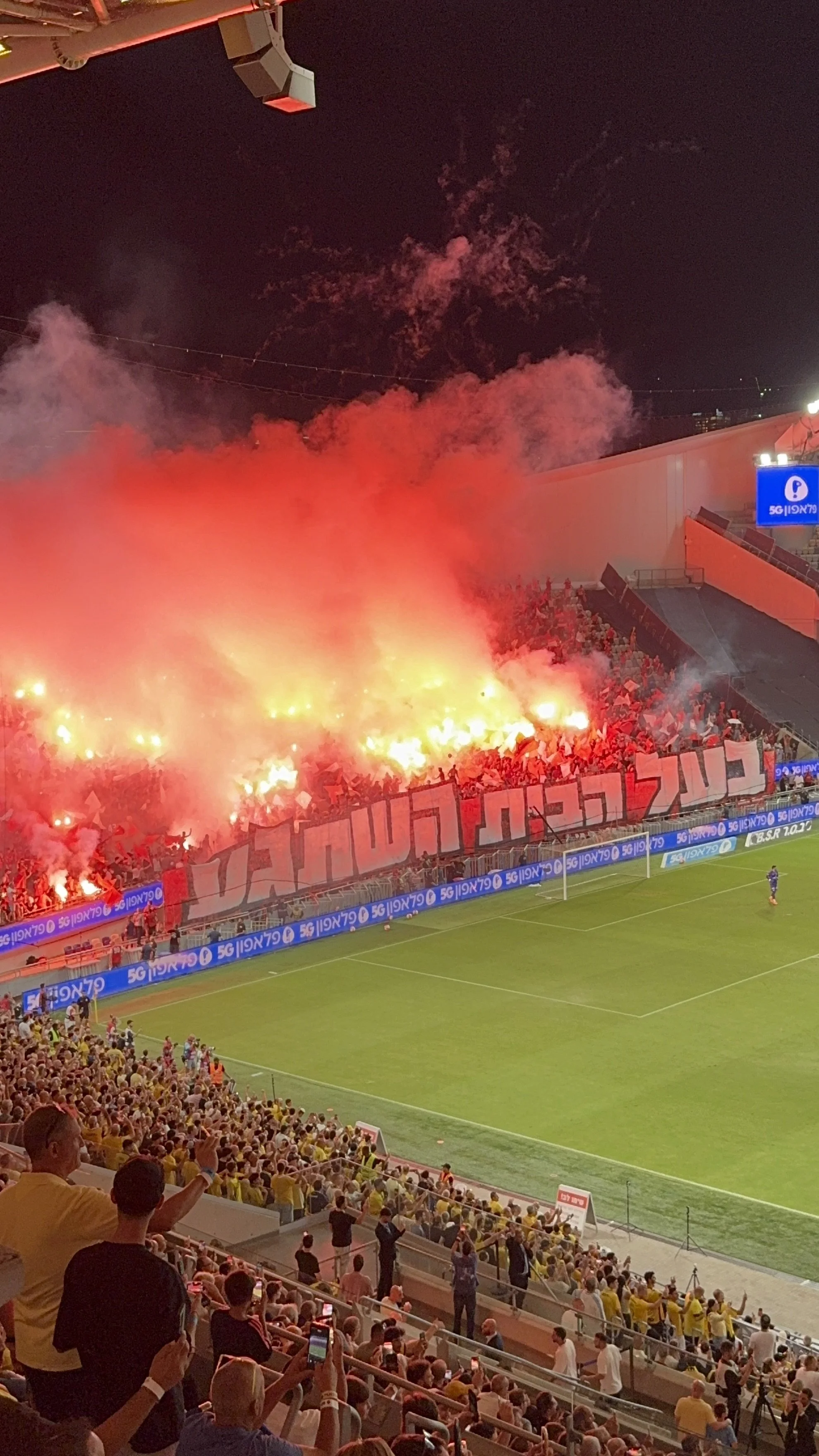
Maccabi Tel Aviv edge Hapoel Be'er Sheva 2–1 in a dramatic Israeli Cup Final at Teddy Stadium, denying the champions a historic Double.
With tensions easing, Iran’s 2026 World Cup participation remains uncertain, as FIFA, politics, and regional dynamics collide.
CAF shocks African football by stripping Senegal’s title and awarding Morocco the AFCON crown after a chaotic final decision.
From silent protests to daring escapes, Iran’s women footballers turned a tournament into a global story of courage, politics, and survival.
Iran’s women’s team protested, faced threats, and signaled SOS in Australia—now their fate is uncertain amid calls for asylum.
From geopolitics to spectacle, Trump looms over World Cup 2026—reshaping football, power, and culture in the biggest tournament ever.
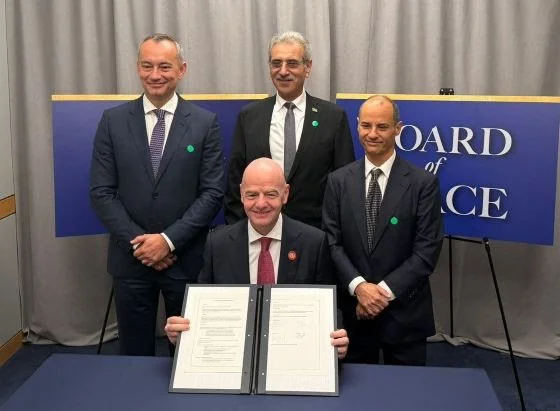
FIFA joins Gaza rebuilding plans, restoring stadiums, pitches, and youth programs, supporting football and hope in the Strip.
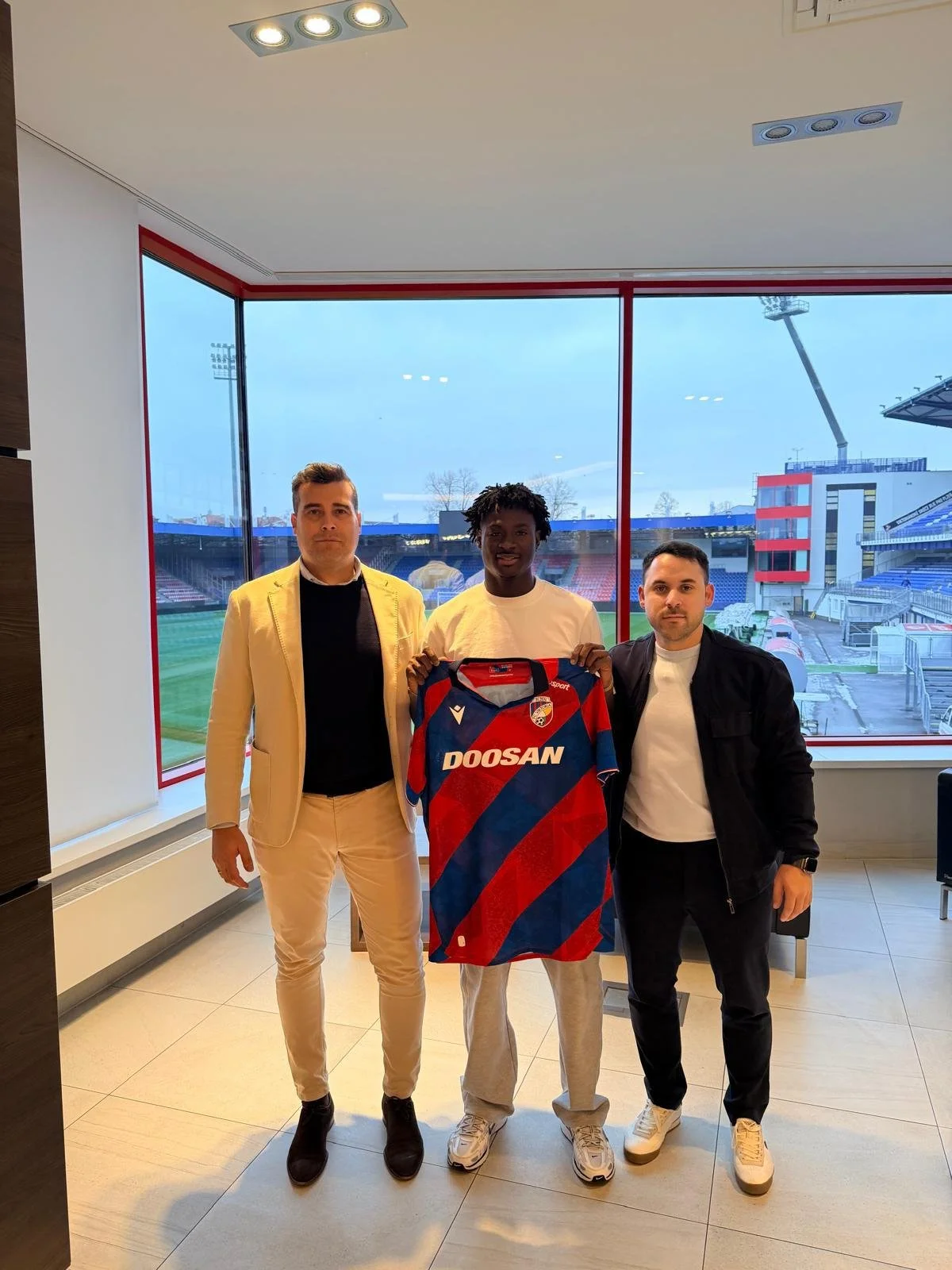
From Nigeria’s Mavlon academy to Viktoria Plzeň and the Europa League dream: Salim Fago’s journey is just beginning in Europe.
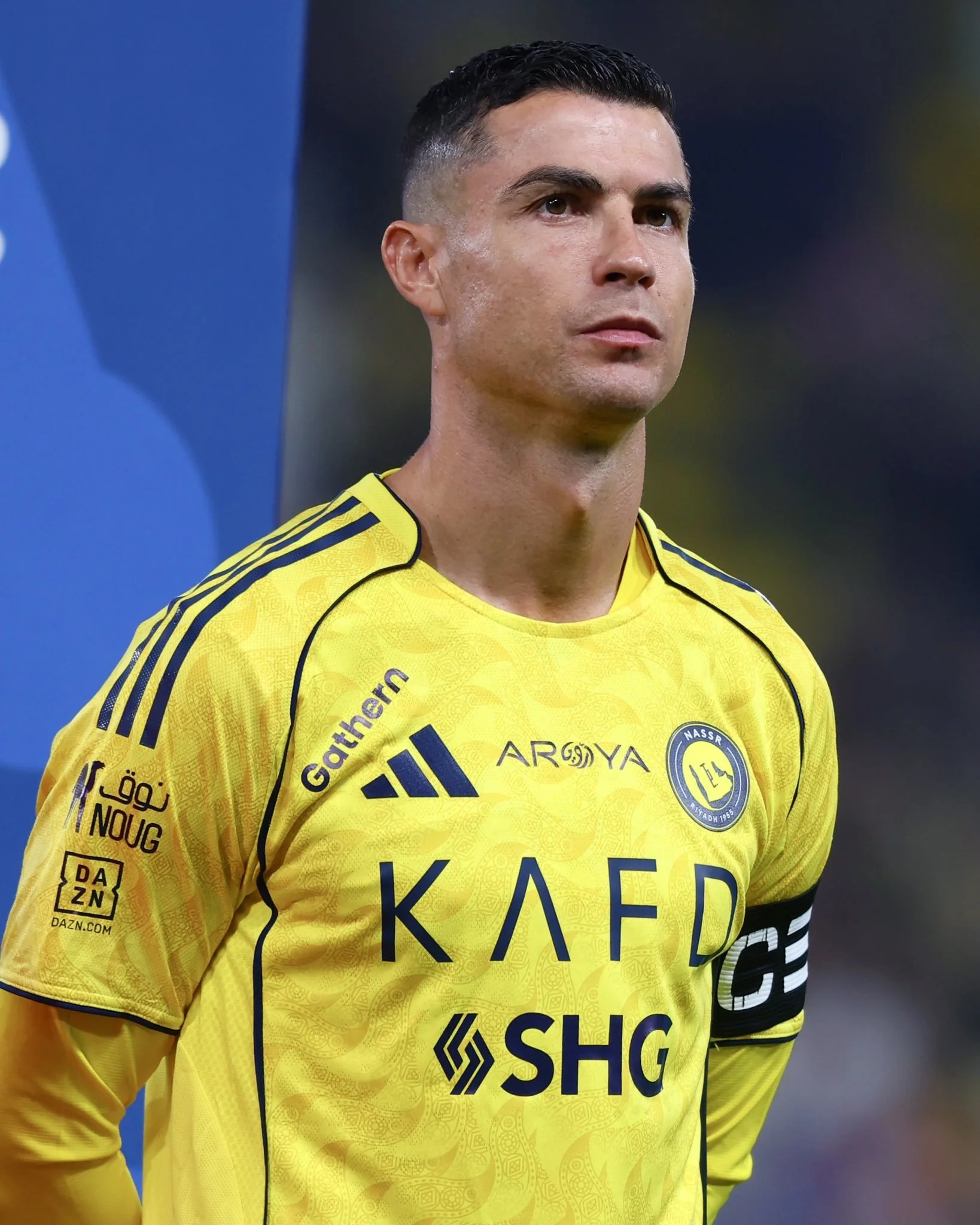
From Benzema’s shock move to Ronaldo’s protest, a chain reaction in Saudi football is shaking the entire project and the global game.
A Hitchcock-style AFCON final in Rabat saw chaos, controversy and brilliance as Senegal stunned Morocco to claim their second African title.
From libraries to stadiums, Morocco lives football. As AFCON 2025 nears its climax, passion, politics, and ambition collide nationwide.
From rain-soaked Rabat to a deafening semifinal night, Morocco edge Nigeria on penalties and stand 90 minutes from an AFCON title.
As protests spread across Iran, footballers are turning goals, silence and visibility into acts of resistance and solidarity with the people.
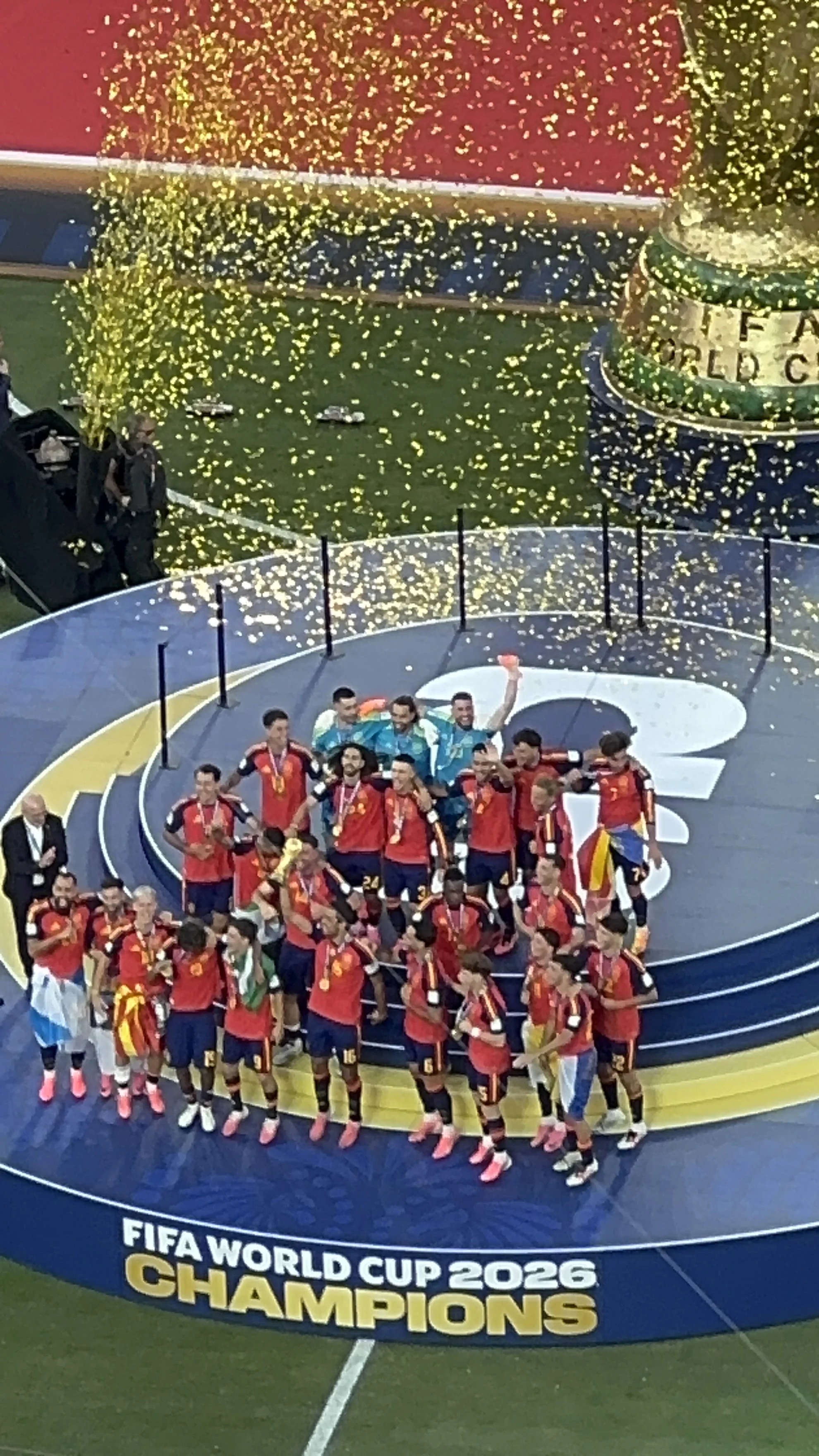
Spain defeated Argentina 1-0 in the 2026 World Cup Final, ending Lionel Messi's dream World Cup with heartbreak.
Thousands of Argentina fans transformed Times Square before the 2026 World Cup final, all united to thank Lionel Messi.
Spain were ruthless in Dallas as Oyarzabal and Dani Olmo starred, leaving France's Bastille Day to end in deep disappointment for Deschamps.
Norway outplayed England for most of a sweltering Miami classic, but two Bellingham strikes in extra time sent the Three Lions to the semis.
Ayoub Bouaddi chose Morocco over France at 18 and lit up a quarter-final about colonial history, dual identity, and what it means to belong.
Egypt pushed Argentina to the limit in a 3-2 World Cup thriller, but left the pitch furious at the referee and convinced justice was denied.
Merino's late goal gave Spain a 1-0 win over Portugal as Ronaldo left the World Cup stage in tears in what many believe was his final match.
Egypt beat Australia on penalties in Dallas to reach the last 16 for the first time, with Salah's Panenka the highlight of a historic night.
Diop headed Morocco level in the 91st minute and Saibari slotted the winner in the shootout as Morocco reached the World Cup quarter-finals.
Messi and the Jordanian Messi both scored as Argentina beat Jordan 3-1 in Arlington, with records broken and keffiyehs flying in the stands.
France beat Iraq 3-0 in Philadelphia, but the two-hour lightning delay stole the show, making it officially the longest World Cup game ever.
Saibari scored inside two minutes as Morocco beat Scotland 1-0 in Boston, leaving the Scots on the very brink of 2026 World Cup elimination.
Senegal relived their legendary 2002 magic for an hour, but Kylian Mbappe struck twice to sink them and seal France's 3-1 win in New Jersey.
Qatar stole a last-gasp draw from Switzerland and Morocco held Brazil 1-1 — two results that announced Arab football’s full arrival at 2026.
Azteca stadium hosts its third World Cup as Mexico City buzzes with pride, protest, and the deep belief that football has always lived here.
Crystal Palace beat Rayo Vallecano in Leipzig to win the Conference League in the most romantic underdog final in European football history.
Maccabi Tel Aviv edge Hapoel Be'er Sheva 2–1 in a dramatic Israeli Cup Final at Teddy Stadium, denying the champions a historic Double.
With tensions easing, Iran’s 2026 World Cup participation remains uncertain, as FIFA, politics, and regional dynamics collide.
CAF shocks African football by stripping Senegal’s title and awarding Morocco the AFCON crown after a chaotic final decision.
From silent protests to daring escapes, Iran’s women footballers turned a tournament into a global story of courage, politics, and survival.
Iran’s women’s team protested, faced threats, and signaled SOS in Australia—now their fate is uncertain amid calls for asylum.
From geopolitics to spectacle, Trump looms over World Cup 2026—reshaping football, power, and culture in the biggest tournament ever.
FIFA joins Gaza rebuilding plans, restoring stadiums, pitches, and youth programs, supporting football and hope in the Strip.
From Nigeria’s Mavlon academy to Viktoria Plzeň and the Europa League dream: Salim Fago’s journey is just beginning in Europe.
From Benzema’s shock move to Ronaldo’s protest, a chain reaction in Saudi football is shaking the entire project and the global game.
A Hitchcock-style AFCON final in Rabat saw chaos, controversy and brilliance as Senegal stunned Morocco to claim their second African title.
From libraries to stadiums, Morocco lives football. As AFCON 2025 nears its climax, passion, politics, and ambition collide nationwide.
From rain-soaked Rabat to a deafening semifinal night, Morocco edge Nigeria on penalties and stand 90 minutes from an AFCON title.
As protests spread across Iran, footballers are turning goals, silence and visibility into acts of resistance and solidarity with the people.


Spain defeated Argentina 1-0 in the 2026 World Cup Final, ending Lionel Messi's dream World Cup with heartbreak.