Israel concluded the first stage of the UEFA Nations League with huge disappointment, as the team failed to impress throughout the international window.
The Israeli side currently sits bottom of its group with just 2 points from four matches. They began their campaign with two defeats — 3-1 away to Austria and 3-0 against Ireland in Hungary — before improving slightly with two draws: 0-0 against Kosovo in Hungary and 1-1 against Ireland, played in Serbia.
Possible drop, but confidence in the coach
The Israeli national team's situation has grown more complicated following this run of results. One of the side's main goals was to secure one of the group's top two spots, which would confirm their place in Pot 2 for the Euro 2028 qualifying draw later this year. Finishing in the bottom two places would send them back to Pot 3, making their path to the tournament considerably harder.
The focus for the last two matches will be to avoid finishing last. If Israel fails to do so, they will have to play a relegation playoff in March 2027 — something they haven't faced since the competition's first edition in 2018-19.
Though the results have fallen short of expectations, FA officials have expressed confidence in manager Ran Ben Shimon, stating that his position remains stable for now. Still, poor results and weak performances in the final two matches could reopen the discussion about his future before the qualifying campaign begins.
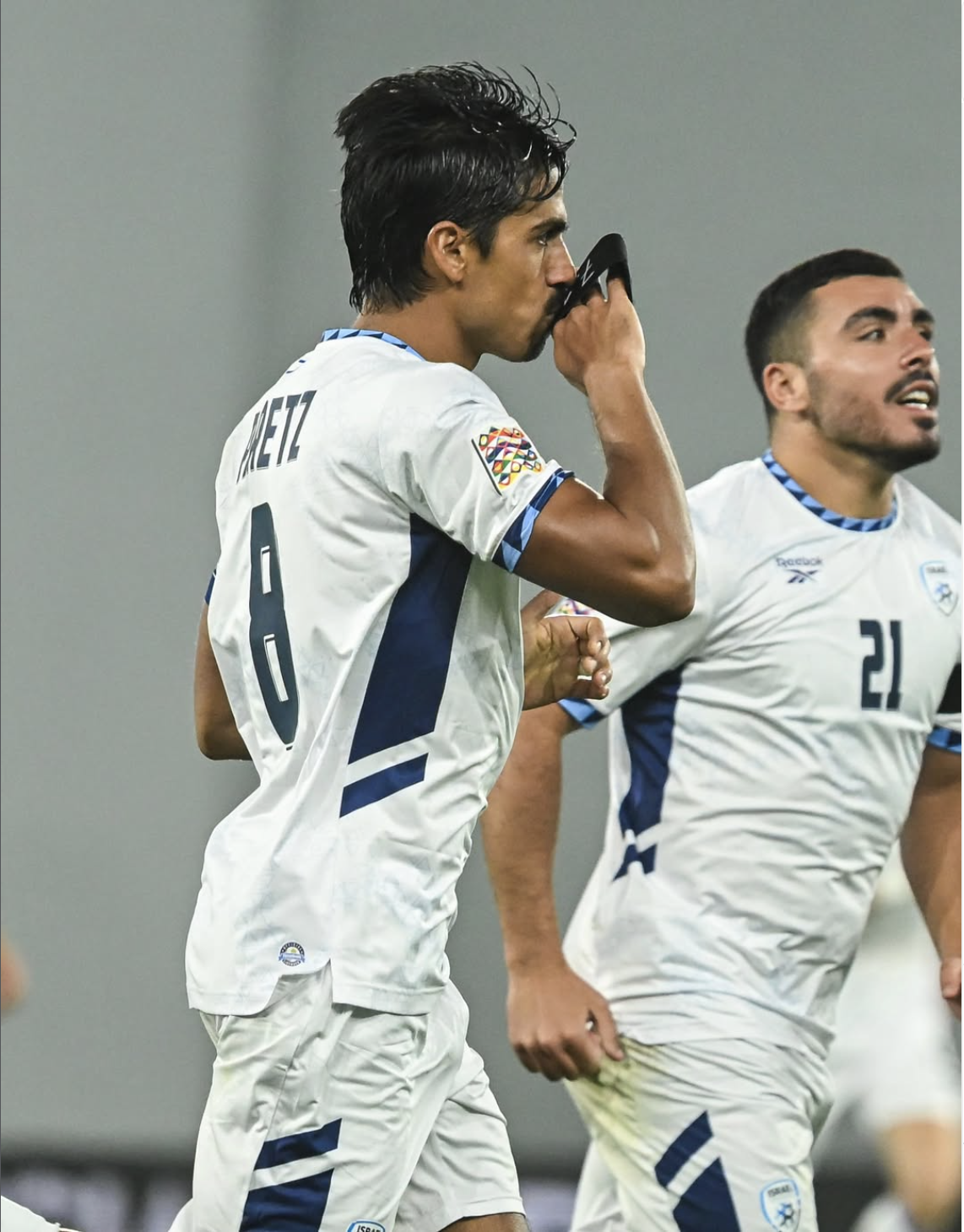
Dor Peretz kisses the “7.10” black armband Israel players wore against Ireland, after his equalizer in the return leg in Serbia. Israel had high expectations before the October international window. It ended in a heartbreak (Photo courtesy: The Israel Football Association)
Israel and Ireland's continuing clash
The main storyline of this break was the pair of matches between Israel and Ireland. After months of headlines, both teams were forced to face each other away from home: Israel played in Debrecen, their host city for this campaign, while Ireland made the controversial decision to move their home fixture to Bačka Topola, Serbia.
The drama began the day before the first match. Ireland's squad held extensive discussions over whether to protest or boycott the fixture. According to Irish reports, a vote was held beforehand, and the majority of the squad opted to play as usual. The only player to speak out publicly was third-choice goalkeeper Gavin Bazunu, who said playing against Israel went "against his principles."
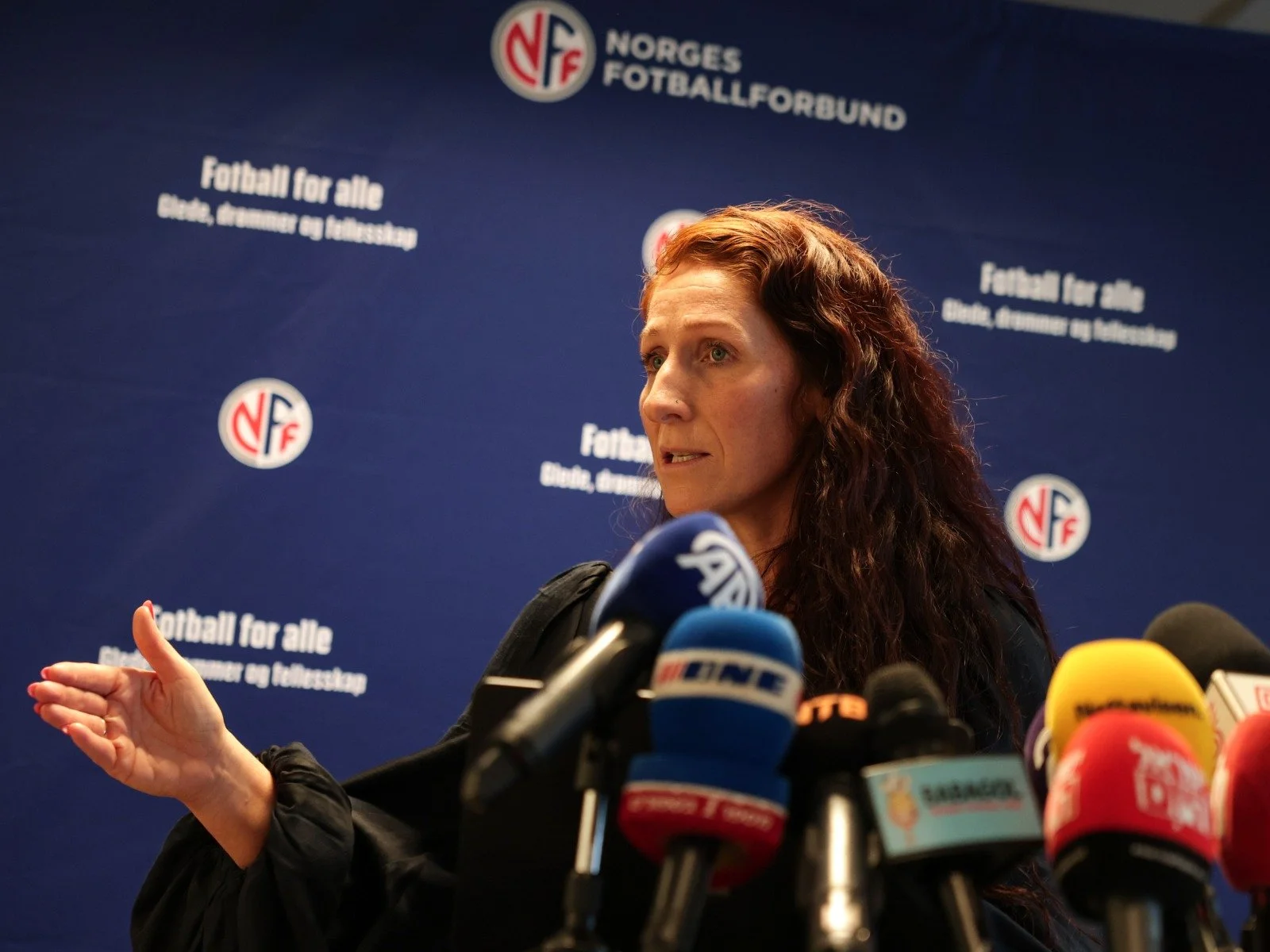
The lengthy Irish team discussions delayed the pre-match press conference, adding further tension. Ireland manager Heimir Hallgrímsson was challenged over his comments before the match, and a similar scene unfolded at the Israeli press conference, where Ben Shimon and vice-captain Dor Peretz were pressed on the current situation in the Middle East.
The first match itself was one-sided, with Israel failing to impress. The Israeli defence endured a nightmare evening as Ireland raced into the lead. Troy Parrott, Adam Idah and Jack Moylan scored three goals inside 12 minutes, and the scoreline stayed at a comfortable 3-0 through to the final whistle.
The match was also marked by protest and controversy. During the Israeli anthem, the Irish starting XI lowered their heads while substitutes and staff turned their backs. At the coin toss, Irish captain Dara O'Shea refused to shake hands with his Israeli counterpart. Ireland's players also wore black armbands in memory of those killed in Gaza, and Moylan, the match's third goalscorer, celebrated by waving his armband in front of the Israeli supporters.
These incidents, together with allegations of racist behaviour made by Israeli players against their Irish opponents, dominated the build-up to the second match in Serbia. Ireland's press conference was abandoned after the manager declined to address the Israeli allegations, while Israel's press conference instead focused on chants from their own fans aimed at the Irish team, including chants in support of the IDF.
Allegations continued from both sides through the match itself, with Irish players and staff this time also claiming they had faced provocation. Israel again wore black armbands, this time to mark three years since the October 7th massacre.
Provocations aside, the second meeting was a far more balanced affair. Ireland took the lead in the 43rd minute when Troy Parrott converted a penalty won after a challenge by Dor Peretz. Peretz equalised in the 47th minute, celebrating by showing his black armband — just as Moylan had done in the first match.
Politics in the background
These two matches underlined the complicated position Israeli football has occupied over the past three years. During the break, two of Hapoel Be'er Sheva's upcoming Europa League opponents made their own announcements: AZ Alkmaar confirmed it would not allow away fans to travel to the Netherlands, while Union Saint-Gilloise opted to play its home fixture in Germany behind closed doors.
On the Irish side, journalists have called for Israel to be suspended from competition, and protests took place in Ireland ahead of the home game against Austria. Others took a more measured view, expressing hope that UEFA might treat fixtures between Israeli and Irish sides as prohibited — in the way matches between Serbia and Kosovo are. It's worth noting, however, that such a decision may be unworkable, since the two countries still maintain diplomatic relations.
In the next international window, Israel will look to leave the political controversy behind and focus on football. Given their current position, avoiding relegation to League C and holding onto their place in the tier they've occupied in recent years could prove crucial to their future.









Israel's national team finished bottom of its Nations League group, as politically charged clashes versus Ireland overshadowed the campaign.