
New York-New Jersey — Saturday was the day Arab football announced itself at the 2026 World Cup — loudly, proudly, and in style.
First came Qatar. Until Saturday, the Qataris held the unhappy distinction of being the worst-ever World Cup hosts on the pitch, having failed to win a single game on home soil in 2022. That shadow had hung over years of enormous investment in the sport, investment designed as much to rehabilitate Qatar’s global image as to build a genuine footballing culture.
Their opening assignment at the 2026 World Cup was Switzerland — the strongest side in their group, ahead of Canada and Bosnia. Few gave them any hope. But Julien Lopetegui’s side had other ideas. A penalty converted by Breel Embolo in the 17th minute put the Swiss ahead, and the script seemed to be writing itself. It didn’t.
Qatar absorbed the pressure, stayed competitive, and were rewarded in the 95th minute when veteran Boulam Khoukhi — Algerian-born, Qatari by naturalisation — met a precise delivery from defender Homam Al-Amin and headed home the equaliser. Qatar’s first-ever World Cup point. For the Qatari footballing project, and for the wider Arab football world, it felt as significant as a win.
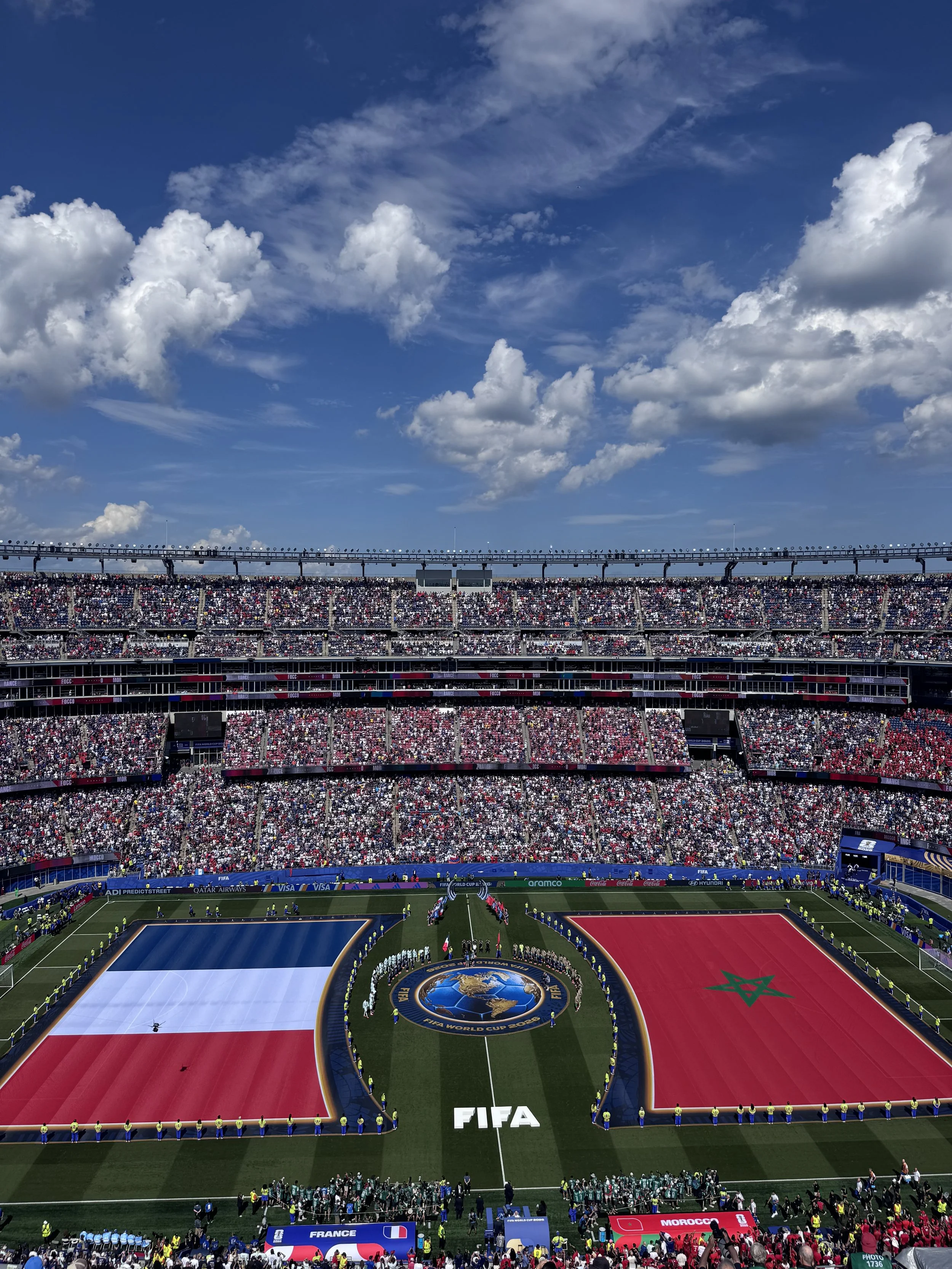
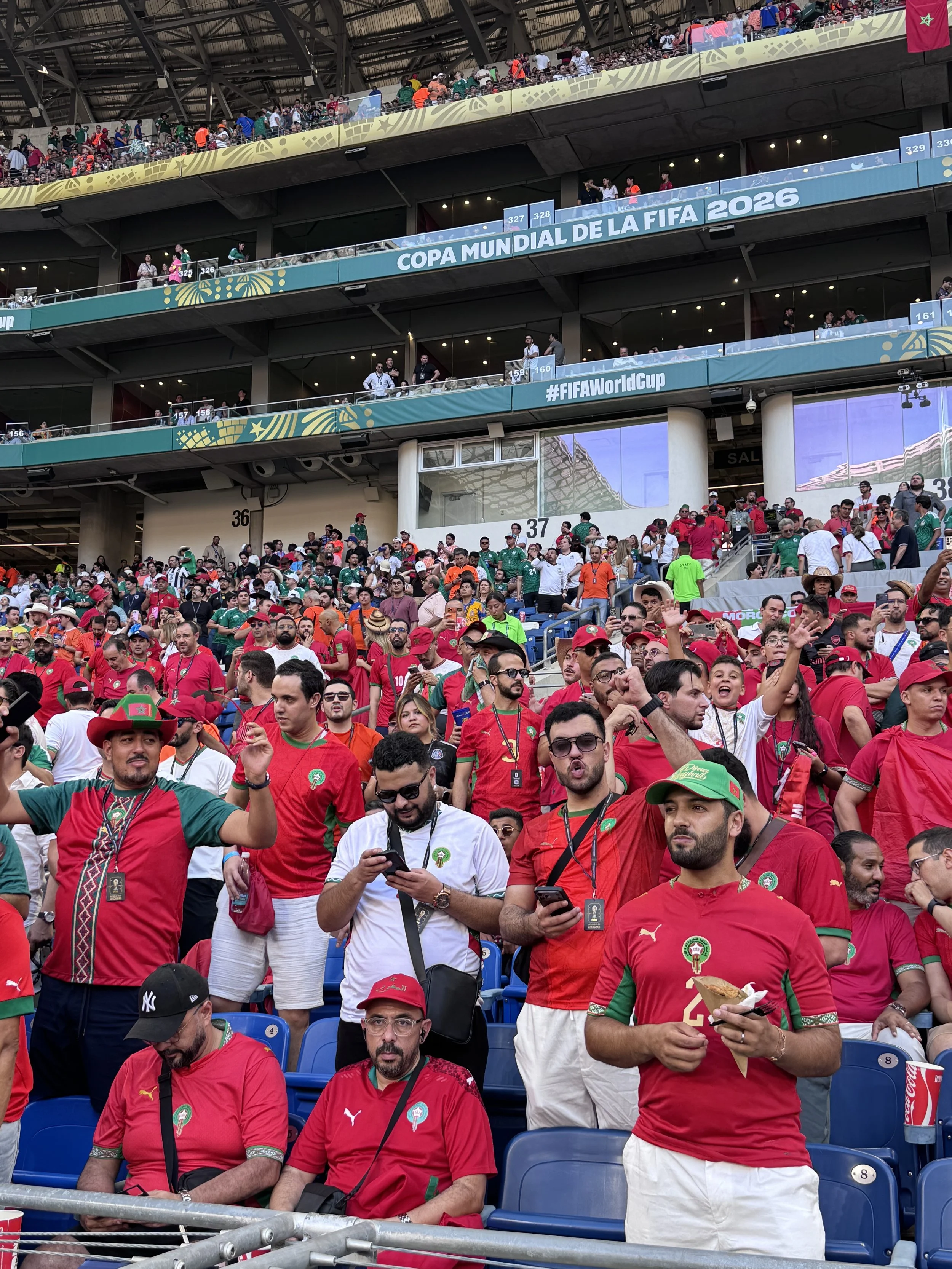
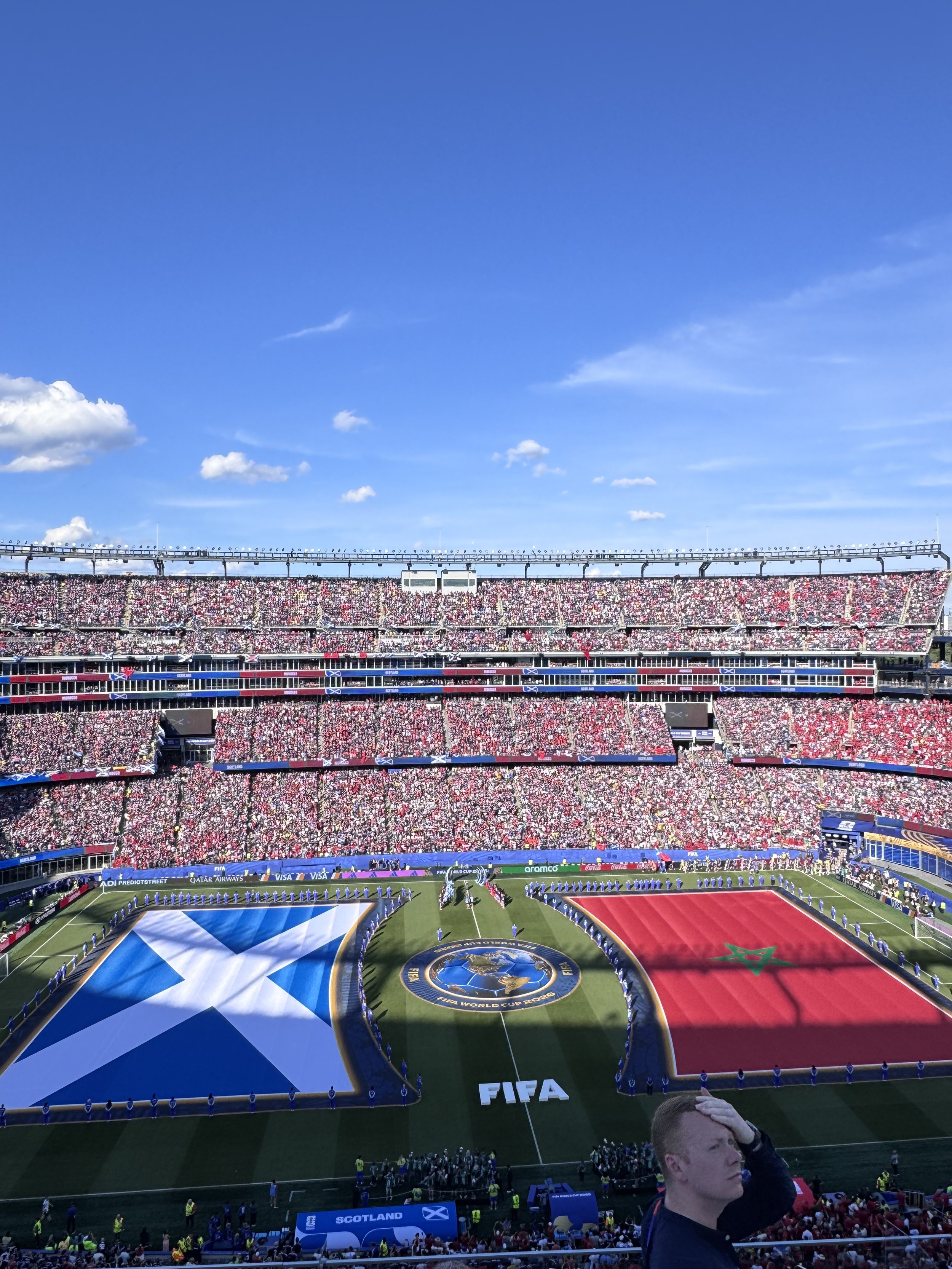
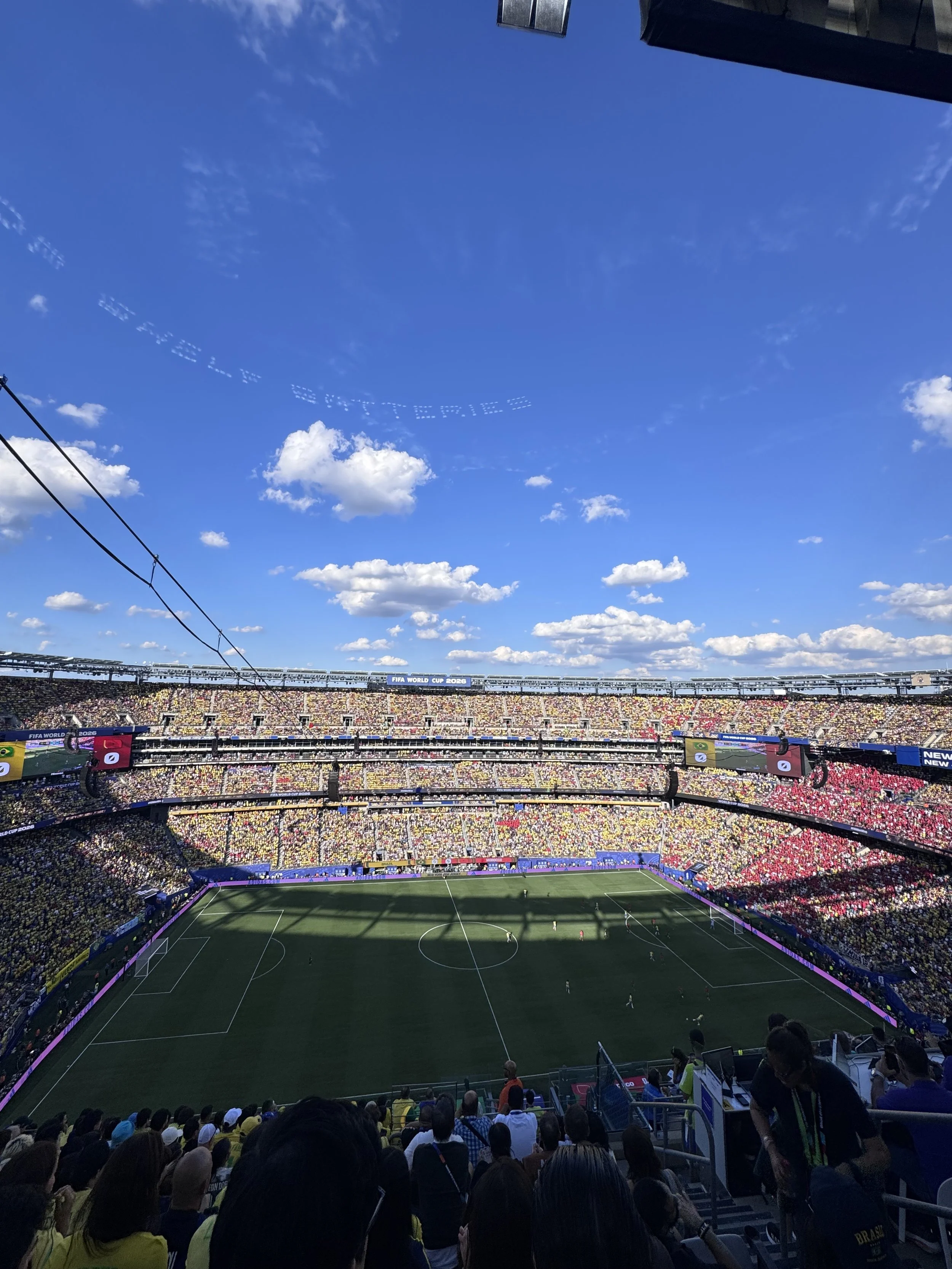
Then came Morocco. With all due respect to the various hosts’ opening fixtures, Morocco vs Brazil at MetLife Stadium in New Jersey was the first truly great match of this World Cup.
85,000 people — the vast majority of them Brazilian — packed the arena expecting a samba show from Carlo Ancelotti’s side, from Vinícius Júnior, Raphainha, and company. What they got was a very different spectacle. Morocco, despite having moved on from the golden generation of Hakim Ziyech, Youssef En-Nesyri and Romain Saïss, showed immediately that they have no intention of letting the 2022 magic fade. That tournament saw them reach the semi-finals and finish fourth. This feels like the continuation of something, not the end of it.
In the first thirty minutes, the roles felt reversed. Morocco played like the Brazilians used to — total midfield control, attacking full-backs bombing forward, the kind of football that makes you lean forward in your seat. Achraf Hakimi on the right, Noussair Mazraoui on the left, and above all 18-year-old Ayoub Bouaddi simply terrorised the Brazilians. Bouaddi’s story is one of the tournament’s most compelling: a product of French youth football who, after being overlooked by Didier Deschamps for the senior squad, chose to represent Morocco instead. He’s also a mathematics student. Already, clubs including Arsenal are reportedly keeping a close eye on him.
In the 21st minute, the performance got its reward. Bouaddi won the ball in midfield, Brahim Díaz of Real Madrid released a sublime pass, and Ismaël Saibari finished with a composure and flair that would have made any Brazilian proud — lifting the ball over Alisson to silence the stands.
Brazil, stung, responded. Bruno Guimarães found Vinícius Júnior in the 31st minute, and the forward did what only he can do — cutting inside from the left with lethal efficiency to equalise.
The half ended 1-1, but the message had been sent. Morocco under Mohammed Wahabi — the Belgian-Moroccan coach who previously won the Under-17 World Cup with this same generation — are younger, fresher and more dynamic than under Walid Regragui. “We have a young squad, and we will only get better,” Wahabi told reporters in the mixed zone after the match. “There is a lot to learn from this game, but we are in good shape.”
The second half was more balanced. Morocco couldn’t sustain the same ferocious intensity, and the Brazilians had chances, though not the performance their supporters had hoped for. In ten minutes of stoppage time, Nayef Aguerd’s last-gasp effort was kept out by a fine Alisson save.
1-1 at full time. Two Arab nations, two 1-1 draws, and one statement of intent to the rest of the tournament.





For the first time since Oct. 7, 2023, Palestinian club football returns this weekend as 226 teams compete across three war-scarred regions.