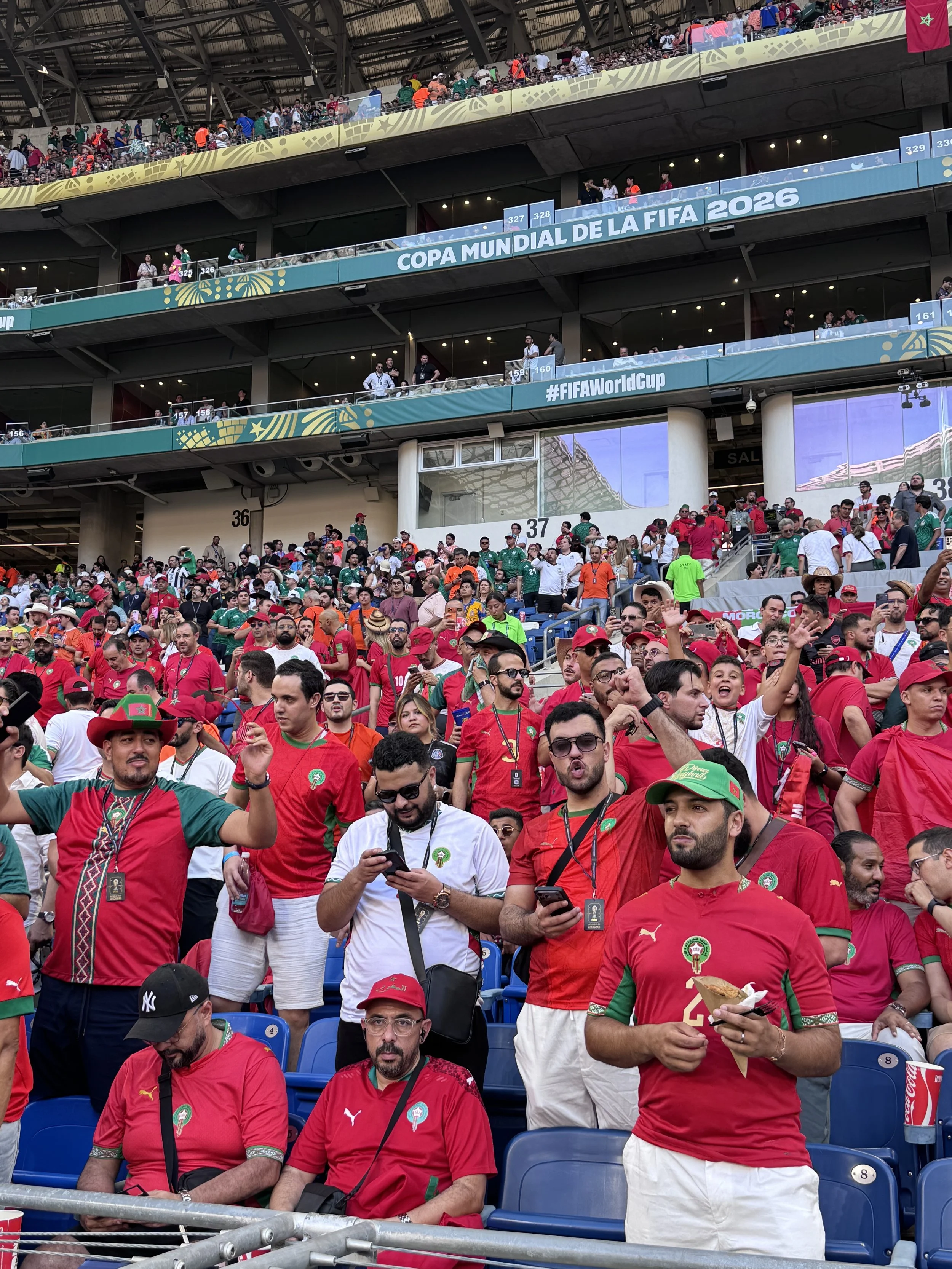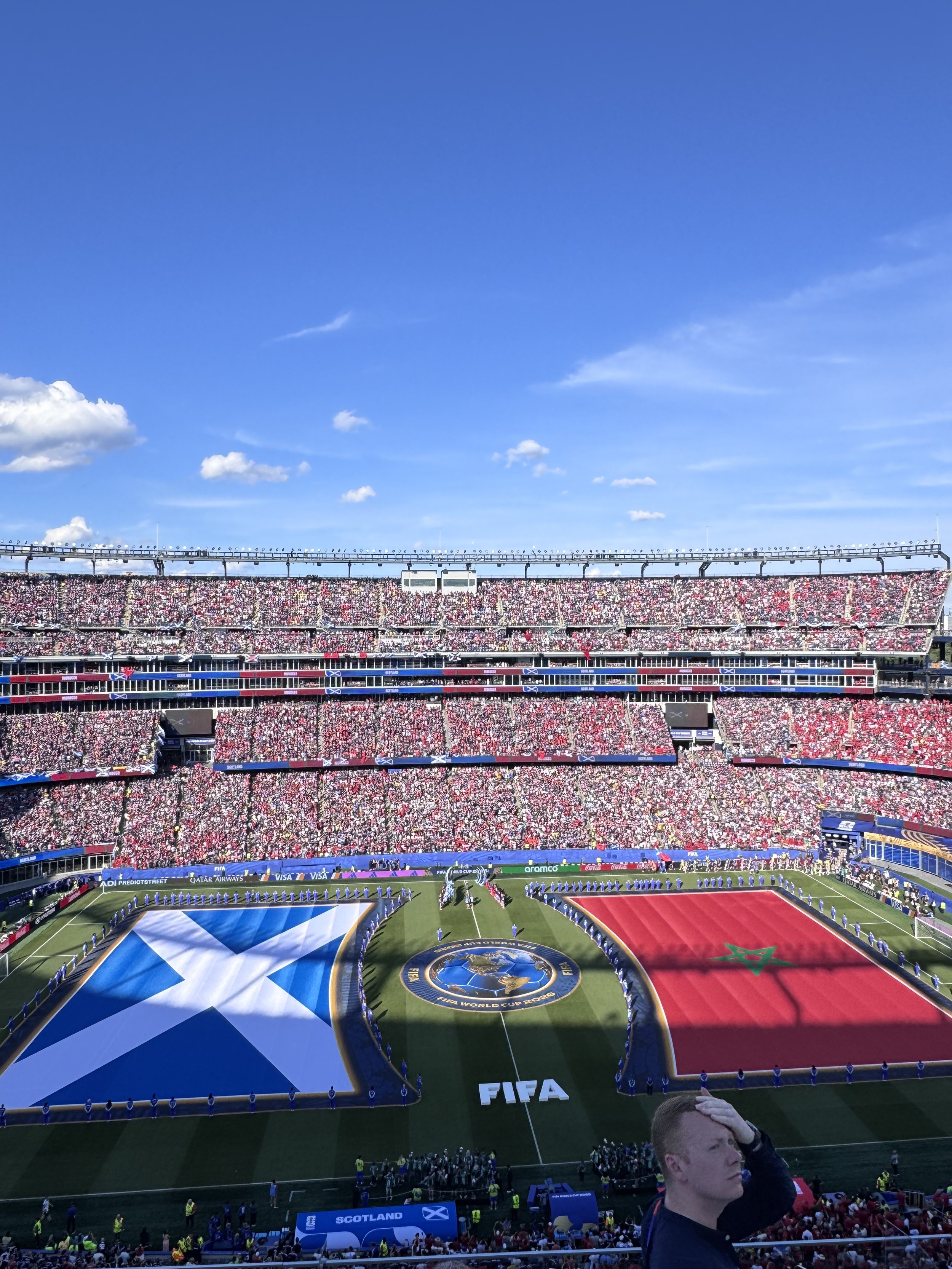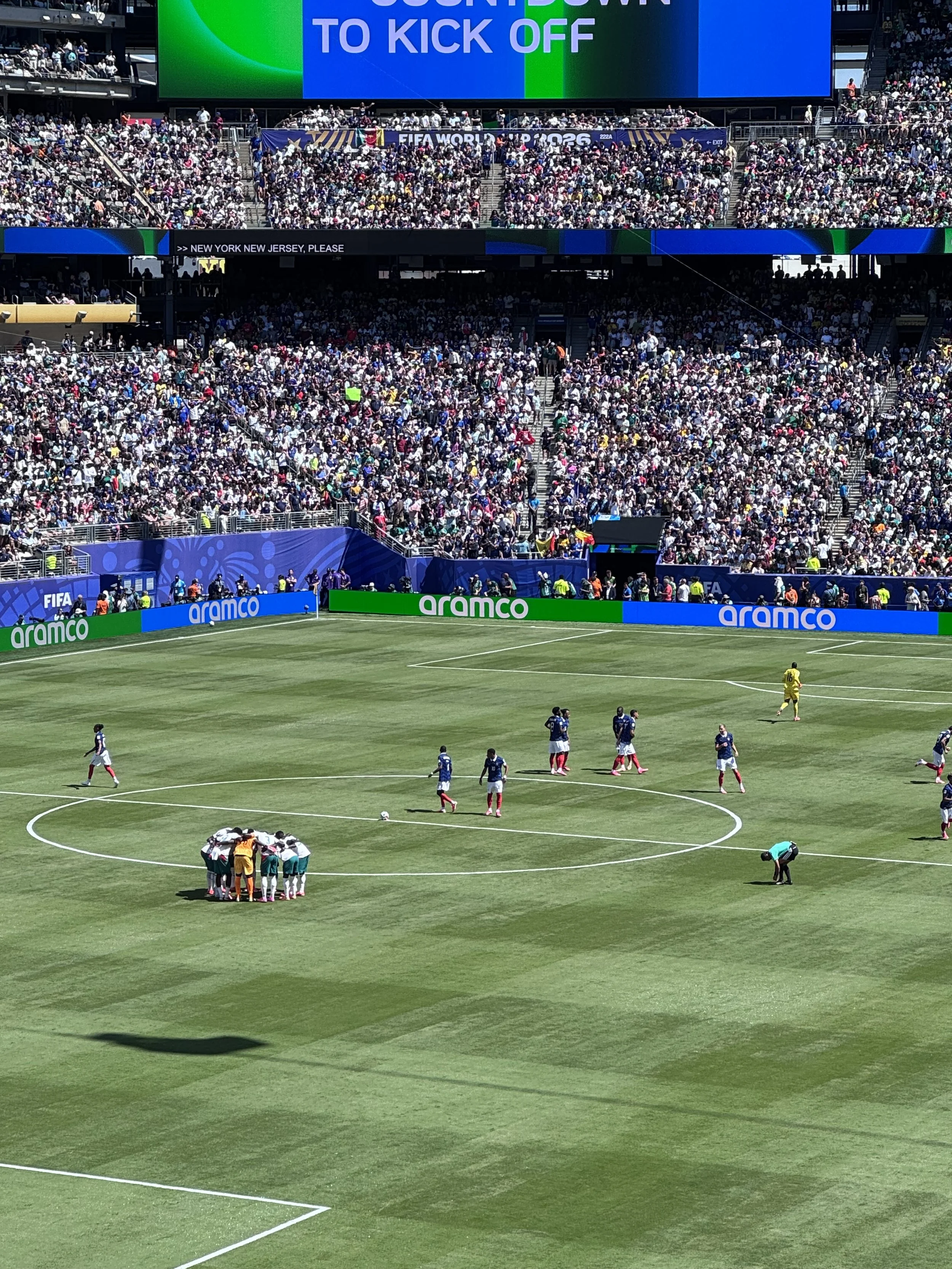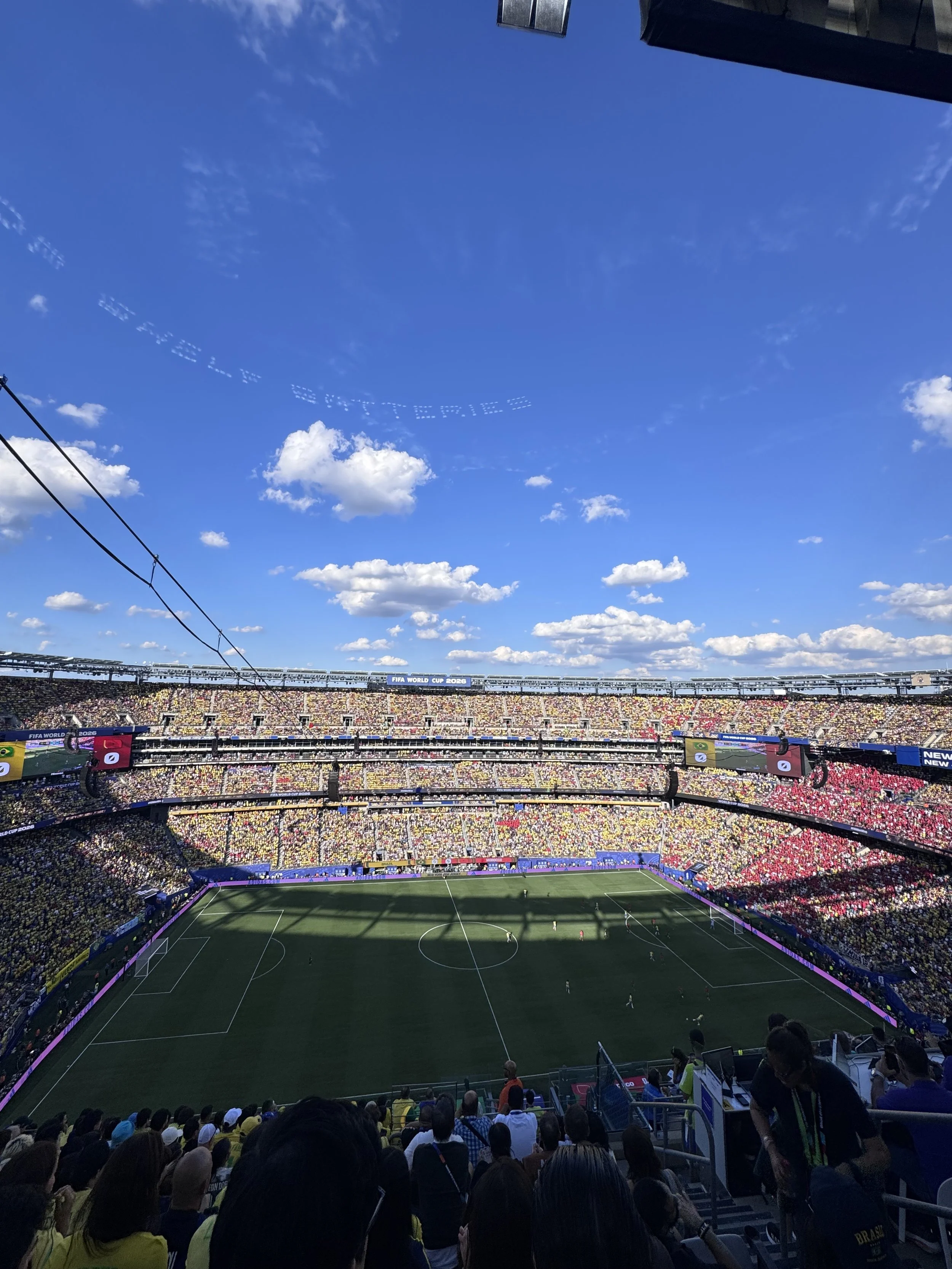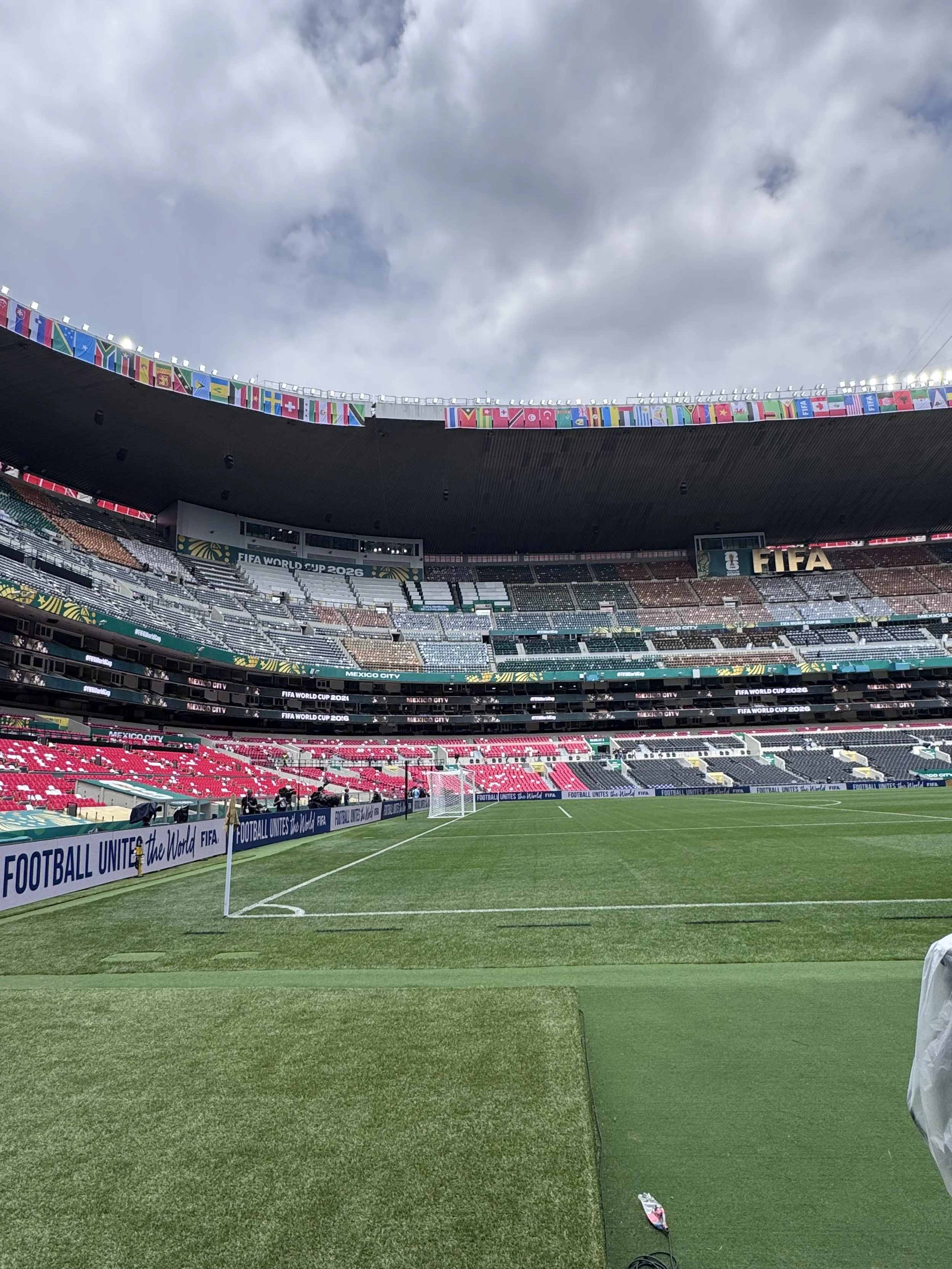
Monterrey — "There's no reason we can't go all the way to the quarter-finals or the semis," Soufiane, a Morocco supporter, told BabaGol just minutes after the dramatic penalty shootout victory over the Netherlands on Sunday evening.
Monterrey — the city that sits in the shadow of the famous Cerro de la Silla mountain — hosted the last-16 tie between Morocco and the Netherlands in what was an extreme football occasion, carrying almost the intensity of a derby.
In the days leading up to the match, fans from both camps flooded into the city. The Moroccans arrived in impressive numbers, while the Dutch painted the city centre and fan zone bright orange the day before kick-off. The local Mexican public was also fully engaged — many of them backing Morocco, in no small part to avenge the Netherlands' elimination of Mexico in the last 16 of the 2014 World Cup: a match settled by a controversial penalty awarded for a foul on Arjen Robben, in a game Mexico had largely dominated. That moment is inscribed in Mexican football memory with one defiant phrase: no era penal — "it wasn't a penalty." Fascinatingly, that game had taken place exactly twelve years earlier, on 29 June 2014. Nobody in Monterrey that evening could have known how profoundly those words would echo inside the stadium by the time the night was done.
This was not the first World Cup meeting between these two sides. At USA '94, Dennis Bergkamp inspired a 2-1 Dutch victory. But a great deal has changed since then. The balance of power looks very different today.
Morocco have invested enormous resources in developing football across the country — through the Mohammed VI Royal Football Academy, and through an aggressive and systematic pursuit of talented players from Moroccan communities established across Europe. The Moroccan diaspora, which arrived largely in the 1960s and 70s as a workforce that helped rebuild postwar Europe, has become a breeding ground for elite football talent. Several players in this Morocco squad have Dutch roots. Noussair Mazraoui, Sofyan Amrabat and Anas Salaheddin were all born in the Netherlands and developed through Dutch football. And then there is Ismael Saibari — born in Spain but shaped by Dutch football — who was PSV Eindhoven's standout performer last season and who, after a tournament that began with an explosive hat-trick of goal contributions, has reportedly agreed a move to Bayern Munich once the competition is over.
The match itself was largely Moroccan in its control. Only in the opening minutes and at the start of the second half did the Netherlands show any real attacking spark. Periodically, the Mexican crowd broke into chants of "no era penal", with the Moroccan supporters quickly joining in.
But then, against the run of play, the deadlock was finally broken — and from the orange side. In the 72nd minute, Cody Gakpo — who not long ago suffered the devastating loss of an unborn child with his partner — connected with a ball that broke to him in the box and fired the Netherlands ahead. His teammates, including those on the bench, all surrounded him in a deeply emotional scene.
For a moment, it seemed as though Morocco might unravel, unable to overcome the history and complexity of their relationship with this Dutch side.
But in the 91st minute came a dramatic Moroccan equaliser. A superb long ball from Chamseddine Talbi dropped perfectly for Issa Diop — half-Moroccan, half-Senegalese, a player who had previously represented France at youth level — who rose to head Morocco level. The Estadio BBVA shook. 1-1, and extra time.
In many respects, justice had been served. Morocco had simply been the better team.
Extra time was largely Moroccan in character too. In the 113th minute, Gakpo suffered an injury and was substituted. As he took his time leaving the field, Mazraoui — who has been outstanding throughout this tournament — approached him to hurry things along. The two exchanged words in Dutch, a telling reminder of how blurred the lines of identity can be in modern football.
The match went to penalties, and what followed was a shootout unlike most — tense, nervy, and deeply dramatic.
Martens de Roon missed. Then Justin Klaassen. It seemed the Netherlands were on their way home.
The shootout had actually begun with a miss from Morocco's Nayef Aguerd, and the Dutch had reason to believe. But soon enough, they began to miss too — carving out that familiar hole they so often dig for themselves when it comes to penalty shootouts at major tournaments.
After two misses apiece — including from Achraf Hakimi for Morocco and Klaassen for the Netherlands — Saibari stepped up. He sent his penalty straight into the net, and that was the signal for enormous celebrations among the Moroccan and Mexican supporters both inside and outside the stadium. "No era penal!" bellowed the crowd — now repurposed into a gleeful paraphrase: "there were no penalties," because the Netherlands never truly mastered the art of taking them. Many shouted those words with tears in their eyes.
The Dutch, for their part, looked poor throughout. They never functioned as a collective and were nullified by Morocco's young, disciplined defensive structure. With the exception of Wout Weghorst, who came off the bench and battled and pressed, very few Dutch players made a meaningful impact on the match. It ended with misses from Quincy Promes and Hakimi.
The 2026 World Cup is a wild, surprising, endlessly dramatic tournament — full of late goals, shocking upsets and heavyweight exits as early as the last 16. And in that spirit, Morocco — on a night when their key players, Brahim Díaz chief among them, were below their best — sent yet another signal to the rest of the field: we are here to go further than a semi-final. Further than we have ever been before.
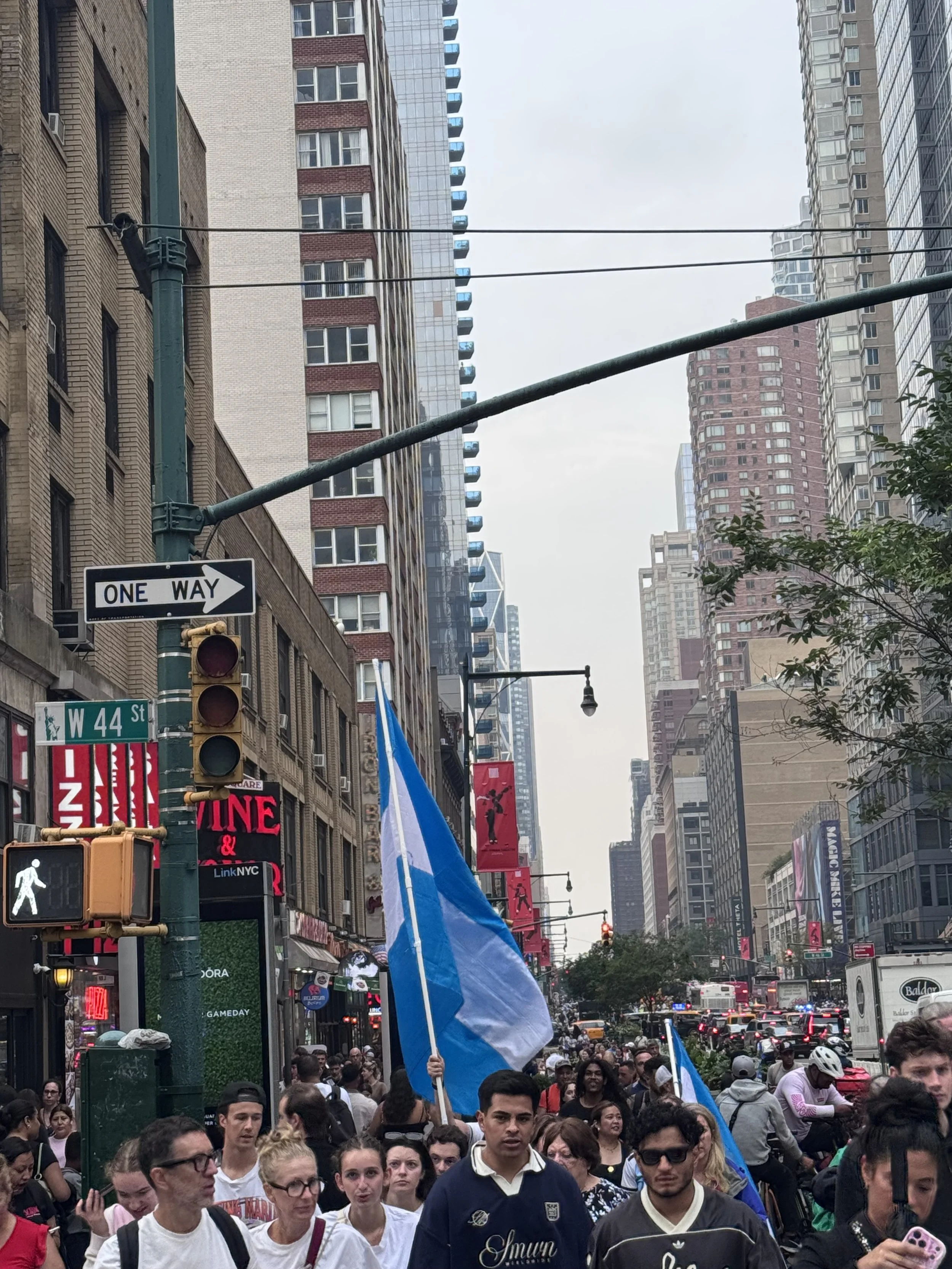
Thousands of Argentina fans transformed Times Square before the 2026 World Cup final, all united to thank Lionel Messi.
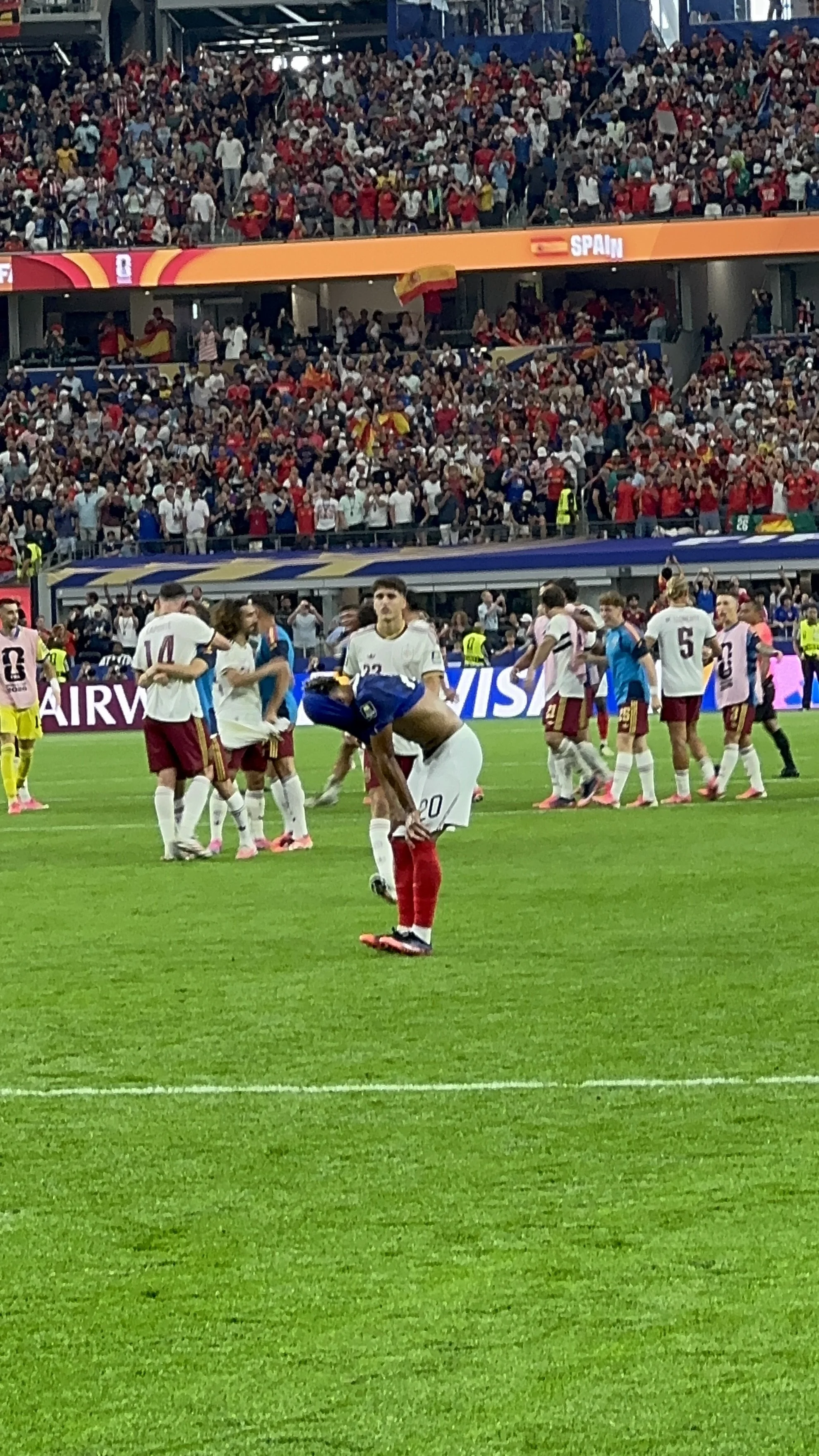
Spain were ruthless in Dallas as Oyarzabal and Dani Olmo starred, leaving France's Bastille Day to end in deep disappointment for Deschamps.
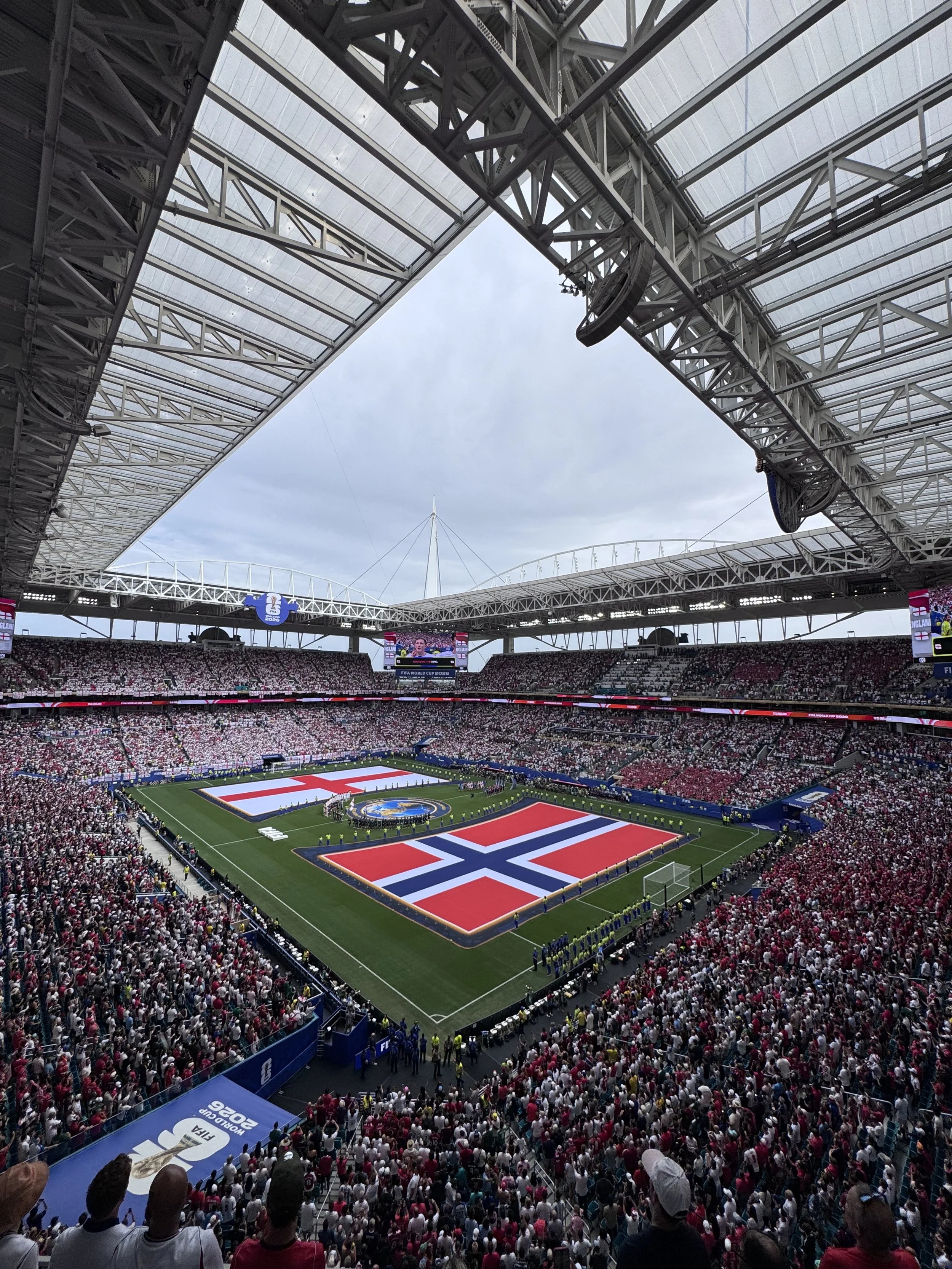
Norway outplayed England for most of a sweltering Miami classic, but two Bellingham strikes in extra time sent the Three Lions to the semis.
Ayoub Bouaddi chose Morocco over France at 18 and lit up a quarter-final about colonial history, dual identity, and what it means to belong.
Egypt pushed Argentina to the limit in a 3-2 World Cup thriller, but left the pitch furious at the referee and convinced justice was denied.
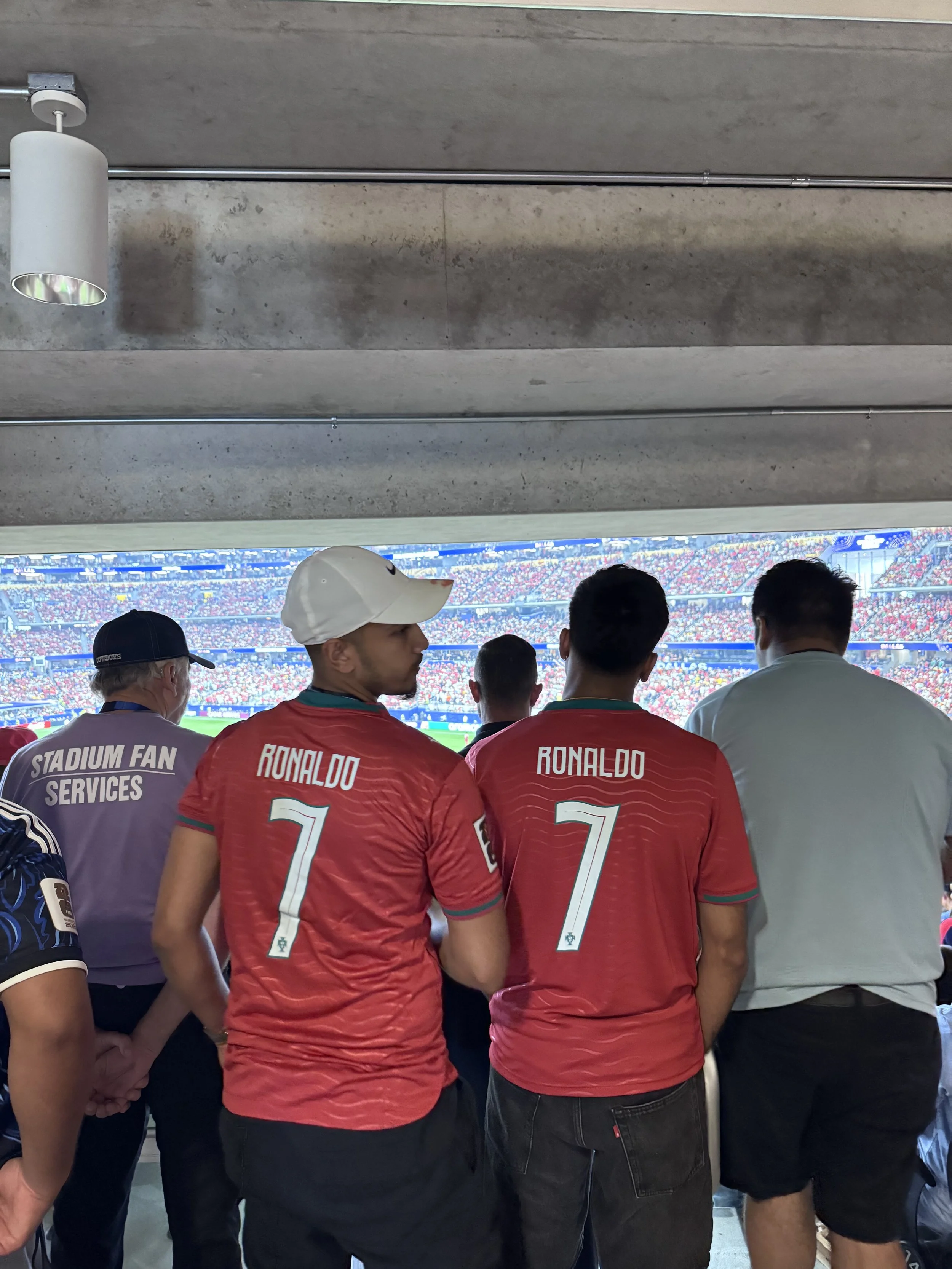
Merino's late goal gave Spain a 1-0 win over Portugal as Ronaldo left the World Cup stage in tears in what many believe was his final match.
Egypt beat Australia on penalties in Dallas to reach the last 16 for the first time, with Salah's Panenka the highlight of a historic night.
Diop headed Morocco level in the 91st minute and Saibari slotted the winner in the shootout as Morocco reached the World Cup quarter-finals.
Messi and the Jordanian Messi both scored as Argentina beat Jordan 3-1 in Arlington, with records broken and keffiyehs flying in the stands.
France beat Iraq 3-0 in Philadelphia, but the two-hour lightning delay stole the show, making it officially the longest World Cup game ever.
Saibari scored inside two minutes as Morocco beat Scotland 1-0 in Boston, leaving the Scots on the very brink of 2026 World Cup elimination.
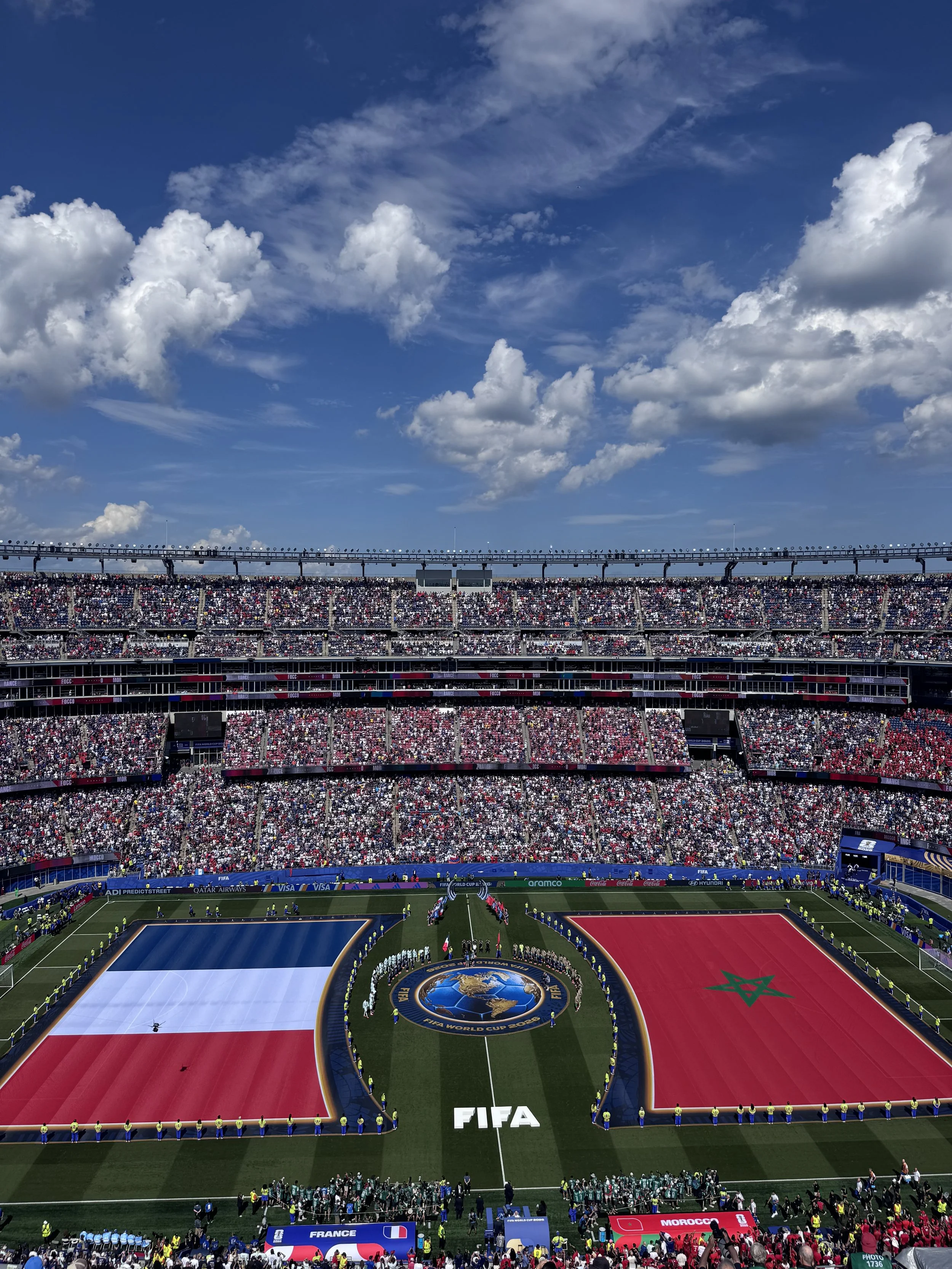
Senegal relived their legendary 2002 magic for an hour, but Kylian Mbappe struck twice to sink them and seal France's 3-1 win in New Jersey.
Qatar stole a last-gasp draw from Switzerland and Morocco held Brazil 1-1 — two results that announced Arab football’s full arrival at 2026.
Azteca stadium hosts its third World Cup as Mexico City buzzes with pride, protest, and the deep belief that football has always lived here.
Crystal Palace beat Rayo Vallecano in Leipzig to win the Conference League in the most romantic underdog final in European football history.
Maccabi Tel Aviv edge Hapoel Be'er Sheva 2–1 in a dramatic Israeli Cup Final at Teddy Stadium, denying the champions a historic Double.
With tensions easing, Iran’s 2026 World Cup participation remains uncertain, as FIFA, politics, and regional dynamics collide.
CAF shocks African football by stripping Senegal’s title and awarding Morocco the AFCON crown after a chaotic final decision.
From silent protests to daring escapes, Iran’s women footballers turned a tournament into a global story of courage, politics, and survival.
Iran’s women’s team protested, faced threats, and signaled SOS in Australia—now their fate is uncertain amid calls for asylum.
From geopolitics to spectacle, Trump looms over World Cup 2026—reshaping football, power, and culture in the biggest tournament ever.
FIFA joins Gaza rebuilding plans, restoring stadiums, pitches, and youth programs, supporting football and hope in the Strip.
From Nigeria’s Mavlon academy to Viktoria Plzeň and the Europa League dream: Salim Fago’s journey is just beginning in Europe.
From Benzema’s shock move to Ronaldo’s protest, a chain reaction in Saudi football is shaking the entire project and the global game.
A Hitchcock-style AFCON final in Rabat saw chaos, controversy and brilliance as Senegal stunned Morocco to claim their second African title.
From libraries to stadiums, Morocco lives football. As AFCON 2025 nears its climax, passion, politics, and ambition collide nationwide.
From rain-soaked Rabat to a deafening semifinal night, Morocco edge Nigeria on penalties and stand 90 minutes from an AFCON title.
As protests spread across Iran, footballers are turning goals, silence and visibility into acts of resistance and solidarity with the people.
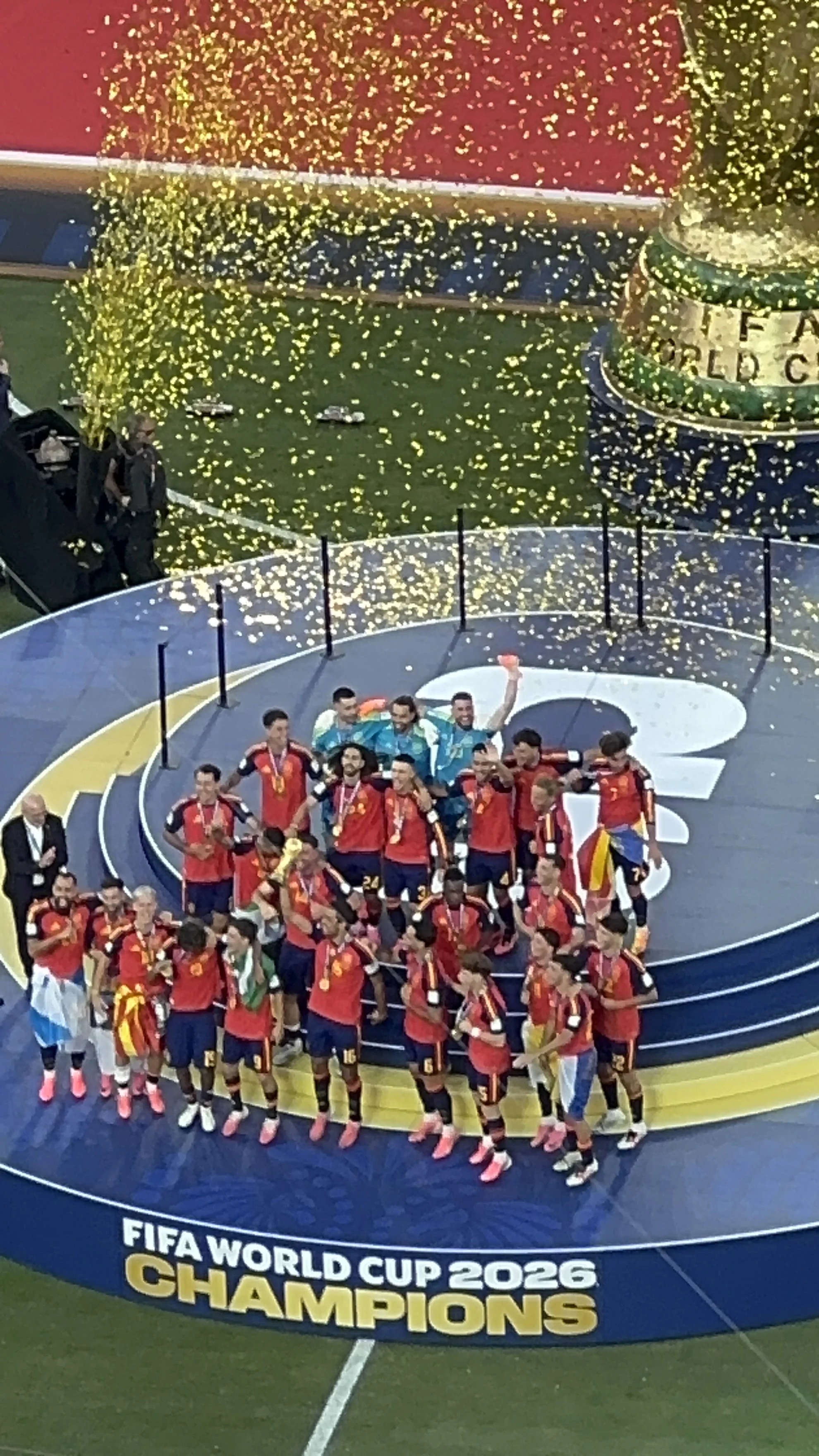
Spain defeated Argentina 1-0 in the 2026 World Cup Final, ending Lionel Messi's dream World Cup with heartbreak.
Thousands of Argentina fans transformed Times Square before the 2026 World Cup final, all united to thank Lionel Messi.
Spain were ruthless in Dallas as Oyarzabal and Dani Olmo starred, leaving France's Bastille Day to end in deep disappointment for Deschamps.
Norway outplayed England for most of a sweltering Miami classic, but two Bellingham strikes in extra time sent the Three Lions to the semis.
Ayoub Bouaddi chose Morocco over France at 18 and lit up a quarter-final about colonial history, dual identity, and what it means to belong.
Egypt pushed Argentina to the limit in a 3-2 World Cup thriller, but left the pitch furious at the referee and convinced justice was denied.
Merino's late goal gave Spain a 1-0 win over Portugal as Ronaldo left the World Cup stage in tears in what many believe was his final match.
Egypt beat Australia on penalties in Dallas to reach the last 16 for the first time, with Salah's Panenka the highlight of a historic night.
Diop headed Morocco level in the 91st minute and Saibari slotted the winner in the shootout as Morocco reached the World Cup quarter-finals.
Messi and the Jordanian Messi both scored as Argentina beat Jordan 3-1 in Arlington, with records broken and keffiyehs flying in the stands.
France beat Iraq 3-0 in Philadelphia, but the two-hour lightning delay stole the show, making it officially the longest World Cup game ever.
Saibari scored inside two minutes as Morocco beat Scotland 1-0 in Boston, leaving the Scots on the very brink of 2026 World Cup elimination.
Senegal relived their legendary 2002 magic for an hour, but Kylian Mbappe struck twice to sink them and seal France's 3-1 win in New Jersey.
Qatar stole a last-gasp draw from Switzerland and Morocco held Brazil 1-1 — two results that announced Arab football’s full arrival at 2026.
Azteca stadium hosts its third World Cup as Mexico City buzzes with pride, protest, and the deep belief that football has always lived here.
Crystal Palace beat Rayo Vallecano in Leipzig to win the Conference League in the most romantic underdog final in European football history.
Maccabi Tel Aviv edge Hapoel Be'er Sheva 2–1 in a dramatic Israeli Cup Final at Teddy Stadium, denying the champions a historic Double.
With tensions easing, Iran’s 2026 World Cup participation remains uncertain, as FIFA, politics, and regional dynamics collide.
CAF shocks African football by stripping Senegal’s title and awarding Morocco the AFCON crown after a chaotic final decision.
From silent protests to daring escapes, Iran’s women footballers turned a tournament into a global story of courage, politics, and survival.
Iran’s women’s team protested, faced threats, and signaled SOS in Australia—now their fate is uncertain amid calls for asylum.
From geopolitics to spectacle, Trump looms over World Cup 2026—reshaping football, power, and culture in the biggest tournament ever.
FIFA joins Gaza rebuilding plans, restoring stadiums, pitches, and youth programs, supporting football and hope in the Strip.
From Nigeria’s Mavlon academy to Viktoria Plzeň and the Europa League dream: Salim Fago’s journey is just beginning in Europe.
From Benzema’s shock move to Ronaldo’s protest, a chain reaction in Saudi football is shaking the entire project and the global game.
A Hitchcock-style AFCON final in Rabat saw chaos, controversy and brilliance as Senegal stunned Morocco to claim their second African title.
From libraries to stadiums, Morocco lives football. As AFCON 2025 nears its climax, passion, politics, and ambition collide nationwide.
From rain-soaked Rabat to a deafening semifinal night, Morocco edge Nigeria on penalties and stand 90 minutes from an AFCON title.
As protests spread across Iran, footballers are turning goals, silence and visibility into acts of resistance and solidarity with the people.


Spain defeated Argentina 1-0 in the 2026 World Cup Final, ending Lionel Messi's dream World Cup with heartbreak.