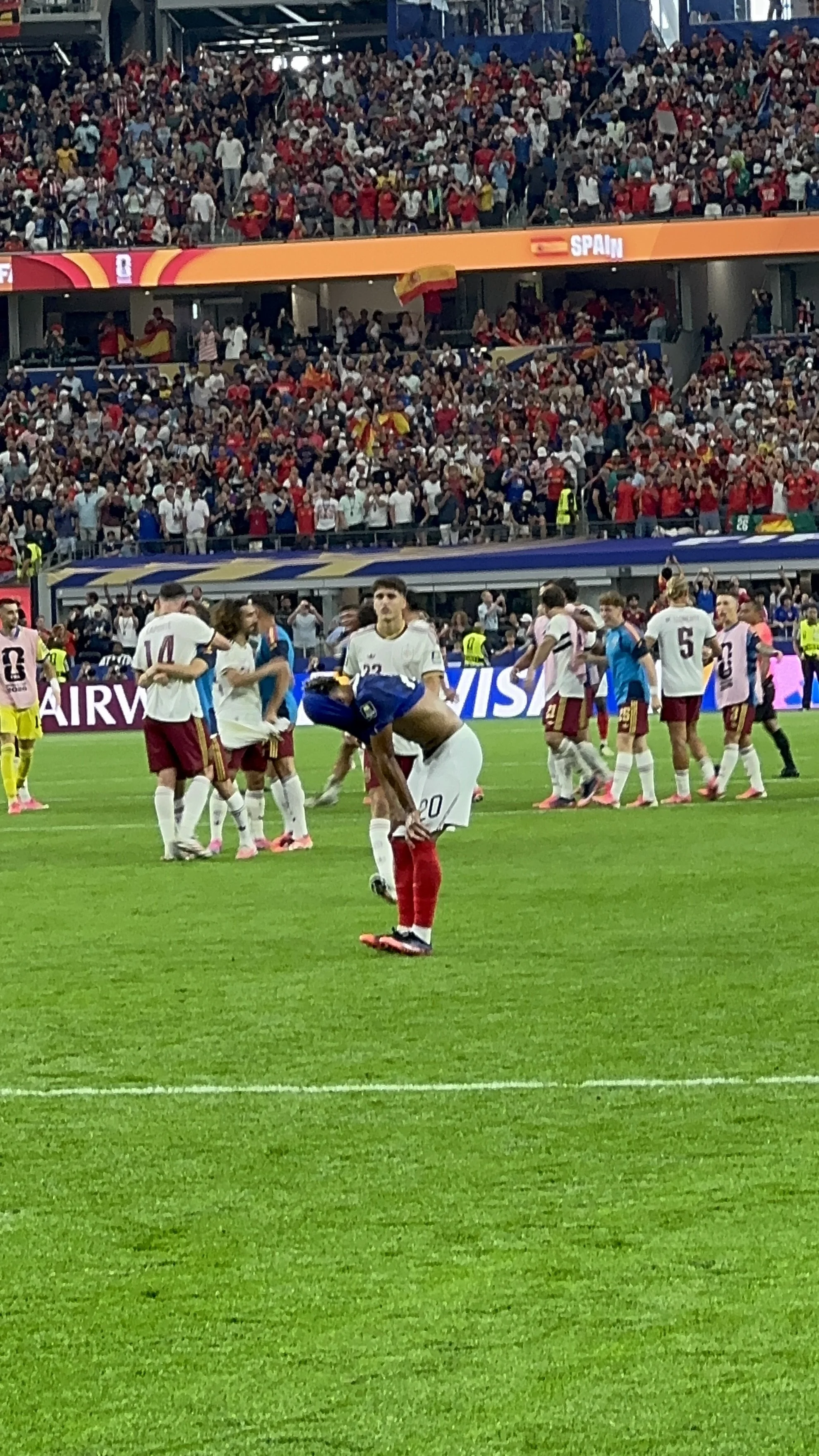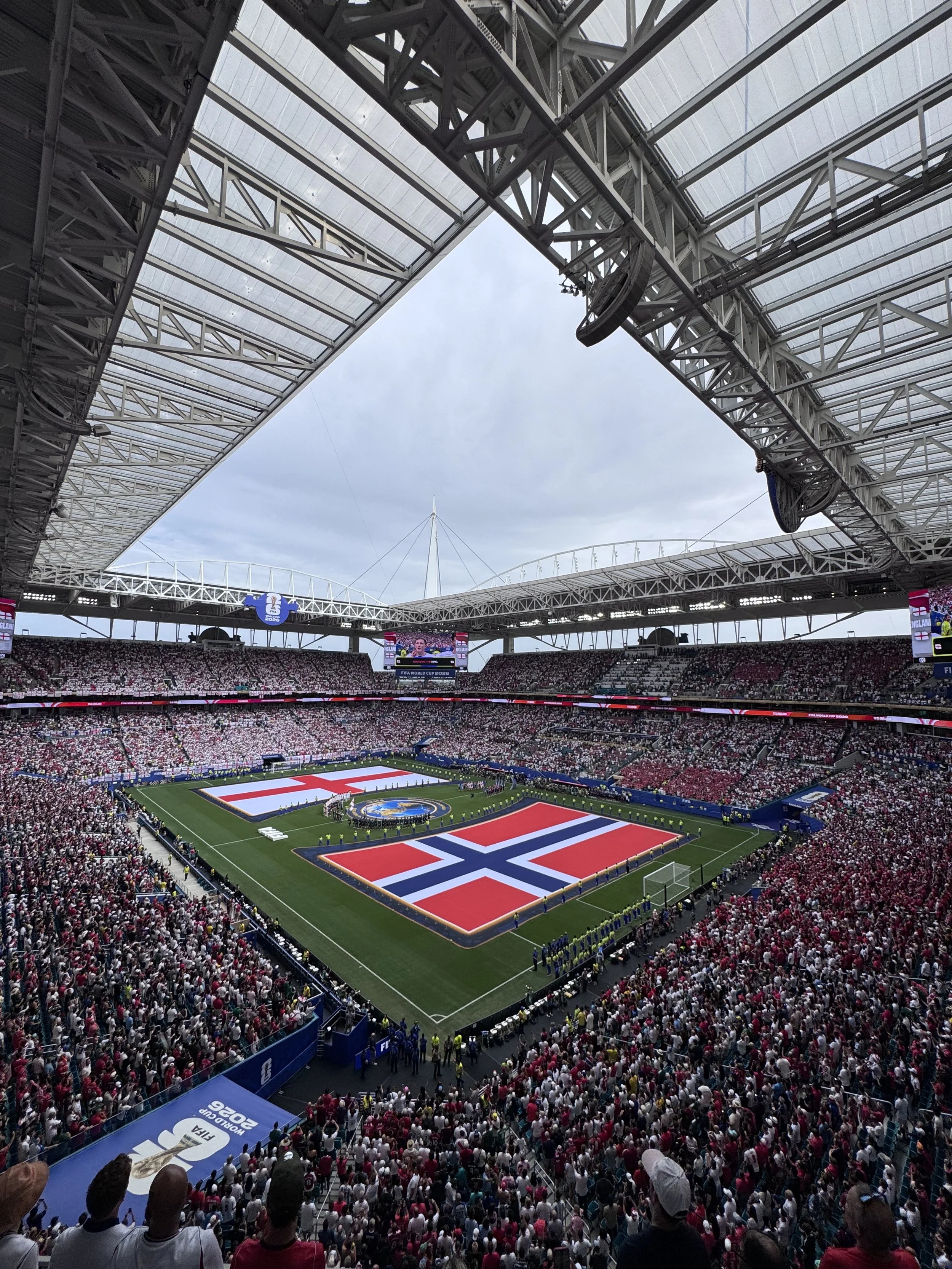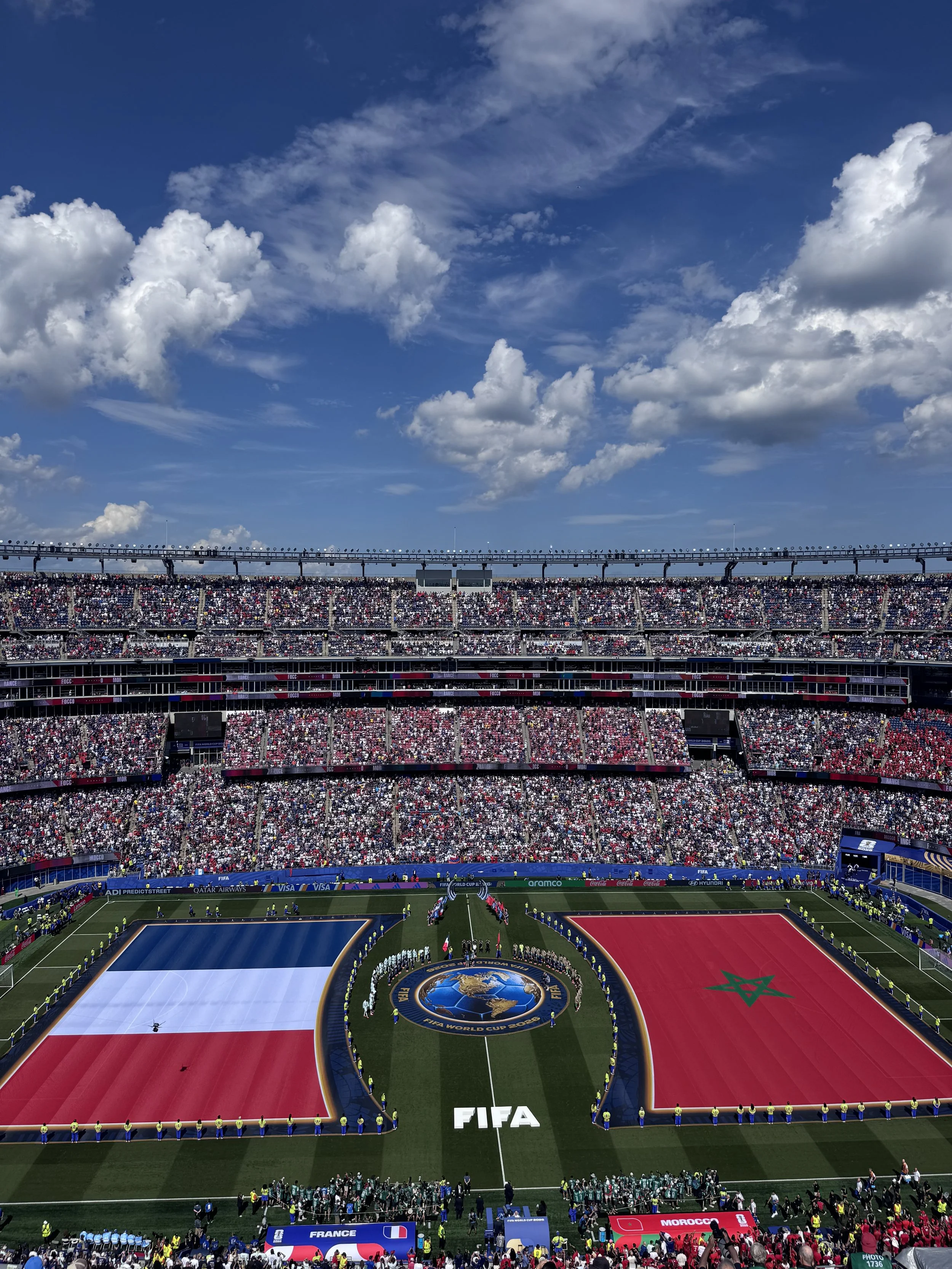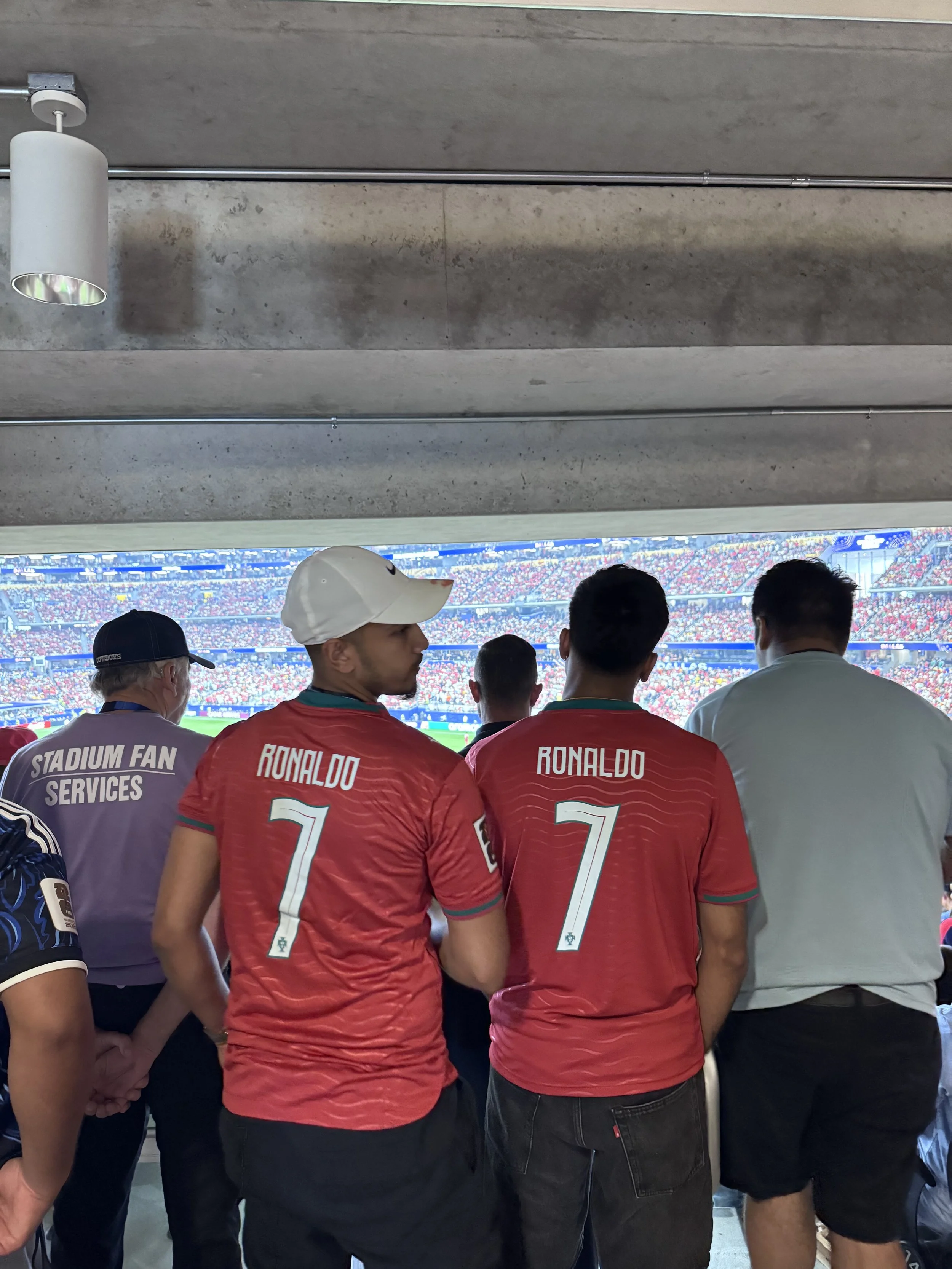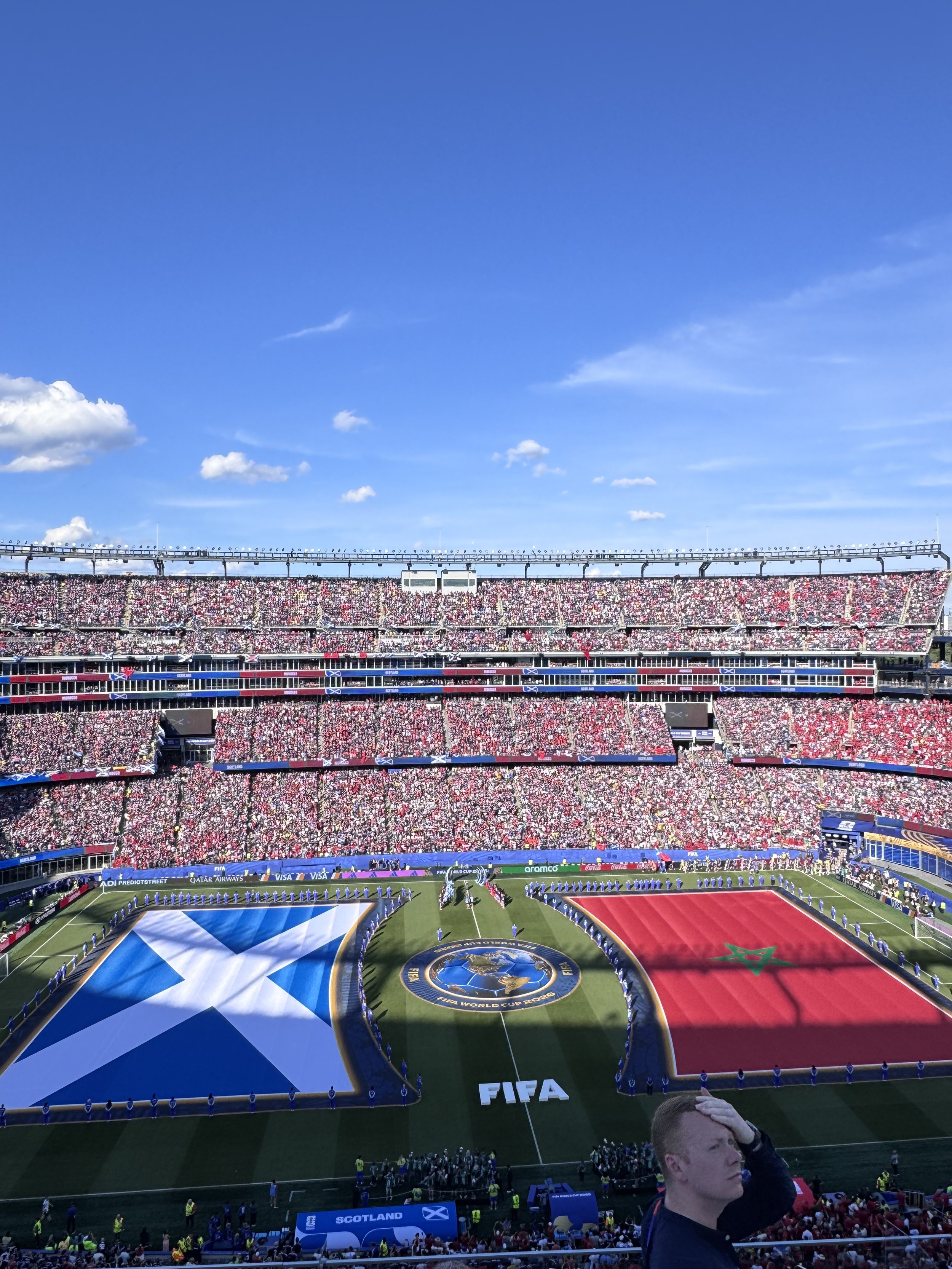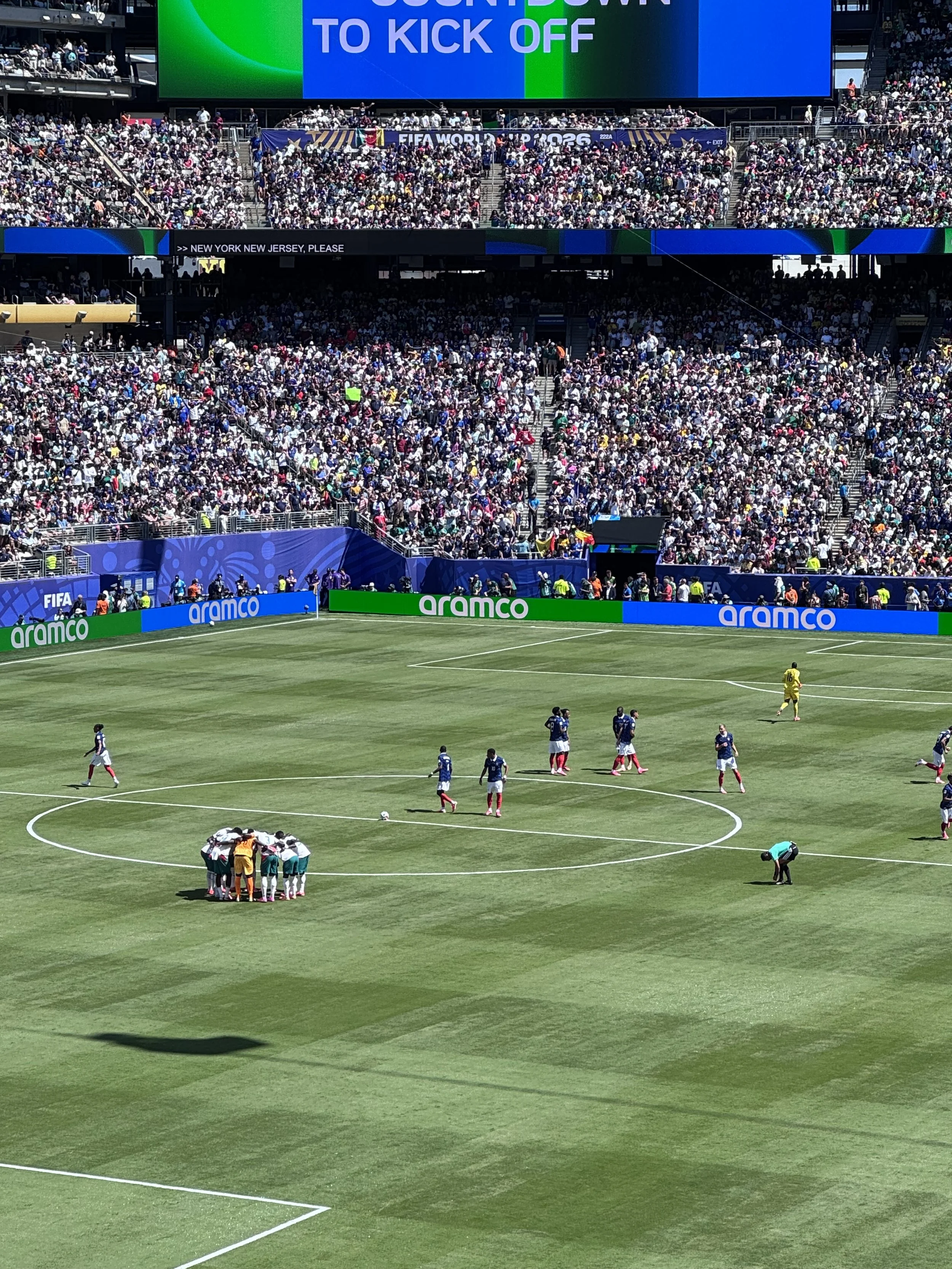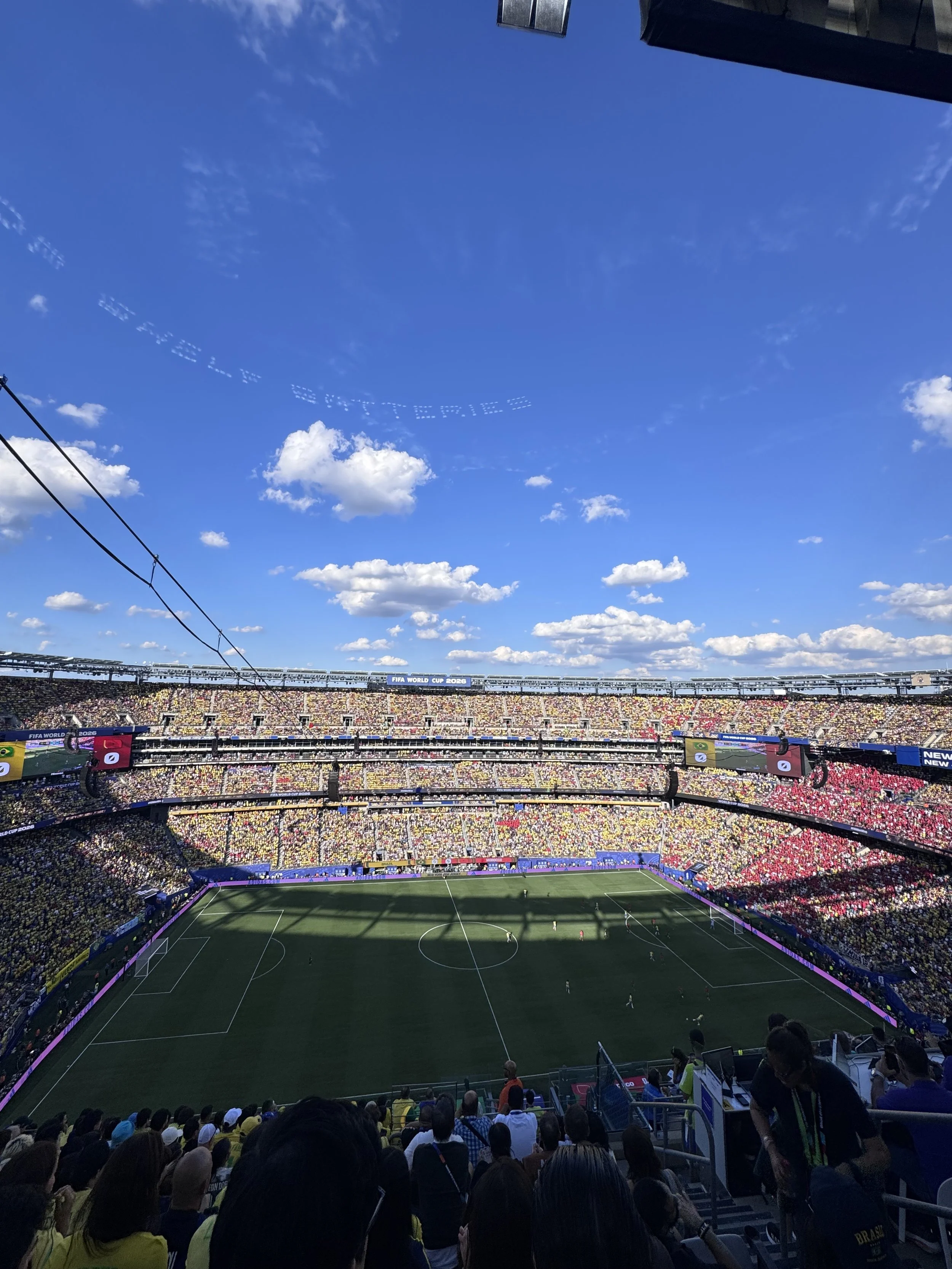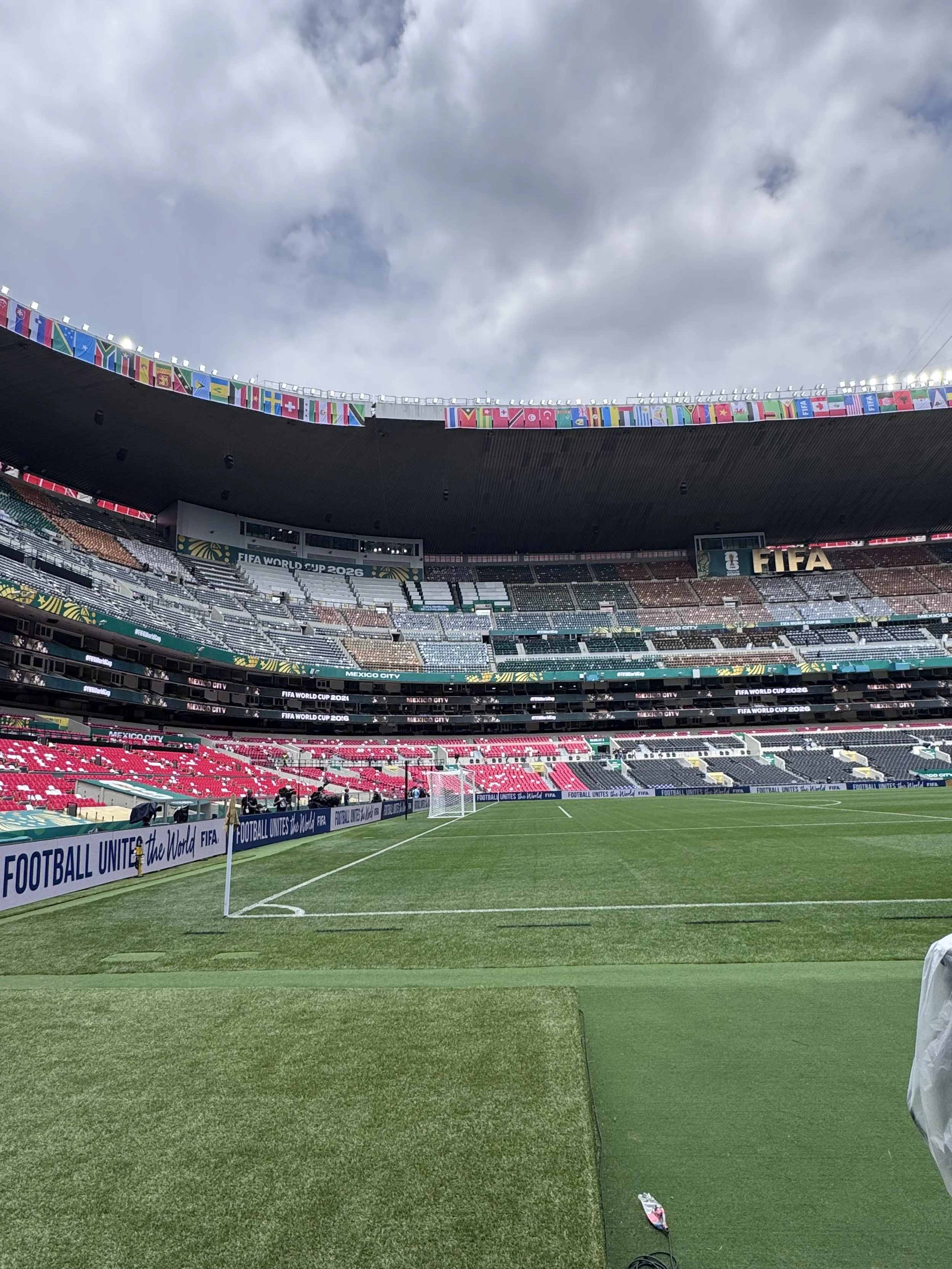
Arlington — Arlington is a suburb of Dallas that, on any ordinary day, is known to American sports fans — and beyond — as the home of the Dallas Cowboys' stadium.
At the 2026 World Cup, it has been transformed into a grand football arena hosting some of the most significant matches of the group stage, and will also host a semi-final.
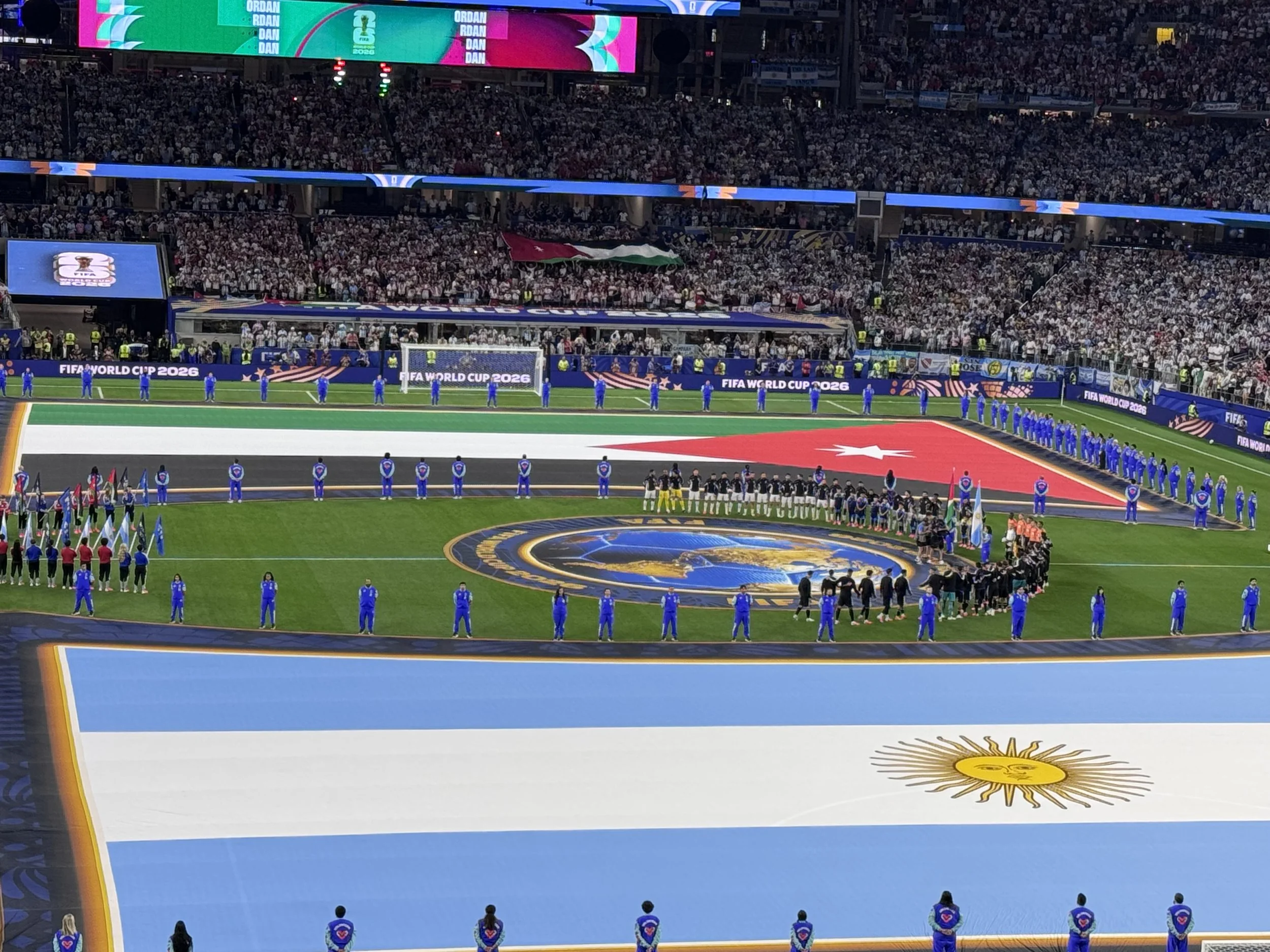
Argentina versus Jordan was, on paper, a dead rubber. But it contained within it the entire story of Jordan's World Cup campaign.
Despite two defeats — against Austria and Algeria — Jordan are immensely proud of what they have shown at this tournament. They scored two historic goals, produced spells of genuinely impressive football, and no less importantly, they introduced the world to the red-and-white Hashemite keffiyeh — the most recognisable symbol of Jordanian national identity. At their matches, it has functioned as a rallying banner and a declaration of self.
Football in Jordan is a fully national affair. King Abdullah attended matches at this World Cup alongside his son Hussein, the Crown Prince, who is regarded as a devoted fan of Al-Nashama — the Courageous Ones — and was present at every decisive qualifying match along the road here.
On the professional side, Jordan are Asia's runners-up, and one of the continent's most rapidly improving sides. Their current coach is Moroccan Jamal Sellami, following in the footsteps of his predecessor Hossam Hassan, both of whom brought the gospel of proud Arab football from Morocco to the Hashemite Kingdom. The support flows from the royal house itself, which wants to tell a new national story for Jordanians.
"For us as Jordanians, simply being here is an enormous moment," Ali Al-Nusseibeh, a Jordanian fan who travelled to the United States to accompany the national team at this historic World Cup, told BabaGol. "The fact that I am here, the King and Crown Prince are here too — it only reinforces the feeling that Jordan is developing. We are at the World Cup, and we were not even bad in the first two games."
The Jordanian squad received a visit from FIFA president Gianni Infantino the evening before the Argentina match. Infantino, a seasoned political operator, lavished praise on the Jordanians, declaring that he was "proud of Jordan for what they have achieved at this World Cup," and paid tribute to King Abdullah and the royal family — all while draped in a traditional Hashemite keffiyeh.
"For us, finishing our debut World Cup campaign with a match against the world champions and Lionel Messi is an enormous privilege," fan Al-Nusseibeh said. "It is a genuine opportunity to show the world that Jordan is a country. A country like any other."
In the match itself, Jordan found it somewhat difficult to assert their emerging national identity on the scoreboard — to put it mildly.
In the 19th minute Argentina were awarded a free kick on the edge of the box. The man who stepped up was Giovanni Lo Celso — and that matters. Lo Celso was once one of Argentina's most celebrated young talents, a player for whom greatness was predicted, yet one who never quite fulfilled that promise. Despite 67 international caps, this match against Jordan was his first ever World Cup appearance. Lionel Scaloni had elected to give minutes to his fringe players, and Lo Celso repaid him by curling a sublime effort into the top corner. Jordanian goalkeeper Abu Leila was rooted to the spot. 1-0 to Argentina.
In the 30th minute, a foul inside the Jordanian area led to a penalty, which Lautaro Martínez converted for his first World Cup goal. 2-0 to Argentina at half-time. Jordan, aside from an effort from Ali Alwan, had offered precious little.
In the second half, coach Sellami introduced Mousa Al-Taamari, Jordan's star player who plies his trade at Rennes in France. In his youth he was nicknamed "the Jordanian Messi" — and he is, genuinely, a devoted admirer of the real one. At that very moment, Messi himself was warming up on the touchline, and the entire stadium began chanting: "Messi, Messi, Messi." It is entirely possible that Al-Taamari, a Jordanian of Palestinian origin whose family roots are in Bethlehem, was singing along with them.
In the 51st minute, Al-Taamari had a moment of small magic. In an interview he gave to the author of these lines for BabaGol eight years ago, he spoke at length about his admiration for Messi and the hours he spent studying the Argentine's movement to learn from and imitate him. And so it was that a sharp Jordanian move — three quick one-touch passes — found him in space, and he finished in style with a sliding effort that made it 2-1. King Abdullah celebrated with Crown Prince Hussein in the stands, and Jordan had their latest world-stage moment: a goal against Argentina.
In the 60th minute came the moment 70,000 Argentine, Jordanian and neutral fans had gathered to witness — the real Messi entered the game. The original Messi versus the Jordanian Messi, on the grandest stage of all. From that point forward, for the Jordanians at least, the scoreline mattered less. Jordan had their perfect photo opportunity for the new story they are writing: a nation redefining its identity through football.
In the 80th minute Argentina earned another free kick. This time, Messi stepped up. And Messi, being Messi, delivered what tens of thousands inside the stadium and untold millions watching around the world had come to see — a low, curling effort around the wall, Abu Leila again helpless, 3-1 to Argentina. In doing so, Messi became the first player in history to score in seven consecutive World Cup tournaments, and the fifth player ever to score six or more goals in a single World Cup group stage.
It was the final note of the match, and with it Jordan received the complete package: the Jordanian Messi scored, and the real Messi scored too. Given the gulf in quality between the sides, it was truly the best they could have hoped for.
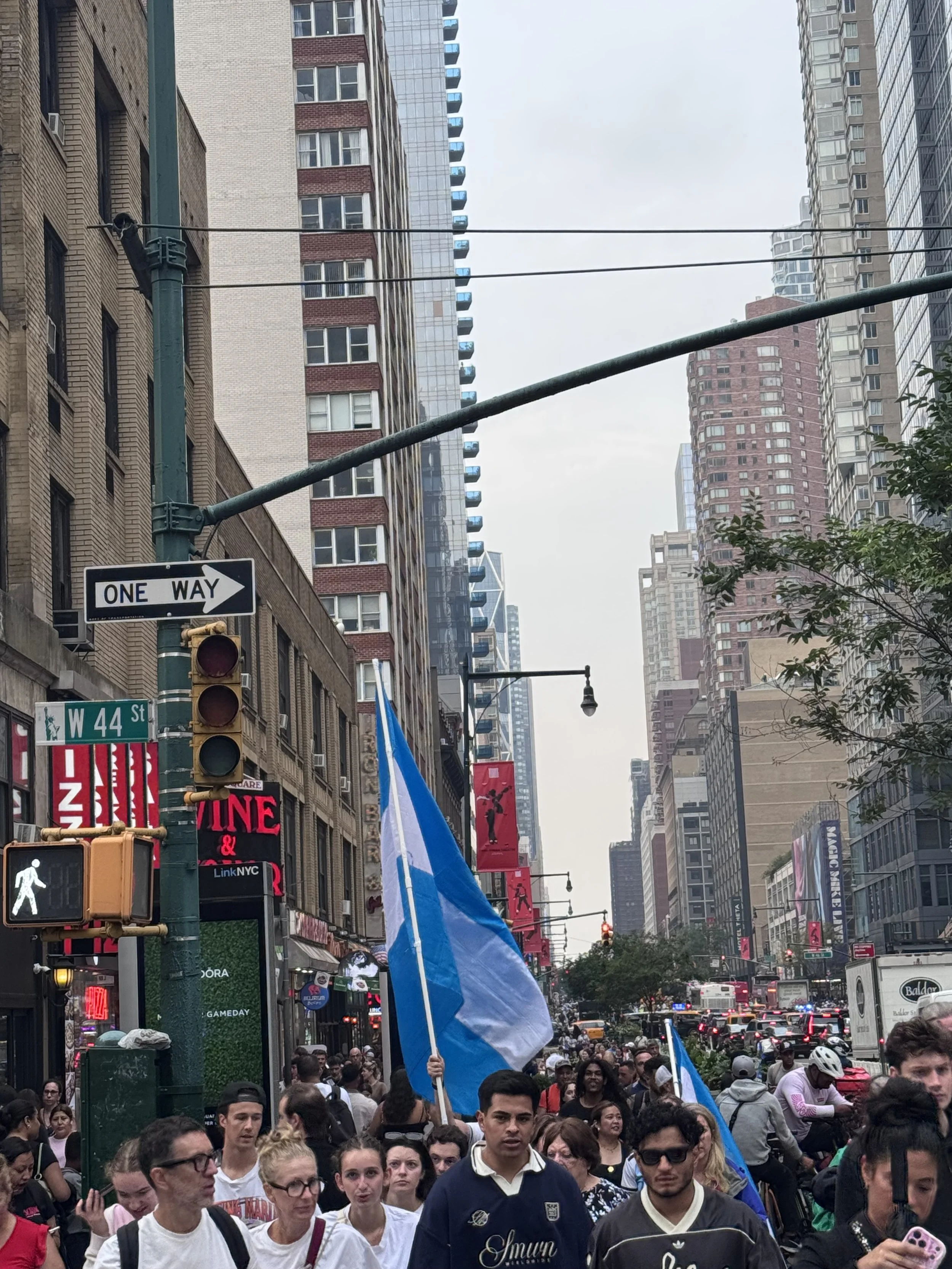
Thousands of Argentina fans transformed Times Square before the 2026 World Cup final, all united to thank Lionel Messi.
Spain were ruthless in Dallas as Oyarzabal and Dani Olmo starred, leaving France's Bastille Day to end in deep disappointment for Deschamps.
Norway outplayed England for most of a sweltering Miami classic, but two Bellingham strikes in extra time sent the Three Lions to the semis.
Ayoub Bouaddi chose Morocco over France at 18 and lit up a quarter-final about colonial history, dual identity, and what it means to belong.
Egypt pushed Argentina to the limit in a 3-2 World Cup thriller, but left the pitch furious at the referee and convinced justice was denied.
Merino's late goal gave Spain a 1-0 win over Portugal as Ronaldo left the World Cup stage in tears in what many believe was his final match.
Egypt beat Australia on penalties in Dallas to reach the last 16 for the first time, with Salah's Panenka the highlight of a historic night.
Diop headed Morocco level in the 91st minute and Saibari slotted the winner in the shootout as Morocco reached the World Cup quarter-finals.
Messi and the Jordanian Messi both scored as Argentina beat Jordan 3-1 in Arlington, with records broken and keffiyehs flying in the stands.
France beat Iraq 3-0 in Philadelphia, but the two-hour lightning delay stole the show, making it officially the longest World Cup game ever.
Saibari scored inside two minutes as Morocco beat Scotland 1-0 in Boston, leaving the Scots on the very brink of 2026 World Cup elimination.
Senegal relived their legendary 2002 magic for an hour, but Kylian Mbappe struck twice to sink them and seal France's 3-1 win in New Jersey.
Qatar stole a last-gasp draw from Switzerland and Morocco held Brazil 1-1 — two results that announced Arab football’s full arrival at 2026.
Azteca stadium hosts its third World Cup as Mexico City buzzes with pride, protest, and the deep belief that football has always lived here.
Crystal Palace beat Rayo Vallecano in Leipzig to win the Conference League in the most romantic underdog final in European football history.
Maccabi Tel Aviv edge Hapoel Be'er Sheva 2–1 in a dramatic Israeli Cup Final at Teddy Stadium, denying the champions a historic Double.
With tensions easing, Iran’s 2026 World Cup participation remains uncertain, as FIFA, politics, and regional dynamics collide.
CAF shocks African football by stripping Senegal’s title and awarding Morocco the AFCON crown after a chaotic final decision.
From silent protests to daring escapes, Iran’s women footballers turned a tournament into a global story of courage, politics, and survival.
Iran’s women’s team protested, faced threats, and signaled SOS in Australia—now their fate is uncertain amid calls for asylum.
From geopolitics to spectacle, Trump looms over World Cup 2026—reshaping football, power, and culture in the biggest tournament ever.
FIFA joins Gaza rebuilding plans, restoring stadiums, pitches, and youth programs, supporting football and hope in the Strip.
From Nigeria’s Mavlon academy to Viktoria Plzeň and the Europa League dream: Salim Fago’s journey is just beginning in Europe.
From Benzema’s shock move to Ronaldo’s protest, a chain reaction in Saudi football is shaking the entire project and the global game.
A Hitchcock-style AFCON final in Rabat saw chaos, controversy and brilliance as Senegal stunned Morocco to claim their second African title.
From libraries to stadiums, Morocco lives football. As AFCON 2025 nears its climax, passion, politics, and ambition collide nationwide.
From rain-soaked Rabat to a deafening semifinal night, Morocco edge Nigeria on penalties and stand 90 minutes from an AFCON title.
As protests spread across Iran, footballers are turning goals, silence and visibility into acts of resistance and solidarity with the people.
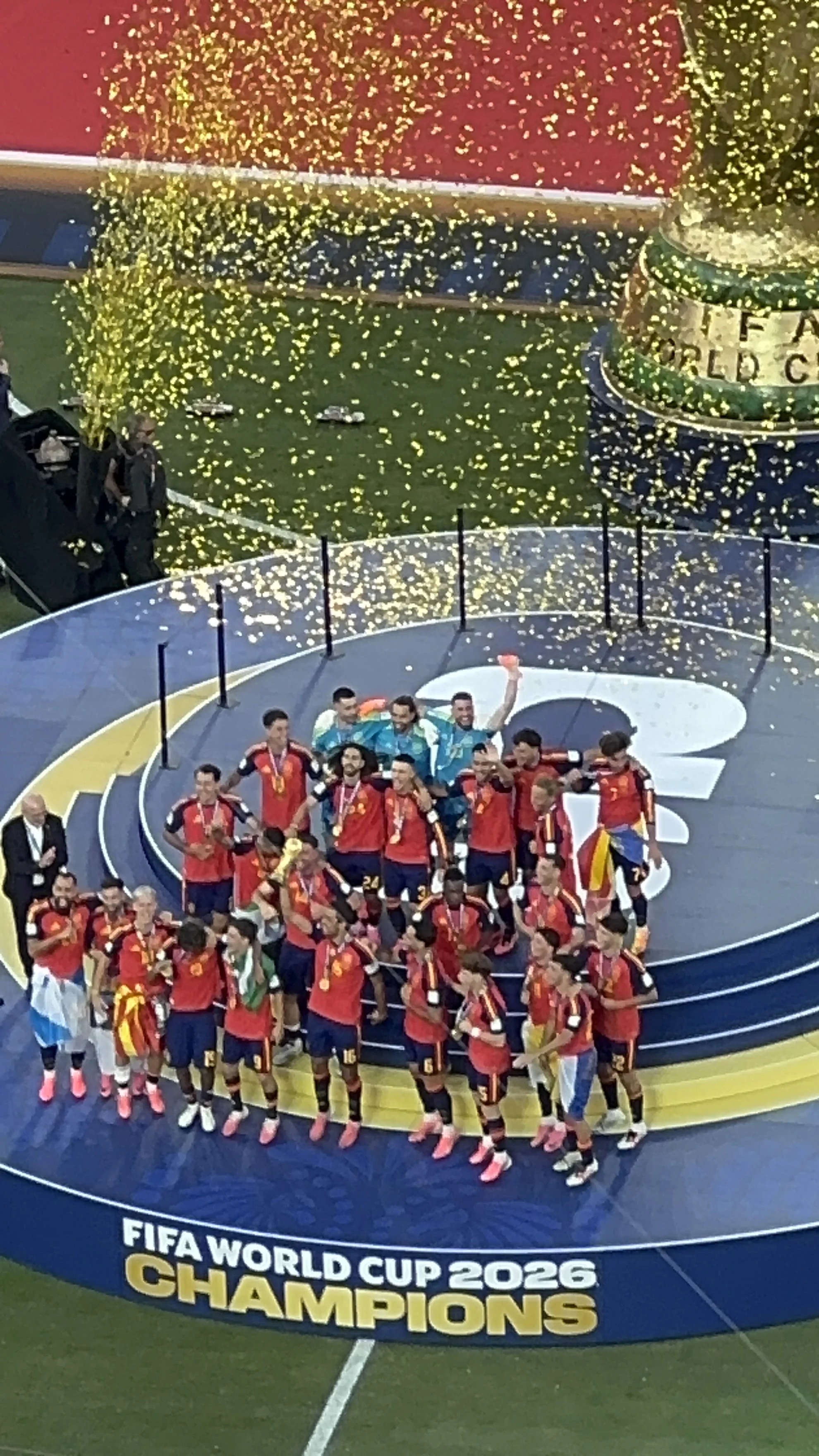
Spain defeated Argentina 1-0 in the 2026 World Cup Final, ending Lionel Messi's dream World Cup with heartbreak.
Thousands of Argentina fans transformed Times Square before the 2026 World Cup final, all united to thank Lionel Messi.
Spain were ruthless in Dallas as Oyarzabal and Dani Olmo starred, leaving France's Bastille Day to end in deep disappointment for Deschamps.
Norway outplayed England for most of a sweltering Miami classic, but two Bellingham strikes in extra time sent the Three Lions to the semis.
Ayoub Bouaddi chose Morocco over France at 18 and lit up a quarter-final about colonial history, dual identity, and what it means to belong.
Egypt pushed Argentina to the limit in a 3-2 World Cup thriller, but left the pitch furious at the referee and convinced justice was denied.
Merino's late goal gave Spain a 1-0 win over Portugal as Ronaldo left the World Cup stage in tears in what many believe was his final match.
Egypt beat Australia on penalties in Dallas to reach the last 16 for the first time, with Salah's Panenka the highlight of a historic night.
Diop headed Morocco level in the 91st minute and Saibari slotted the winner in the shootout as Morocco reached the World Cup quarter-finals.
Messi and the Jordanian Messi both scored as Argentina beat Jordan 3-1 in Arlington, with records broken and keffiyehs flying in the stands.
France beat Iraq 3-0 in Philadelphia, but the two-hour lightning delay stole the show, making it officially the longest World Cup game ever.
Saibari scored inside two minutes as Morocco beat Scotland 1-0 in Boston, leaving the Scots on the very brink of 2026 World Cup elimination.
Senegal relived their legendary 2002 magic for an hour, but Kylian Mbappe struck twice to sink them and seal France's 3-1 win in New Jersey.
Qatar stole a last-gasp draw from Switzerland and Morocco held Brazil 1-1 — two results that announced Arab football’s full arrival at 2026.
Azteca stadium hosts its third World Cup as Mexico City buzzes with pride, protest, and the deep belief that football has always lived here.
Crystal Palace beat Rayo Vallecano in Leipzig to win the Conference League in the most romantic underdog final in European football history.
Maccabi Tel Aviv edge Hapoel Be'er Sheva 2–1 in a dramatic Israeli Cup Final at Teddy Stadium, denying the champions a historic Double.
With tensions easing, Iran’s 2026 World Cup participation remains uncertain, as FIFA, politics, and regional dynamics collide.
CAF shocks African football by stripping Senegal’s title and awarding Morocco the AFCON crown after a chaotic final decision.
From silent protests to daring escapes, Iran’s women footballers turned a tournament into a global story of courage, politics, and survival.
Iran’s women’s team protested, faced threats, and signaled SOS in Australia—now their fate is uncertain amid calls for asylum.
From geopolitics to spectacle, Trump looms over World Cup 2026—reshaping football, power, and culture in the biggest tournament ever.
FIFA joins Gaza rebuilding plans, restoring stadiums, pitches, and youth programs, supporting football and hope in the Strip.
From Nigeria’s Mavlon academy to Viktoria Plzeň and the Europa League dream: Salim Fago’s journey is just beginning in Europe.
From Benzema’s shock move to Ronaldo’s protest, a chain reaction in Saudi football is shaking the entire project and the global game.
A Hitchcock-style AFCON final in Rabat saw chaos, controversy and brilliance as Senegal stunned Morocco to claim their second African title.
From libraries to stadiums, Morocco lives football. As AFCON 2025 nears its climax, passion, politics, and ambition collide nationwide.
From rain-soaked Rabat to a deafening semifinal night, Morocco edge Nigeria on penalties and stand 90 minutes from an AFCON title.
As protests spread across Iran, footballers are turning goals, silence and visibility into acts of resistance and solidarity with the people.


Spain defeated Argentina 1-0 in the 2026 World Cup Final, ending Lionel Messi's dream World Cup with heartbreak.