

Edited by Alex Smith
This December, for the first time, a UAE national football team will head to Israel to play a game of football.
The UAE under-19’s will be taking part in a winter tournament in the country, alongside German, Russian and Israeli youth teams. According to the Israeli FA, official confirmation of the UAE’s intention to play in the tournament arrived earlier this week, and it’s thought that their FA’s president, Sheikh Rashid bin Hamed al-Naimi, could also be joining them.
Historical: The youth national team the UAE 🇦🇪 will play a tournament in #Israel 🇮🇱 next December. Russia 🇷🇺 and Germany 🇩🇪 will also take part.
— Uri Levy (@Levyninho) October 31, 2021
It’s a result of the MOU, the Memorandum of Understandings, signed in Dubai at the end of last year, by the two associations in a ceremony attended by both FA presidents, and FIFA president Gianni Infantino.
It’s a historical moment, especially when you look back at the history the Israeli national team has had with other Middle Eastern sides in the last century. The past is fractured and disputed, both in football and in politics.
The Mandatory Palestine national team, comprising what is modern-day Israel and Palestine, played Egypt in the 1934 World Cup qualifiers, with a team primarily made up of Jewish athletes. They suffered two memorable losses, 7-1 in Cairo and 4-1 in Tel Aviv.
In 1964 Israel, which was part of the Asian footballing world until the 70’s, hosted the Asian Cup - and won it. It looks like a greater achievement than it actually was, most teams had withdrawn as a result of the Arab-Israeli conflict.
At club level, Hapoel and then Maccabi Tel Aviv won the Asian Champions League in 1967, 1969 and 1971 - again, other teams had boycotted the tournament.
The last time another team from the Middle East played an Israeli opponent was back in the 70’s, when both Iran and Israel competed in the 1974 Asian Games, meeting each other in the final. Since then, there has been almost a complete disconnect between Israel and the rest of the region when it comes to sport.
But since the Abraham Accords statement last year, there are signs of normalisation in the footballing relationship between Israel and the UAE: Dia Saba and Abdallah Khalaikhal, Arab citizens of Israel, signed for Al Nasr Dubai from the Emirati ADNOC League, both leagues and associations signed MOU's for the future, and Israel’s Maccabi Haifa and UAE’s Al Ain signed a cooperation agreement.
When the Abraham Accords announcements were made, people thought the impact would be fast and immediate in terms of football, but these take time.
This December, we will see an official national team of an Arab country playing football in Israel for the first time. The fact that it is a youth team that will play in Haifa hints that this match is only an intro to a game between the two senior national teams.
And who knows, perhaps, just like we heard here last week, a co-hosting project for the 2030 FIFA World Cup?
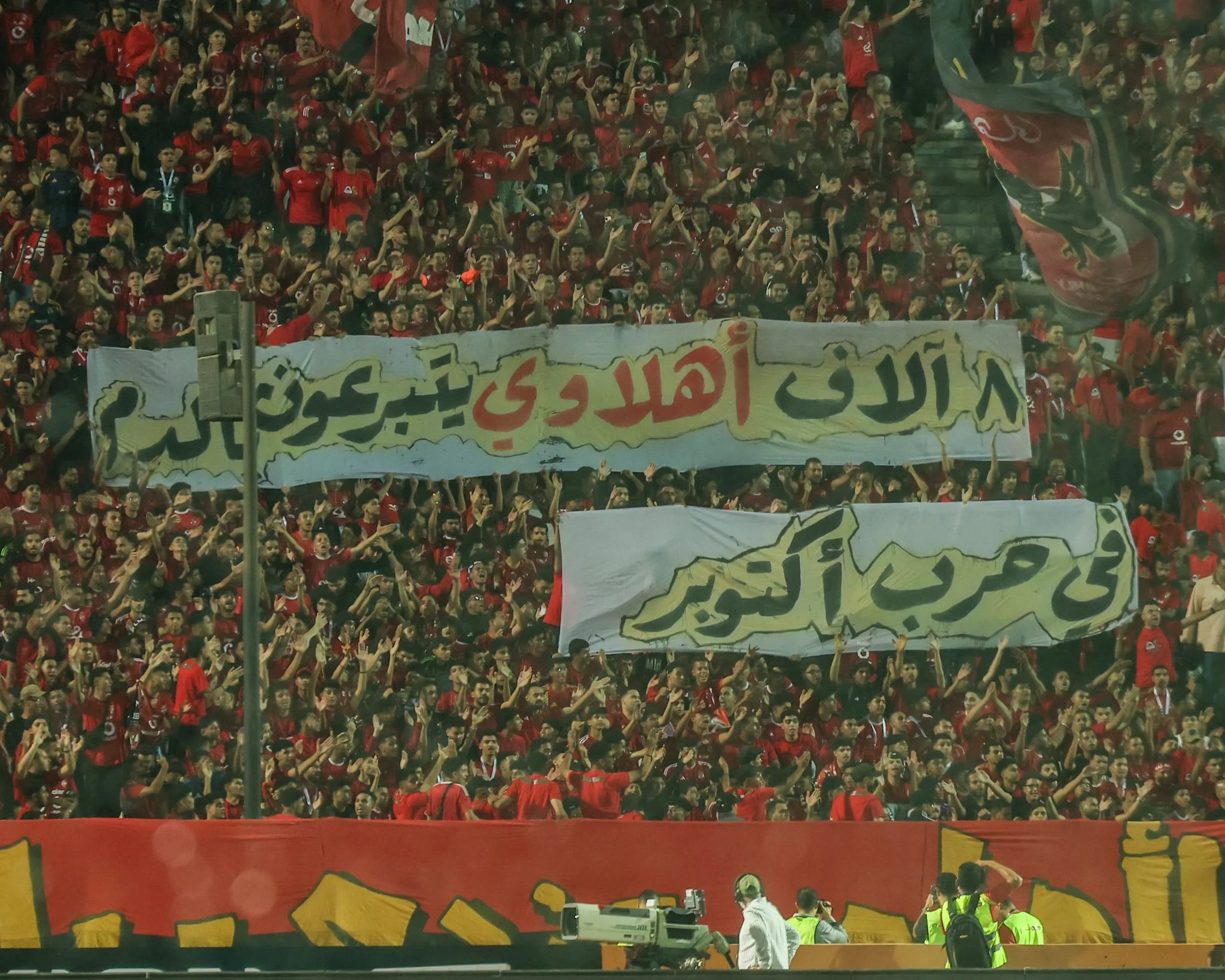
Cairo’s derby drew a record number of crowd for the first time in years, as Al Ahly and Zamalek fans united in October War banners and Israel chants.

Manchester City’s guilty verdict is spilling into geopolitics, as Abu Dhabi hints at curbing UAE investment in Britain over the club’s fate.
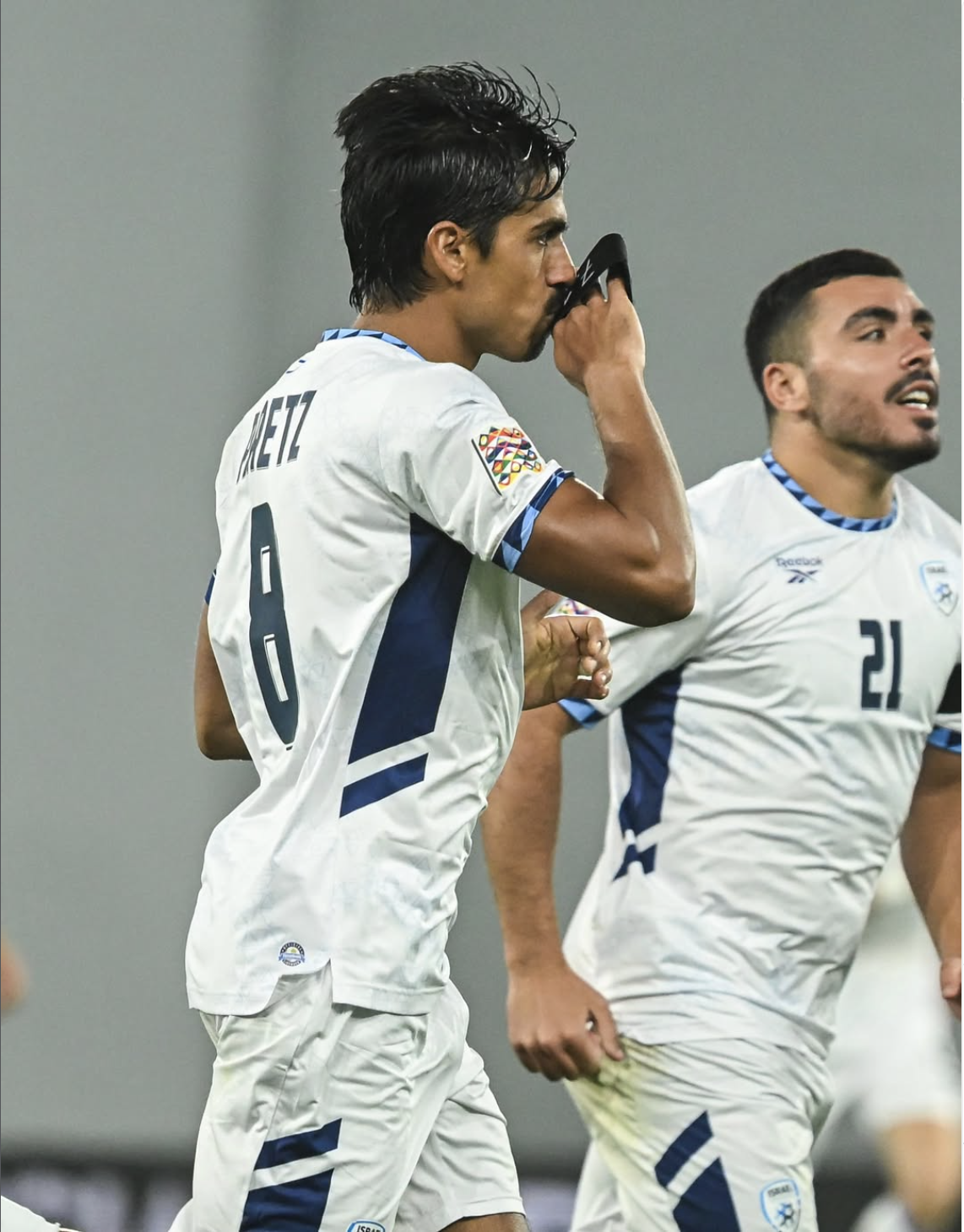
Israel's national team finished bottom of its Nations League group, as politically charged clashes versus Ireland overshadowed the campaign.
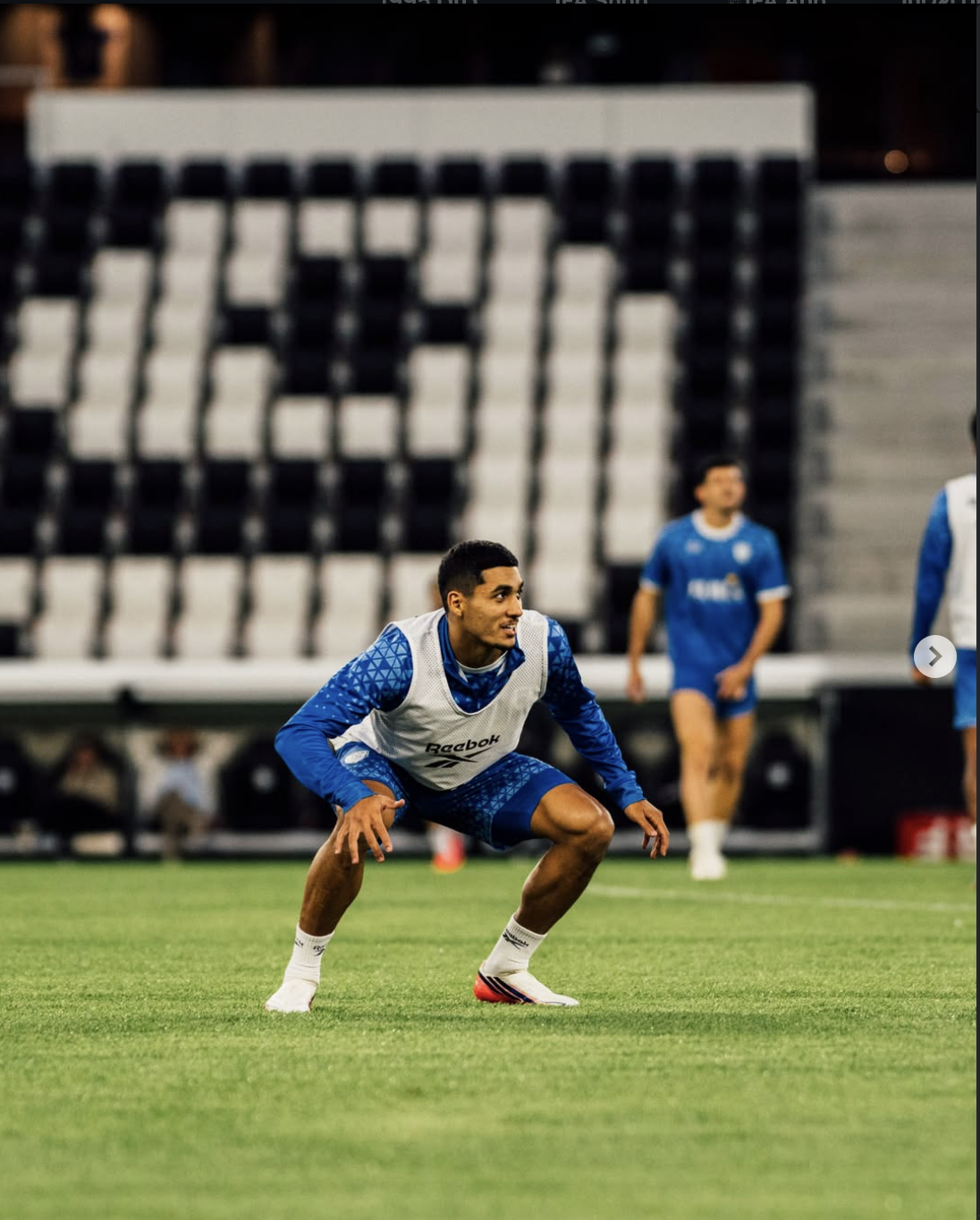
Israel opens a homeless Nations League campaign against Austria, Kosovo, and Ireland, with the Gaza conflict looming over every match played.
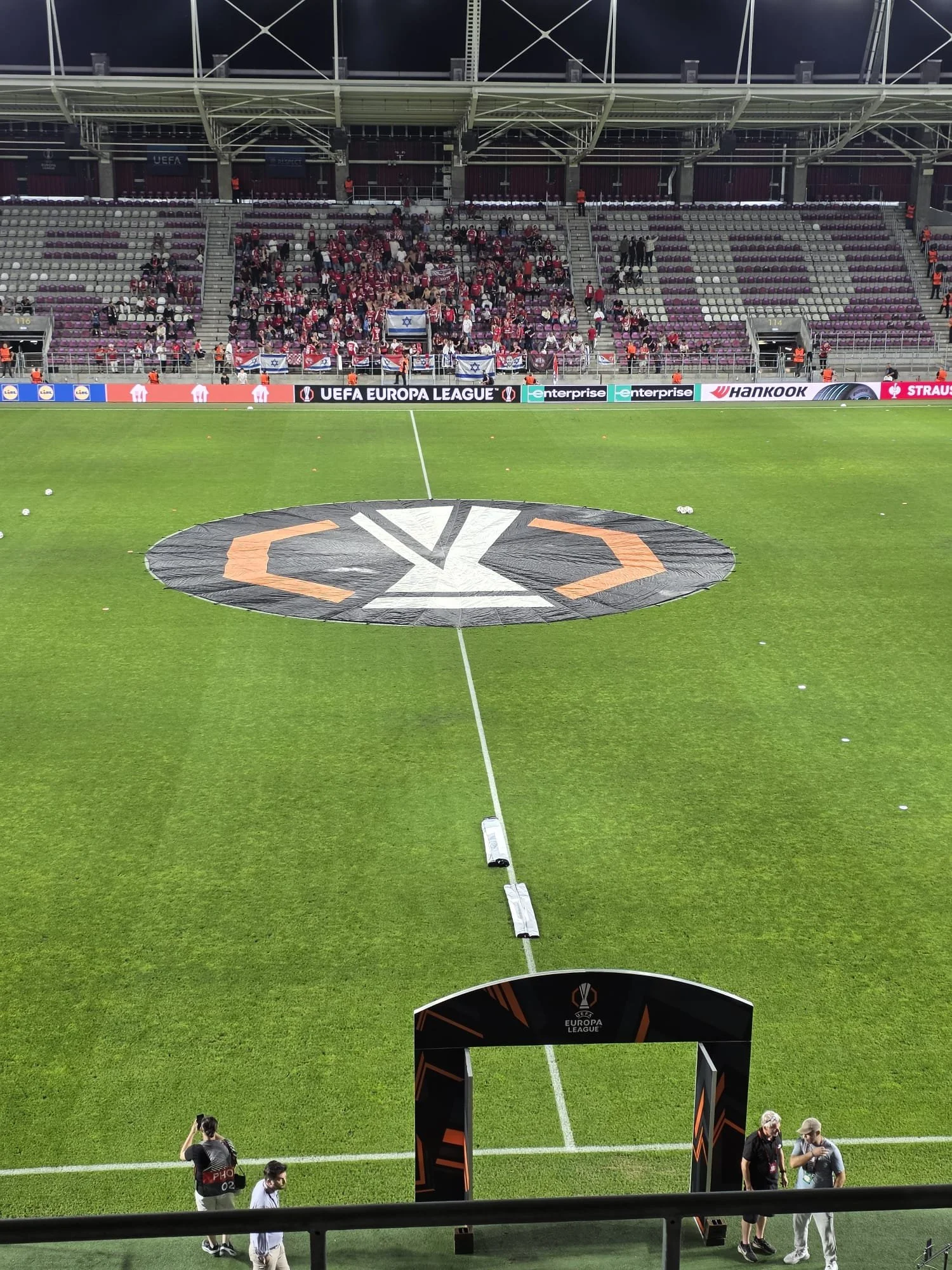
Hapoel Be'er Sheva drew 0-0 at Dinamo Zagreb to open their Europa League return, ahead of a brutal schedule and no home matches this season.
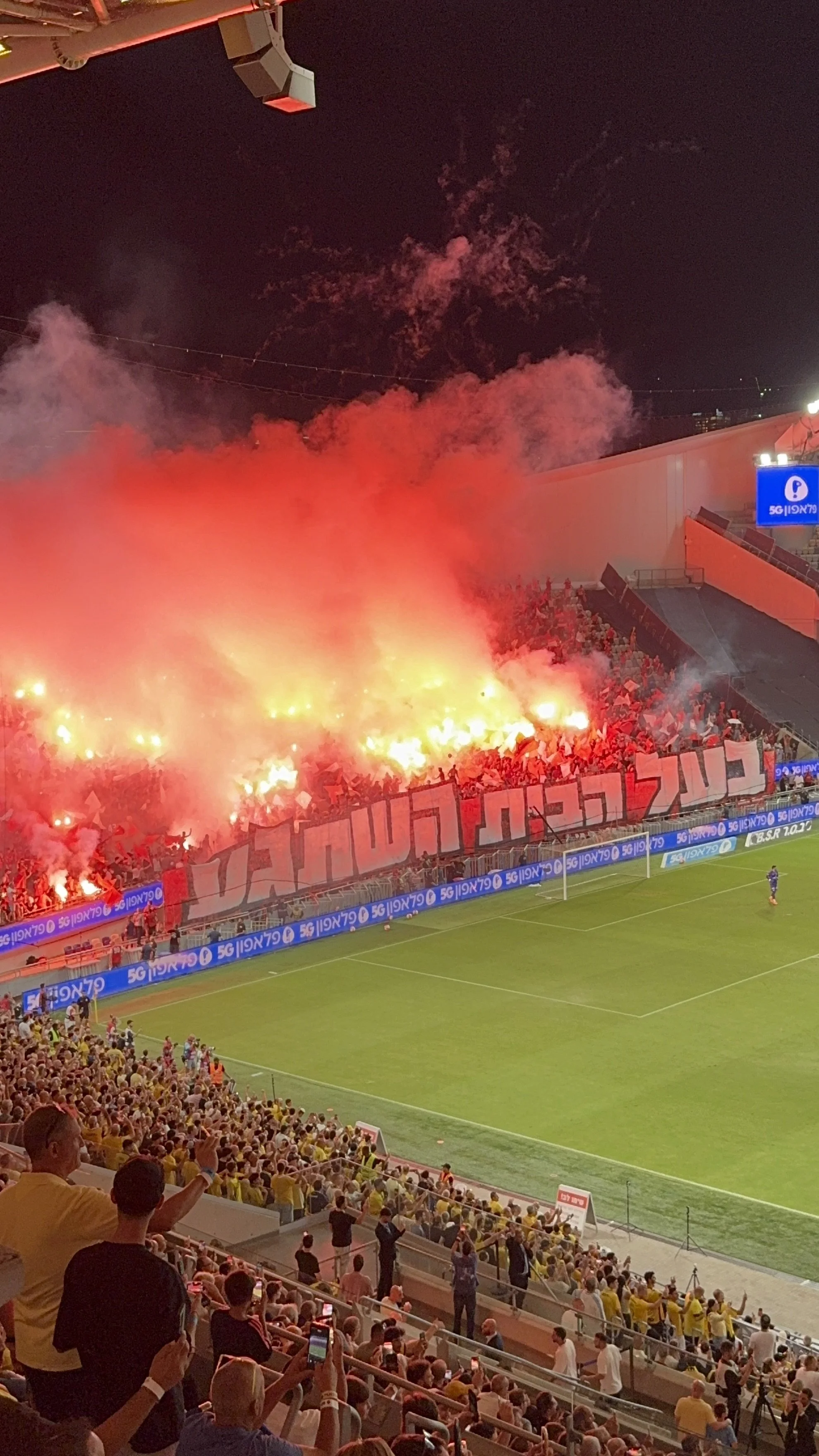
Maccabi Tel Aviv routed ten-man Hapoel 4-1 at Bloomfield, in a fiery derby marked by red cards and pyro chaos.
For the first time since Oct. 7, 2023, Palestinian club football returns this weekend as 226 teams compete across three war-scarred regions.
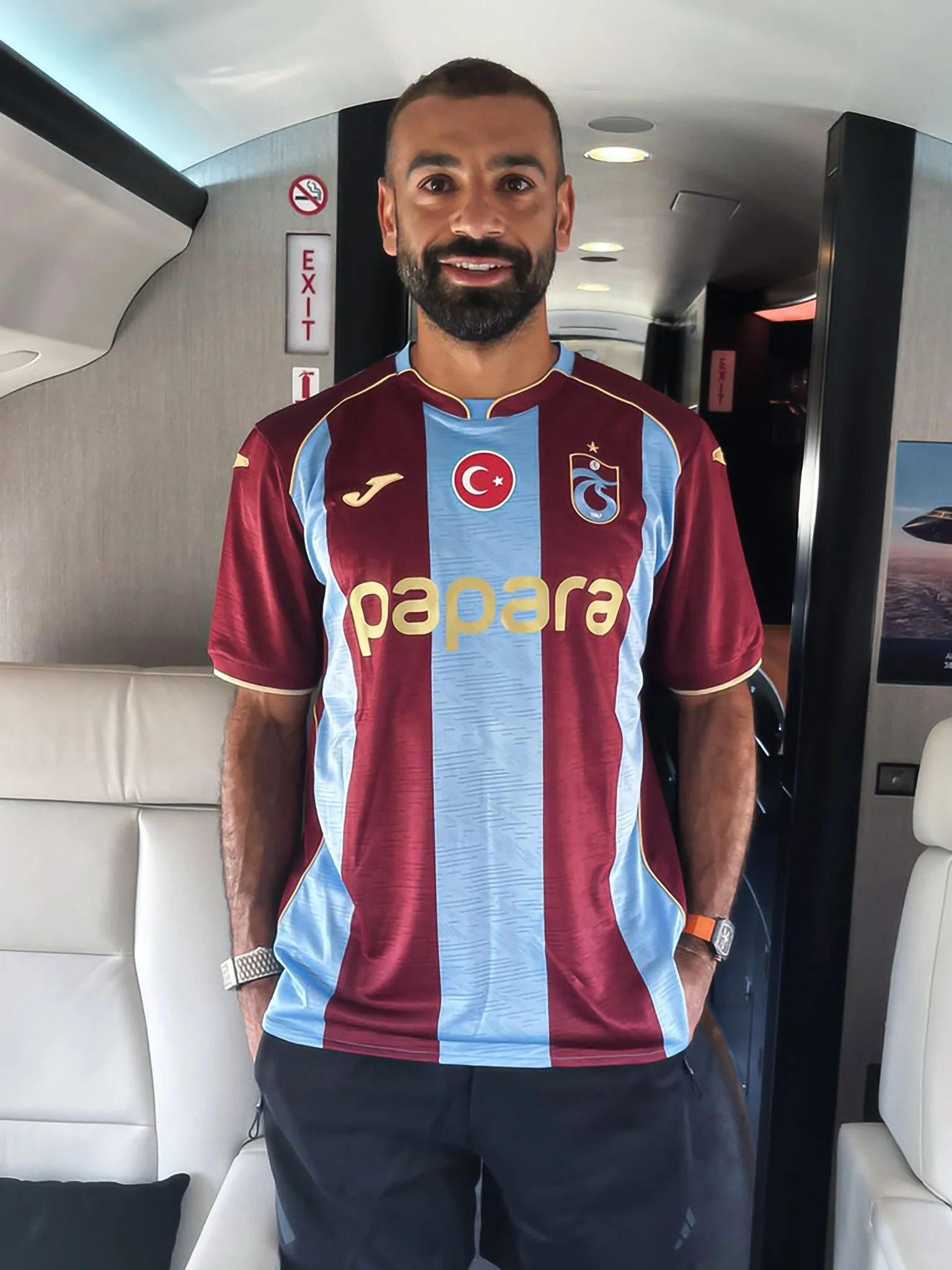
After nine years at Liverpool, Salah left for Trabzonspor — the money, the family, and the love of being the underdog all played their part.

Egypt pushed Argentina to the limit in a 3-2 World Cup thriller, but left the pitch furious at the referee and convinced justice was denied.
For the first time since Oct. 7, 2023, Palestinian club football returns this weekend as 226 teams compete across three war-scarred regions.
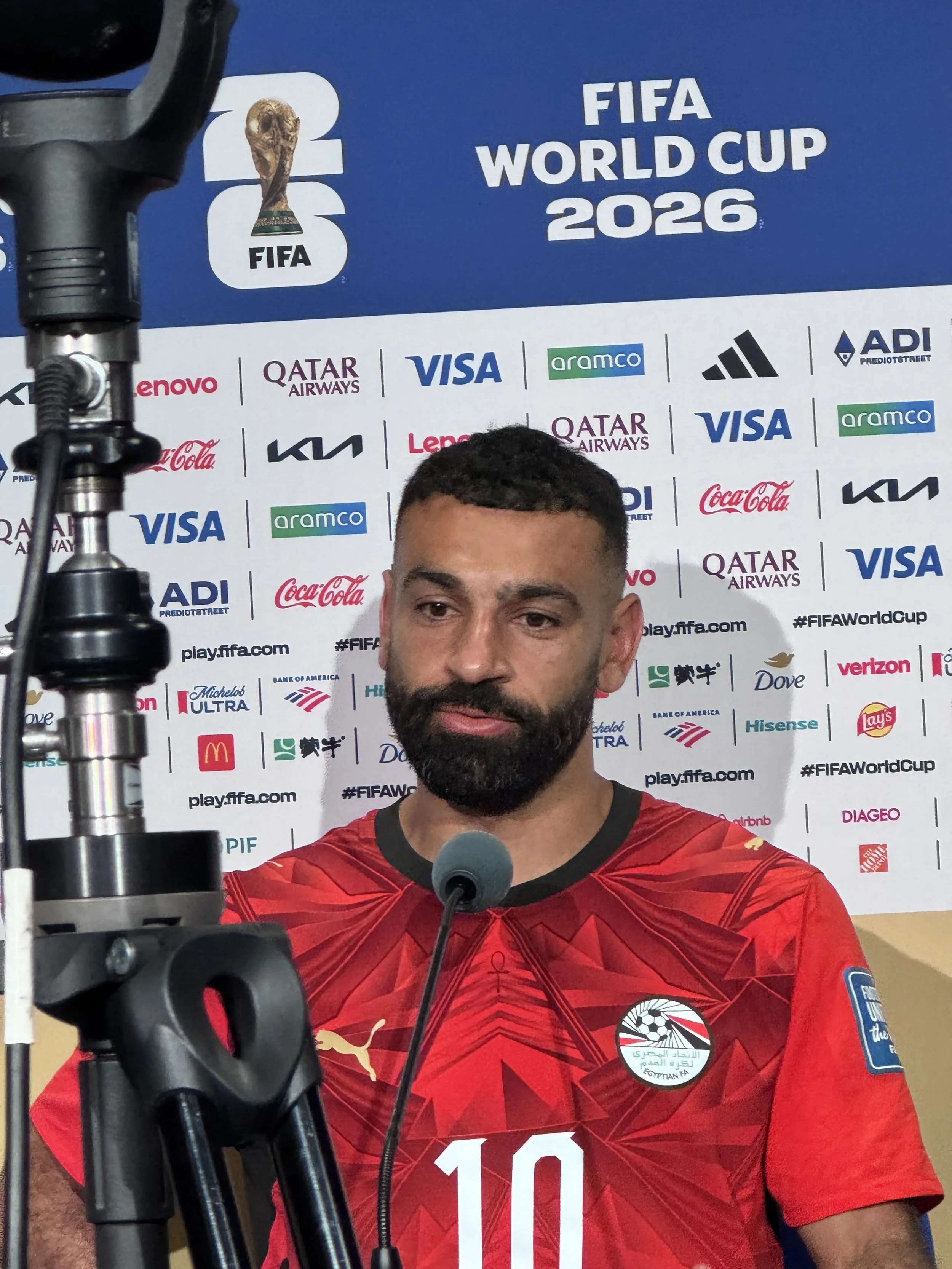
Egypt beat Australia on penalties in Dallas to reach the last 16 for the first time, with Salah's Panenka the highlight of a historic night.
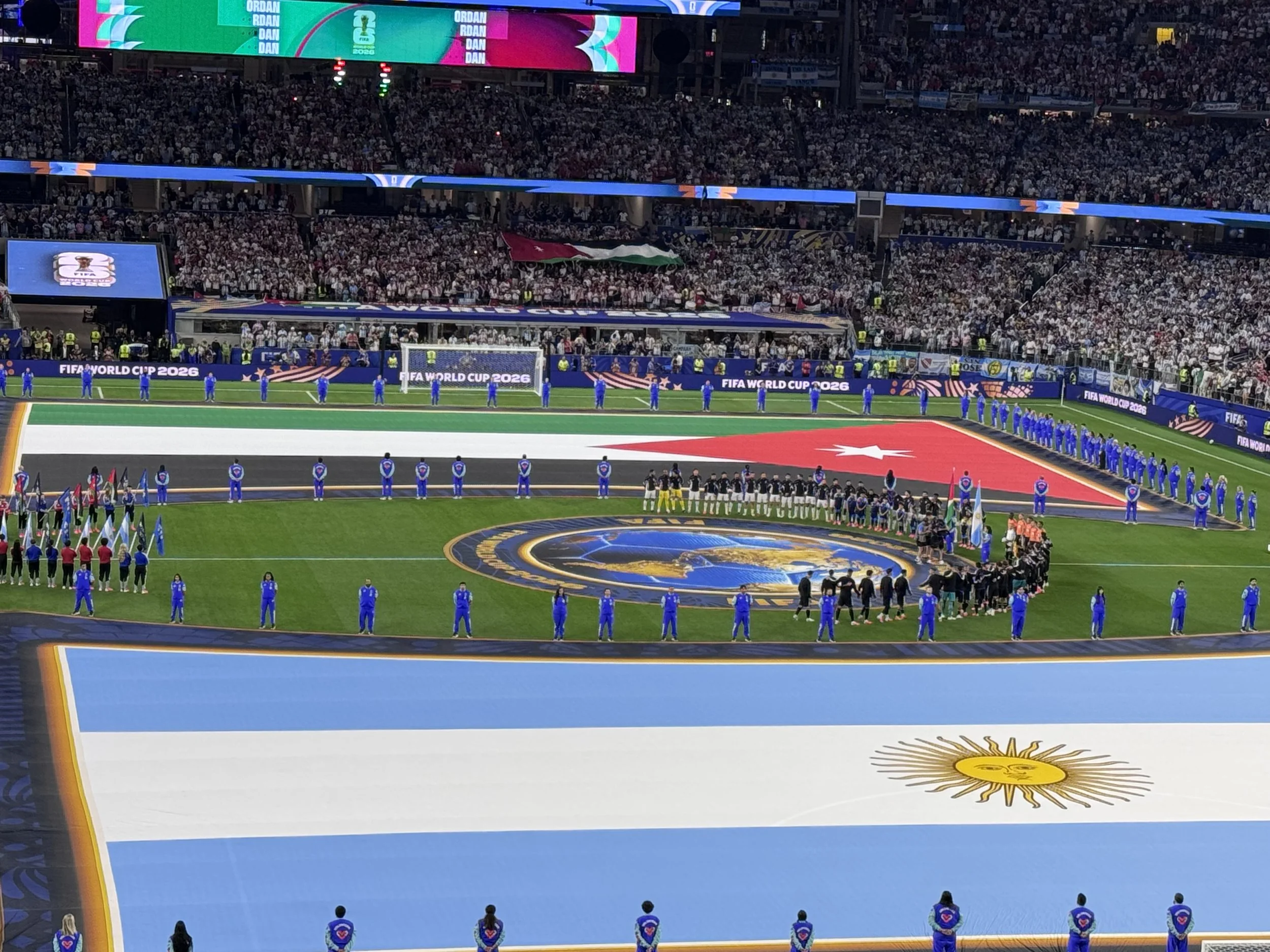
Messi and the Jordanian Messi both scored as Argentina beat Jordan 3-1 in Arlington, with records broken and keffiyehs flying in the stands.
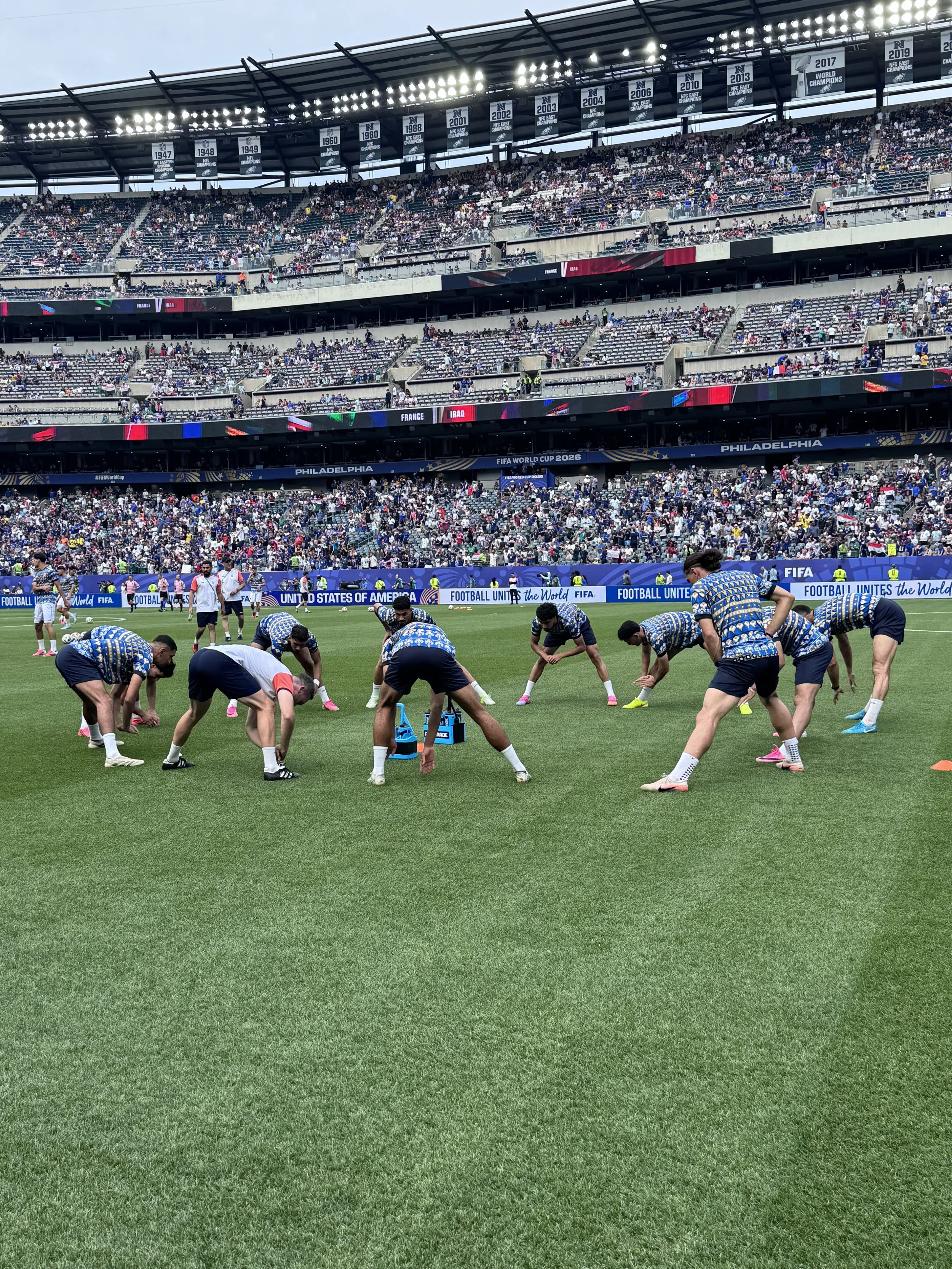
France beat Iraq 3-0 in Philadelphia, but the two-hour lightning delay stole the show, making it officially the longest World Cup game ever.

With tensions easing, Iran’s 2026 World Cup participation remains uncertain, as FIFA, politics, and regional dynamics collide.
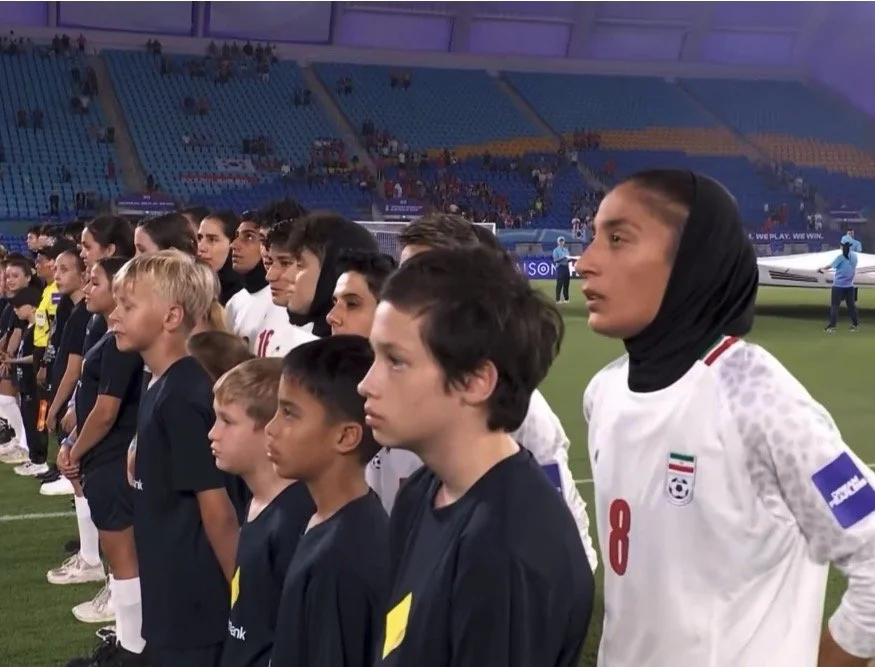
From silent protests to daring escapes, Iran’s women footballers turned a tournament into a global story of courage, politics, and survival.

Iran’s women’s team protested, faced threats, and signaled SOS in Australia—now their fate is uncertain amid calls for asylum.
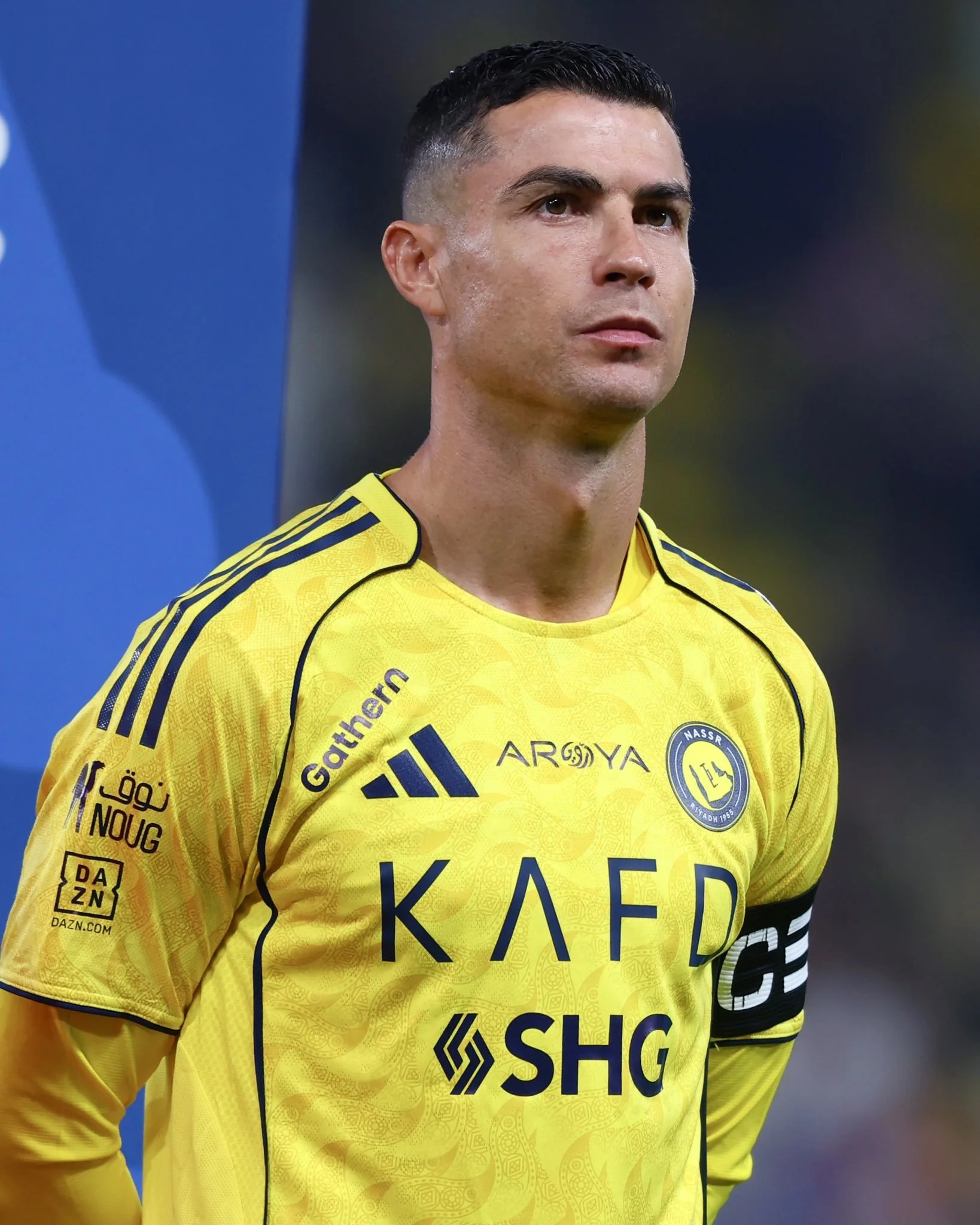
From Benzema’s shock move to Ronaldo’s protest, a chain reaction in Saudi football is shaking the entire project and the global game.

As protests spread across Iran, footballers are turning goals, silence and visibility into acts of resistance and solidarity with the people.

A dramatic 107th-minute penalty sends Iraq to the intercontinental playoff—now just one game from a first World Cup since 1986.
Manchester City’s guilty verdict is spilling into geopolitics, as Abu Dhabi hints at curbing UAE investment in Britain over the club’s fate.
For the first time since Oct. 7, 2023, Palestinian club football returns this weekend as 226 teams compete across three war-scarred regions.
France beat Iraq 3-0 in Philadelphia, but the two-hour lightning delay stole the show, making it officially the longest World Cup game ever.
With tensions easing, Iran’s 2026 World Cup participation remains uncertain, as FIFA, politics, and regional dynamics collide.
From silent protests to daring escapes, Iran’s women footballers turned a tournament into a global story of courage, politics, and survival.
Iran’s women’s team protested, faced threats, and signaled SOS in Australia—now their fate is uncertain amid calls for asylum.
From Benzema’s shock move to Ronaldo’s protest, a chain reaction in Saudi football is shaking the entire project and the global game.
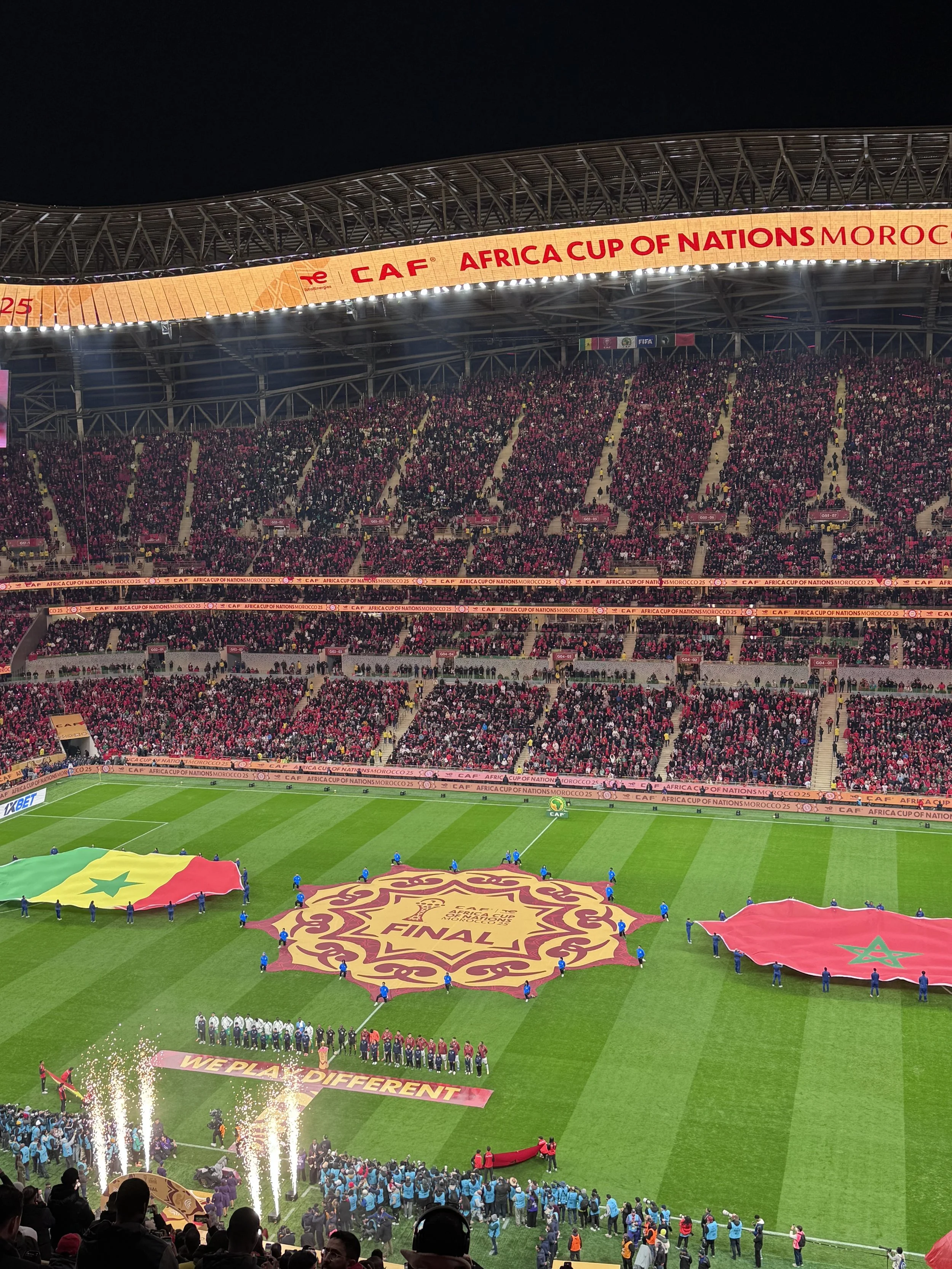
A Hitchcock-style AFCON final in Rabat saw chaos, controversy and brilliance as Senegal stunned Morocco to claim their second African title.
As protests spread across Iran, footballers are turning goals, silence and visibility into acts of resistance and solidarity with the people.
A dramatic 107th-minute penalty sends Iraq to the intercontinental playoff—now just one game from a first World Cup since 1986.
Manchester City’s guilty verdict is spilling into geopolitics, as Abu Dhabi hints at curbing UAE investment in Britain over the club’s fate.
A dramatic 107th-minute penalty sends Iraq to the intercontinental playoff—now just one game from a first World Cup since 1986.
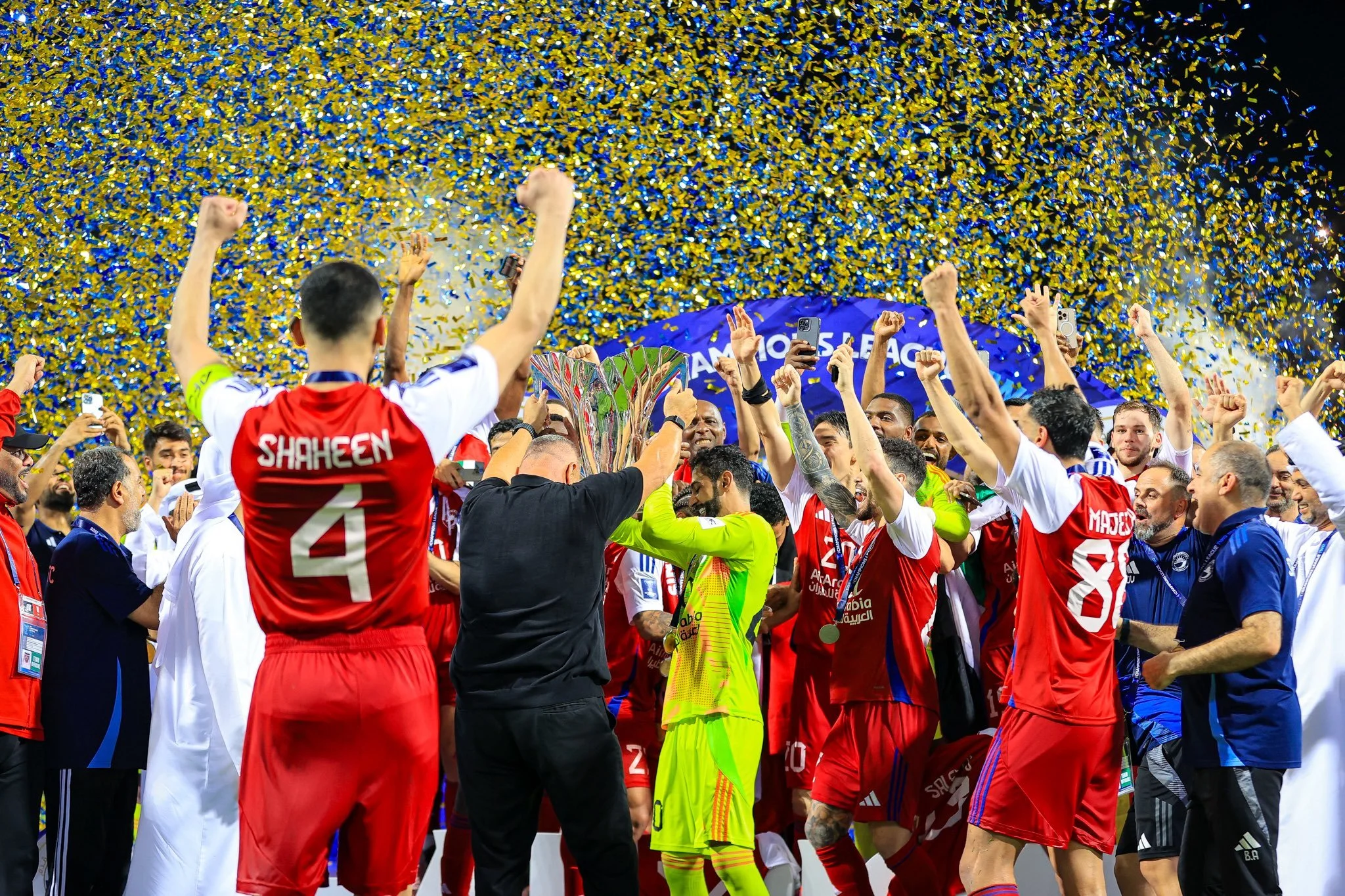
Firas Ben Arbi and Marcus Meloni secure Sharjah’s 2-1 win over Lion City Sailors in a dramatic AFC Champions League Two final.
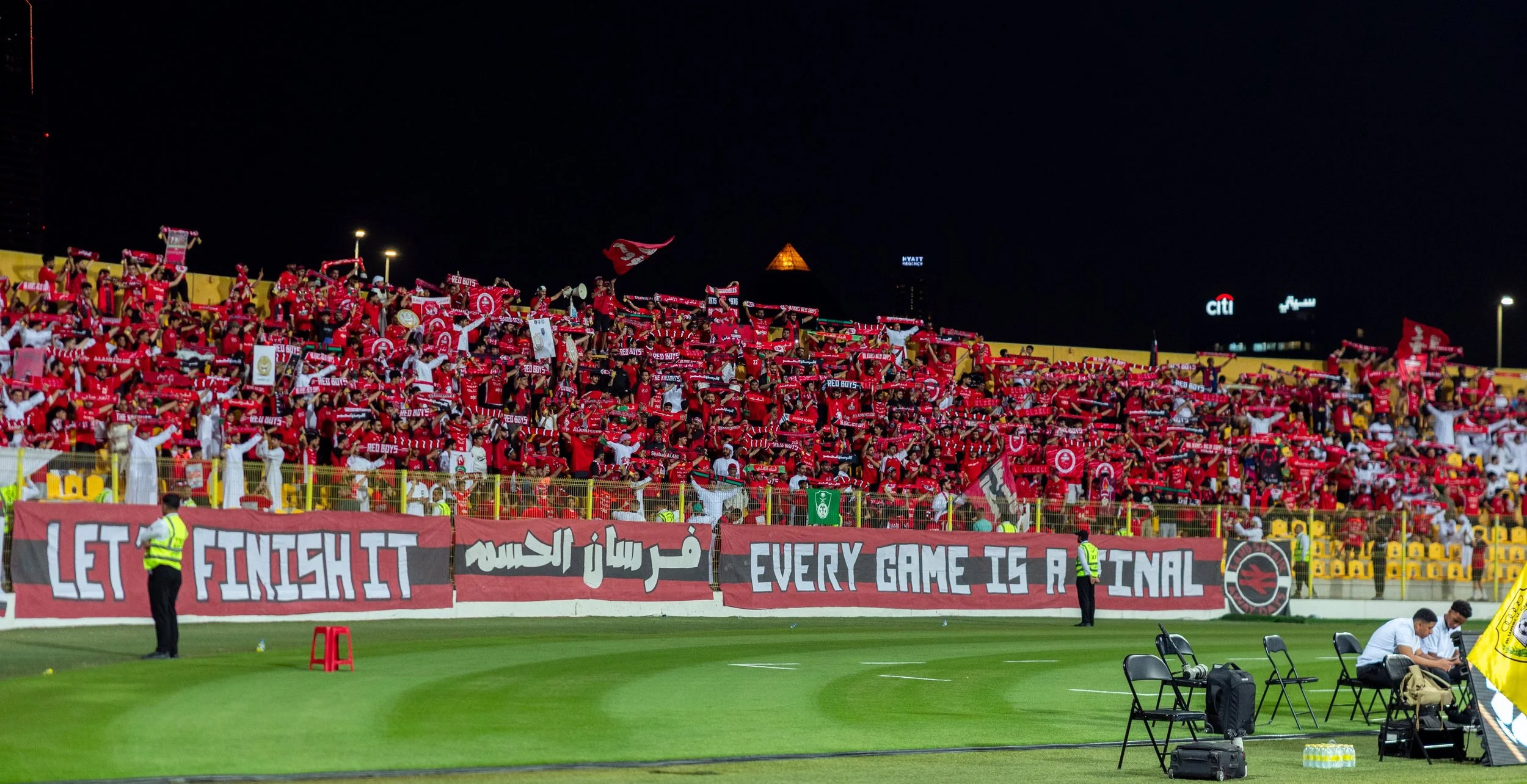
Shabab Al Ahli secure their ninth UAE Pro League title, with Dabbur and Azmoun's partnership exemplifying unity beyond borders.

Sharjah FC stuns Al-Taawoun with two stoppage-time goals to reach the AFC Champions League Two final.
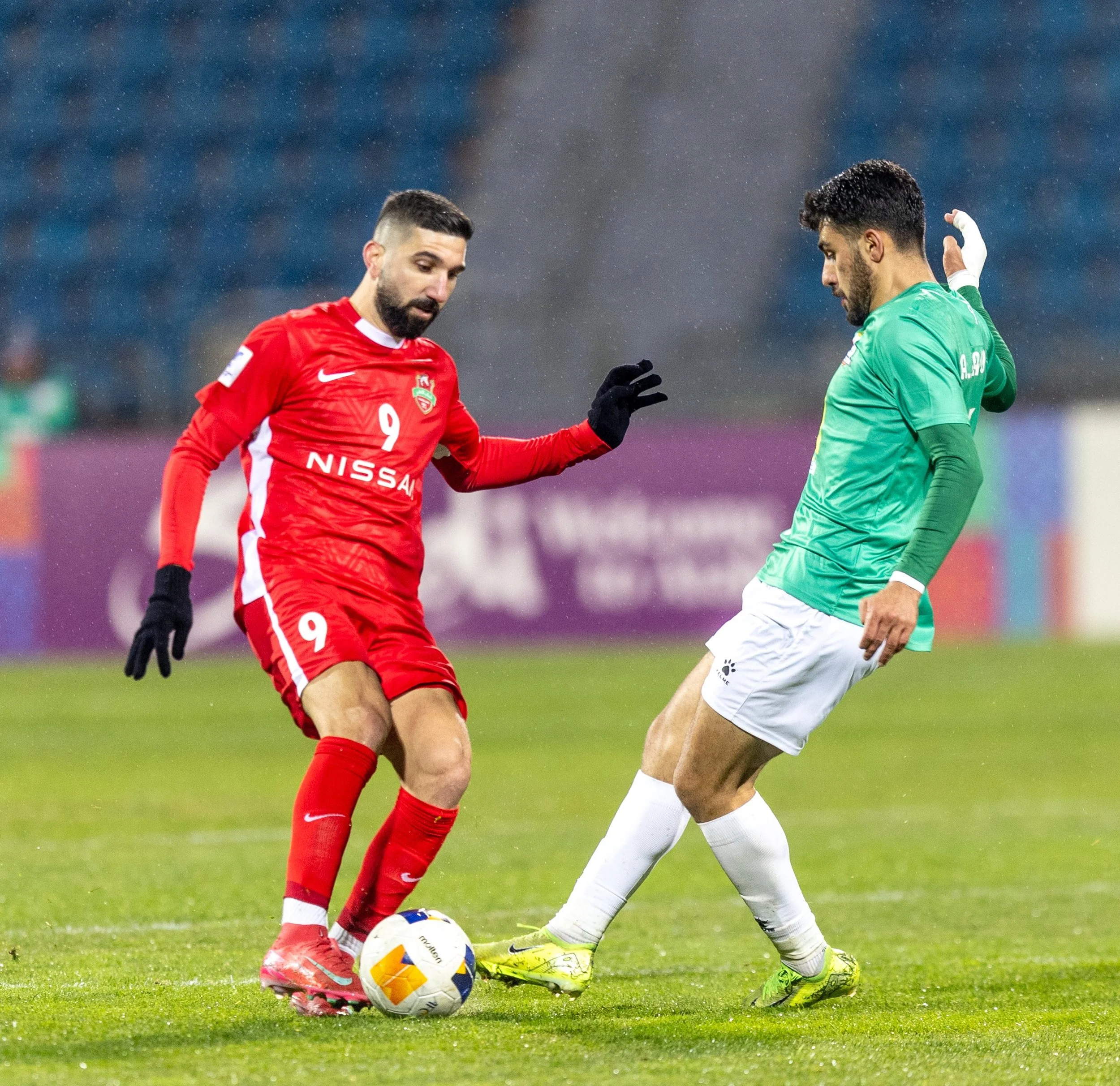
Jordanian Al-Wehdat fans protested against participation by Shabab Al-Ahli Dubai’s Israeli player, Munas Dabbur, highlighting deep political and social tensions.
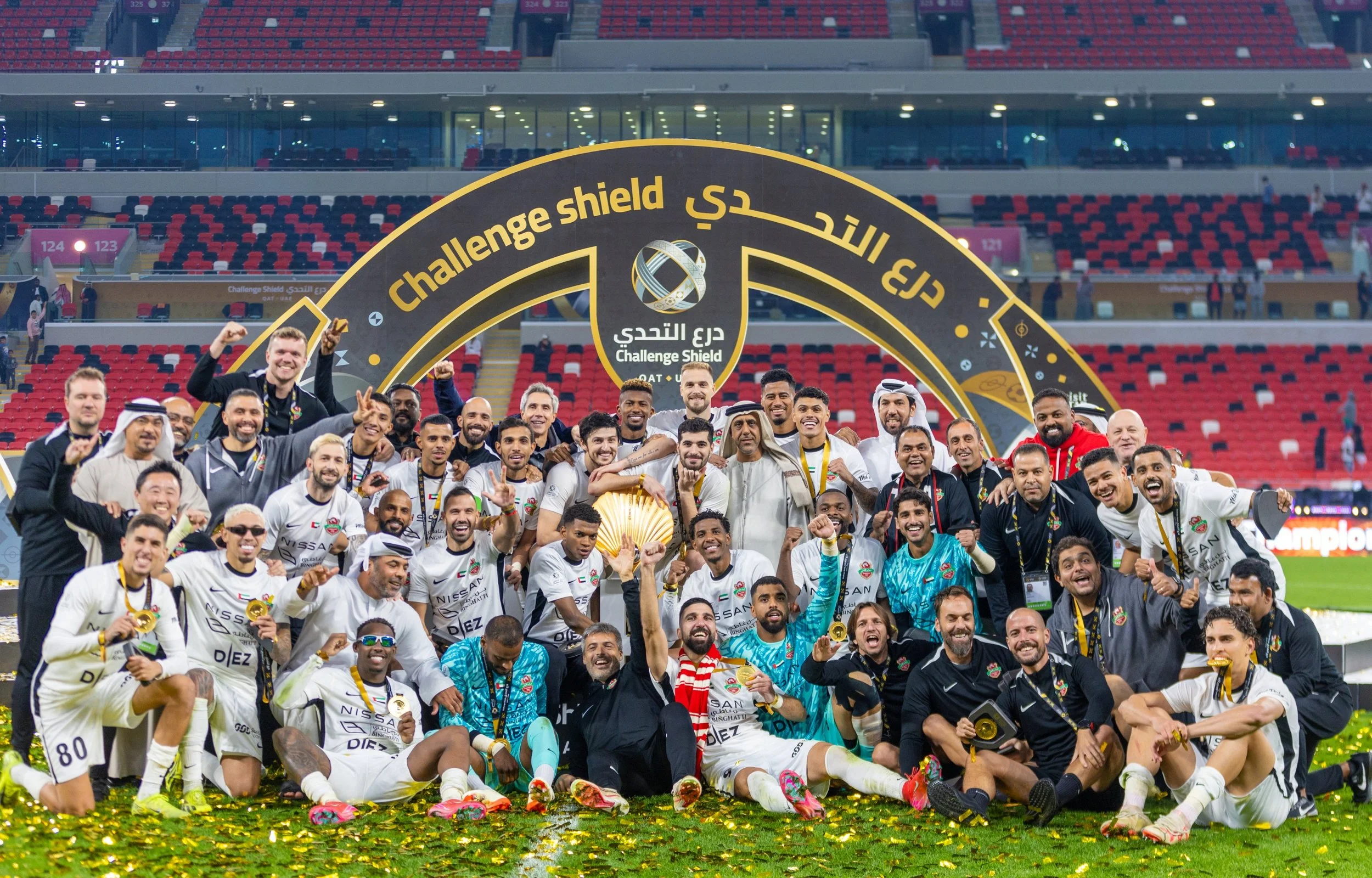
Shabab Al Ahli, Al Nasr, Al Wasl, and Al Wahda secure wins in the Qatar-UAE Super Cup series, showcasing top Gulf football action.
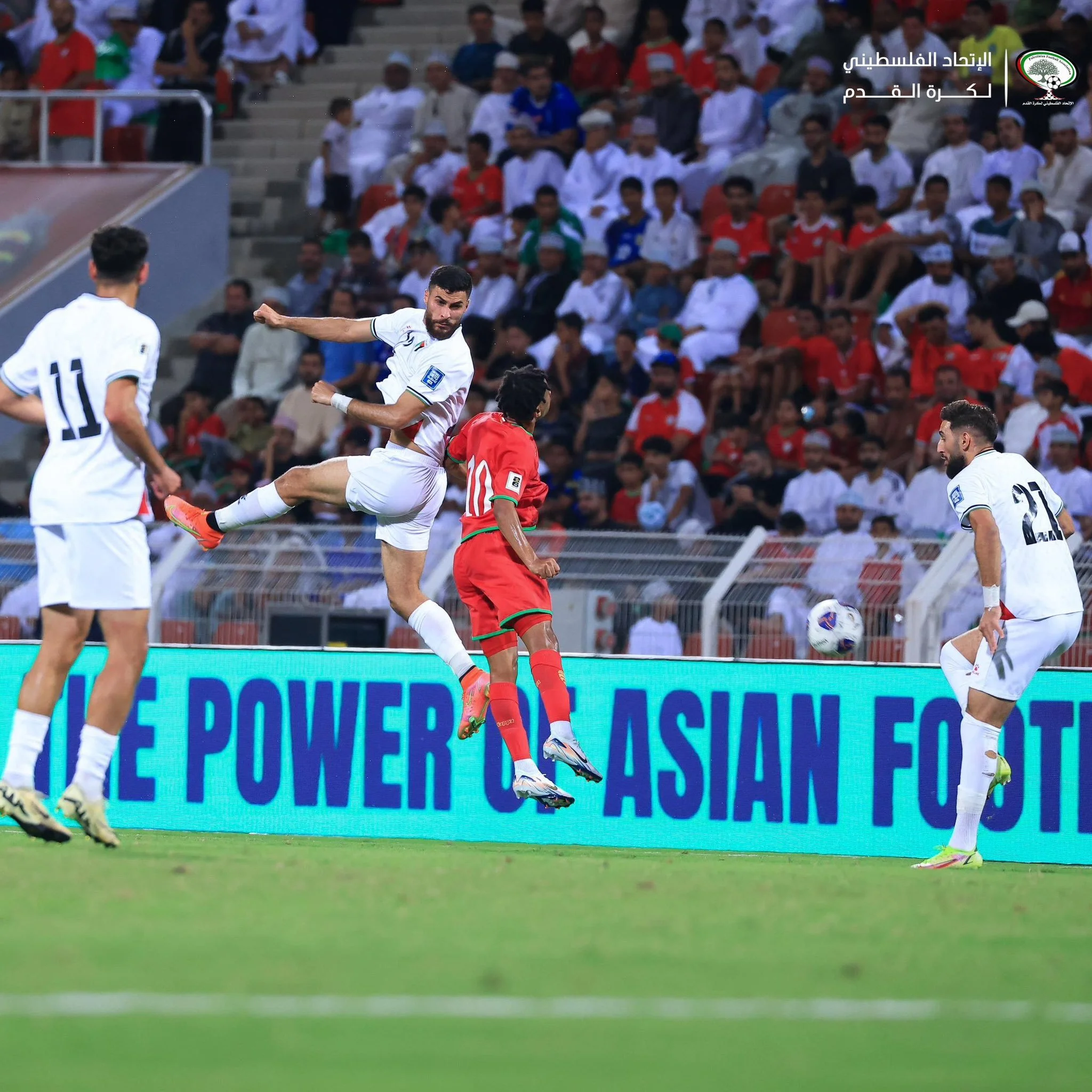
From Israel's stunner vs France to Qatar's late winner, here is a recap of the latest Middle Eastern football action and results.

Omer Atzili, two-time in a row Israeli Premier League top scorer and MVP, can’t find his regular form in Al Ain—a snick-pic to the life of the first Jewish Israeli in an Arab league.
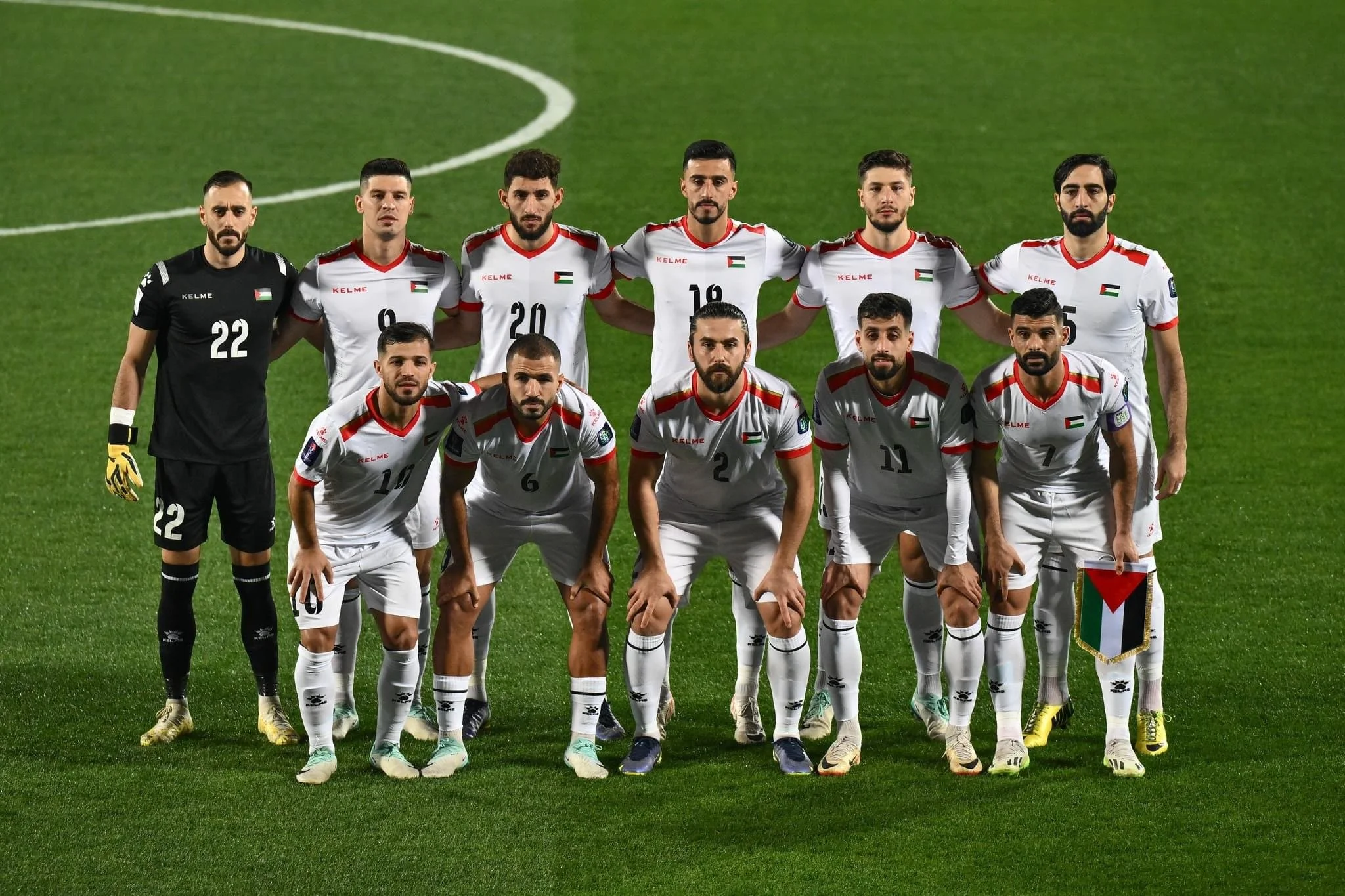
Asian Cup 2023: The knockout stage kicked off in Qatar, setting the stage for drama on and off the pitch. From Australia to Tajikistan, two Arab derbies are ready to take place, with Qatar and Palestine the main event.
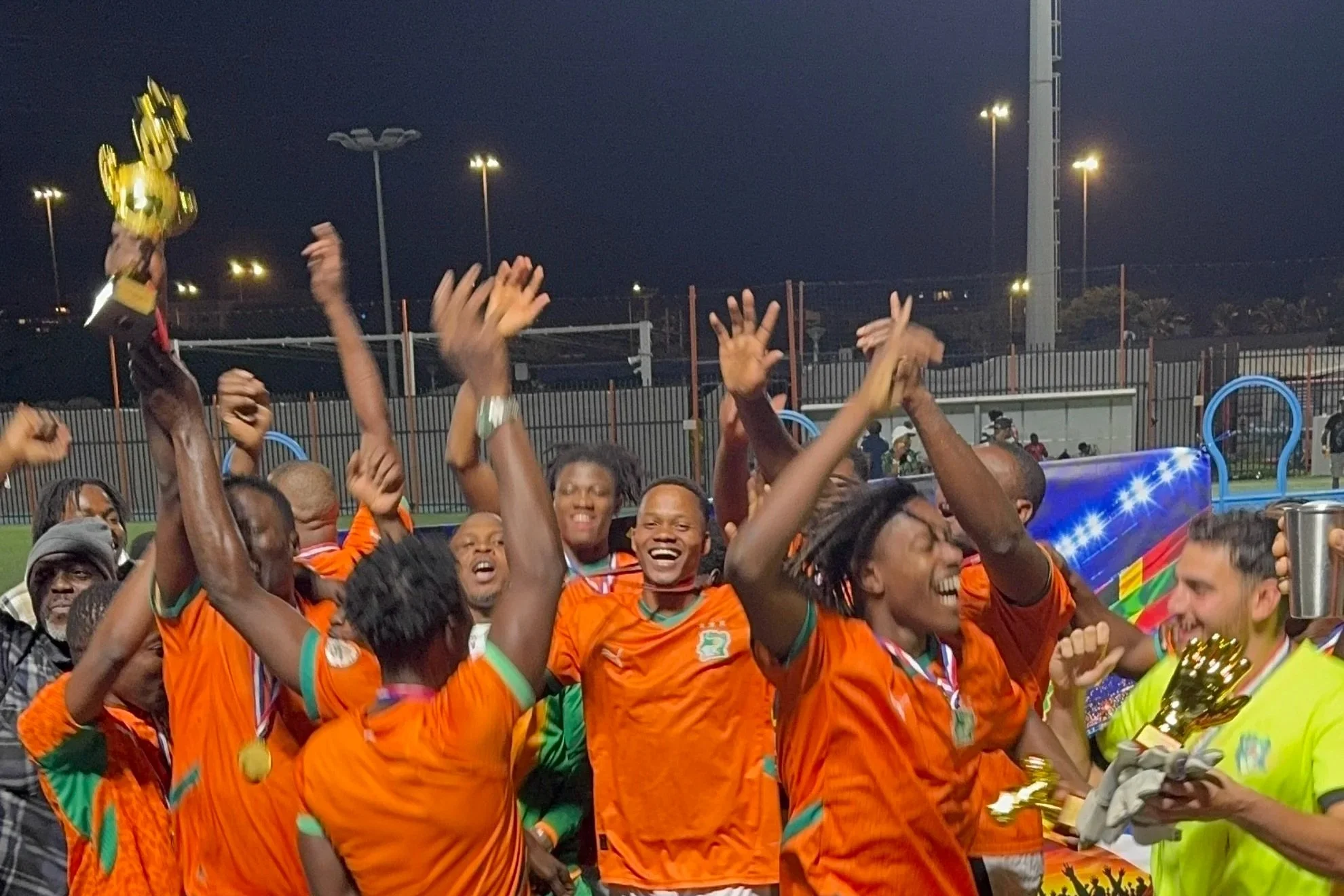
Ivory Coast edged Nigeria 3-2 in the final of a solidarity tournament among eight African teams, organised by Sudanese refugees in Tel Aviv.
Manchester City’s guilty verdict is spilling into geopolitics, as Abu Dhabi hints at curbing UAE investment in Britain over the club’s fate.
Israel's national team finished bottom of its Nations League group, as politically charged clashes versus Ireland overshadowed the campaign.
Israel opens a homeless Nations League campaign against Austria, Kosovo, and Ireland, with the Gaza conflict looming over every match played.
Maccabi Tel Aviv routed ten-man Hapoel 4-1 at Bloomfield, in a fiery derby marked by red cards and pyro chaos.
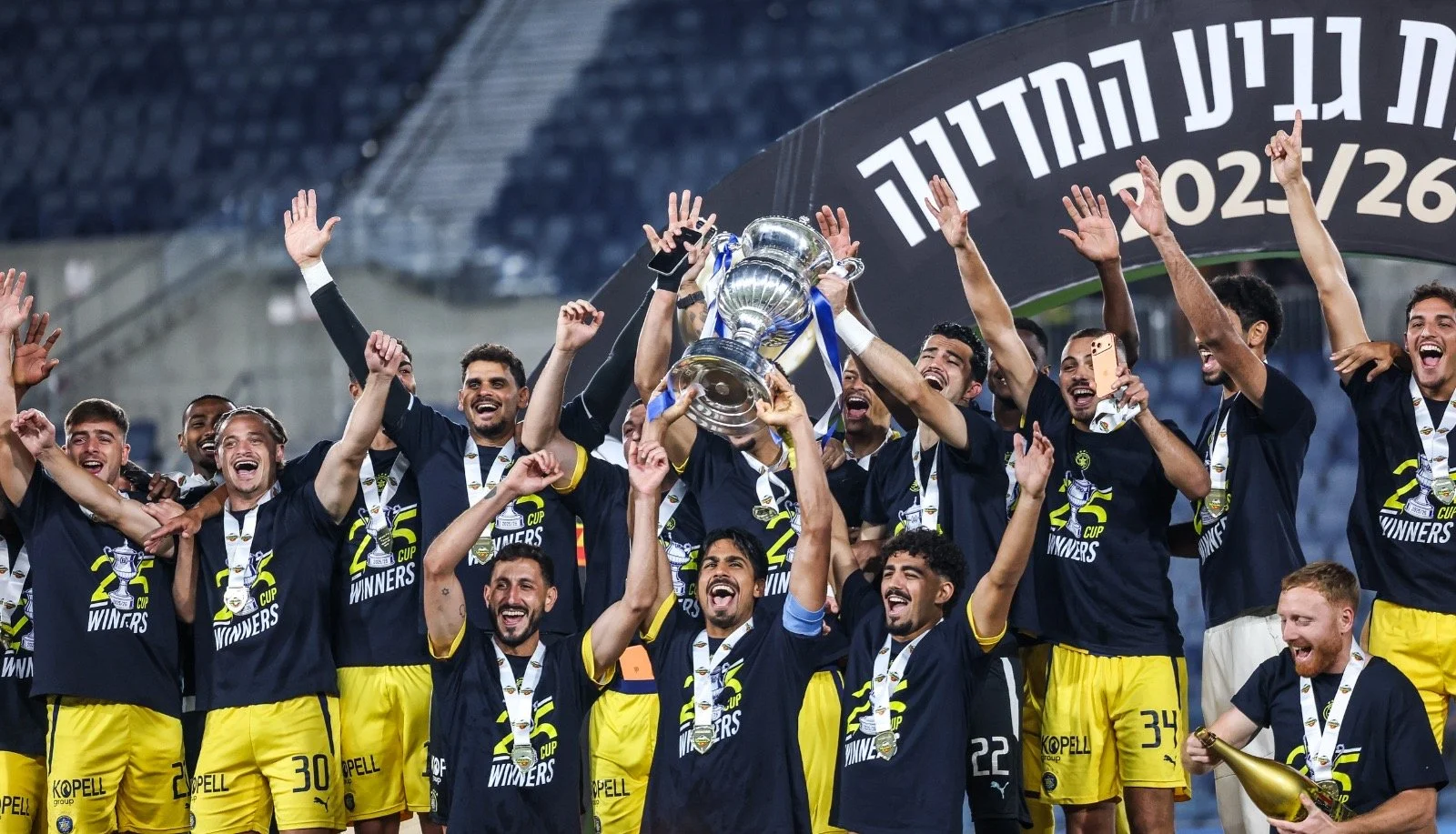
Maccabi Tel Aviv edge Hapoel Be'er Sheva 2–1 in a dramatic Israeli Cup Final at Teddy Stadium, denying the champions a historic Double.
With tensions easing, Iran’s 2026 World Cup participation remains uncertain, as FIFA, politics, and regional dynamics collide.
From silent protests to daring escapes, Iran’s women footballers turned a tournament into a global story of courage, politics, and survival.
A dramatic 107th-minute penalty sends Iraq to the intercontinental playoff—now just one game from a first World Cup since 1986.
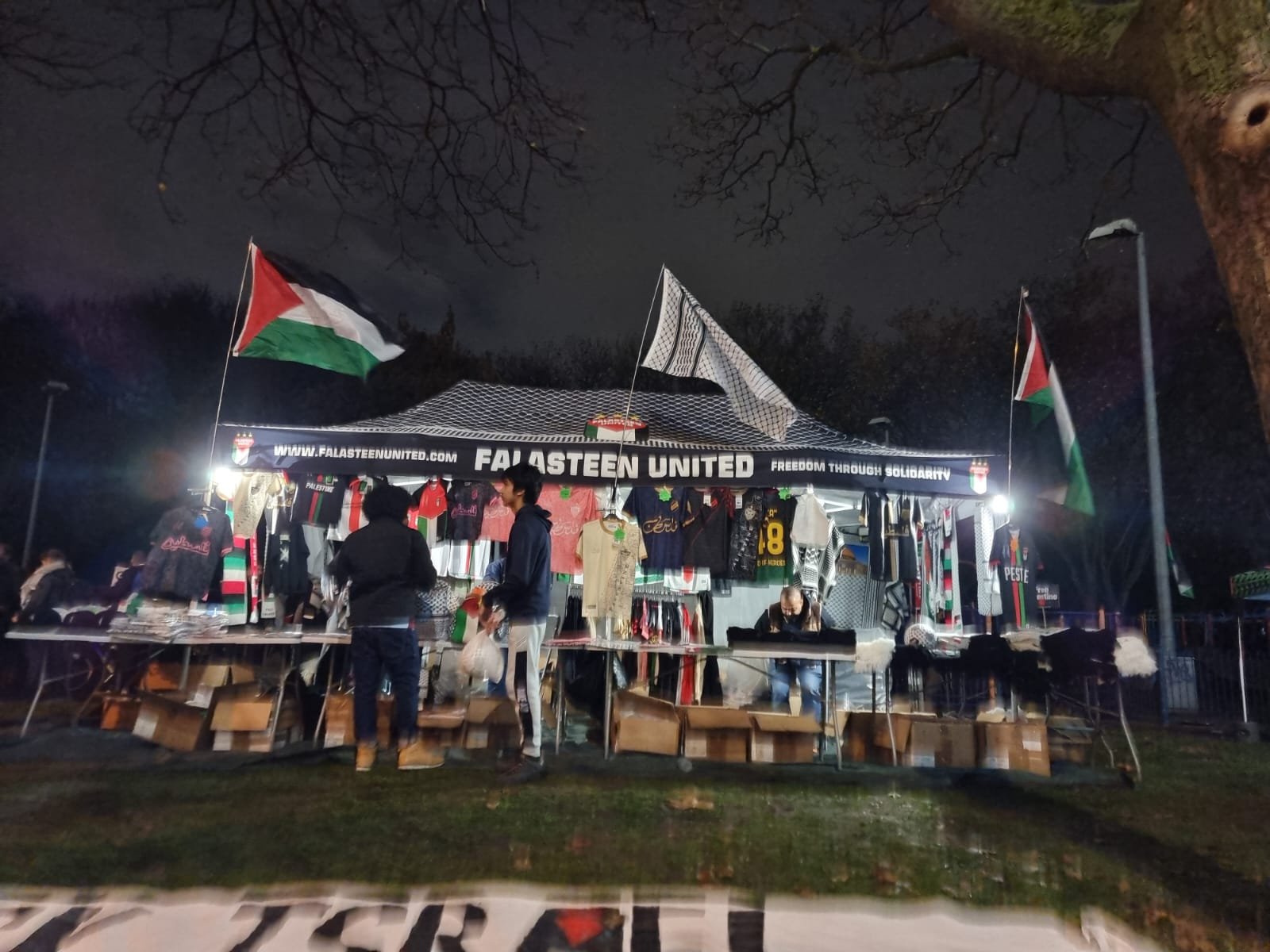
Aston Villa overcame Maccabi Tel Aviv 2–0 in a Europa League night marked by police protests, fan bans, and off-field political tension.
Hapoel Be’er Sheva fans were barred from AZ Alkmaar. Why does the country with deep Jewish football roots now refuse to host Israeli supporters?