Only a couple of weeks ago, Al-Jazira Abu Dhabi looked like an unstable team that will struggle to create a real threat on the Emirati title.
Yet, a couple of weeks are a long time in football measures.
The club from the capital city has done a refreshing change in recent weeks. At the beginning of the season, the team was almost completely depended on the ability of their experienced local players and foreign signings, such as Ali Mabkhout, Serbian Milo Kosanovic and later on the Nigerian Imo Ezekiel, to shine. But not anymore.
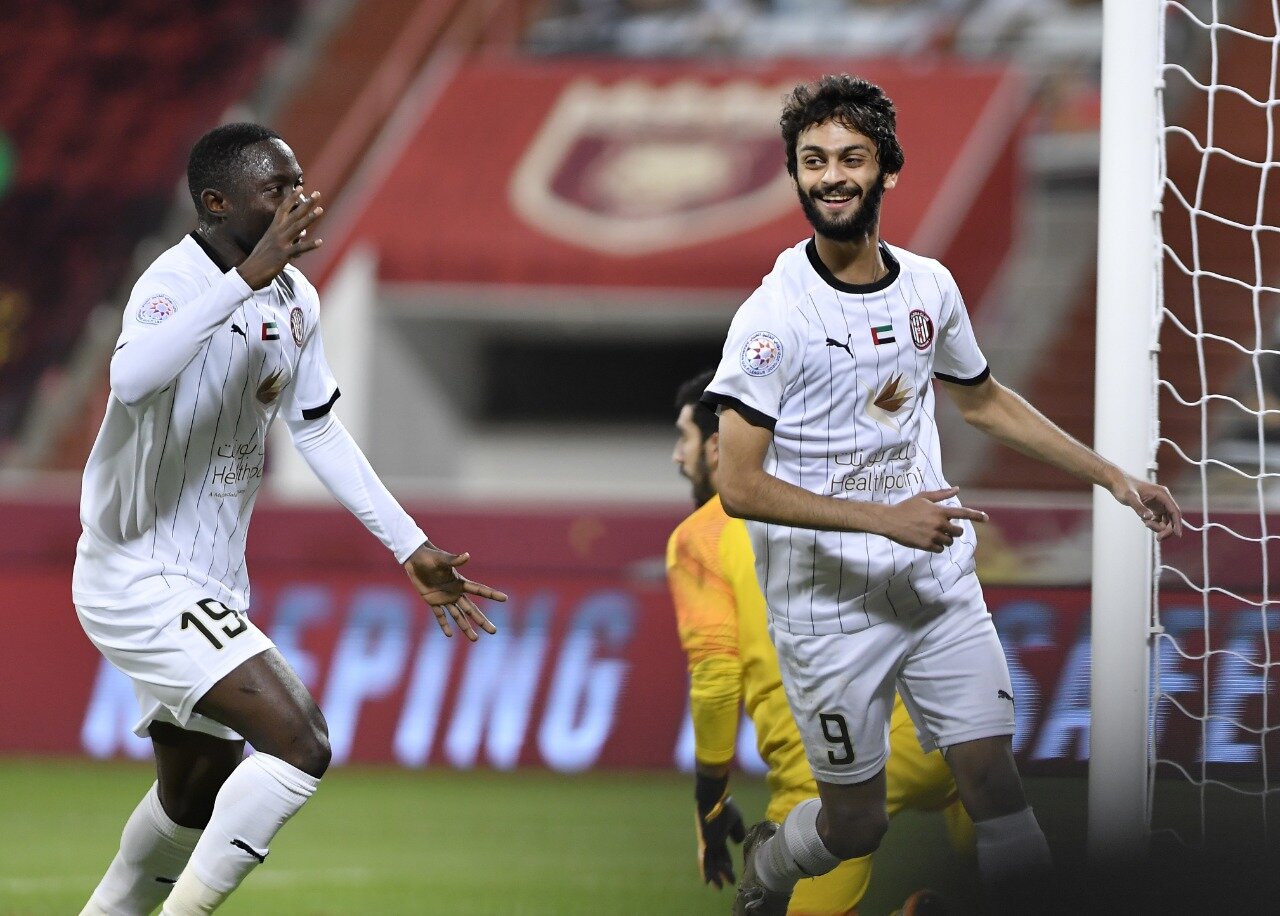
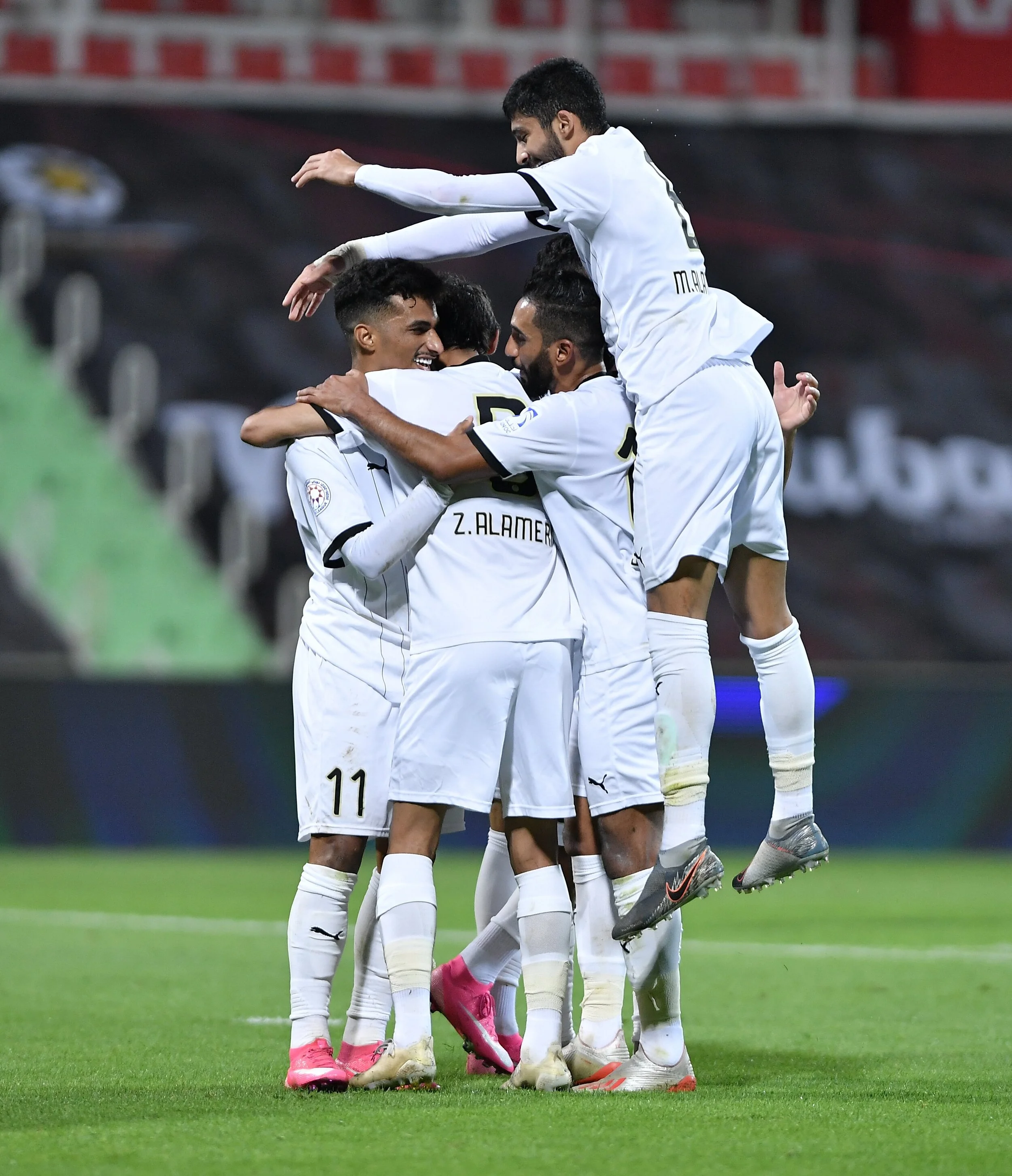
In their last game, away at Fujairah, the talented youngsters in the squad, Abdullah Ramadan and Zayed Al-Ameri, together with the team’s magician, Khalfan Mubarak, took the wheel to their feet and were pioneering the team for an impressive victory. Now the team is already in the second place, with three consecutive wins in a row only three points away from the league leaders, Sharjah.
Living with Expectations
In the reality of Emirati football, it is not easy to be Al-Jazira. As the club that is most identified with the strongest man in the Gulf country, Mohammed bin Zayed, and the whole Al-Nahyan family, the expectations are always at the top, in every game, in every possession, no matter what the circumstances are.
After struggling to find the right balance between defence and attack in the first games of this term, it is clear that the players are more used to the dynamic 4-4-2 of the Dutch coach Marcel Keizer. While in the first victories in the season it seemed that if not for Mabkhout, the team won’t score - against Fujairah it looked completely different.
Although there are some spaces to close in the back-line, and the fact that it took them an hour to opening the scorings, the combination in the attack between Mubarak and Al-Ameri worked perfectly, and the latter finished with a brace mainly thanks to the creativity of the team’s no. 10.
With the absence of Omar Abdulrahman, Amoory, Khalfan Mubarak is much confident and free to work his magic all over the place, and together with Mabkhout up front, the two look like the faces that the young guns in the team to look upon and learn.
In the second half talented Abdullah Ramadan continued his positive and impressive start for the season, paving his way as an important member in Al-Jazira’ starting line-up. His cooperation with Mubarak and Mabkhout from the midfield was sublime and helped his team make the necessary step forward - from a team that looks in the mid of an identity search, to a confident and promising football side.
We wish you a week as marvellous as Khalfan’s magical skills🌟🎩 #PrideOfAbuDhabi 🔴⚫️ pic.twitter.com/1Z95jpqjGD
— Al Jazira Club (@AlJazira_uae_EN) December 1, 2020
Training, not Buying
It seems that Al-Jazira’s undeclared philosophy, of training and nurturing the local talents, rather than buying big names or foreign megastars, is starting to seep in the system and the players.
Late in November the right-back Khalifa Al-Hammadi, a young and promising 22-year-old Emirati, has signed a new contract for five years. This actions and victories such as the 0-3 away against Fujairah, starring Al-Ameri and Ramadan, shows that the club is going in the right direction.
This direction might be different from what most of Emirati football was used to until very recently. Still, if more teams adopt this model, the Golden Generation of 1989 or even the one of 2015, won’t stay such a faraway memory.
Photo via Al-Jazira Abu Dhabi official Twitter.
The international break did good things to few clubs in the UAE, especially Al-Jazira Abu Dhabi, who looked fresh and powerful; Sharjah is still perfect, despite an allegedly racist incident taking place in their match against Al-Nasr.
The Arabian Gulf League fifth matchday has emphasized the current trend in the UAE perfectly: Sharjah and Al-Nasr are playing in fourth gear, while the rest of the league are still in search to find their form.
For the first time since Oct. 7, 2023, Palestinian club football returns this weekend as 226 teams compete across three war-scarred regions.
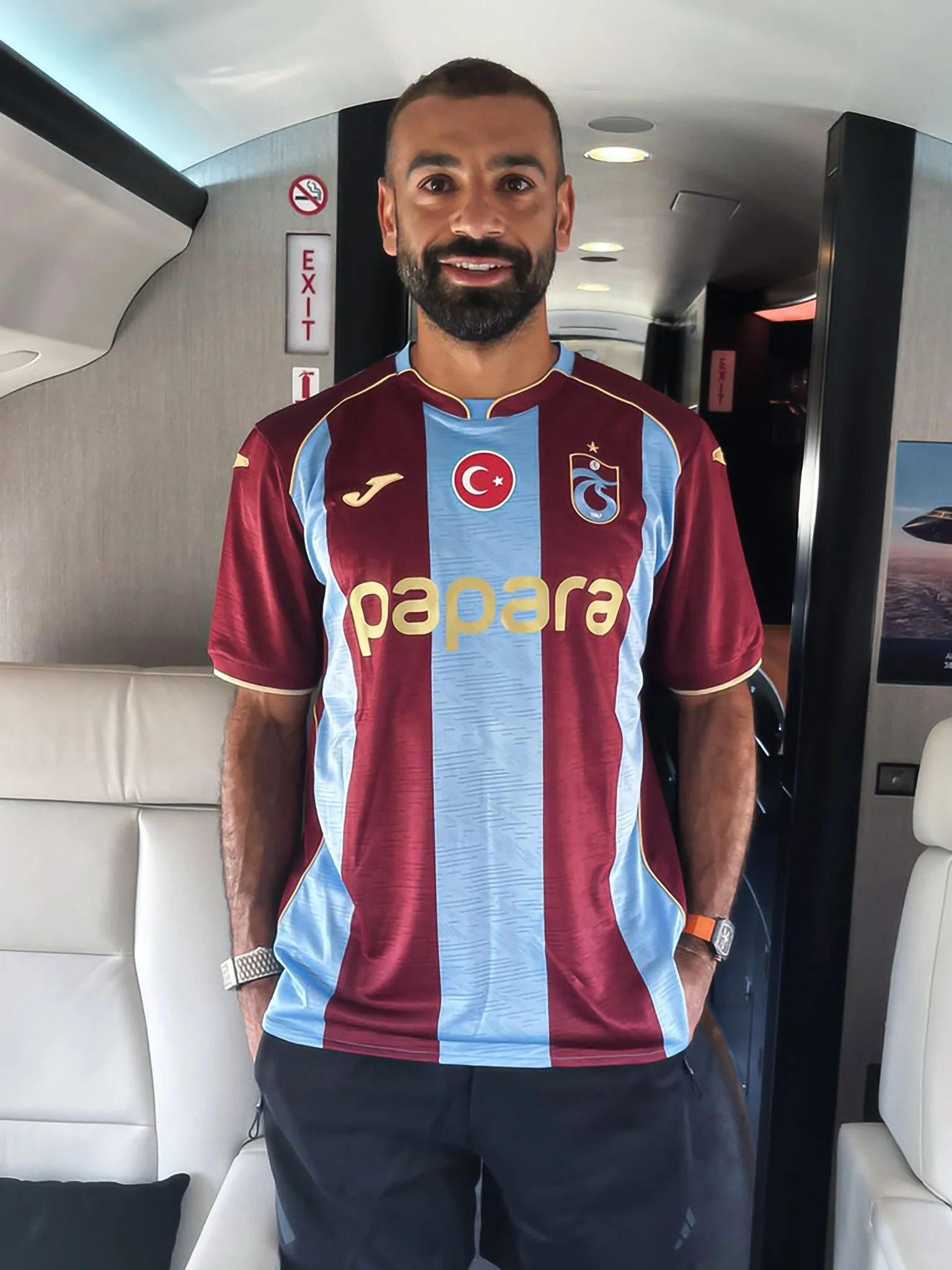
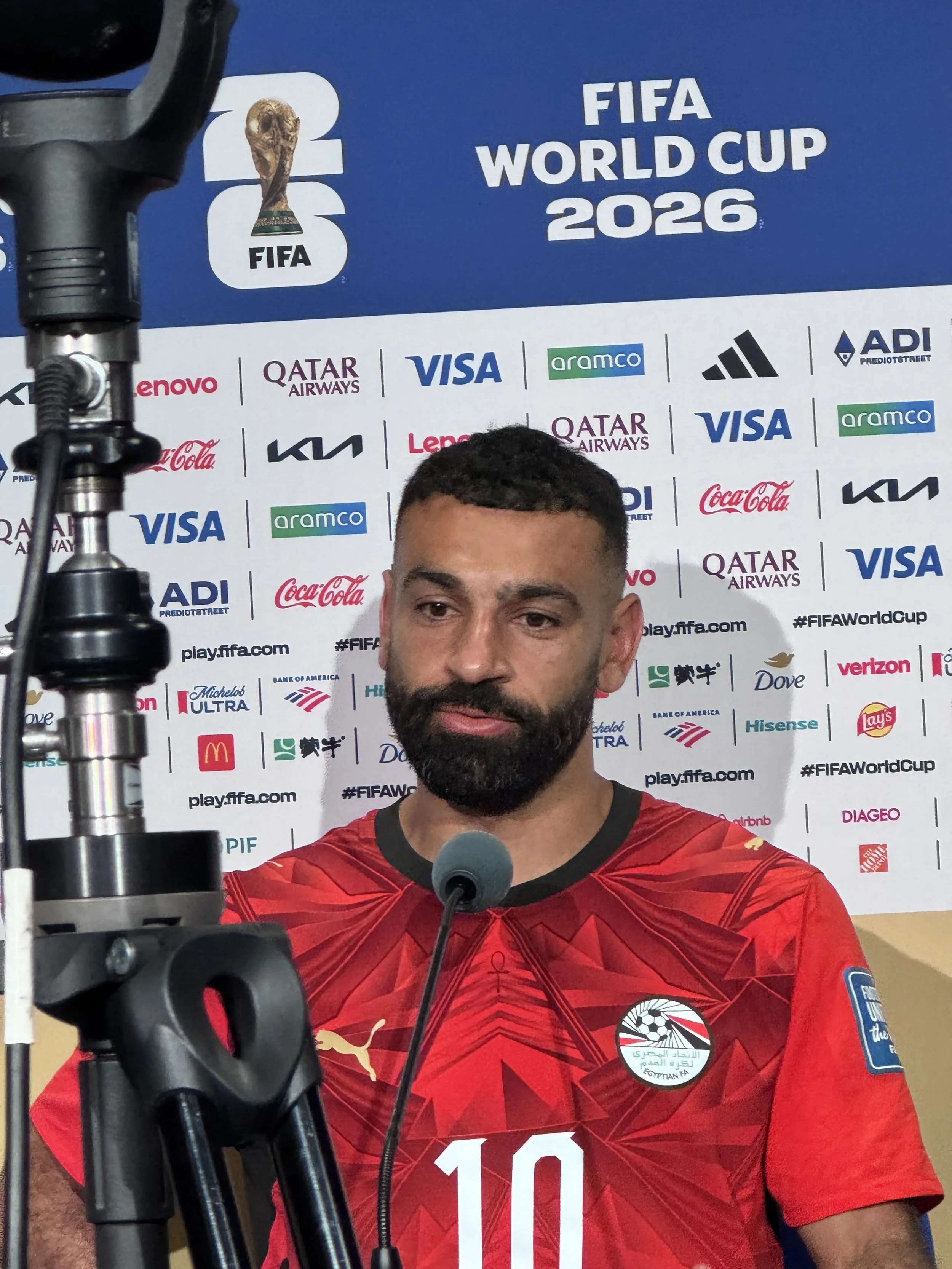
After nine years at Liverpool, Salah left for Trabzonspor — the money, the family, and the love of being the underdog all played their part.
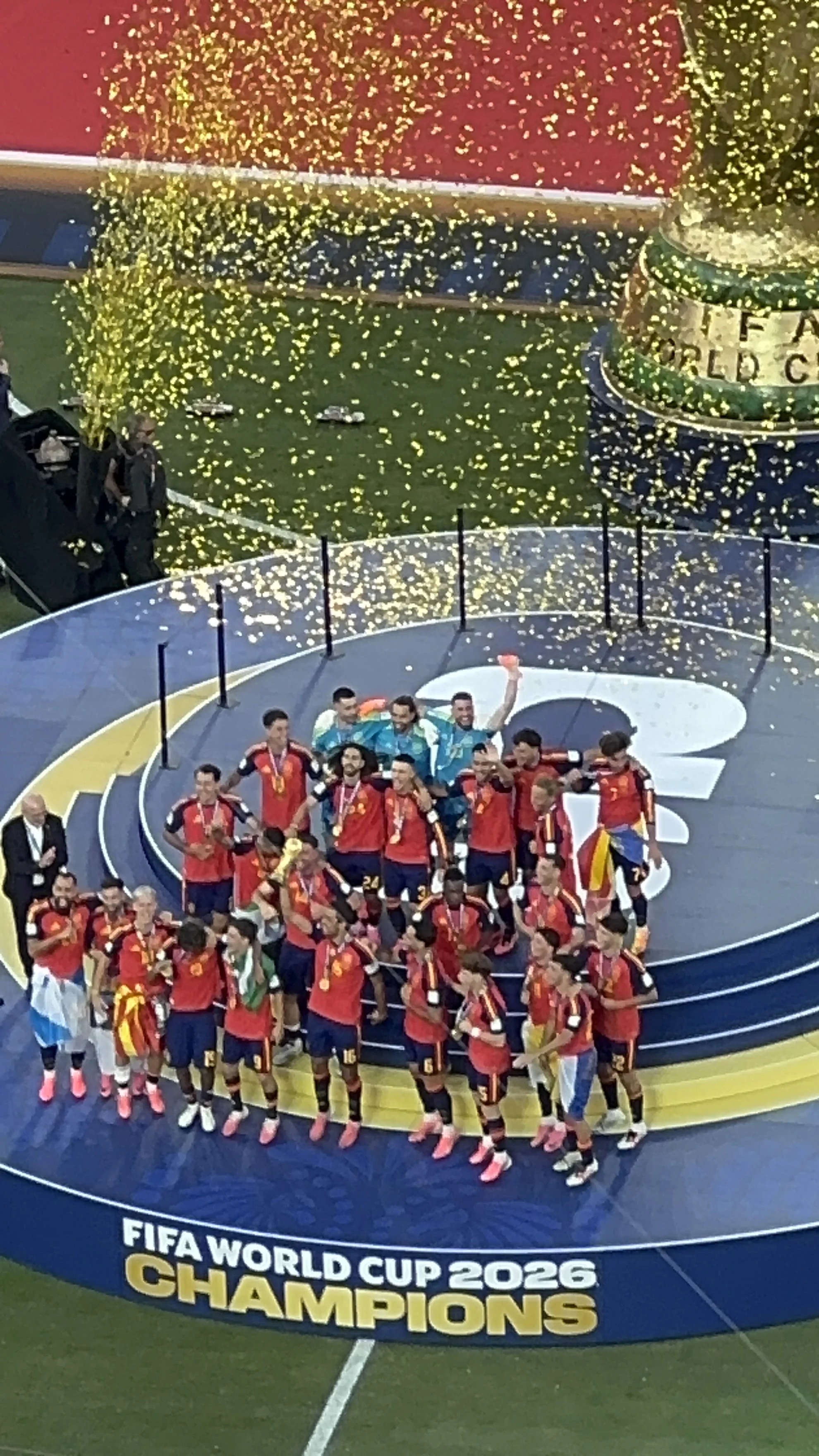
Spain defeated Argentina 1-0 in the 2026 World Cup Final, ending Lionel Messi's dream World Cup with heartbreak.
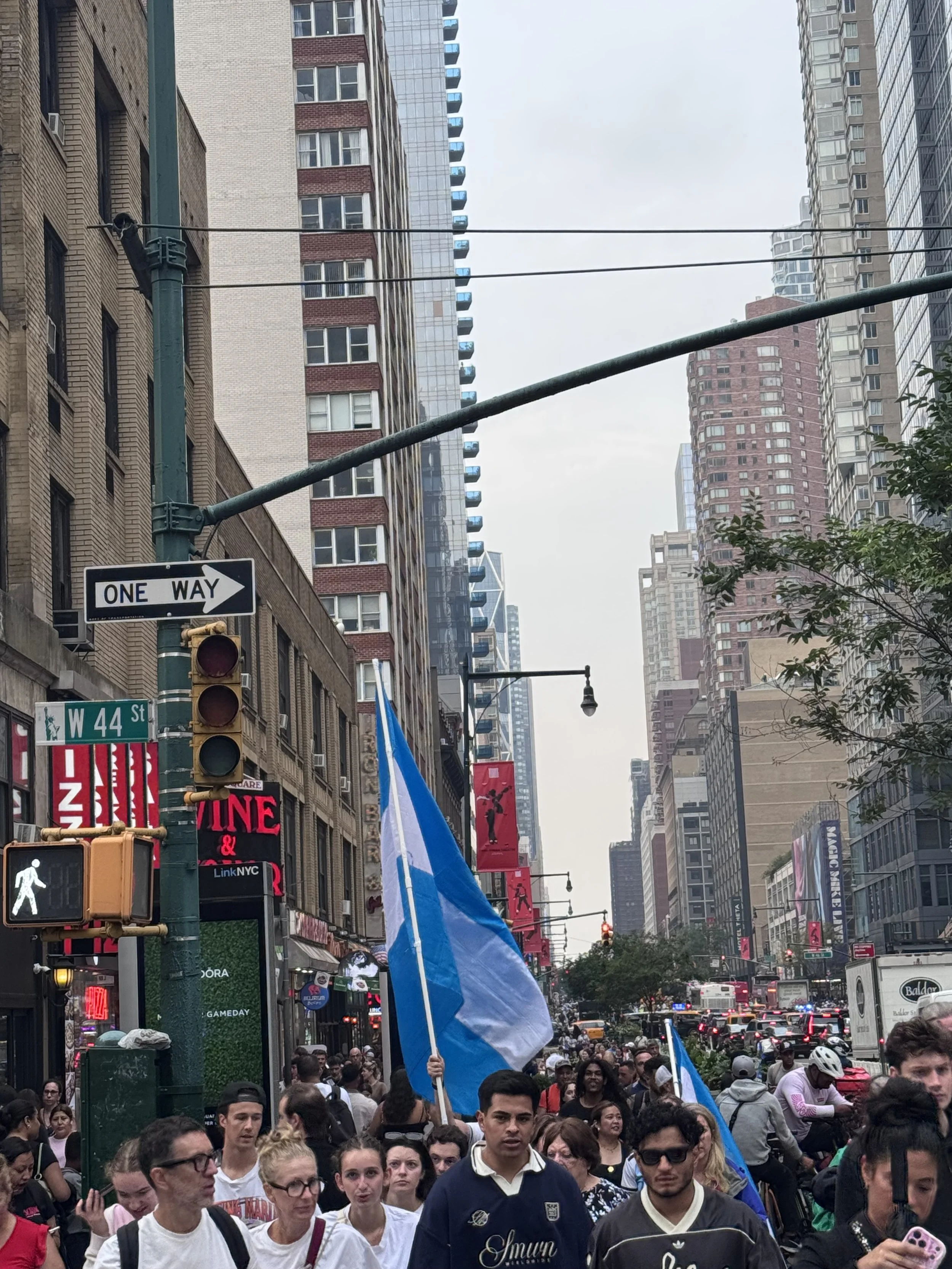
Thousands of Argentina fans transformed Times Square before the 2026 World Cup final, all united to thank Lionel Messi.
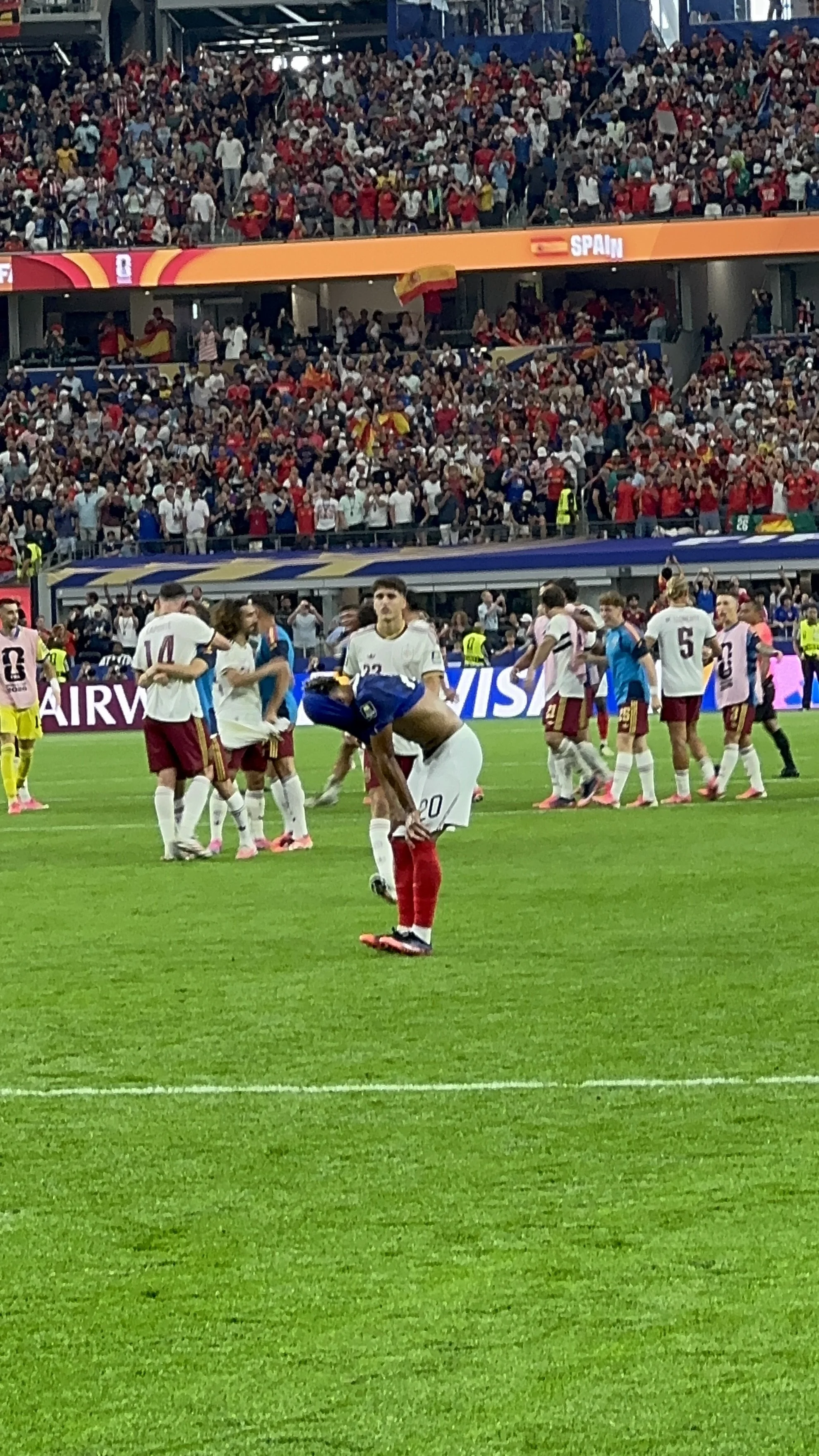
Spain were ruthless in Dallas as Oyarzabal and Dani Olmo starred, leaving France's Bastille Day to end in deep disappointment for Deschamps.
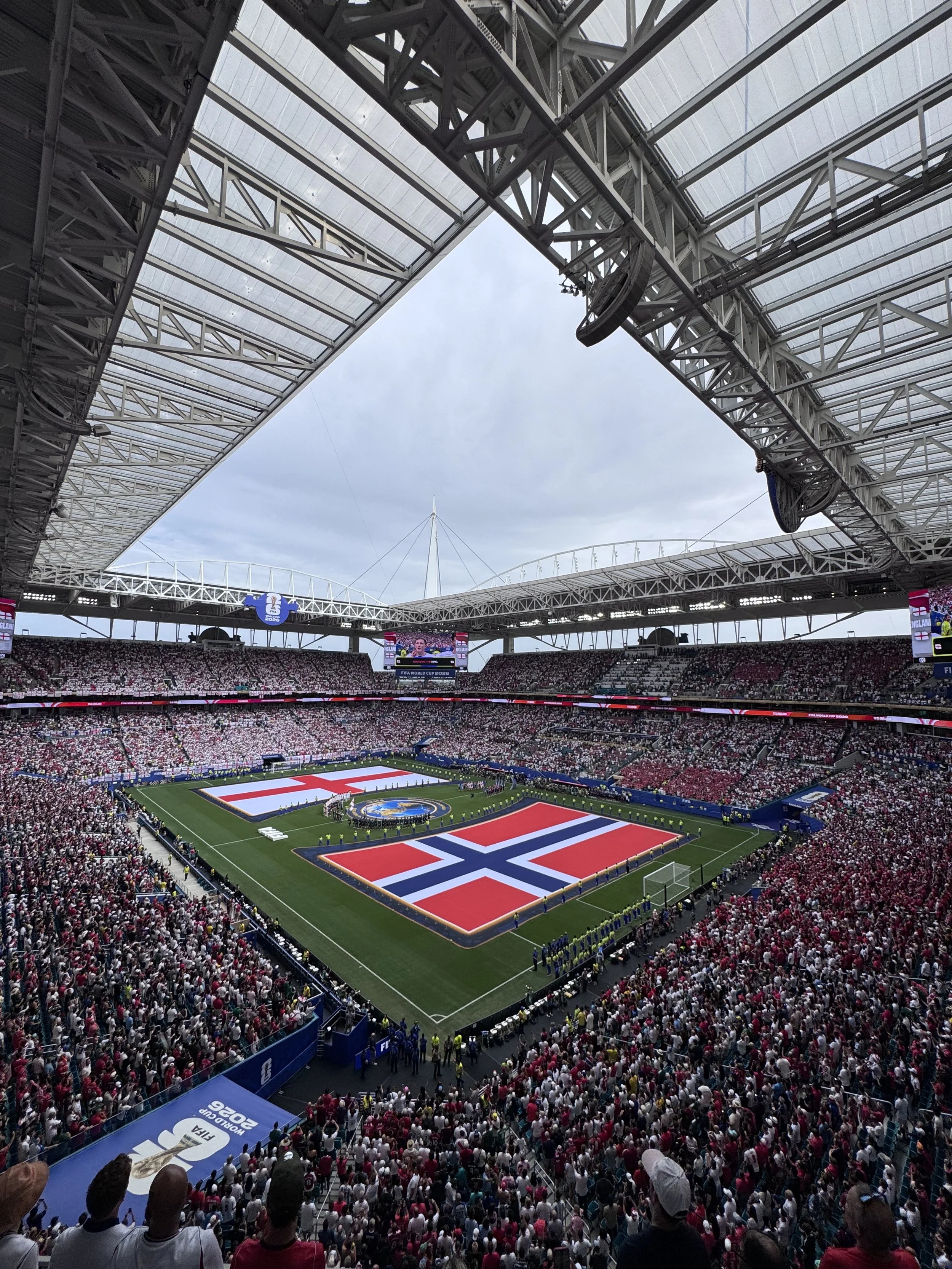
Norway outplayed England for most of a sweltering Miami classic, but two Bellingham strikes in extra time sent the Three Lions to the semis.
Egypt pushed Argentina to the limit in a 3-2 World Cup thriller, but left the pitch furious at the referee and convinced justice was denied.
Ayoub Bouaddi chose Morocco over France at 18 and lit up a quarter-final about colonial history, dual identity, and what it means to belong.
Merino's late goal gave Spain a 1-0 win over Portugal as Ronaldo left the World Cup stage in tears in what many believe was his final match.
Egypt beat Australia on penalties in Dallas to reach the last 16 for the first time, with Salah's Panenka the highlight of a historic night.
Diop headed Morocco level in the 91st minute and Saibari slotted the winner in the shootout as Morocco reached the World Cup quarter-finals.
Messi and the Jordanian Messi both scored as Argentina beat Jordan 3-1 in Arlington, with records broken and keffiyehs flying in the stands.
France beat Iraq 3-0 in Philadelphia, but the two-hour lightning delay stole the show, making it officially the longest World Cup game ever.
Saibari scored inside two minutes as Morocco beat Scotland 1-0 in Boston, leaving the Scots on the very brink of 2026 World Cup elimination.
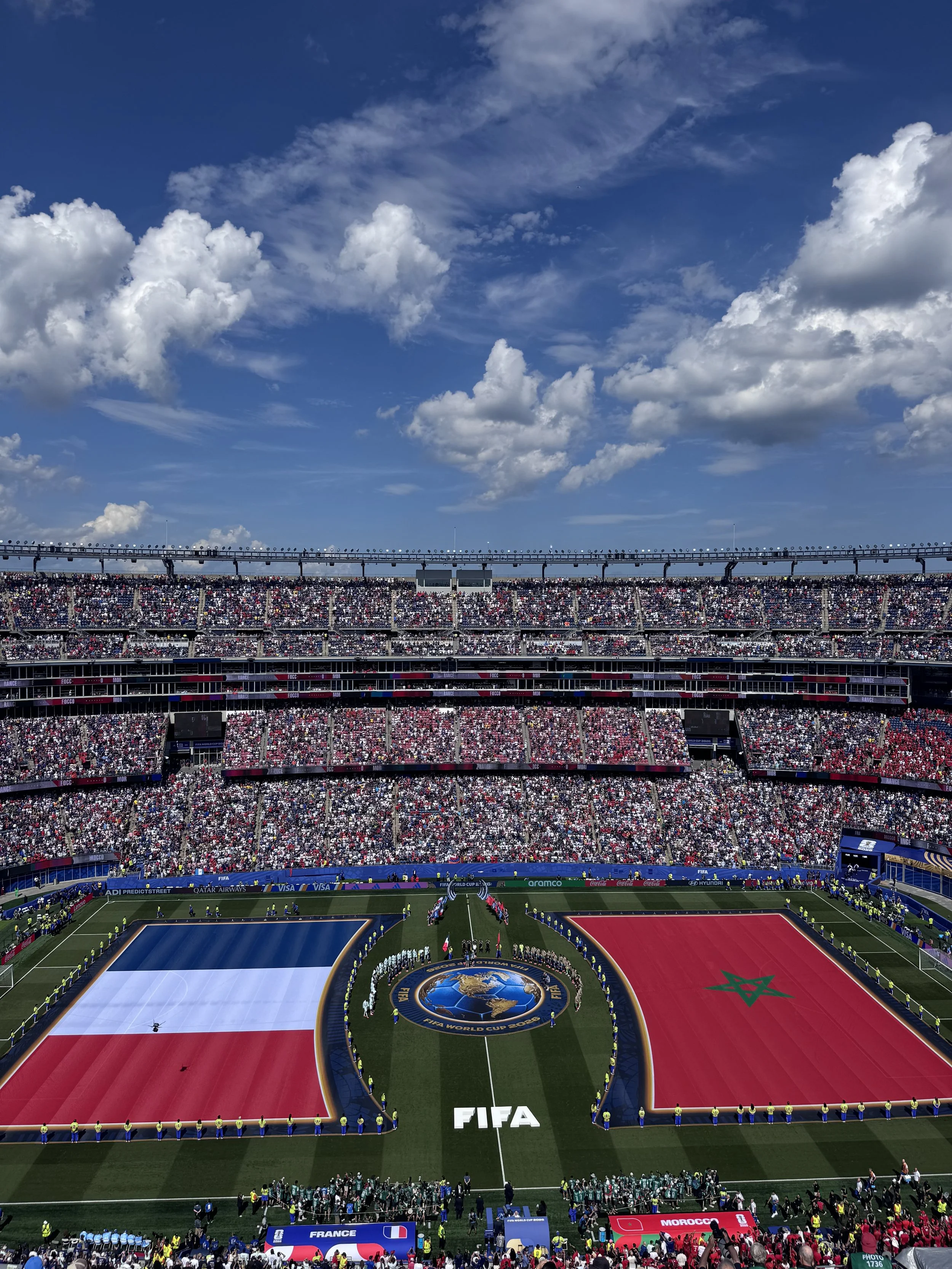
Senegal relived their legendary 2002 magic for an hour, but Kylian Mbappe struck twice to sink them and seal France's 3-1 win in New Jersey.
Qatar stole a last-gasp draw from Switzerland and Morocco held Brazil 1-1 — two results that announced Arab football’s full arrival at 2026.
Azteca stadium hosts its third World Cup as Mexico City buzzes with pride, protest, and the deep belief that football has always lived here.
Crystal Palace beat Rayo Vallecano in Leipzig to win the Conference League in the most romantic underdog final in European football history.
Maccabi Tel Aviv edge Hapoel Be'er Sheva 2–1 in a dramatic Israeli Cup Final at Teddy Stadium, denying the champions a historic Double.
With tensions easing, Iran’s 2026 World Cup participation remains uncertain, as FIFA, politics, and regional dynamics collide.
CAF shocks African football by stripping Senegal’s title and awarding Morocco the AFCON crown after a chaotic final decision.
From silent protests to daring escapes, Iran’s women footballers turned a tournament into a global story of courage, politics, and survival.
Iran’s women’s team protested, faced threats, and signaled SOS in Australia—now their fate is uncertain amid calls for asylum.
From geopolitics to spectacle, Trump looms over World Cup 2026—reshaping football, power, and culture in the biggest tournament ever.
FIFA joins Gaza rebuilding plans, restoring stadiums, pitches, and youth programs, supporting football and hope in the Strip.
From Nigeria’s Mavlon academy to Viktoria Plzeň and the Europa League dream: Salim Fago’s journey is just beginning in Europe.
From Benzema’s shock move to Ronaldo’s protest, a chain reaction in Saudi football is shaking the entire project and the global game.
A Hitchcock-style AFCON final in Rabat saw chaos, controversy and brilliance as Senegal stunned Morocco to claim their second African title.
From libraries to stadiums, Morocco lives football. As AFCON 2025 nears its climax, passion, politics, and ambition collide nationwide.


In the reality of Emirati football, it is not easy to be Al-Jazira. After a hesitating start for the season, it seems that the Pride of Abu Dhabi made the shift from a team that looks in the mid of an identity search, to a confident and promising football side.